As temperatures plunge, a familiar amber symbol can suddenly glow on the dashboard, turning a routine commute into a small crisis. That tire indicator light is often reacting to the cold itself, but it can also be a warning that something more serious is happening at the wheels. Knowing when the chill is to blame and when the system is flagging a real fault is the difference between a quick air top‑off and driving on a hidden hazard.
The modern Tire Pressure Monitoring System, or TPMS, was designed to keep drivers from unknowingly rolling on underinflated rubber. In winter, however, the same safeguard can feel like a false alarm. The science behind cold air, the way sensors behave, and the patterns of the warning light all offer clues that help separate harmless seasonal blips from problems that demand attention.
Why cold snaps wake up the TPMS light
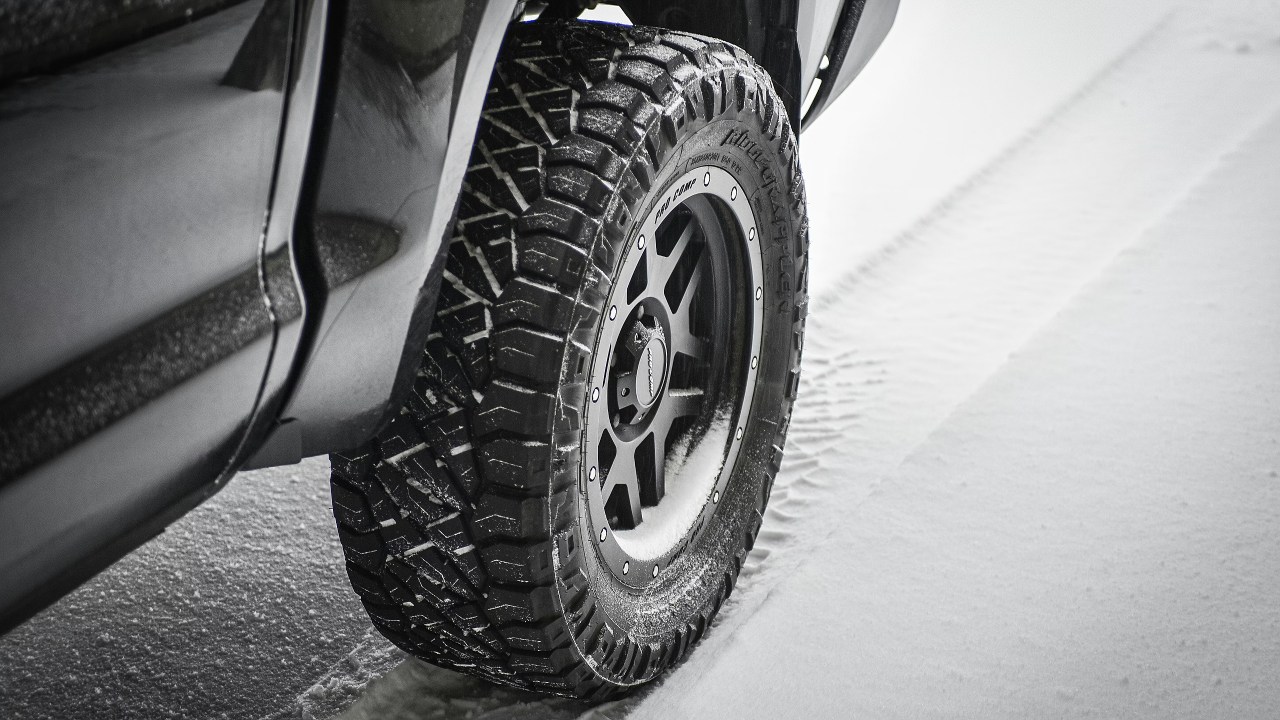
The most common reason a tire symbol appears on a frosty morning is simple physics. As air cools, the molecules inside each Tire slow down, take up less space, and the pressure inside the casing drops. Automotive and tire specialists note that pressure typically falls about 1 PSI for every 10 degrees of temperature drop, which means a swing from a mild afternoon to a freezing night can easily push a marginally inflated tire below the TPMS threshold.
That threshold is not arbitrary. Guidance for vehicles built after 2008 indicates that the warning lamp is calibrated to illuminate once pressure falls by a set percentage below the manufacturer’s recommendation, often around a quarter lower than the target. Because Tire Pressure in Cold Weather naturally declines as the thermometer falls, a car that was already a few PSI under spec on a warm day can cross that line overnight, triggering the light even though there is no puncture or leak.
The science behind “cold tire” warnings
The behavior of the indicator in winter is rooted in basic gas laws. When the air inside a tire is cooled, the molecules lose energy and move less vigorously, which reduces the force they exert on the inner walls. Meteorologists and automotive engineers alike describe the process in the same terms: if the air is cooled down, the molecules slow, occupy less volume, and the pressure drops. That is why a parked vehicle can wake up with a warning even though nothing has physically changed in the rubber or wheel overnight.
Public safety campaigns from state transportation agencies have tried to prepare drivers for this pattern, warning that when temperatures drop, the air pressure inside tires falls and a 1 to 2 PSI drop is common as seasons change. Social media advisories have echoed that a tire pressure light coming on in cold weather is usually because the air inside contracts and the pressure dips until the tires warm up on the road. In other words, the dashboard is not crying wolf, it is accurately reporting a temporary pressure loss caused by the environment.
When it is more than just the weather
Cold air may be the most frequent trigger, but it is not the only reason that TPMS Light Coming alerts appear. Technical guides on Key Reasons Why Your TPMS Light Is On stress that Low Tire Pressure from a slow leak, a damaged valve stem, or a puncture remains the primary concern. If the light comes on and stays on after the tires have been checked and adjusted to specification, the system is likely detecting a persistent deficit that is unrelated to the morning chill.
There are also cases where the warning points to the electronics rather than the air inside the tire. Industry bulletins on The TPMS explain that after the vehicle is started, the TPMS icon should illuminate briefly as a self‑check, then go out. If it remains lit despite proper inflation, or if the lamp behaves erratically, the system may be flagging a malfunction in its own components rather than a pressure problem.
How to read the different TPMS behaviors
The pattern of the light offers valuable diagnostic clues. If the symbol appears solid on a cold start and then disappears after a few miles, it is often a sign that the tires were slightly low and warmed back into the acceptable range as they rolled. Technical advice notes that the TPMS warning light illuminates when a tire is low and goes out after proper inflation, and the same principle applies when heat from driving restores pressure. In that scenario, topping up to the recommended PSI with a quality gauge is usually all that is required.
More complex behavior suggests deeper issues. Guidance from tire manufacturers explains that if the TPMS light flashes for approximately 60 to 90 seconds every time the car is started and then remains on, the system is indicating a fault in the monitoring hardware or software. Service manuals describe this as a sign that the control module is not receiving reliable data from one or more wheel sensors, and that professional diagnosis is needed to restore accurate readings.
Sensor failures, wiring issues and aging hardware
Behind the small dashboard icon sits a network of components that are just as vulnerable to age and cold as any other electronics. Technical FAQs on Why Is My TPMS Light On point out that Malfunctioning TPMS sensors are a frequent culprit, and that Most have a lifespan of 5 to 10 years, dictated by the life of the onboard battery sealed inside each unit. As those batteries weaken, especially in low temperatures, the sensors can drop offline intermittently, confusing the control module and triggering warnings even when pressures are correct.
Working technicians have described similar patterns in the field. A Former Toyota dealership technician, responding to questions about a low tire light that appears only during cold weather drops, noted that One or more sensors with marginal batteries can be pushed over the edge by the chill, leading to sporadic alerts. Other diagnostic guides warn that a Blinking TPMS indicator can also point to a Wiring Issue, such as a frayed or burned wire that prevents the system from receiving accurate data. While the low tire pressure symbol is meant to flag air loss, these electrical problems can mimic the same warning and require a different kind of repair.
More from Fast Lane Only