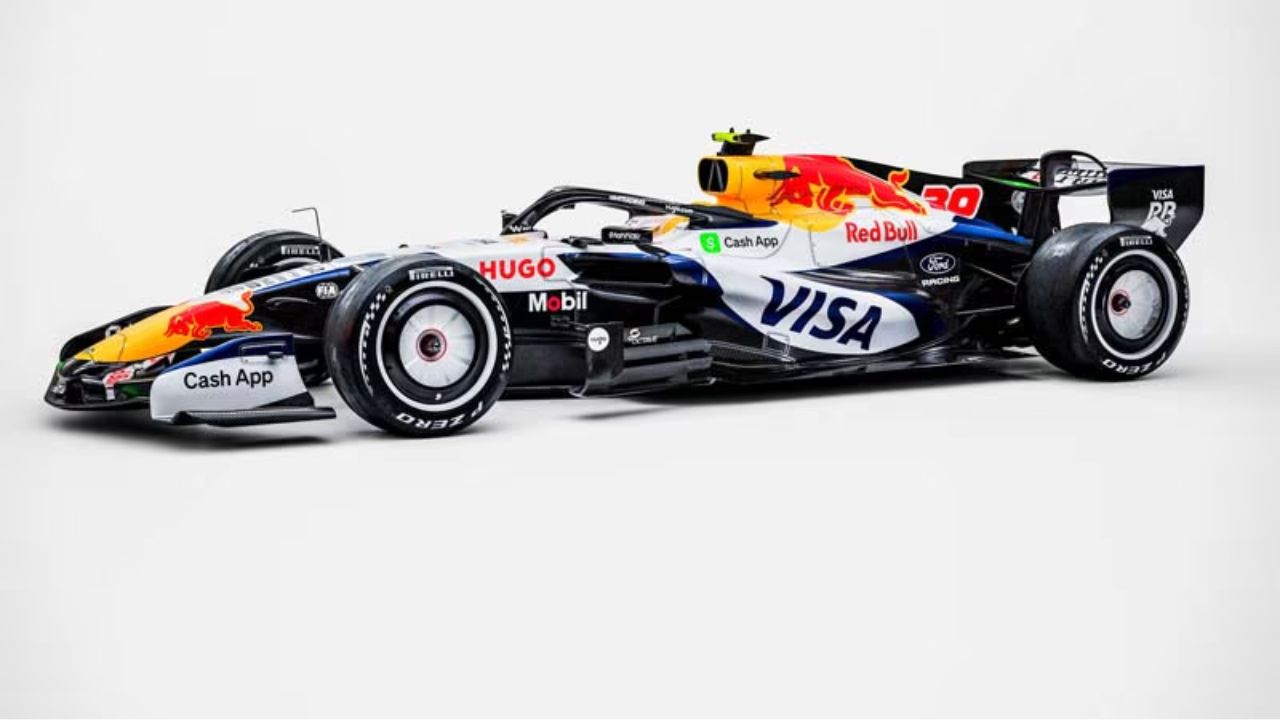
Ford’s decision to return to the top tier of single seater racing with Red Bull has been framed as a branding coup, a way to splash the blue oval across the fastest cars on the planet. The reality is more intricate. What is taking shape between Ford and Red Bull Powertrains is a deep technical alliance that reaches from virtual design studios in Michigan to the heart of Red Bull Racing’s future power units.
Rather than a simple badge on an engine cover, Ford is embedding its engineers, manufacturing tools, and long term product strategy into Red Bull’s Formula One program. The partnership is already reshaping how both sides think about powertrains, and it is poised to influence everything from Le Mans prototypes to the next generation of road going performance cars.
From branding play to shared power unit project
I see the turning point in this story in the way Ford chose to re enter Formula One. Instead of buying a team or reviving an old works program, the company aligned itself with Red Bull Powertrains, the in house engine arm created after Red Bull committed to build its own power units for the new regulations. Starting from 2023, Ford and Red Bull Powertrains began working together on the hybrid power unit that will debut under the 2026 rules, a project that immediately placed Ford inside the technical core of Red Bull’s future rather than on the periphery.
That decision matters because Red Bull Powertrains was established as a decisive commitment to independence, a way for Red Bull to control its own destiny after years of relying on external engine suppliers. By attaching itself to that effort, Ford accepted a role that is closer to co developer than simple sponsor. The power unit that will carry the Ford name is being shaped jointly, with Red Bull Powertrains providing the Formula One specific architecture and Ford contributing design, simulation, and manufacturing expertise that it has honed across its global engineering network.
Ford’s hardware is inside the Red Bull power unit
The clearest evidence that this alliance goes beyond logos is found in the physical hardware. Tapping its in house 3D printing expertise, Ford will supply 12 parts for each power unit, including critical components such as the turbocharger’s turbine housing. Those parts are not decorative. They sit at the heart of the combustion and energy recovery systems, where durability, thermal management, and efficiency can decide whether a car finishes a race or retires in a plume of smoke.
Ford engineers have described how they are already fabricating unique, highly complex components for the combustion engine, the charge air system, and the energy recovery systems before the physical hardware even exists in final form. That approach, which leans on advanced simulation and additive manufacturing, allows the company to iterate designs rapidly and feed them into Red Bull Powertrains’ development cycle. When there is no existing design for a particular part, Ford can start from a clean sheet, print prototypes, and refine them in parallel with Red Bull’s own testing programs.
Shared engineering culture, not just shared decals
What strikes me most in the reporting is how integrated the engineering cultures have become. Ford is contributing with manufacturing, including 3D printing, but the relationship is not limited to a supplier handing over finished parts. Engineers on both sides are working together on simulation models, materials choices, and production methods that can survive the brutal duty cycle of a Formula One season. When a new idea emerges, Ford can stand up a manufacturing process, validate it in its own facilities, and then feed that learning back into Red Bull Powertrains.
This collaboration is also reshaping Ford’s internal mindset. Executives have spoken about how they want the company to be a racer again at the highest end of motorsport, not leaving the fun to brands like Porsche. That ambition is being expressed in a distinctly Detroit way, with a focus on industrial capability as much as on glamour. By embedding its own people and tools inside Red Bull’s program, Ford is using Formula One as a laboratory for processes that can later filter into its broader performance portfolio, from enthusiast Mustangs to off road Broncos.
Ford’s racing heritage and the Le Mans connection
Ford’s return to Formula One with Red Bull Racing is not happening in isolation. It is part of a broader motorsport strategy that reaches back to the company’s storied history in global racing and forward to new projects that depend on the Red Bull alliance. The company has been explicit that its Return to Le Mans Runs Hinges on the Brand’s Red Bull Formula 1 Partnership, tying the technology and know how developed with Red Bull Powertrains directly to its endurance racing ambitions.
One concrete example is Ford’s plan to use a 5.4-l engine in its Le Mans program, a powerplant that will benefit from the same simulation tools, combustion insights, and hybrid integration lessons emerging from the Formula One project. The fact that Ford is linking its top level single seater effort to its endurance racing future underscores how central the Red Bull partnership has become. Rather than treating Formula One as a standalone marketing exercise, the company is building a cross program ecosystem in which advances in energy recovery, thermal management, and lightweight manufacturing can be shared across disciplines.
Road car technology and long term stakes
The alliance also has implications far beyond the racetrack. By investing in advanced 3D printing and complex component fabrication for the Red Bull power unit, Ford is effectively funding research that can later improve its road going hybrids and electric vehicles. The same techniques used to create intricate turbine housings and charge air components for Formula One can be adapted to mass production, where weight savings and efficiency gains translate directly into better fuel economy and performance for everyday drivers.
Ford’s leadership has framed this as a long term bet on technology and brand identity. Working with Red Bull at the highest level of motorsport allows the company to test ideas under extreme conditions, refine them quickly, and then decide which are mature enough to migrate into mainstream products. Instead of buying marketing exposure, Ford is buying a seat at the engineering table, with a direct line from Red Bull Powertrains’ dyno cells to its own product development centers. That is why, when I look at the Ford and Red Bull partnership, I see less of a sponsorship and more of a shared powertrain program that will shape both companies’ futures well beyond the 2026 Formula One grid.
More from Fast Lane Only