Muscle cars have long been a symbol of American automotive might, embodying raw power and fierce competition. Among the many rivalries that have fueled the muscle car era, some stand out for their intensity and enduring legacy. This exploration delves into the history and features of the most iconic muscle cars that never got along.
The Iconic Rivalry: Mustang vs. Camaro

The Ford Mustang and Chevrolet Camaro rivalry is one of the most celebrated in automotive history. The Mustang, introduced in 1964, was the first of its kind, quickly capturing the hearts of car enthusiasts with its sleek design and powerful engine options. In response, Chevrolet launched the Camaro in 1966, positioning it as a direct competitor to the Mustang. This rivalry was fueled by their similar price points and performance capabilities, creating a fierce competition from the start.
Over the decades, both models have evolved significantly, with each brand striving to outdo the other in terms of horsepower, speed, and design. The Mustang’s early lead was challenged by the Camaro’s aggressive styling and performance upgrades, such as the Z/28 package. This rivalry not only pushed both manufacturers to innovate but also captivated fans, creating a cultural phenomenon that has persisted for over half a century. The loyalty of each car’s fanbase remains strong, with debates over which is superior still raging today.
Challenger vs. Charger: A Sibling Showdown

Dodge’s Challenger and Charger models have a unique rivalry, born from their shared lineage within the same brand. While both cars are emblematic of muscle car prowess, they cater to slightly different audiences. The Charger, originally launched as a two-door fastback in 1966, was marketed as a high-performance vehicle with a touch of luxury. The Challenger, introduced in 1970, was designed to compete more directly with the Mustang and Camaro, emphasizing raw power and a more aggressive look.
The marketing strategies employed by Dodge highlighted the different demographics for each car. The Charger appealed to those looking for a more refined driving experience, while the Challenger targeted younger, more performance-oriented buyers. Despite their differences, both models have achieved significant success, carving out their own niches in the muscle car world. Their internal competition has only served to strengthen Dodge’s position in the automotive market, as each model continues to evolve and captivate new generations of drivers.
Pontiac GTO vs. Oldsmobile 442: The GM Clash

The Pontiac GTO and Oldsmobile 442 represent a classic rivalry within the General Motors family. The GTO, often credited as the first true muscle car, was introduced in 1964 and quickly set the standard for performance and style. Oldsmobile responded with the 442, a model that emphasized both power and handling, launching it as a high-performance option in 1964 as well. This rivalry was marked by their shared corporate parentage, which led to fierce competition for market share and consumer loyalty.
Throughout the 1960s and 1970s, both models achieved significant performance milestones, with the GTO’s Tri-Power engine option and the 442’s W-30 package standing out as highlights. However, the muscle car era began to decline in the mid-1970s due to changing regulations and fuel crises. Despite their eventual discontinuation, both the GTO and 442 left a lasting legacy on car culture, influencing modern muscle car design and inspiring a new generation of enthusiasts. Their impact is still felt today, as evidenced by the continued interest in classic car shows and restoration projects.
Underdogs of the Muscle Car World

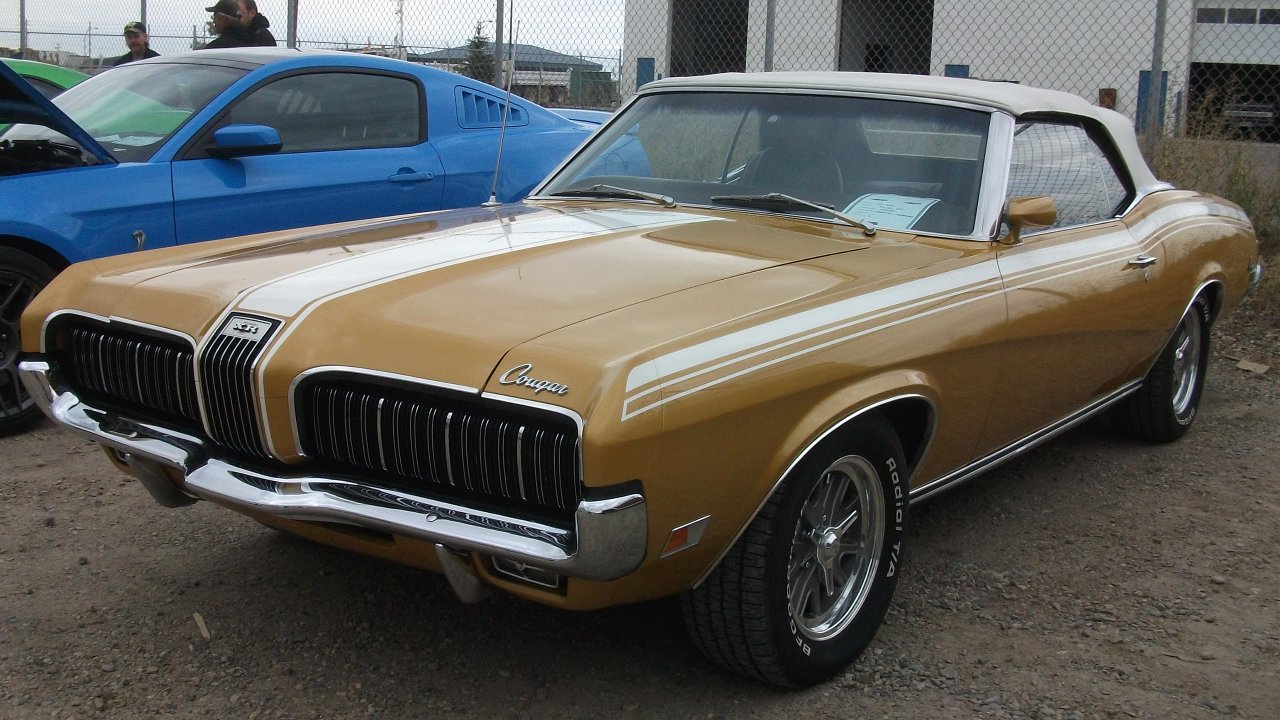
While the Mustang, Camaro, and other major players often dominate the conversation, several lesser-known muscle cars also made significant contributions to the genre. Cars like the AMC Javelin, Mercury Cougar, and Plymouth Barracuda offered unique alternatives to the mainstream models, often at competitive price points and with distinctive styling. These underdogs brought fresh perspectives to the muscle car scene, enriching its diversity and appeal.
Despite their capabilities, many of these models remained overshadowed by the giants of the industry. Factors such as limited production runs, smaller marketing budgets, and brand perception played a role in their relative obscurity. However, these cars have since gained recognition among enthusiasts who appreciate their unique qualities and historical significance. For those interested in exploring these underrated vehicles further, this article offers insights into why they deserve a place in the spotlight.
The Role of Media and Pop Culture in Muscle Car Rivalries

Media and pop culture have played an integral role in amplifying muscle car rivalries. Iconic movies like “Bullitt” and “Vanishing Point” featured thrilling car chases that showcased the performance capabilities of these vehicles, embedding them in the public’s imagination. Television shows and music also celebrated muscle cars, further cementing their status as symbols of freedom and rebellion.
The portrayal of muscle cars in media has significantly influenced public perception, often elevating certain models to legendary status. The Mustang’s appearance in “Bullitt” and the Challenger’s role in “Vanishing Point” are prime examples of how media exposure can enhance a car’s reputation. These moments in pop culture have become part of automotive history, solidifying the rivalries between various models. For a deeper understanding of the cultural impact of muscle cars, this study provides valuable insights.
The Future of Muscle Car Rivalries

As the automotive industry shifts towards sustainability, the future of muscle car rivalries is poised for transformation. Modern technology and environmental concerns are driving the development of electric and hybrid muscle vehicles, challenging traditional notions of what constitutes a muscle car. Manufacturers are now tasked with balancing performance with environmental responsibility, leading to innovations in engine technology and design.
The evolution of rivalries in this new era is evident as brands like Ford, Chevrolet, and Dodge adapt to changing consumer demands. Electric models such as the Ford Mustang Mach-E and the upcoming electric Camaro are reshaping the landscape, introducing new dimensions to the competition. As these technologies advance, the muscle car world may see a resurgence in interest and innovation. Predictions for the future suggest that while the nature of muscle car rivalries may change, their spirit and legacy will continue to thrive. For more on the evolution of muscle cars, this thesis offers an in-depth analysis.