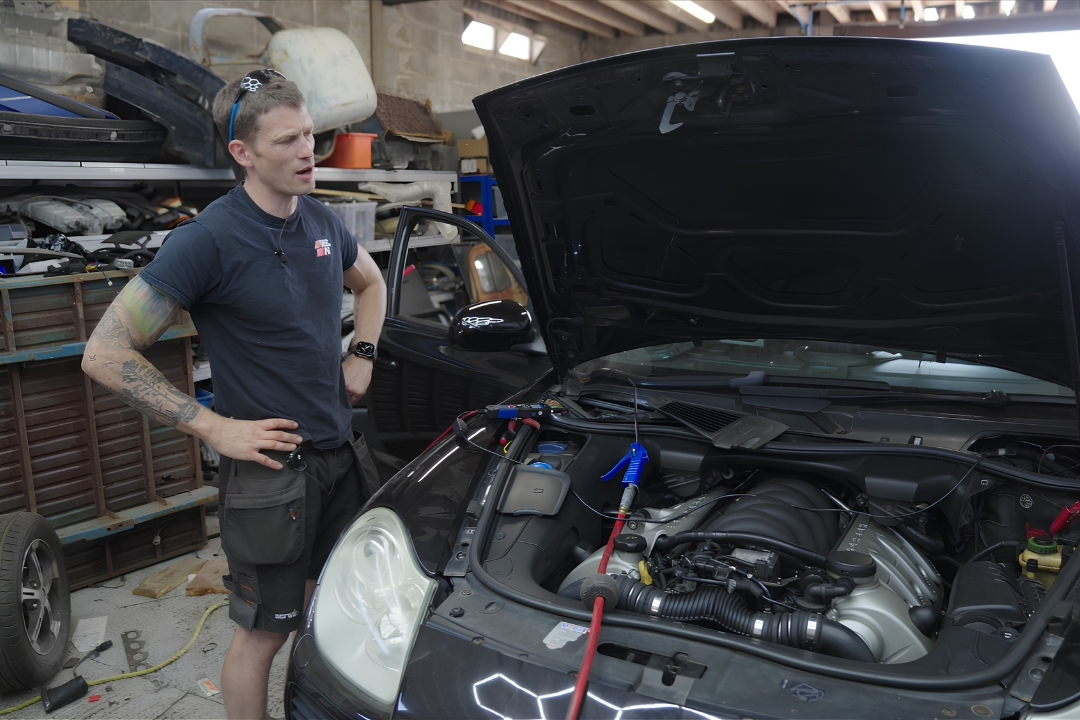
It started the way a lot of car trouble starts: a small sound that was easy to ignore. A faint grinding noise showed up during a commute, mostly at low speeds, and then faded into the background of podcasts, errands, and everyday life. For weeks, it was “probably just a brake thing” or “maybe a little pebble stuck somewhere.”
Then, in slow-moving traffic, the noise stopped being background. One wheel suddenly resisted, the car lurched, and the steering wheel tugged as if the road had grabbed it. In a moment that’s equal parts terrifying and confusing, the wheel locked up and the car had to be wrestled to a stop.
A Warning Sound That Kept Getting Louder
The grinding reportedly came and went, which is exactly what makes people second-guess it. Some days it was barely there, other days it sounded like metal brushing metal when turning into a parking spot. When a problem is inconsistent, it’s easy to blame weather, road grit, or “that one pothole” you hit last week.
But a repeating grind is rarely a harmless quirk. Cars don’t really do “cute little noises” for fun. They do them because parts are wearing, rubbing, overheating, or failing in slow motion.
The Moment the Wheel Locked Up
According to the account shared by a technician familiar with the incident, the wheel locked while the car was creeping along in traffic. That’s important, because at highway speed this kind of failure can turn into a serious crash. In this case, the driver felt the car pull hard to one side and had to brake and steer at the same time to get out of the flow of cars.
There’s a particular kind of panic that comes with a vehicle that suddenly won’t roll like it should. You’re not just stopping—you’re fighting friction you didn’t ask for. And you don’t get a helpful dashboard message that says, “Hey, your wheel is about to seize,” even though it sure would be nice.
What Actually Causes a Wheel to Lock Like That?
The most common culprit in situations like this is a failing wheel bearing. Wheel bearings are what let your wheels spin smoothly with minimal resistance. When they wear out, they can start as a low growl or grind and progress into heat buildup, wobble, and eventually a seizure where the wheel won’t rotate freely.
Another frequent cause is a stuck brake caliper, where the brake doesn’t fully release and keeps dragging on the rotor. That can sound like grinding too, especially if the brake pads are worn down to the metal backing plate. The scary part is that a dragging brake can get hot enough to warp parts, damage the brake hose, and in extreme cases contribute to a lock-up.
Less common, but still possible, are issues like debris jammed near the rotor shield, a failing CV joint (usually louder on turns), or severe rust buildup on brake components. The symptoms can overlap, which is why “it’s probably just my brakes” can be both true and dangerously incomplete. A brake problem can be annoying; a wheel bearing problem can change the way your car behaves in a split second.
The Clues Were There—They Usually Are
Grinding is a big one, obviously, but it’s rarely alone. Many drivers notice a hum that rises with speed, a vibration through the steering wheel, or a faint wobble that feels like a tire balance issue that never quite goes away. Sometimes there’s even a burning smell after a drive, especially if a brake is dragging.
If the noise changes when you turn—gets louder on a left curve and quieter on a right, or vice versa—that can point toward a wheel bearing. If the car feels like it’s resisting motion, or you see one wheel coated in unusually dark brake dust, that can hint at a sticking caliper. None of these clues require a mechanic’s degree; they just require noticing patterns.
Why It’s So Easy to Put Off
Life is busy, and car noises have a way of showing up at the worst time—right before a trip, right after rent is due, right when your schedule is packed. And because the car still moves, it feels like the problem is optional. People tell themselves they’ll “keep an eye on it,” which usually means hoping it goes away on its own.
There’s also the optimism trap: if the noise is intermittent, it’s tempting to believe it’s nothing. The car behaves normally for two days, and suddenly you’re convinced it healed. Unfortunately, mechanical wear doesn’t do spontaneous recovery, no matter how much you want it to.
What a Shop Typically Finds After a Lock-Up
When a wheel locks, technicians usually start by checking the wheel’s ability to rotate freely with the car lifted. They’ll look for play in the wheel bearing, listen for roughness, and inspect the brake hardware for uneven wear, glazing, or heat damage. Blue discoloration on rotors or a cooked smell is a big clue that something has been dragging and overheating.
If the wheel bearing is the issue, it’s often visibly worn, noisy when spun, or loose enough to feel movement at the wheel. If the brakes are the issue, the caliper slide pins may be seized, the piston may be sticking, or the brake hose may be failing internally and acting like a one-way valve. The repair can range from a straightforward bearing replacement to a more involved brake overhaul, depending on how long it was driven with the problem.
What Drivers Can Do When They Hear Grinding
If you hear grinding that’s new, persistent, or getting worse, treat it like a “schedule this now” problem, not a “sometime next month” problem. Try to notice when it happens: only when braking, only when turning, only at low speed, or all the time. Those details help a shop diagnose faster and can save you money.
If the car starts pulling, vibrating heavily, or smelling like burning, it’s time to stop driving it unless you’re heading straight to a safe place or a repair shop nearby. Continuing to drive on a failing bearing or dragging brake can turn a repair into a tow, and a tow into an accident. The goal isn’t to panic—it’s to avoid letting friction and heat make decisions for you.
A Small Noise That Turned Into a Big Lesson
What’s striking about this incident isn’t that a part failed. Parts wear out; that’s normal. It’s how politely the car tried to warn about it first, and how long the warning stayed in the “annoying but manageable” category before it crossed into “unsafe in traffic.”
The good news is that grinding noises are one of the more honest symptoms a car can give you. They don’t require guessing what a dashboard light means or interpreting a vague error code. If it sounds like metal is unhappy, it probably is—and it’s worth getting it checked while the fix is still simple and the wheel still spins when it’s supposed to.
More from Fast Lane Only
- Unboxing the WWII Jeep in a Crate
- 15 rare Chevys collectors are quietly buying
- 10 underrated V8s still worth hunting down
- Police notice this before you even roll window down
*Research for this article included AI assistance, with all final content reviewed by human editors.