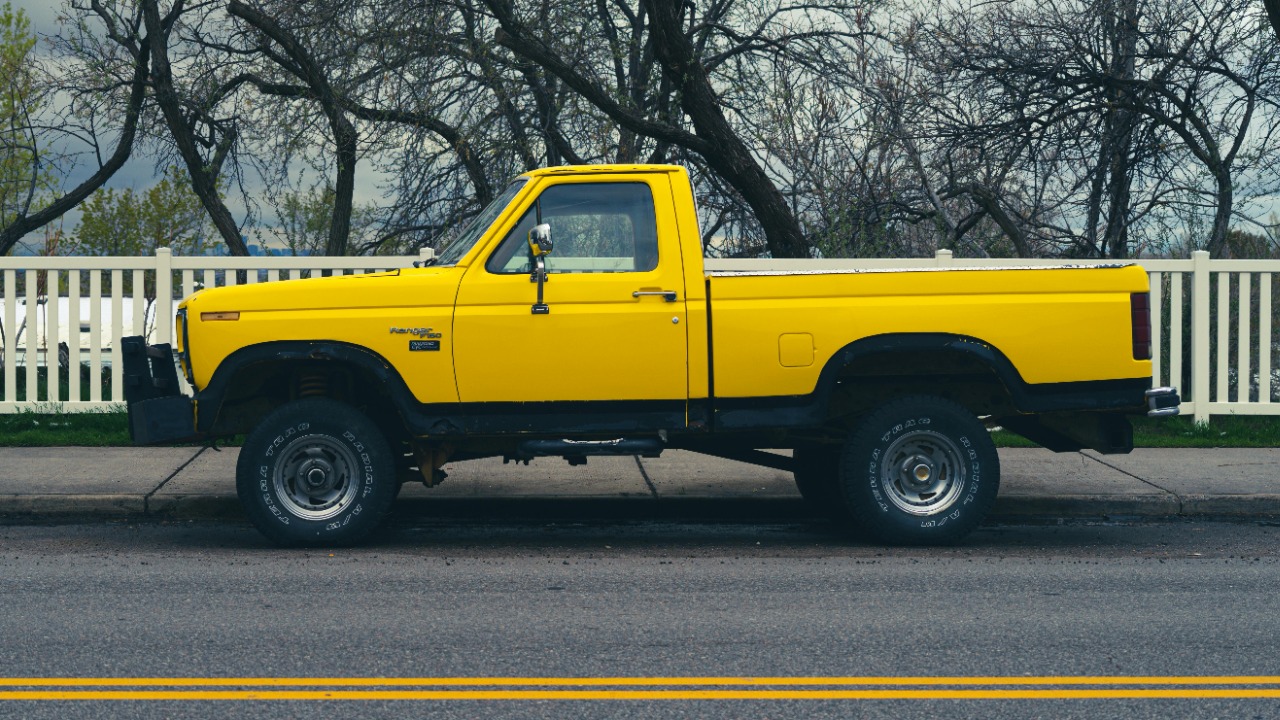
He’d barely had time to enjoy the fresh stance. The truck had just come out of the shop with a new lift, the kind that makes you walk an extra slow lap around the parking lot before climbing in. But a few miles later—before the on-ramp and definitely before highway speed—something under the truck let go, loud enough to turn heads and heavy enough to make the steering wheel feel instantly wrong.
What failed was the driveshaft, and it didn’t do it politely. Instead of a gentle vibration or a warning squeak, it broke in a way that forced an immediate pull-over. The customer called back, confused and frustrated, because the whole point of paying a professional shop is to avoid exactly this kind of surprise.
A Lift Can Change More Than the Look
Most people think of a lift as “new springs, bigger tires, better clearance,” and they’re not wrong. But lifting a truck also changes driveline angles—especially the relationship between the transfer case or transmission and the rear differential. That angle is the whole story when it comes to u-joints, slip yokes, carrier bearings, and the driveshaft’s overall operating range.
If those angles move outside what the joints can comfortably handle, you don’t just get extra wear over time. Sometimes you get an immediate problem, like binding at full droop, sudden vibration, or a slip yoke that’s barely engaged. And if it’s already marginal before the lift, the added change can push it from “fine yesterday” to “nope” today.
What “Driveshaft Failed” Usually Means in Real Life
When a driveshaft fails right after suspension work, people picture the whole shaft snapping in half like a cartoon. That can happen, but more often it’s one of the supporting pieces that gives up first. A u-joint cap can walk out, a joint can bind and grenade, or a slip joint can overextend and separate when the suspension unloads over a dip.
Another common culprit is a center support bearing on a two-piece driveshaft, especially on longer wheelbase trucks. Change the ride height and the bearing’s position and angle can shift, which changes how the two shaft sections line up. If the bearing’s already tired, that new geometry can be the last straw.
The Timeline Matters: “Before He Hit the Highway”
The fact that it happened almost immediately is a clue. Problems that show up within the first few miles often point to something that was assembled incorrectly, not just “wear and tear” finally catching up. That could be loose hardware, missing bolts, a driveshaft installed out of phase, or a component that wasn’t fully seated.
It can also be a situation where the lift was installed correctly but the truck needed additional supporting parts to make the new geometry safe. That’s where things get tricky, because some lift kits are sold like they’re one-size-fits-all. In reality, different cab configurations, drivetrains, and even factory options can change what’s required.
How Lift Geometry Can Put a Driveshaft in a Bad Mood
Driveshafts like consistent angles. If the pinion angle and the transmission/transfer case output angle aren’t aligned within spec, the u-joints speed up and slow down slightly each revolution, which creates vibration. Vibration isn’t just annoying—it’s a stress multiplier that can chew through joints fast.
Then there’s suspension travel. A lift can increase droop, and if the driveshaft’s slip travel isn’t long enough, it can pull apart when the axle drops. On the flip side, if the slip yoke compresses too far at ride height, it can bottom out over bumps and shove force into the transfer case output—also not a great plan.
Was It the Shop’s Fault? Sometimes. But Not Always.
If a part wasn’t tightened, wasn’t reinstalled, or was installed incorrectly, that’s on the installer. A driveshaft coming loose because the flange bolts weren’t torqued properly is a preventable mistake, full stop. The same goes for leaving out a strap, not marking and maintaining orientation, or ignoring obvious u-joint play during reassembly.
But there’s another scenario that’s surprisingly common: the truck had a worn u-joint or marginal slip yoke engagement, and the lift simply exposed it immediately. That doesn’t automatically let anyone off the hook, though. A good shop usually does a quick driveline sanity check and gives a heads-up if something looks ready to retire.
What a Careful Post-Lift Check Should Look Like
After a lift, a tech should be thinking about more than alignment and steering wheel centering. They should check driveshaft angles, verify slip yoke engagement, and look for binding through suspension travel if possible. Even a basic inspection—u-joint play, torn seals, rust powder around caps, loose straps—can catch a lot.
On some setups, the right fix is a pinion shim, a carrier bearing drop, an adjustable control arm, or a transfer case drop. On others, it’s a new or modified driveshaft designed for the lift height, sometimes with a different joint style. None of that is glamorous, but it’s what keeps a lifted truck from trying to shake itself apart.
The Scary Part: Driveshaft Failures Can Get Expensive Fast
A failed driveshaft isn’t just “tow it home and replace a part.” If it whips around underneath the truck, it can damage exhaust, brake lines, wiring, the fuel tank, and even the transmission or transfer case housing. In the worst cases, it can dig into the pavement and pole-vault the vehicle, which is the kind of mechanical drama nobody needs on a random Tuesday.
That’s why the immediate shutdown was the right move. If you hear a bang and suddenly feel vibration, clunking, or scraping, staying in the throttle to “see if it clears up” is how a medium repair becomes a very large one. Coasting to safety and calling for a tow is boring, and boring is good.
If This Happens to You, Here’s the Smart Play
First, don’t drive it. Even if it “sort of” moves, a damaged u-joint or partially separated slip joint can fail completely without warning. Get it towed back to the installer or to a driveline shop that can inspect it properly.
Second, document what you can while it’s fresh: where it happened, what you heard, and what you see under the truck (without crawling under an unsafe vehicle). If the shop recently did work, ask for a clear explanation of what failed and why, and request that they show you the parts. A reputable shop won’t mind walking you through it.
What Shops and Customers Both Learn the Hard Way
Lifts are never just cosmetic. Even modest height changes can require supporting parts to keep the driveline happy, and skipping them is a gamble with very predictable odds. If a shop sells the lift, installs it, and sends the truck out without verifying driveline behavior, they’re leaving a big question mark under the vehicle.
From the customer side, it’s worth asking one extra question before approving the work: “Will this lift need driveline modifications or a different driveshaft?” If the answer is “maybe,” that’s not a red flag by itself—it’s an invitation to get specifics in writing. Because the only thing worse than paying for a lift once is paying for the lift, the tow, and the driveshaft right after.
More from Fast Lane Only
- Unboxing the WWII Jeep in a Crate
- 15 rare Chevys collectors are quietly buying
- 10 underrated V8s still worth hunting down
- Police notice this before you even roll window down
*Research for this article included AI assistance, with all final content reviewed by human editors.