It was supposed to be one of those boring, responsible errands: new brakes, peace of mind, and a safer car for a new-ish driver. Instead, the first stoplight after leaving the shop turned into a heart-stopping moment when the brake pedal sank straight to the floor. The car still stopped—barely—but the “fixed” brakes felt like they’d vanished.
That single moment has now sparked a wave of questions about what happened in the bay, what should’ve been checked before the keys were handed back, and how drivers can protect themselves when a repair doesn’t just fail—it fails immediately.
A routine brake job that didn’t stay routine
The appointment started normally. A parent had brought in a car that their daughter drove daily, asking the shop to replace worn brakes and make sure everything was safe. They were told it was a straightforward job: new pads, possibly rotors depending on wear, and the usual inspection.
When they picked the car up, it sounded like a win. The invoice looked like any other brake service receipt, and the shop said it was ready to go. Nothing in that moment suggested the next traffic light would feel like a trapdoor opening under the driver’s foot.
The moment the pedal hit the floor
It happened within minutes. Approaching the first light, the driver pressed the brake pedal and felt it drop farther than expected—then farther—until it nearly bottomed out. The car slowed, but not with the confident bite people expect after a brake job.
Anyone who’s felt a “soft” pedal knows the instant panic: your brain is doing math you didn’t ask for. How much room do I have? Is there someone in front of me? Do I pump the brakes? The driver managed to stop safely, but it was close enough to feel wrong in your bones.
What a “pedal to the floor” can mean
Brake pedals don’t usually go to the floor for no reason. In many cases, it points to hydraulic trouble—air in the brake lines, a fluid leak, or an issue with the master cylinder. Sometimes it’s as simple as the system needing to be bled correctly, and sometimes it’s a warning that fluid is escaping somewhere it absolutely shouldn’t.
There’s also a less scary—but still real—possibility: if new pads and rotors were installed, the first few presses of the pedal can feel low if the caliper pistons were pushed back and the pedal wasn’t pumped up before driving. Shops typically do this automatically before moving the vehicle, and they should confirm pedal feel during a test drive. If that step was missed, the first stop can be a nasty surprise.
The shop’s responsibility: more than just swapping parts
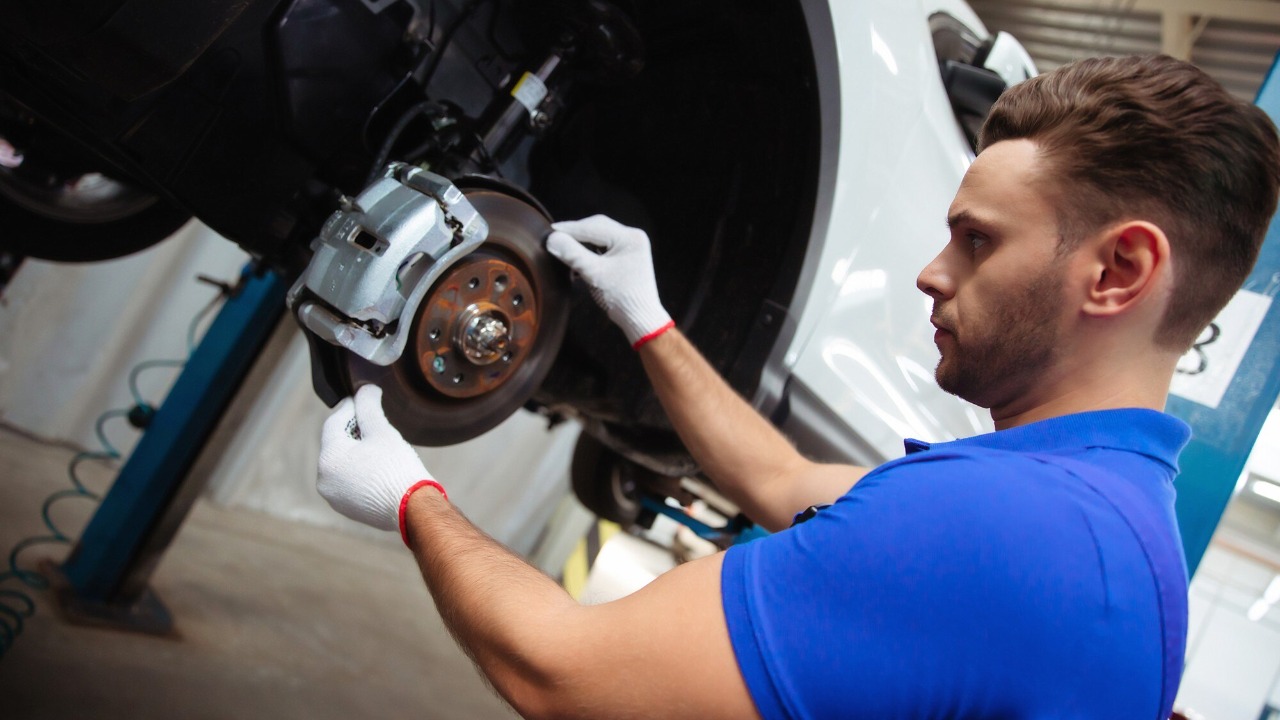
Replacing brakes isn’t only about bolting on new components. A proper brake service includes checking fluid level, inspecting for leaks, ensuring calipers and slide pins move freely, torquing wheels correctly, and confirming the pedal is firm. Most importantly, it means verifying the car stops normally before it’s returned to the customer.
That last part matters because modern brake systems are interconnected and fussy. One small mistake—an improperly seated brake hose, a loose bleeder screw, a damaged line, a caliper installed wrong-side-up (yes, it happens), or even contaminated fluid—can turn “new brakes” into “no brakes” fast.
What could’ve gone wrong in the bay
Mechanics familiar with brake work say an immediate low pedal after service often comes down to a short list. Air in the lines from incomplete bleeding is a big one, especially if a caliper was replaced or a line was opened. Another common culprit is a fluid leak that starts as a drip and quickly becomes a problem when pressure builds.
There are also the small-but-deadly details: a brake hose twisted during installation, a bleeder screw not tightened, or a caliper piston not seated properly. And then there’s human error—rushing, skipping a final pedal check, or assuming someone else already did the test drive. Most shops have procedures to prevent exactly this, which is why a first-light failure raises eyebrows.
What the family did next
After the scare, they turned around rather than pushing their luck on the road. The car went back to the shop with a clear message: the pedal dropped to the floor immediately after pickup, and the vehicle didn’t feel safe. At that point, it’s not about blame in the moment—it’s about getting the car off the street and into a bay.
They also documented what happened: when it occurred, how far from the shop, and what the pedal felt like. That kind of timeline can be surprisingly helpful if the conversation later turns into “It wasn’t like that when it left here.”
What to do if your brakes feel wrong right after service
If you press the brake pedal and it feels spongy, sinks, or requires pumping, treat it like an emergency. Don’t keep driving to “see if it gets better,” because if the issue is a leak, it can get worse with every press. Pull over somewhere safe, put the car in park, and call the shop or roadside assistance.
If you’re able to check safely, look under the car for fresh fluid near the wheels. Brake fluid can look clear to amber and feels slick—nothing like water—and it has a sharp, chemical smell. If you see an active leak, don’t drive the vehicle at all.
Simple questions to ask the shop (that actually get answers)
When a repair fails immediately, it helps to ask specific questions rather than broad ones. Ask whether the system was bled, and if so, which wheels were bled and what method was used. Ask whether the shop performed a road test, and if the technician confirmed a firm pedal before and after moving the car.
You can also ask for the old parts back if you didn’t already—pads, rotors, anything replaced—because it encourages transparency. And it’s fair to request a written explanation of what they found on reinspection, especially if the initial invoice said the car was “ready.”
Why this story hits a nerve
Brake repairs sit in a special category: they’re not cosmetic, and they’re not “nice to have.” They’re the one system everyone assumes will work without negotiation, which is why a pedal-to-the-floor moment feels like a personal betrayal. You didn’t just pay for parts—you paid for trust.
It also taps into a very real fear parents have when their kids start driving: you can teach good habits, but you can’t personally inspect every bolt on the car. So when a professional service goes sideways, it doesn’t feel like a minor inconvenience. It feels like the ground shifting under your feet.
A calm reminder: most brake jobs are fine, but checks matter
It’s worth saying: countless brake services happen every day without drama, and good shops take pride in doing them right. But this kind of incident is a reminder that “new” doesn’t automatically mean “safe,” especially if the final checks are rushed. A five-minute verification—firm pedal, no leaks, proper torque, quick test drive—can prevent a terrifying first stop.
For this family, the goal is simple: get the car truly safe and make sure the same thing doesn’t happen to someone else at the next red light. And for everyone reading, it’s a nudge to trust your instincts—because if your brakes feel wrong, they are wrong until proven otherwise.
More from Fast Lane Only
- Unboxing the WWII Jeep in a Crate
- 15 rare Chevys collectors are quietly buying
- 10 underrated V8s still worth hunting down
- Police notice this before you even roll window down
*Research for this article included AI assistance, with all final content reviewed by human editors.