During the 1950s, the De Havilland Vampire jets captured aviation enthusiasts’ attention with their unique design and versatility. These jets were among the first to be powered by jet engines, marking a significant evolution in military aviation. Explore these striking variants of the De Havilland Vampire that defined an era.
Vampire F.1
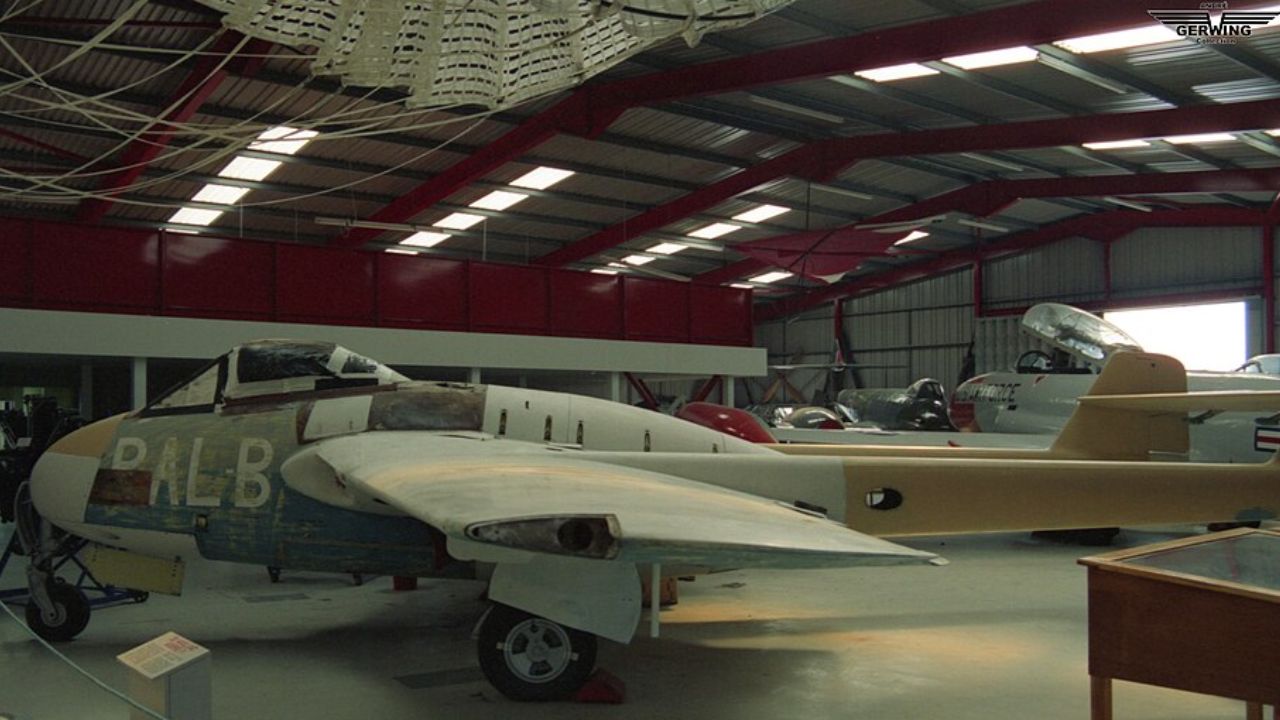
The Vampire F.1 was the first jet fighter commissioned by the Royal Air Force (RAF) after World War II. It featured a distinctive twin-boom tail design, which set it apart from other aircraft of its time. The F.1 was powered by a single de Havilland Goblin engine, which allowed it to reach speeds of up to 548 mph. Its development marked a significant leap in aviation technology, transitioning from piston engines to the new jet-age era.
Vampire FB.5

The Vampire FB.5 was a fighter-bomber variant that provided enhanced ground attack capabilities. It retained the twin-boom design and was equipped with underwing hardpoints, allowing it to carry bombs and rockets. The FB.5 was an integral part of the RAF’s ground-attack force and was exported to several countries. Its versatility and reliability made it a popular choice among pilots during its service period.
Vampire NF.10
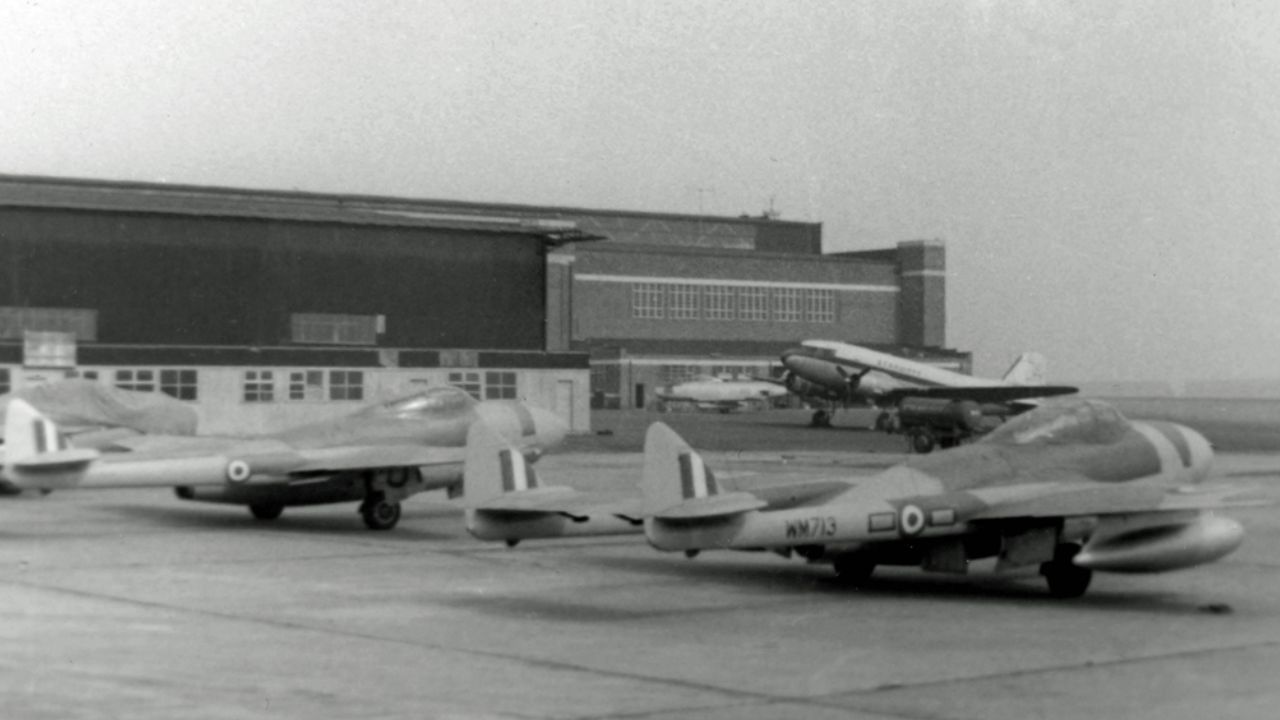
Designed as a night fighter, the Vampire NF.10 featured advanced radar equipment for nocturnal operations. This variant was equipped with a larger nose to house the radar system, enabling it to detect enemy aircraft in low visibility conditions. The NF.10 was instrumental in bolstering the RAF’s night-time defense capabilities during the early Cold War period, providing a strategic advantage in air defense.
Vampire T.11

The Vampire T.11 was developed as a two-seat trainer aircraft, bridging the gap between basic training aircraft and frontline fighters. It allowed pilots to train on a jet-powered aircraft, which was essential in the transition to jet-age combat. The T.11 was widely used by both the RAF and various other air forces worldwide, contributing significantly to pilot training programs during its operational years.
Vampire FB.9
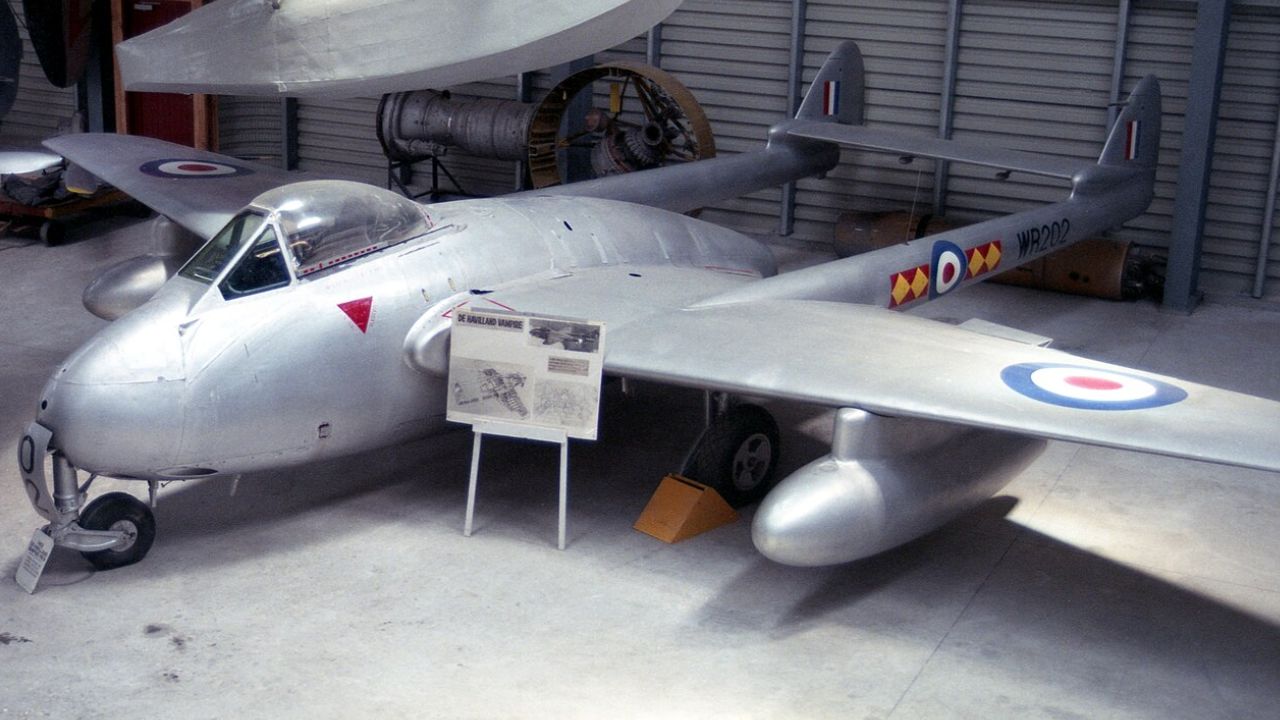
The Vampire FB.9 was a tropicalized version of the FB.5, designed for use in hotter climates. It incorporated modifications such as a tropical filter and improved cooling systems to enhance performance in challenging environments. This variant saw extensive service in the Middle East and Southeast Asia, where it proved to be a reliable platform for ground-attack missions. Its adaptability made it a valuable asset to the air forces of several nations.
Vampire F.3
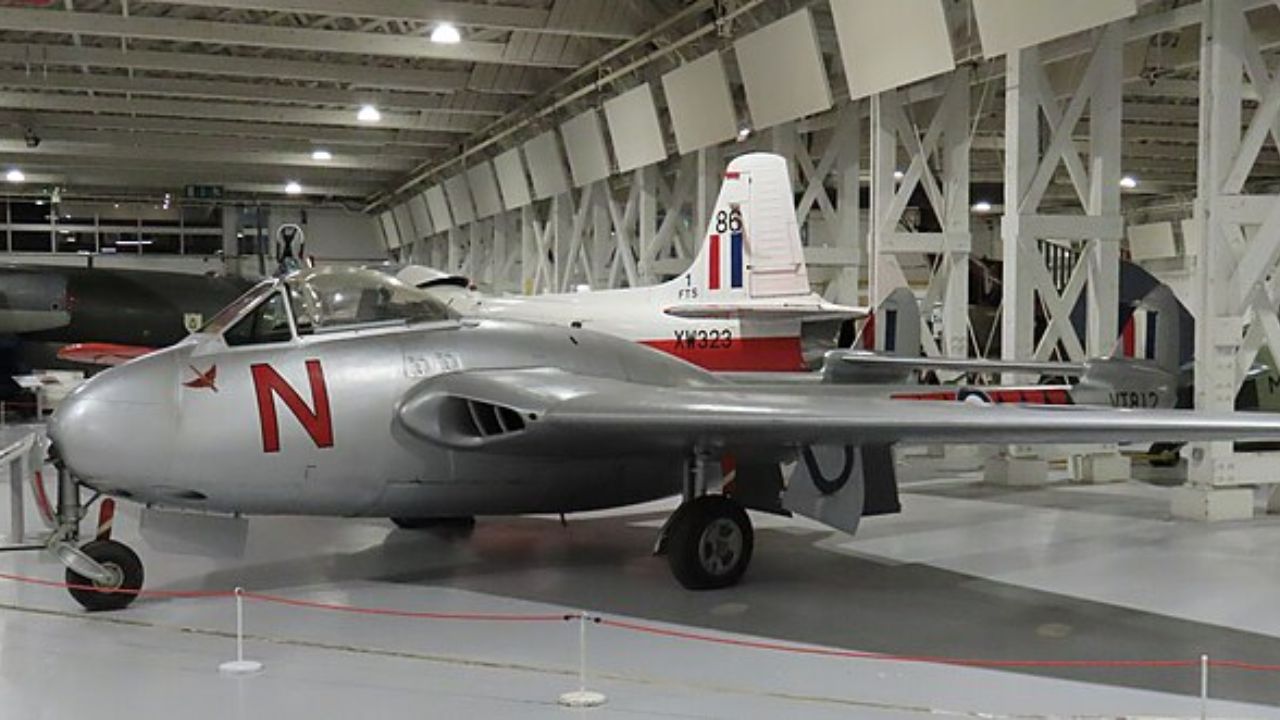
The Vampire F.3 was an upgraded version of the F.1, featuring increased fuel capacity and improved range. It also boasted enhanced performance with a more powerful Goblin 2 engine. The F.3 was primarily used for air defense and interception roles, providing a faster and more efficient response to potential threats. Its extended range made it suitable for operations over larger areas, a valuable feature for the RAF during its service.
Vampire FB.52
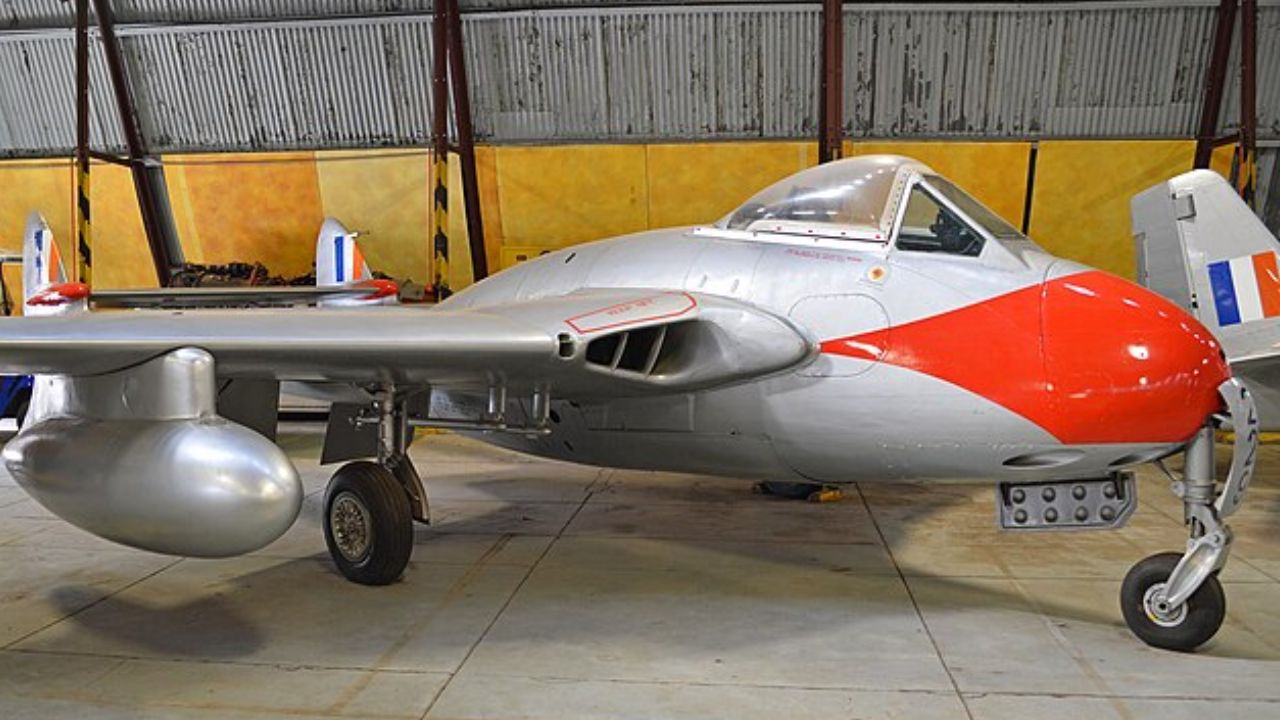
The Vampire FB.52 was an export variant based on the FB.5, tailored to meet the needs of international customers. It was widely exported and used by numerous air forces around the world. The FB.52 maintained the same core features as its predecessor, offering versatility in both fighter and ground-attack roles. Its widespread adoption underscores the Vampire’s reputation as a reliable and effective combat aircraft.
Like Fast Lane Only’s content? Be sure to follow us.
Here’s more from us:
*Created with AI assistance and editor review.