The era of big-block engines was a golden age for muscle cars, defined by raw power and groundbreaking performance. These iconic machines not only dominated racetracks but also shattered records, leaving a lasting legacy on the automotive world.
The Rise of Big-Block Engines
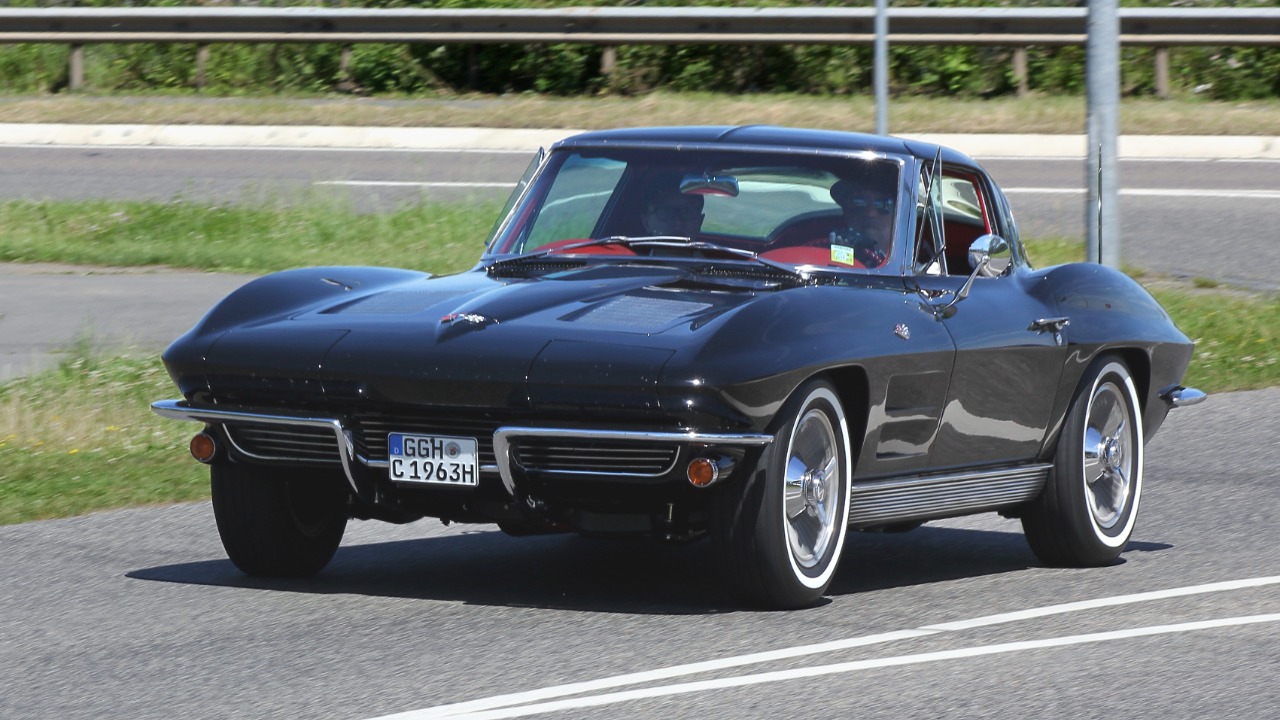
Big-block engines emerged in the 1960s and 1970s, marking a pivotal shift in the automotive industry. As automakers sought to outdo each other, they turned to larger displacement engines to deliver the power and speed consumers craved. The introduction of these engines coincided with a growing cultural fascination with cars that could achieve unparalleled performance on both the street and the track. At the heart of these engineering marvels was the ability to generate immense horsepower and torque. Innovations such as improved cylinder heads, high-performance camshafts, and advanced fuel delivery systems allowed these massive engines to push the boundaries of what was possible in a production car. This period saw the birth of legendary engines like the Chevrolet 427 and the Chrysler 426 Hemi, which became the benchmarks for performance.
Record-Breaking Legends
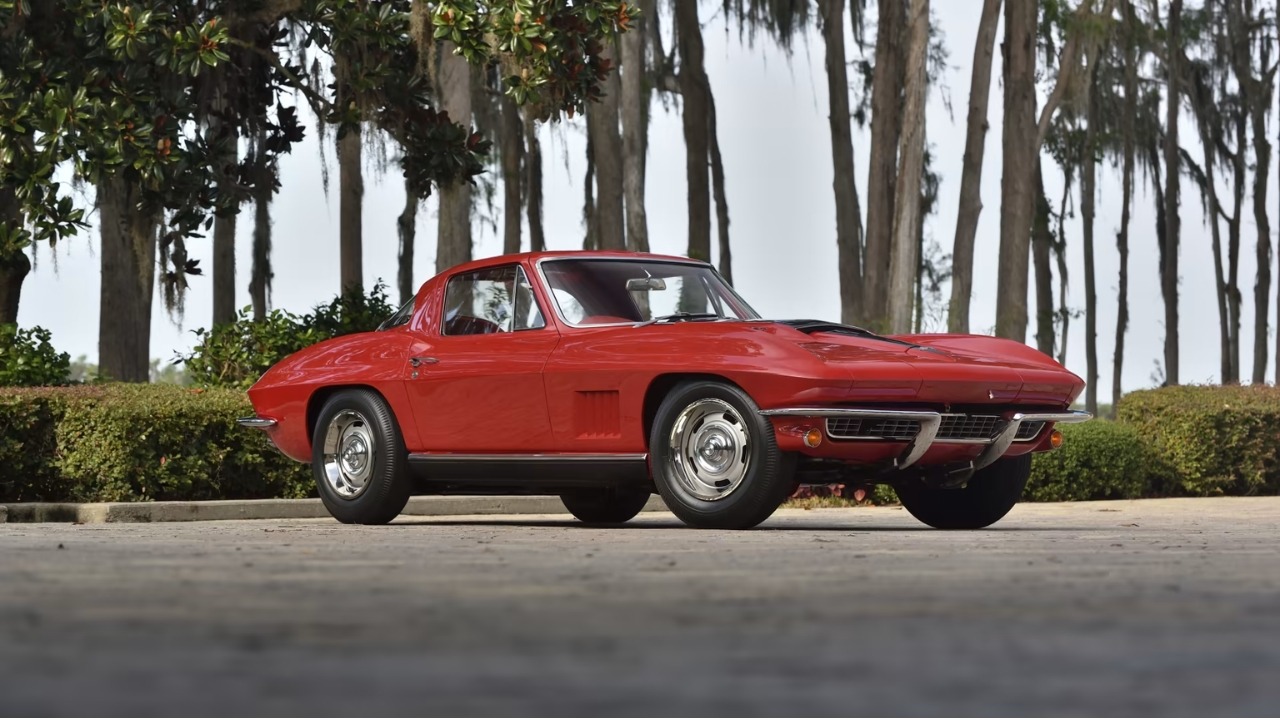
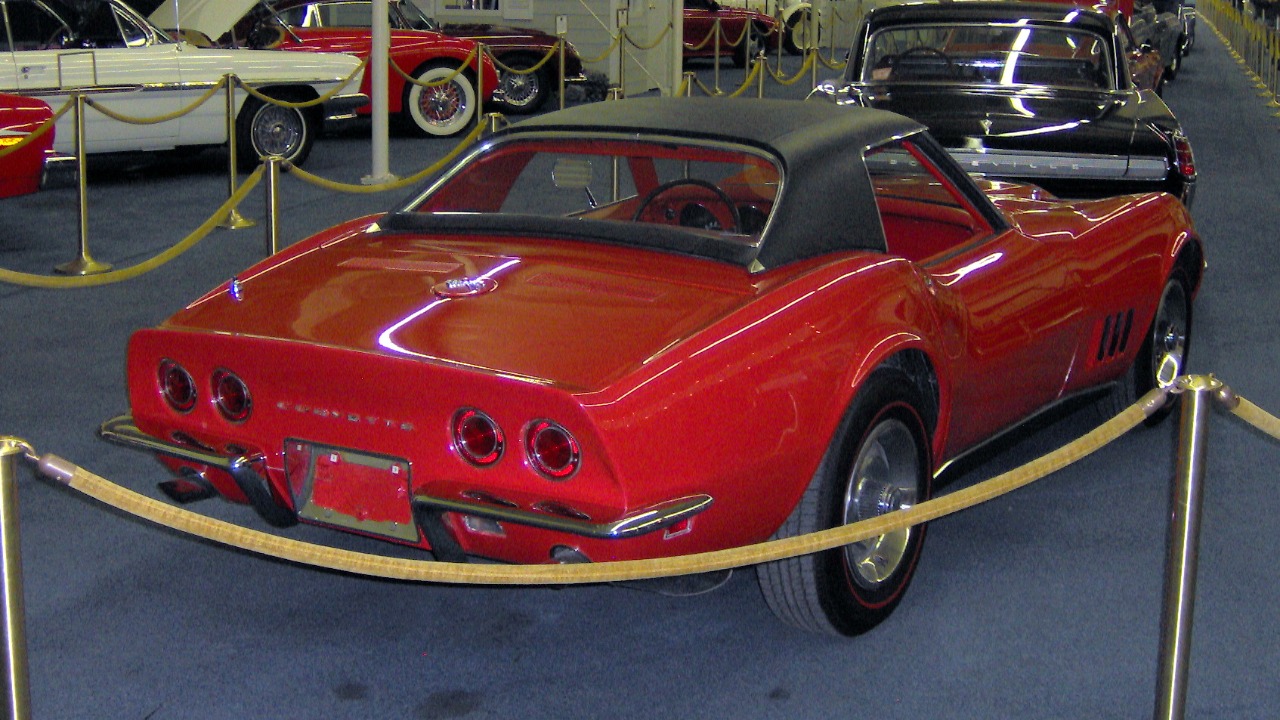
The Chevrolet Corvette L88 is a prime example of how big-block engines defined an era of speed and performance. Introduced in the late 1960s, the L88 quickly made a name for itself on racetracks across America. With its formidable 427 cubic inch engine, the L88 was capable of producing well over 500 horsepower, despite being officially rated lower to comply with insurance regulations. This model became a fixture in racing circuits, setting records that underscored its reputation as one of the fastest cars of its time. Another standout was the Plymouth Hemi ‘Cuda, which etched its place in history through its dominance in drag racing. Equipped with the powerful 426 Hemi engine, the ‘Cuda became a favorite among racers and enthusiasts alike. Its performance on the drag strip was unparalleled, and it played a significant role in solidifying the Hemi engine’s legendary status. The ‘Cuda’s influence extended beyond racing, as it became a cultural icon that represented the spirit of the muscle car movement.
The Technology Behind the Power
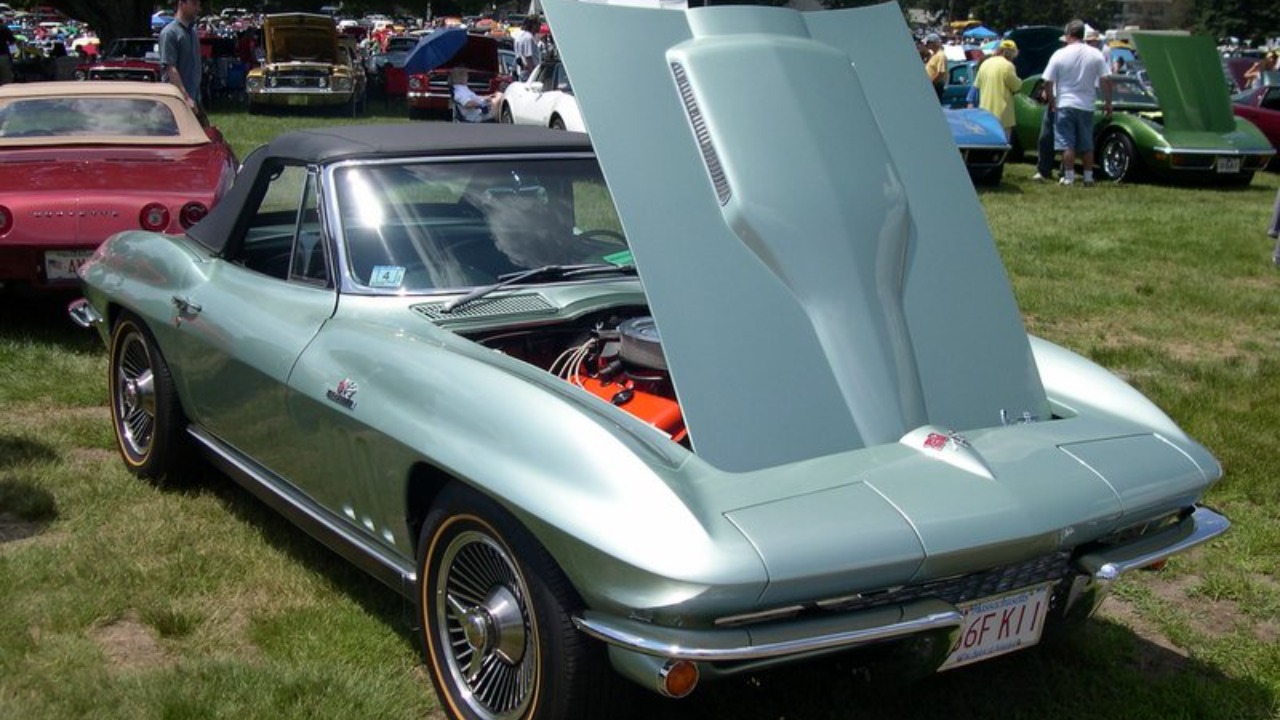
Technological advancements in engine design were critical to the success of big-block engines. Engineers focused on optimizing airflow, combustion efficiency, and heat management to extract maximum performance. The development of higher compression ratios and the use of lightweight materials contributed to the engines’ ability to deliver exceptional power output, pushing the limits of what was achievable in a production vehicle. Aerodynamics and weight distribution also played crucial roles in enhancing the performance of muscle cars equipped with big-block engines. Designers began to incorporate features that reduced drag and improved stability at high speeds. This included reshaping body panels and optimizing the placement of key components to ensure better weight distribution. Such innovations not only improved performance but also set new standards for vehicle design.
Cultural Impact and Legacy
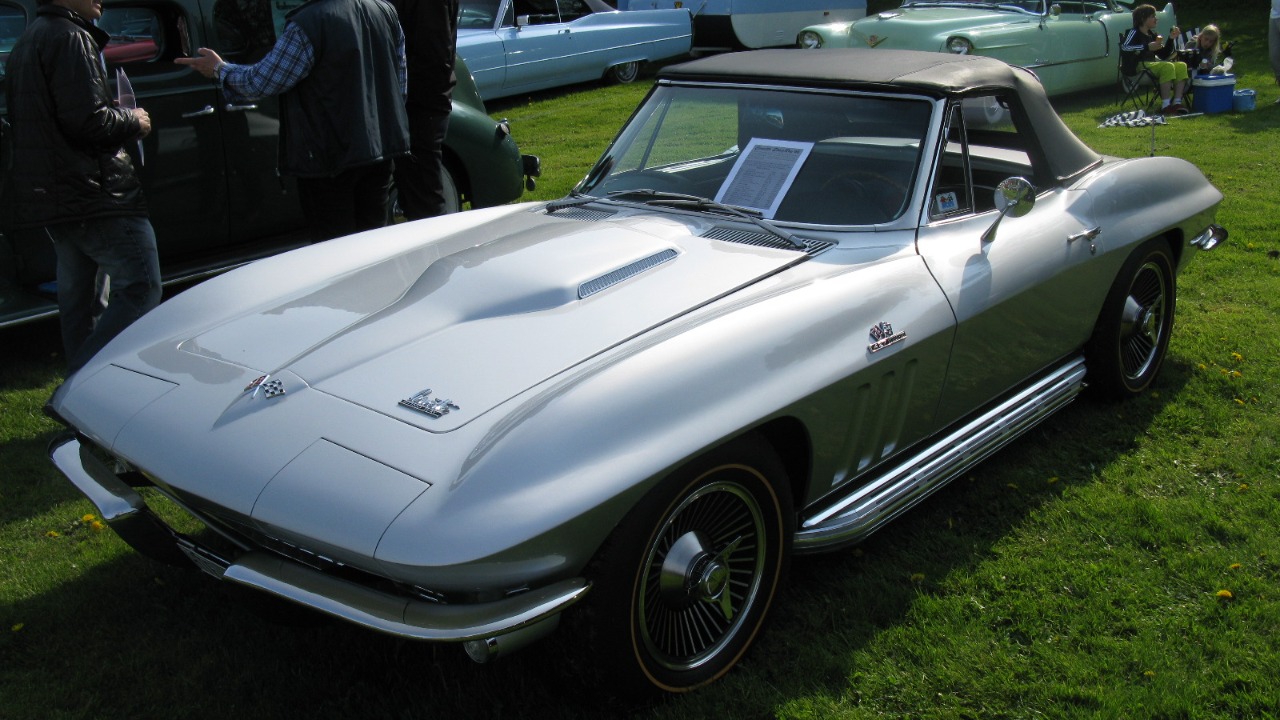
Big-block muscle cars left a profound impact on car enthusiasts, sparking a passion for high-performance vehicles that endures to this day. These cars represented more than just speed; they embodied a sense of freedom and rebellion that resonated with a generation seeking excitement and individuality. The roar of a big-block engine became synonymous with American automotive culture, inspiring countless enthusiasts to pursue their own high-performance dreams. The influence of big-block muscle cars extended into pop culture, where they became fixtures in films, television, and music. Iconic movies like “Bullitt” and “Vanishing Point” showcased the raw power and allure of these machines, cementing their status as cultural icons. Their presence in media helped to perpetuate the mystique of big-block engines, ensuring that their legacy would endure long after their production ceased.
Modern Interpretations
In recent years, contemporary automakers have drawn inspiration from the big-block era to design modern muscle cars that pay homage to their predecessors. While today’s engines are often smaller in displacement, advancements in technology have allowed them to deliver comparable or even superior performance. Features such as turbocharging, direct fuel injection, and advanced computer controls have enabled modern cars to achieve impressive power figures while maintaining efficiency and reliability. The collector’s market for classic big-block muscle cars remains robust, with enthusiasts willing to pay a premium for well-preserved examples. These cars are seen not only as symbols of a bygone era but also as valuable investment pieces. Auctions routinely see record prices for models like the Chevrolet Corvette L88 and Plymouth Hemi ‘Cuda, underscoring their enduring appeal. As automotive icons, these big-block muscle cars continue to captivate collectors and enthusiasts alike.