In the 1960s, some of the quickest American cars did not come straight from a factory. A dealer-built supercar started as a showroom car, and then a dealership’s own speed shop put in a bigger engine or a hotter tune. These eight dealers, from Michigan to Los Angeles, did it well enough that collectors still use their names.
Each entry names the dealer, the car and one detail drawn from Hagerty’s histories or an auction record. Some of these shops built only a handful of cars, so the counts below are the ones the sources actually give.
1. 1968 Royal Pontiac 428 GTO, Royal Oak, Michigan
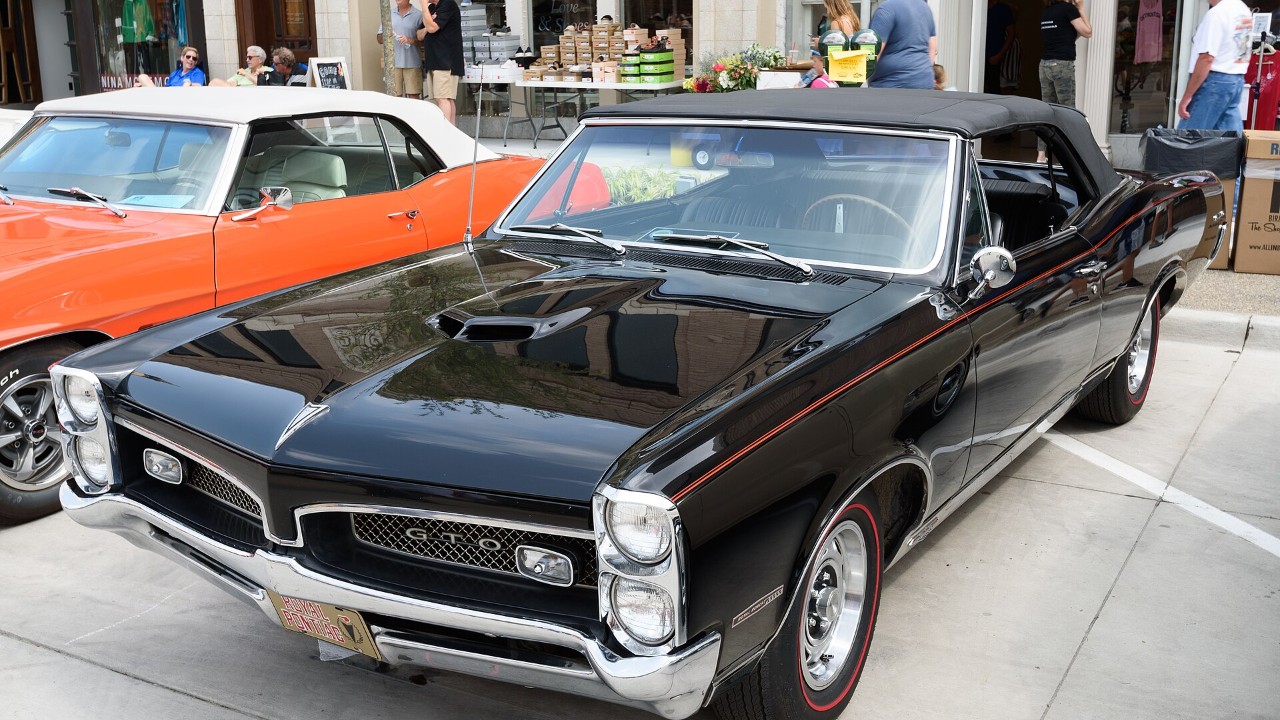
Royal Pontiac sat in Royal Oak, Michigan, and Hagerty describes it as a dealership with deep factory connections. According to Hagerty, the first Royal Bobcat was a 1961 Catalina hardtop with the same Tri-Power 389 that Pontiac later used in the 1964 GTO. The kit included thinner head gaskets for more compression, bigger carburetor jets and a new distributor curve.
By 1968, Royal went further. Hagerty says the dealer built a few 428-powered GTOs that year. Car and Driver tested one with a Turbo 400 automatic, and it ran the quarter-mile in 13.8 seconds at 104 mph, according to Hagerty. In addition, Hagerty credits Pontiac marketing man Jim Wangers as the mastermind behind the program.
2. 1968 Myrtle Motors Pontiac Firebird 428 H.O., New York City
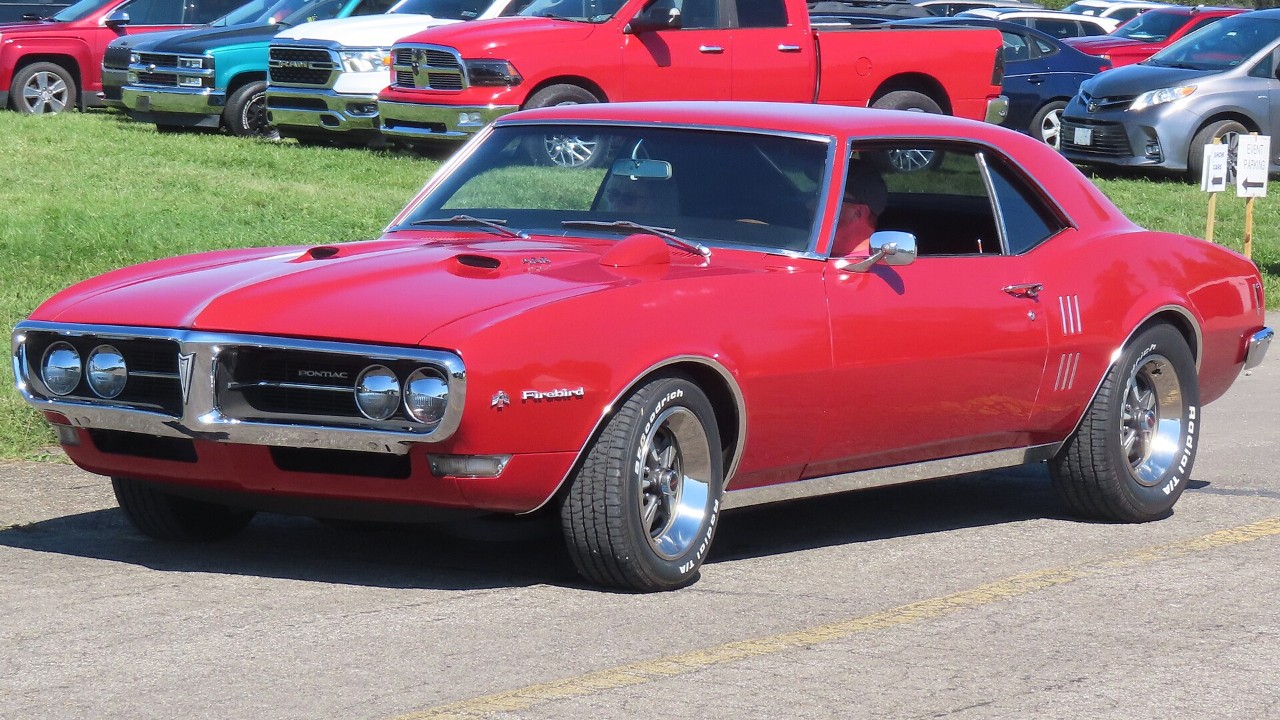
Royal was not the only Pontiac store doing this. Myrtle Motors was a Pontiac dealership in New York City, and it took the same big-engine idea to the smaller Firebird. According to Hagerty’s history of the dealer specials, Myrtle built a few Ram Air 428 H.O.-powered 1968 Firebirds.
Hagerty also describes them as 12-second cars at the drag strip. That is about all the record says about how many Myrtle built. However, it shows that the dealer-special idea had spread well beyond Detroit by 1968, all the way to a Pontiac showroom in New York.
3. 1967 Tasca Ford Mustang 428, Rhode Island
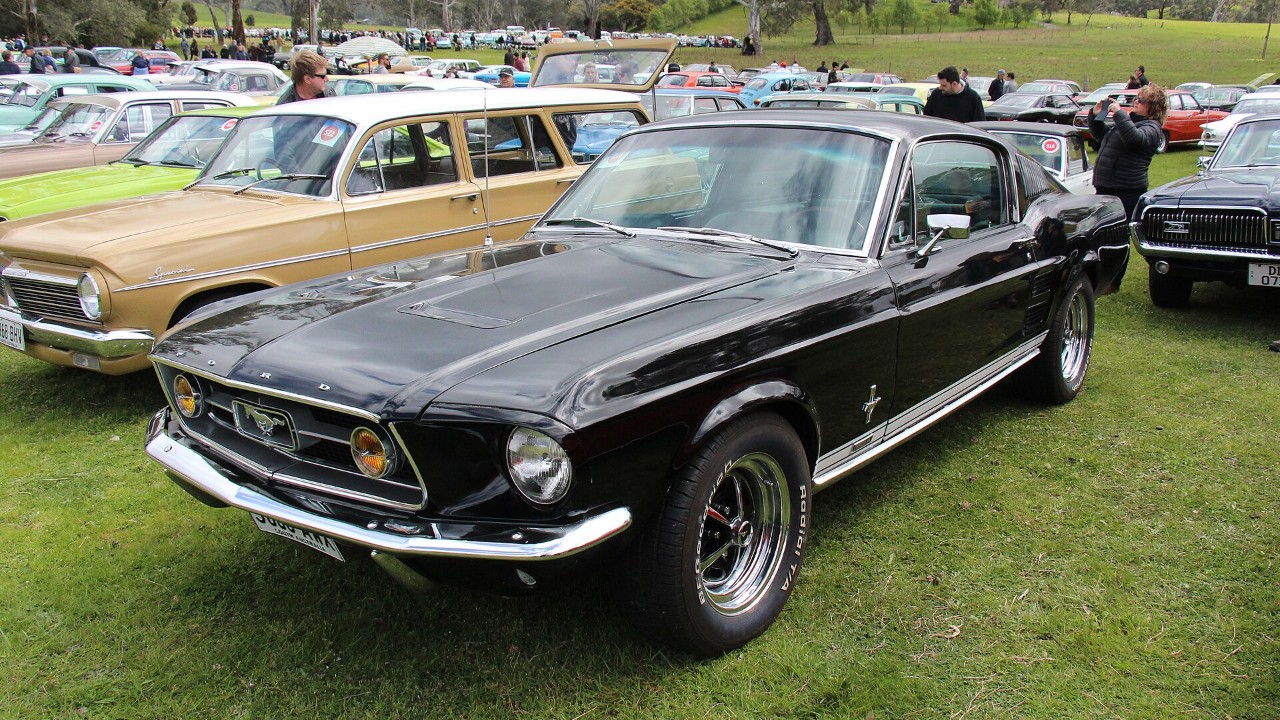
Tasca Ford, a Rhode Island dealer run by Bob Tasca Sr., built a 1967 Mustang with a 428. According to Hagerty’s account of the car, Tasca’s team combined a stock 428 Police Interceptor short-block with high-flow cylinder heads from the 427. They also added a 427 oil pump, an aluminum intake and a single 735-cfm Holley carburetor.
That car mattered more than most dealer specials. Hagerty says Ford reviewed Tasca’s car, called the KR-8, and fielded many inquiries about the setup. Ford then put the engine into production for the 1968 Mustang as the 428 Cobra Jet. In other words, a dealer’s project became a factory engine.
4. 1967 Baldwin Chevrolet L88 Camaro, Baldwin, New York
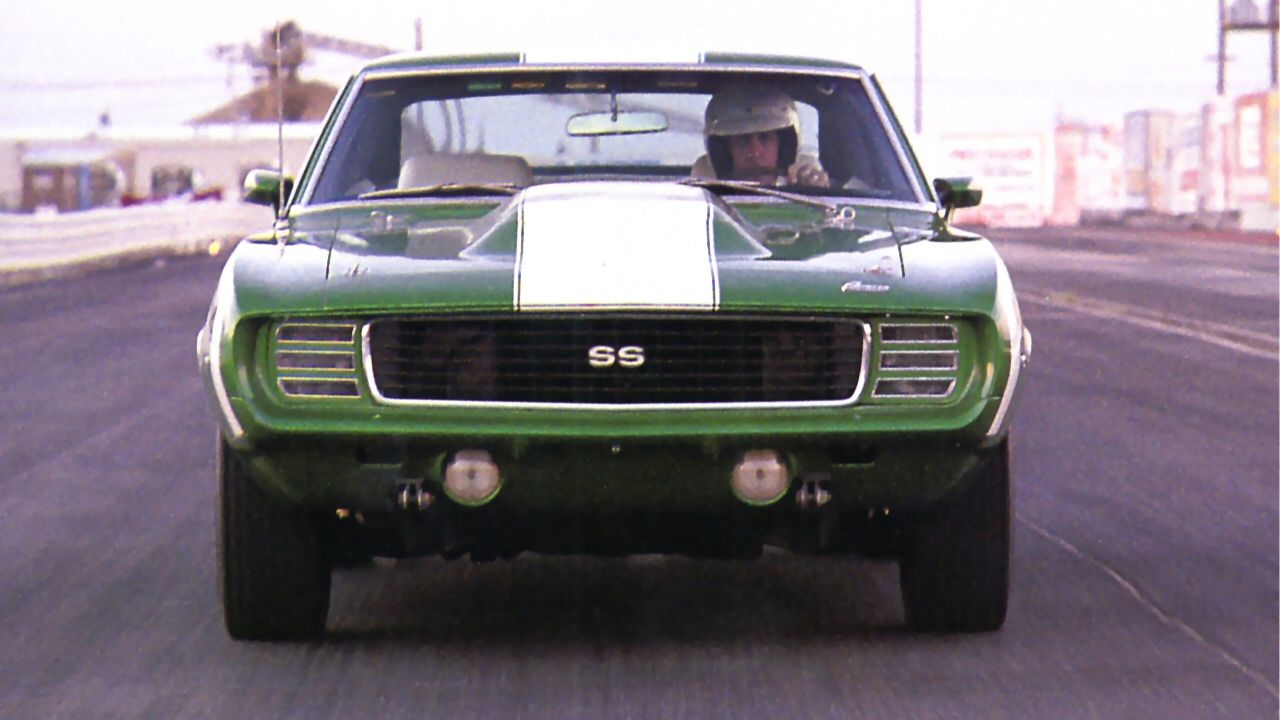
Baldwin Chevrolet, in Baldwin, New York, teamed up with Joel Rosen and his nearby Motion Performance shop. According to Hagerty, the pair built an L88-powered 1967 Camaro with aluminum heads.
The program sold. By the end of 1967, Hagerty says, Baldwin had delivered more than 25 of these 427 Camaros. Motion also built a few 427 Chevelles. Then, for 1968, Baldwin-Motion offered a complete SS427 program it called the “Fantastic Five.” Rosen’s Phase III cars also came with a money-back guarantee to run 11.5-second quarter-miles at 120 mph, according to Hagerty.
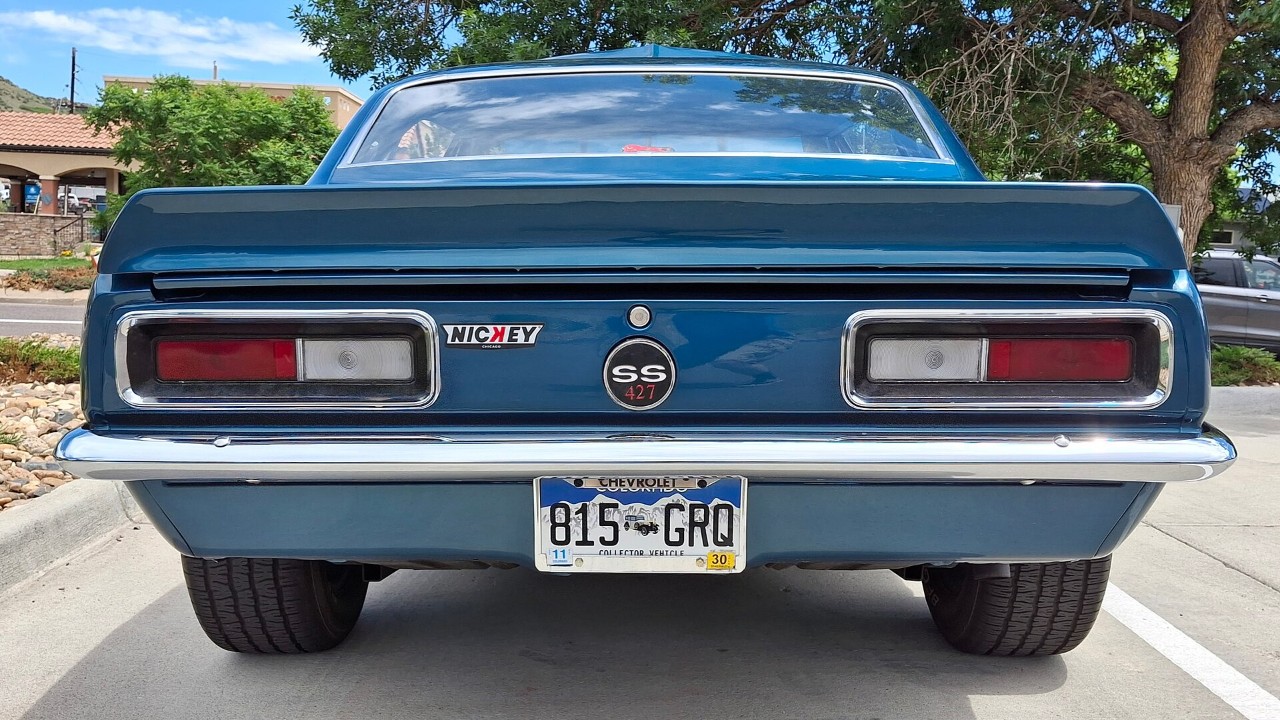
5. 1967 Nickey Chevrolet 427 Camaro, Chicago
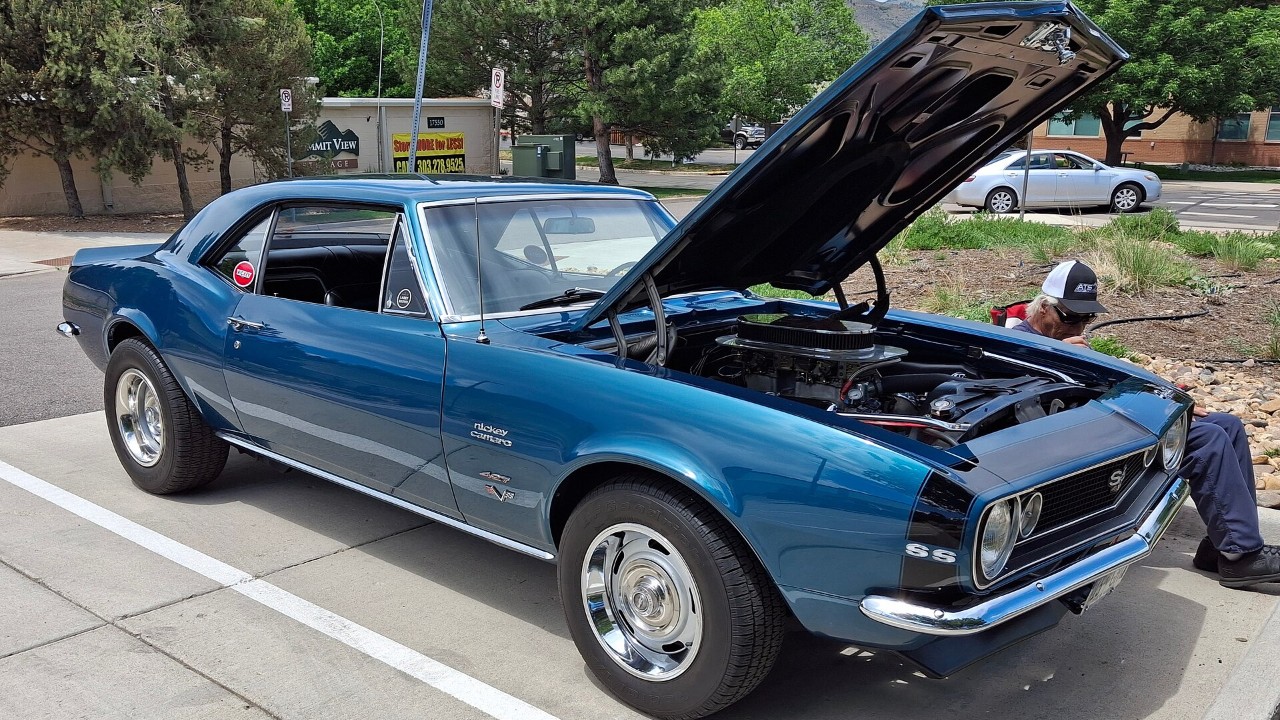
Nickey Chevrolet in Chicago was one of the first two dealers to drop a Corvette 427 into Chevrolet’s new Mustang fighter, the Camaro, according to Hagerty. Several magazines tested the Nickey and Dana cars that year. One ran the quarter-mile in 11.4 seconds at 120 mph, and Speed and Supercar called the 427 Camaro “the quickest and fastest supercar on the market.”
Nickey cars bring real money today. In January 2012, a 1967 Nickey Camaro SS sold for $385,000 at RM Auctions’ Phoenix sale, according to JustCars. That car carried a balanced and blueprinted 468-cubic-inch V8 rather than the usual 427, the report said. Even so, it fell short of its $400,000 to $500,000 estimate.
6. 1967 Dana Chevrolet 427 Camaro, Los Angeles
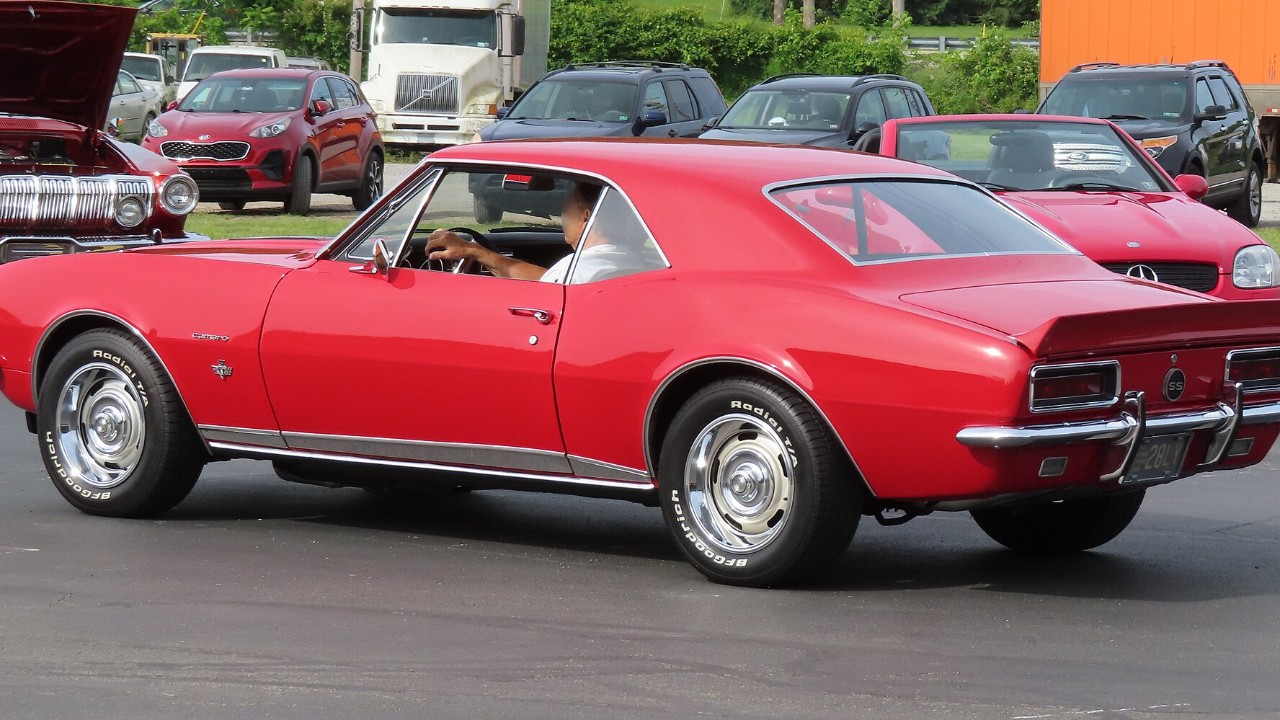
Dana Chevrolet was the West Coast half of the story. According to Hagerty, Dana in Los Angeles shared credit with Nickey as one of the first two dealerships to put a Corvette 427 in a Camaro. That made the swap a coast-to-coast idea in 1967.
As noted above, magazines tested both the Nickey and Dana cars that year. Hagerty does not say which of the two posted the 11.4-second run, so neither dealer gets sole credit for it here. Still, Dana’s place on this list rests on that first-in-line 427 swap. Hagerty also lists Dana among the dealers that kept building 427-plus Chevrolets.
7. 1967 Yenko Super Camaro, Canonsburg, Pennsylvania
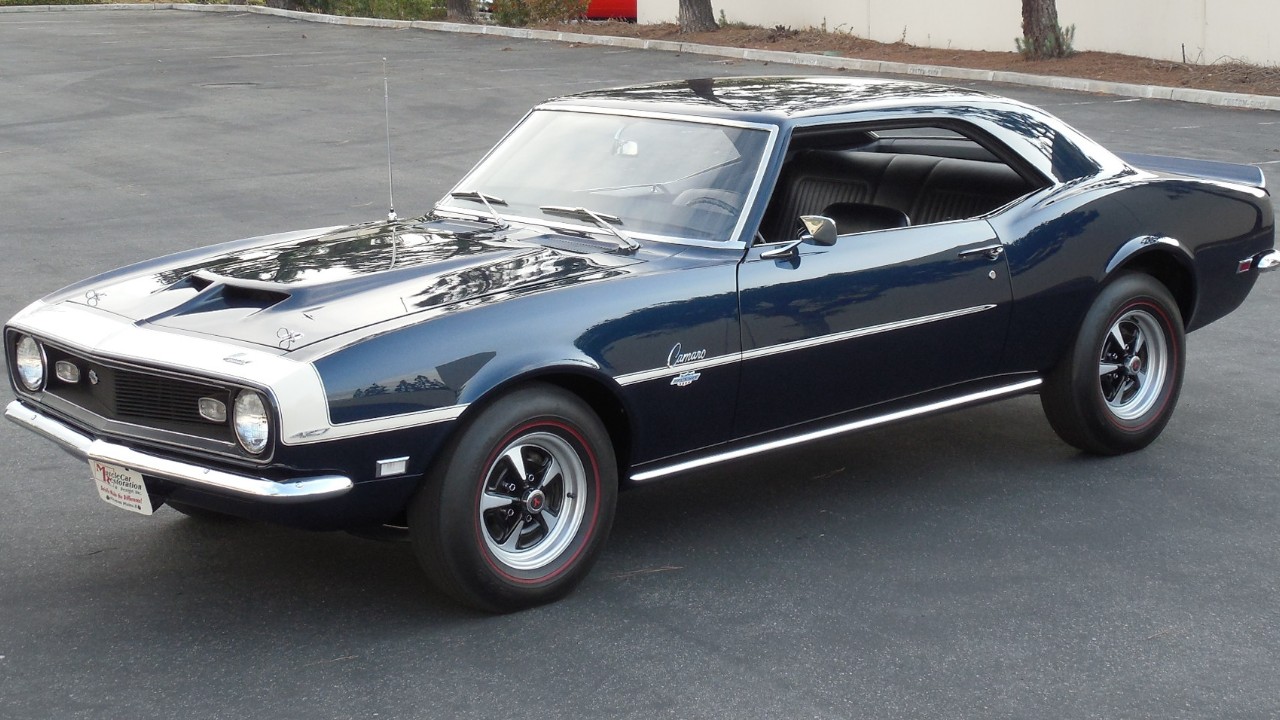
Yenko Chevrolet sat in Canonsburg, southwest of Pittsburgh. Its 1967 Super Camaro used the L72 427, and Hagerty says it made 450 hp. Counts vary, but Hagerty’s Yenko history puts production at a little over 50 in 1967, a little over 60 in 1968 and around 200 in 1969.
Don Yenko’s real trick came in 1969. Rather than swapping engines himself, Hagerty says, Yenko figured out how to get GM to do the swaps for him through its special-order system for fleet cars. As a result, he could badge and sell far more 427 cars than his rivals. According to Hagerty, that came to more than 350 in 1969 alone.
8. 1968 GSS Dart 440, Mr. Norm’s dealer-built supercar
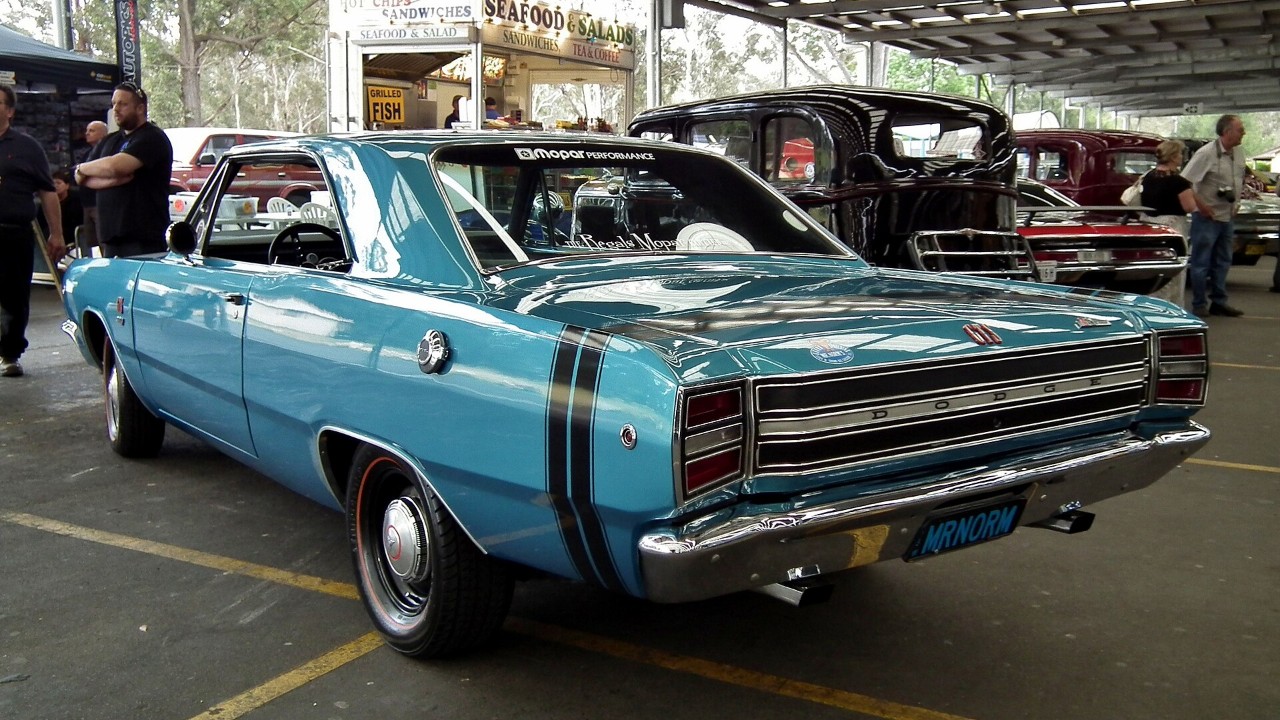
Grand Spaulding Dodge in Chicago belonged to Norman Krause, better known as Mr. Norm, who opened it in 1962. According to Hagerty, Mr. Norm created 48 GSS Darts with the 440 in 1968. GSS stood for Grand Spaulding Special. Hagerty says the 440 made 375 hp at 4,600 rpm and 480 lb-ft of torque.
Dodge noticed this dealer-built supercar. It contracted Hurst-Campbell in Detroit to build 47 more for Grand Spaulding to sell exclusively, Hagerty says. A year later, Dodge built 640 of the 440 Darts in-house. However, few of the dealer cars lasted. A restorer told Hagerty that “these cars were built for drag racing and they were beaten to death.” According to Hagerty, only 14 of these Darts are known to survive today.
More from Fast Lane Only
- Unboxing the WWII Jeep in a Crate
- 15 rare Chevys collectors are quietly buying
- 10 underrated V8s still worth hunting down
- Police notice this before you even roll window down
This article was created with the help of AI and was reviewed and edited by Fast Lane Only editors before publication.