The 1968 Dodge Dart GTS 340 stands out as a remarkable example of American muscle, combining a lightweight design with powerful performance. With its mid-14-second quarter-mile times, this car captured the hearts of enthusiasts and remains an iconic symbol in the automotive world.
Overview of the 1968 Dodge Dart GTS 340
The Dodge Dart has a storied history that began in 1960 as a compact car designed to appeal to the growing consumer market. By 1968, it had evolved significantly, particularly with the introduction of the GTS variant, which aimed to cater to performance-oriented drivers. The 1968 Dart GTS 340 differentiated itself from its predecessors and contemporaries with its aggressive styling and enhanced performance features, solidifying its place in the muscle car era.
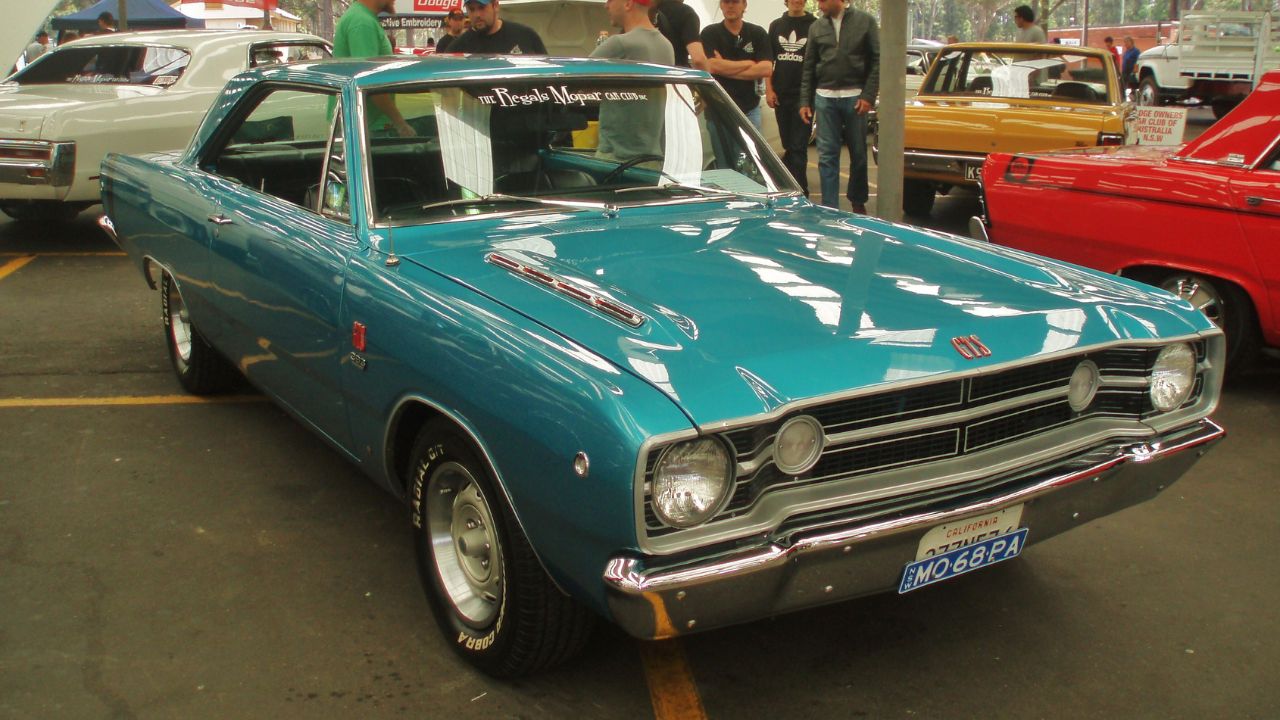
Key features of the GTS variant included a distinctive hood scoop, dual exhausts, and bold striping that set it apart visually. Additionally, the GTS package offered performance upgrades such as heavy-duty suspension components and larger tires, making it a popular choice among young performance enthusiasts. This car was not just about looks; it was designed for those who wanted an exhilarating driving experience without breaking the bank.
Engine Specifications and Performance
At the heart of the 1968 Dodge Dart GTS 340 was an impressive 340 cubic inch small-block V8 engine. This powerplant produced a robust 275 horsepower and 340 lb-ft of torque, providing the car with exhilarating acceleration and performance. The engine’s performance was further enhanced by its lightweight design, which contributed to the Dart’s nimble handling on the road. Compared to other engines available in the Dart lineup, such as the 273 and 318 V8s, the 340 stood out as the top-performing option.
When it came to performance metrics, the GTS 340’s ability to run the quarter mile in the mid-14-second range was a significant accomplishment for a car of its size and era. This performance was not merely due to the engine specifications; it was a result of the entire vehicle’s design that emphasized weight reduction and efficient power delivery. Enthusiasts can appreciate how the combination of the 340 engine with a lightweight chassis made the Dart GTS 340 a formidable competitor on the drag strip.
Weight and Handling Characteristics
The Dodge Dart GTS 340 was built with a focus on lightweight construction, which was a key factor in its agility and performance. The use of thinner gauge steel and the absence of unnecessary luxury features contributed to a curb weight of around 3,200 pounds. This weight reduction allowed the GTS 340 to accelerate quickly and maneuver with ease, setting it apart from many heavier competitors of the time.
Furthermore, the Dart’s suspension system played a crucial role in its handling characteristics. With a torsion bar front suspension and leaf springs in the rear, the GTS 340 offered a balance between comfort and performance. This suspension setup allowed for sharper cornering and improved road grip, making it a joy to drive on twisty roads or during spirited runs at the track. The combination of lightweight construction and an advanced suspension system made the Dart GTS 340 a well-rounded performer.
Transmission and Gear Ratios
The 1968 Dodge Dart GTS 340 came with several transmission options, including a three-speed TorqueFlite automatic and a four-speed manual transmission. The manual option was particularly popular among enthusiasts who appreciated the increased control it provided during aggressive driving. The aggressive 3.91 rear gear ratio further enhanced the vehicle’s performance, allowing for quicker acceleration and improved throttle response.
This setup meant that the Dart GTS 340 could easily achieve impressive launch times off the line, making it a worthy contender in street racing scenarios. The combination of the powerful 340 engine and the appropriate transmission and gearing made driving the Dart GTS 340 an exhilarating experience. For collectors and enthusiasts, these features represent the essence of what made American muscle cars so special during this era.
Design and Aesthetics
The exterior design of the 1968 Dodge Dart GTS 340 features bold lines and aggressive styling cues that emphasize its performance capabilities. The front end is characterized by a distinctive grille, flanked by sleek headlights, while the profile is enhanced by the GTS stripes that run along the side. The optional hood scoop not only adds to the aesthetics but also serves a functional purpose by directing airflow to the engine, further enhancing performance.
Inside, the Dart GTS 340 offered a driver-focused cockpit with features that appealed to enthusiasts. High-back bucket seats provided comfort and support during spirited driving, while the optional center console added a touch of sportiness. Buyers could also choose from various color and trim options to customize their vehicles, allowing for a personal touch that made each Dart GTS 340 unique. The attention to detail in both the exterior and interior design made the GTS 340 a sought-after model among muscle car aficionados.
Comparison with Competitors
In 1968, the Dodge Dart GTS 340 faced stiff competition from other muscle cars, including the Chevrolet Nova and the Ford Mustang. The Nova offered similar performance but lacked the distinctive styling and driving dynamics of the Dart. The Mustang, while a more established nameplate, often came with a higher price tag for equivalent performance packages. When comparing quarter-mile times, the Dart GTS 340’s mid-14-second performance was competitive, positioning it as a strong contender in the muscle car market.
Price points also played a role in the Dart’s appeal. The GTS 340 was often more affordable than many competitors, making it an attractive option for younger buyers looking for performance on a budget. The combination of performance, style, and price made the Dart GTS 340 a compelling choice for those looking to enter the world of muscle cars without overspending. In a market crowded with options, the Dart GTS 340 carved out a niche for itself.
Cultural Impact and Legacy
The Dart GTS 340 has left a lasting impression on popular culture and automotive history. It represented a time when American manufacturers were pushing the boundaries of performance and style, and it has become a symbol of the muscle car era. The GTS 340 has been featured in various films, television shows, and automotive publications, further solidifying its status as an icon.
Enthusiasts and collectors often share their passion for the Dart GTS 340 through social media platforms, showcasing their restored vehicles and sharing stories about their experiences. The ongoing admiration for this model speaks to its significance in the history of American muscle cars. Its influence is seen in modern automotive design, as manufacturers continue to draw inspiration from the classic styling and performance characteristics that made the Dart GTS 340 a standout.
Restoration and Collectibility
The market for classic Dodge Dart GTS 340 models has seen a resurgence in recent years, with many collectors eager to own a piece of automotive history. These vehicles have become increasingly valuable, and well-preserved examples often command high prices at auctions and among private collectors. For those looking to purchase a GTS 340, it’s essential to focus on finding a model with a solid frame and minimal rust, as these factors significantly impact restoration costs and overall value.
Restoration can be a labor of love, with many enthusiasts opting to maintain the original specifications while upgrading certain components for enhanced performance. Maintaining the authenticity of the vehicle is crucial for collectors, as originality often dictates market value. For prospective buyers, joining forums and social media groups dedicated to classic muscle cars can provide valuable insights and resources for restoration and maintenance tips.
More from Fast Lane Only