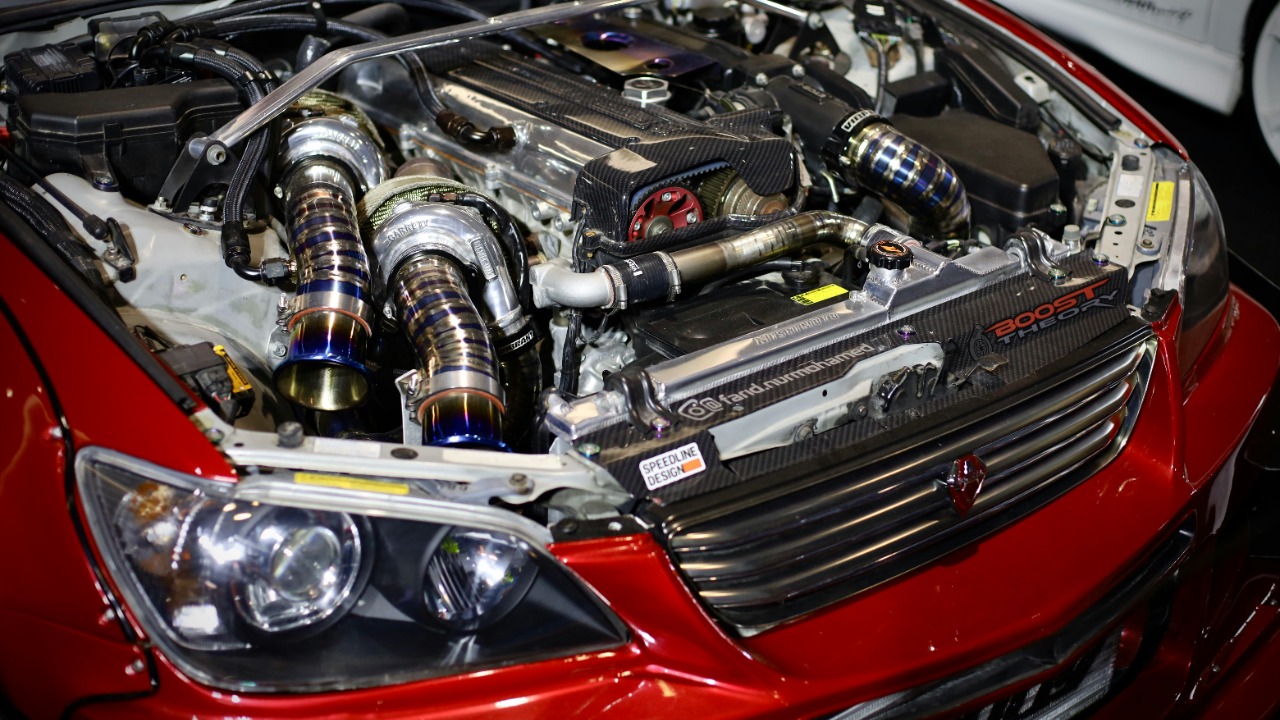
The Plymouth Duster 340, a standout from the muscle car era of the early 1970s, redefined performance and efficiency with its lightweight design. With an impressive 0-60 mph time of approximately 6.5 seconds, this vehicle blended power with agility, making it a memorable contender in the muscle car landscape.
The Birth of the Plymouth Duster
The Plymouth Duster was introduced in 1970 as a solution to the growing consumer demand for affordable performance vehicles. Chrysler’s corporate strategy at the time aimed to capture a younger audience that sought a compact car without sacrificing performance. The Duster emerged as a response to this market need, combining a sporty design with high-performance capabilities, making it an attractive choice for those who wanted a thrilling driving experience without breaking the bank.
Key design elements characterized the Duster and contributed to its appeal among the youth market. The Duster featured a distinctive fastback silhouette, a design that not only enhanced its aesthetic appeal but also improved aerodynamics. The aggressive stance was complemented by bold paint options and a range of performance packages, making the Duster a versatile choice for young drivers eager to express their individuality on the road.
Engine Specifications and Performance
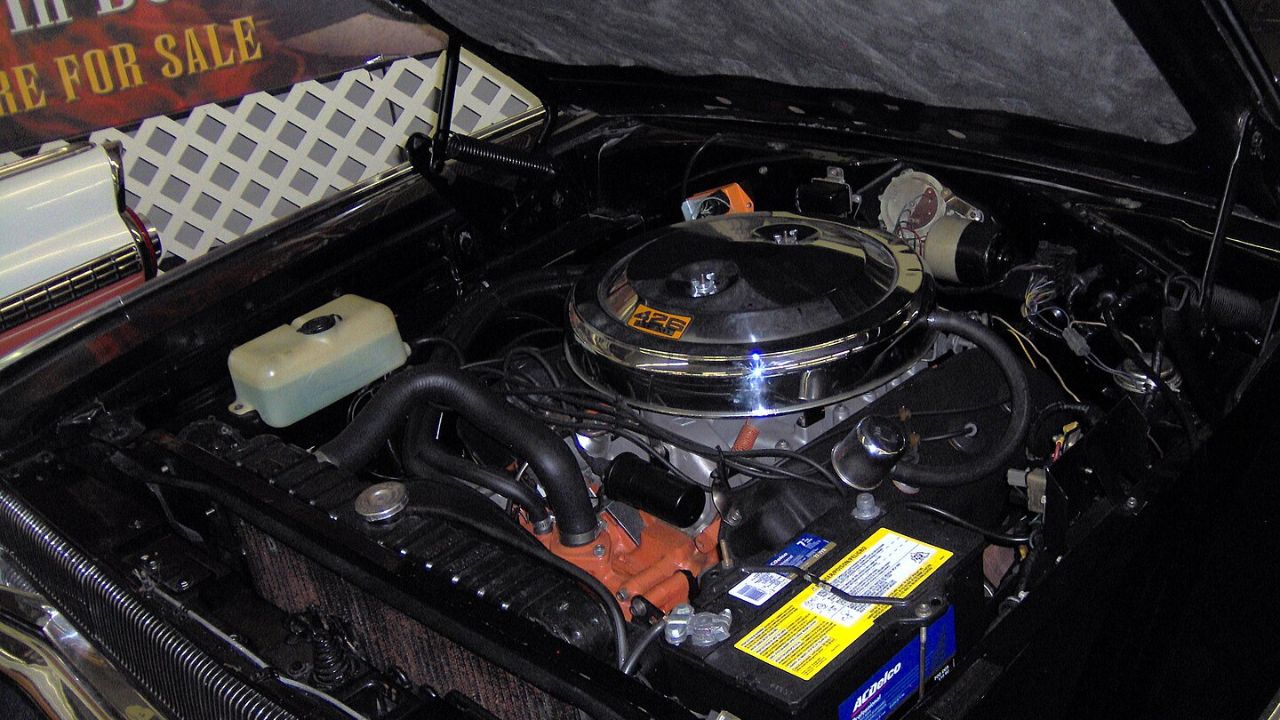
At the heart of the Plymouth Duster 340 was the powerful 340 cubic inch V8 engine, which produced an impressive 240 horsepower and 340 lb-ft of torque. This engine was designed for performance, allowing the Duster to achieve its remarkable 0-60 mph time of approximately 6.5 seconds. The combination of this powerful engine with the Duster’s lightweight design allowed it to compete effectively with other muscle cars of the era, such as the Ford Mustang and Chevrolet Camaro.
When compared to its contemporaries, the Duster’s performance metrics stood out significantly. The lighter weight of the Duster—often cited as weighing around 3,000 pounds—gave it an edge in acceleration and handling. The muscle car landscape of the early ’70s was dominated by larger, heavier vehicles, but the Duster proved that a smaller package could deliver thrilling performance without sacrificing the driver experience. This made it an appealing option for those looking for speed and agility.
Lightweight Design Advantages
The Duster’s lightweight construction was a defining feature that enhanced both handling and acceleration. By utilizing lightweight materials and focusing on a streamlined design, engineers were able to create a vehicle that not only performed well on the straightaways but also handled corners with grace. This was particularly important during a time when road racing and performance driving were gaining popularity among car enthusiasts.
In addition to performance advantages, the weight reduction also positively impacted fuel efficiency. While muscle cars were often associated with poor gas mileage—a common drawback of high-powered engines—the Duster managed to strike a balance. Its lighter weight meant that it could achieve better fuel economy than many of its competitors, making it a more practical choice for everyday driving. This aspect of the Duster’s design appealed to a wide range of consumers who wanted a vehicle that could perform well without emptying their wallets at the gas pump.
Aesthetic Appeal and Customization
The Plymouth Duster boasted a unique design that set it apart from other muscle cars of its time. Its body style was characterized by a sleek, fastback silhouette that offered an aggressive look while maintaining a level of sophistication. The Duster was available in a variety of colors, with bold options like “Plum Crazy” and “Mango Tango” appealing to the vibrant tastes of the youth market. This aesthetic appeal made the Duster not just a performance vehicle but also a style statement.
Customization became a significant part of Duster ownership, with many enthusiasts modifying their vehicles to enhance both performance and appearance. Aftermarket modifications ranged from upgraded exhaust systems to custom paint jobs and performance-enhancing engine tweaks. The Duster’s popularity in the customization scene ensured that it remained relevant and admired even decades after its initial release. Iconic features, such as the distinctive grille and sporty rear spoiler, were often highlighted and enhanced through various modifications, making each Duster unique to its owner.
The Duster’s Cultural Impact
The Plymouth Duster has left an indelible mark on popular culture, appearing in numerous films, television shows, and media representations over the years. Its reputation as an affordable yet powerful muscle car made it a favorite among filmmakers looking to capture the spirit of American automotive culture in the 1970s. The Duster’s presence in classic movies and TV shows helped solidify its status as an iconic vehicle that represented the freedom and rebellion of a generation.
Anecdotes from car enthusiasts and collectors often highlight personal experiences with the Duster, showcasing its influence on their lives. Many recall their first drive or the thrill of racing against friends on weekends. The Duster has become more than just a car; it embodies a sense of nostalgia and camaraderie among its owners. Events such as car shows and meet-ups frequently feature Dusters, allowing fans to share their passion and connect with others who appreciate the car’s unique history and performance attributes.
The Market for Plymouth Duster 340 Today
In today’s classic car market, the 1970 Plymouth Duster 340 has seen a resurgence in interest among collectors and enthusiasts. Current market trends indicate that well-preserved models can fetch impressive prices, with values often exceeding $30,000 for pristine examples. Factors influencing the desirability of the Duster include its performance credentials, iconic status, and the growing appreciation for classic compact muscle cars.
When compared to other classic muscle cars, the Duster offers a unique combination of affordability and investment potential. While models like the Chevrolet Camaro and Ford Mustang may command higher prices, the Duster remains accessible for many collectors looking to enter the classic car arena. As the market continues to evolve, the Duster’s appeal is likely to grow, solidifying its place as a valuable asset in the automotive collector community.
Maintenance and Restoration Tips
For those lucky enough to own a Plymouth Duster 340, maintaining the vehicle in top condition requires attention to detail and a commitment to preservation. Essential maintenance practices include regular oil changes, brake inspections, and keeping the cooling system in good working order. Given the age of these vehicles, sourcing original parts can sometimes be a challenge, so establishing connections with reputable classic car parts suppliers is crucial.
Common restoration challenges specific to the Duster model often involve the body and interior. Rust can be a prevalent issue due to the car’s age, so regular inspections and rust prevention measures are important. Additionally, restoring the interior to its former glory may require sourcing replacement materials and components. Resources such as online forums and communities dedicated to classic cars can provide valuable support and advice for enthusiasts looking to restore their Duster.
More from Fast Lane Only