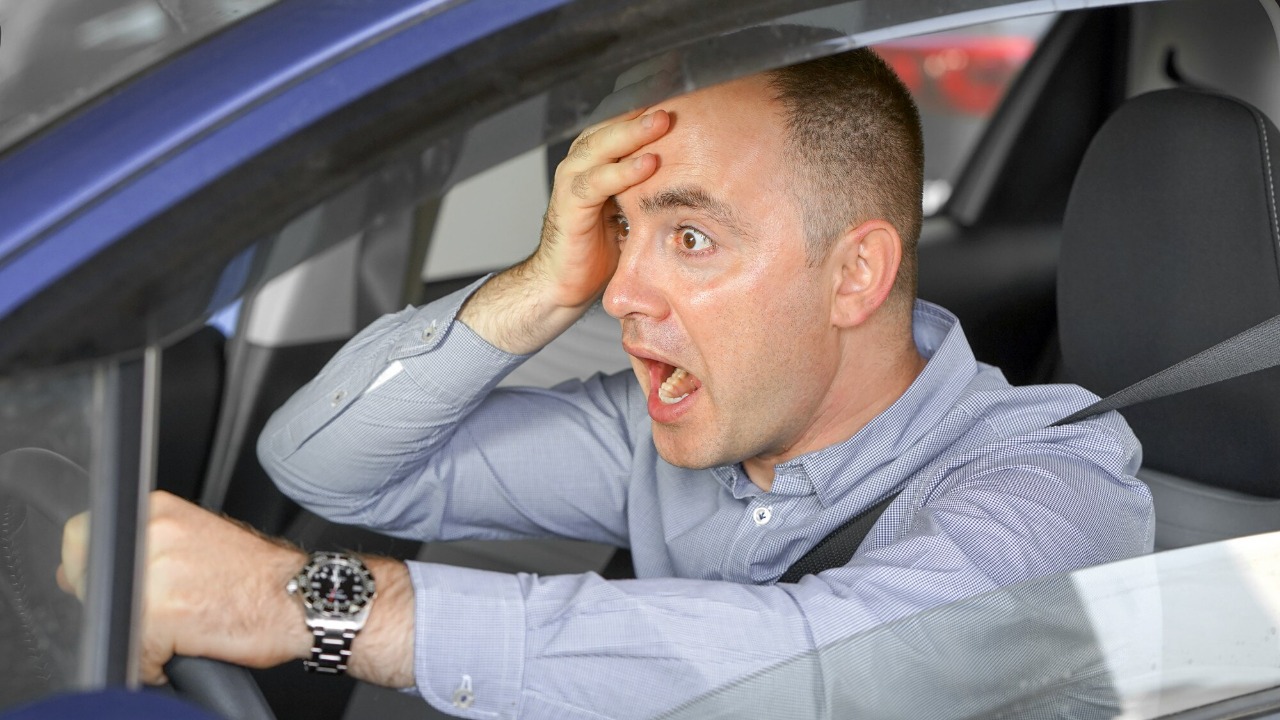
It started as one of those tiny car quirks you can almost talk yourself out of noticing. A little extra pedal travel here, a faint squeak there, and a vague sense that stopping took just a beat longer than it used to. The driver figured it was probably nothing—or at least nothing urgent.
But over the next few drives, the problem didn’t just stick around. It grew. “Every time I drove it, it got worse,” the driver said, describing a brake issue that began subtly and then escalated into something that felt impossible to ignore.
A small change that wouldn’t stay small
The driver said the earliest signs were easy to dismiss: the pedal felt slightly softer than normal, and the brakes didn’t feel as “grabby” at low speeds. No warning light, no dramatic grinding, and no obvious puddle under the car. The kind of thing that makes you think, “Maybe it’s just the weather,” or “Maybe I’m imagining it.”
Then came the pattern that raised the hair on the back of the neck. The brakes felt a little worse after each trip, almost like the system was losing confidence one commute at a time. By the time it felt noticeably different in everyday traffic, the driver said it had moved from mild annoyance to genuine worry.
What the drive felt like as the issue escalated
As the days went on, stopping required more planning. The driver described having to press the pedal farther than usual, especially after the vehicle had been driven for a bit. A longer stop can sneak up on you in a parking lot, but it becomes a different story at an intersection when the light changes fast.
There were also moments when the brakes felt inconsistent—fine at one stop, then oddly weak at the next. That inconsistency is what made it feel unsettling, the driver said, because it’s hard to adjust your instincts when the car keeps changing the rules. It’s like playing a video game where the jump button works only when it feels like it.
Why “it gets worse when I drive it” is a big clue
When braking problems intensify with use, it often points to something that’s heat-related, pressure-related, or fluid-related. Brakes build heat through friction, and if something is already marginal—thin pads, worn rotors, sticking calipers, old fluid—it can act up more as parts warm up. That’s why a car can feel okay at first and then feel sketchy later in the same trip.
Another possibility is a slow leak in the brake hydraulic system, where fluid loss or air in the lines can gradually reduce braking effectiveness. The driver didn’t report seeing fluid on the ground, but leaks can hide on the inside of a wheel, along lines, or even inside the brake booster area. And unfortunately, a problem doesn’t need to be a dramatic drip to be dangerous.
The common culprits people don’t always think about
Most folks think “brakes” means pads and rotors, and sure, those are the headliners. But a lot of the scary behavior comes from supporting parts: a failing master cylinder, a sticking caliper, or brake fluid that’s absorbed moisture over time. Old brake fluid can boil under heat, creating vapor that compresses—so the pedal can feel soft and stopping power drops, sometimes temporarily.
Then there’s the vacuum side of things. If the brake booster or its vacuum supply is compromised, the car may still stop, but it takes a lot more leg effort. That’s the kind of surprise that makes you realize how much of braking is “power-assisted” until it isn’t.
Warning signs that tend to show up right before things get serious
The driver said the worsening feeling was the main alarm, but there are other signs many people notice in the same situation. A burning smell after driving, one wheel producing more brake dust, or the car pulling slightly to one side can suggest a sticking caliper or uneven braking. A pulsing pedal can point to rotor issues, while a sinking pedal can hint at hydraulic trouble.
Even if the dashboard brake light doesn’t come on, the brakes can still be in trouble. Some warnings only trigger when fluid drops to a certain level or when the system detects a specific fault. Real life doesn’t always wait for the electronics to give you permission to worry.
What mechanics typically check first
In cases where braking gets worse with each drive, technicians usually start with the basics and then go deeper. They’ll inspect pad thickness, rotor condition, calipers for sticking or leaking, and hoses for swelling or cracking. They’ll also look at the fluid level and condition, because dark or contaminated fluid is a common “silent” problem.
They may pressure-test the hydraulic system, check for air in the lines, and evaluate the master cylinder’s performance. If the pedal slowly sinks while holding pressure at a stop, that can be a sign of internal bypassing in the master cylinder. And if the pedal gets firm when the engine is off but changes significantly once it’s running, that can point toward booster or vacuum issues.
What the driver did next—and why it matters
After noticing the steady decline, the driver said they stopped treating it like a “someday” fix. They avoided high-speed trips, left extra following distance, and scheduled service as soon as possible. It’s not dramatic; it’s just practical, like deciding you’re done gambling with the one system that’s supposed to save you when everything else goes wrong.
Brake problems have a way of turning from “hmm” to “oh no” in a hurry. And unlike a noisy muffler or a finicky window switch, brakes don’t really give you a safe way to be casual about it. If something feels off—especially if it’s getting worse as you drive—it’s worth treating that feeling as useful data, not anxiety.
What drivers can do if they notice the same pattern
If braking performance is declining, the safest move is to limit driving and get it checked quickly. If you have to drive to a shop, take slower roads, increase following distance, and avoid heavy loads or towing. And if the pedal suddenly goes very soft, sinks, or braking power drops sharply, it’s time to stop driving and call for a tow—no hero points for limping it home.
It also helps to note the details: Does it happen after the car warms up? Does it pull to one side? Any smell, smoke, or new noises? Those little clues can speed up diagnosis, and they’re the kind of thing you’ll remember clearly right after it happens.
For the driver, the biggest lesson wasn’t technical—it was personal. When a car tells you the brakes are changing, it’s not being mysterious. It’s being honest, just a little too quietly at first.
More from Fast Lane Only