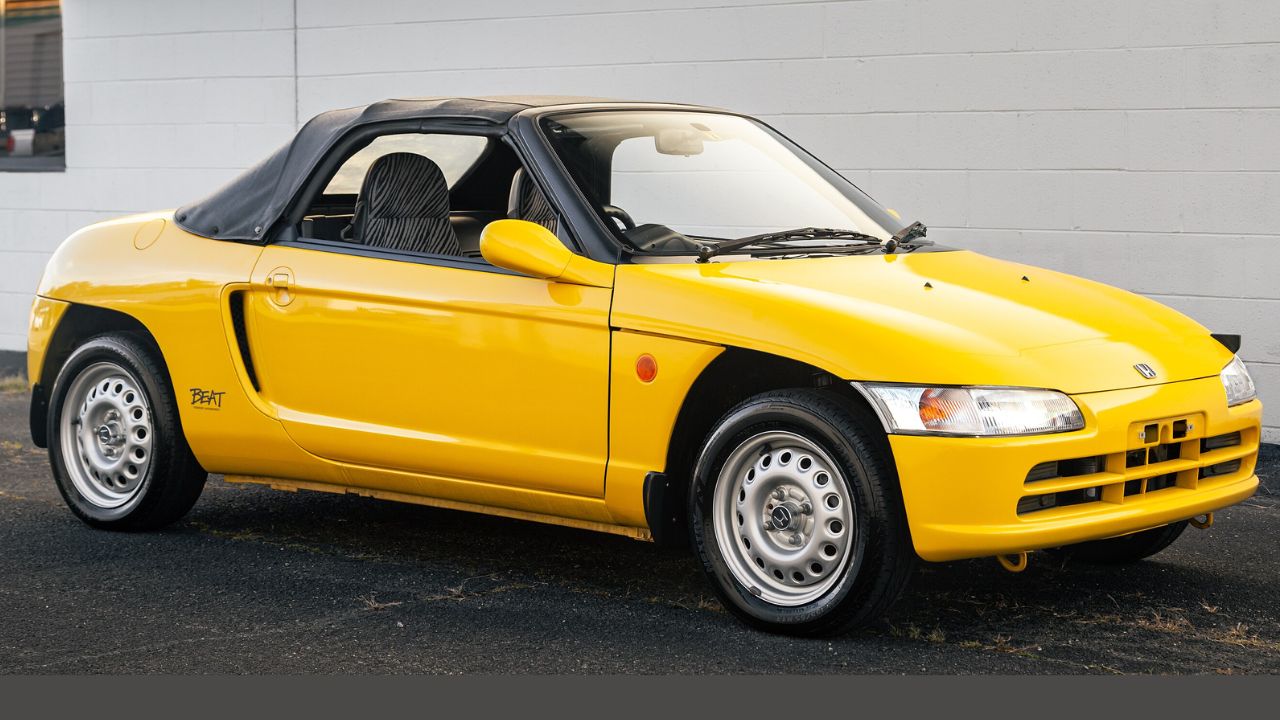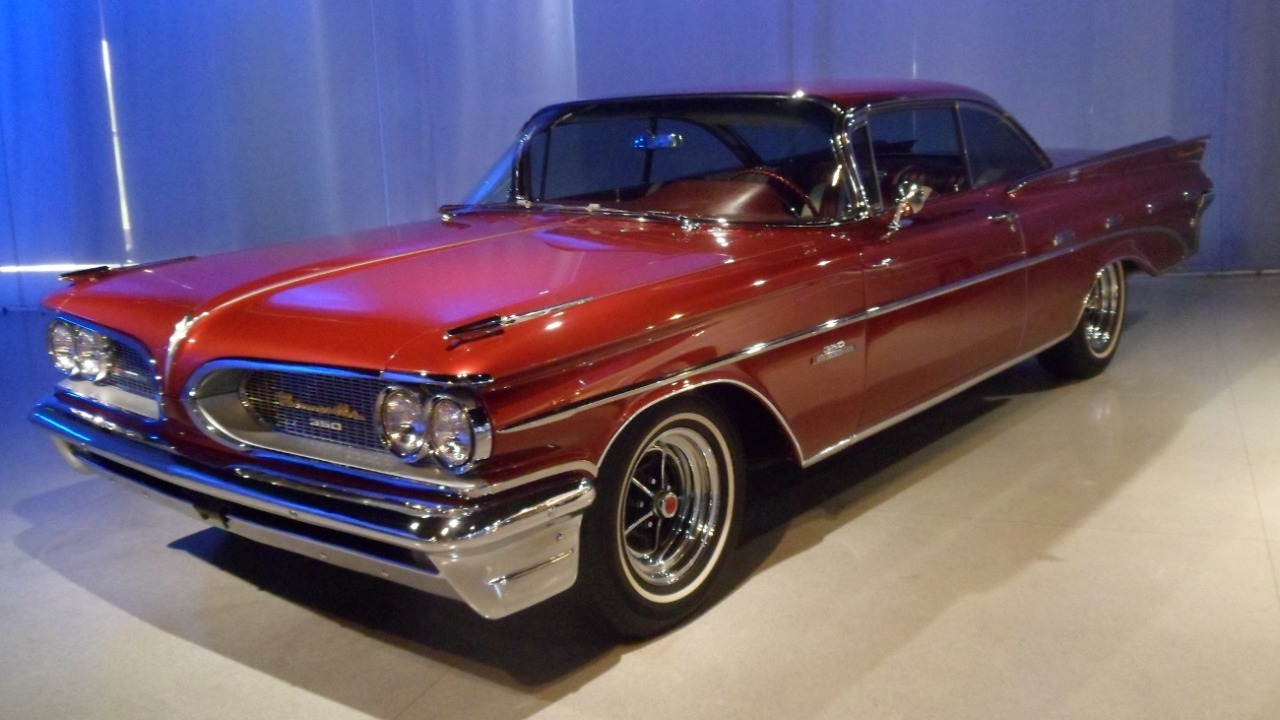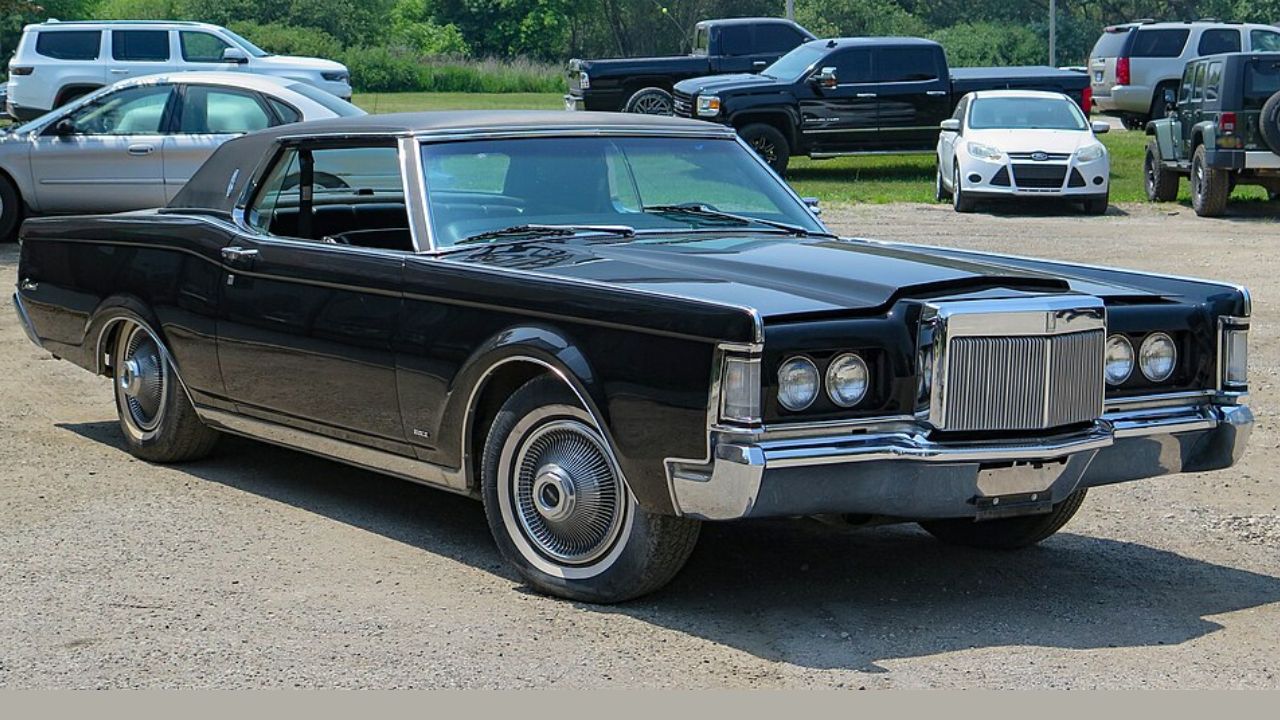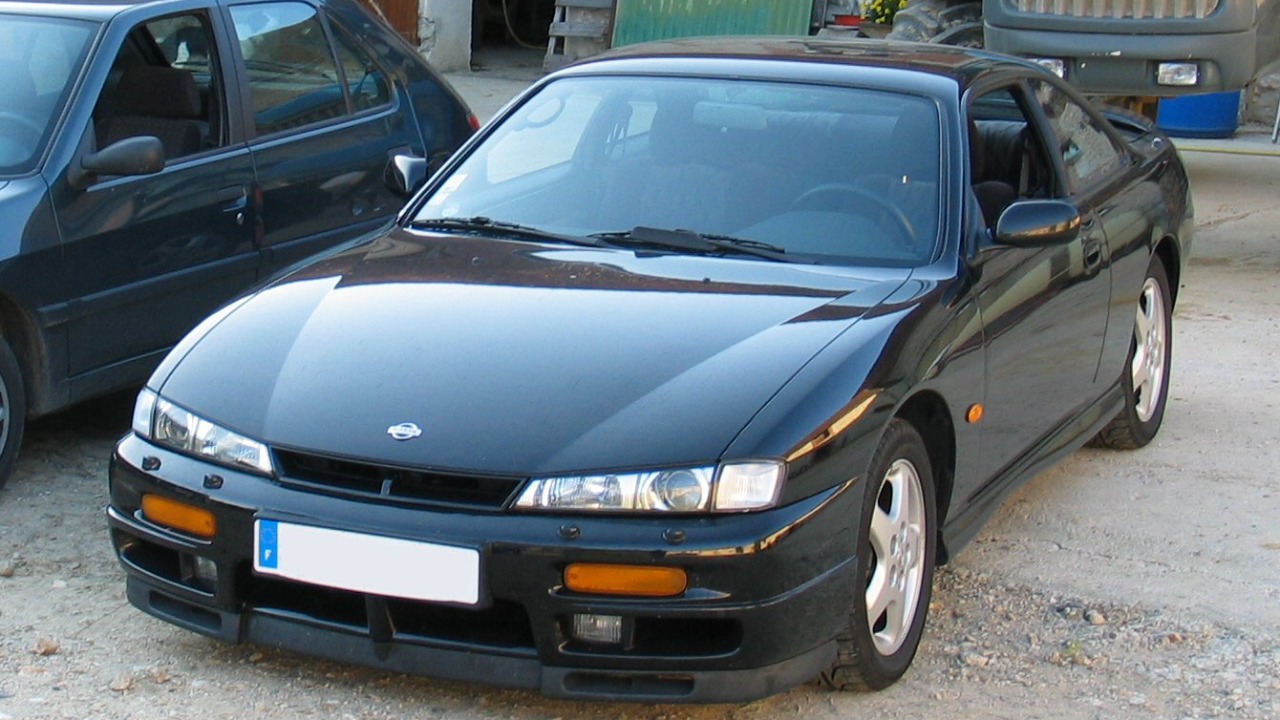
Modern cars are packed with technology, yet one of the most basic controls still confuses drivers: the humble turn signal stalk. From lane changes to highway exits, a large share of motorists use this feature in ways that ignore how it was engineered to work. The result is a quiet, everyday problem that shapes everything from crash risk to driver frustration, even as vehicles become more automated and connected.
What looks like a simple lever on the steering column now hides multiple modes, sensors and software rules that most owners never learn. The gap between what the hardware can do and how people actually use it has become a revealing stress test for both driver education and car design.
What happened
Over the last two decades, automakers have refined turn signal systems to better match real-world driving, yet driver behavior has barely shifted. Many brands now build in a two- or three-flash “lane change” function: tap the stalk lightly and the indicator blinks a preset number of times, then cancels itself. Push the stalk past the detent and it locks on for a full turn signal until the steering wheel returns to center. The idea is simple, but traffic on any busy arterial shows how often drivers either skip signaling altogether or leave the blinker on for blocks after a lane change is complete.
Surveys from transportation agencies and insurance groups routinely rank failure to signal among the most common driver errors in traffic conflicts. Police crash reports in several states list “improper turn” and “no signal” as contributing factors in side-impact collisions and rear-end crashes, especially on multi-lane roads where a single unannounced lane change can trigger a chain reaction of hard braking. Although the exact figures vary by jurisdiction, the pattern is consistent: the turn indicator is available, yet underused or misused at critical moments.
Driver training is a major part of the problem. Many people master the basic up-for-right, down-for-left motion during licensing, then never revisit the feature as car technology evolves. They may not realize that a half-press on a modern stalk is designed specifically for lane changes, or that some cars allow the number of flashes to be customized in the settings menu. In compact crossovers and sedans from brands like Volkswagen, BMW and Hyundai, a brief tap triggers three blinks, while a firmer press latches the stalk. Drivers who only ever push the stalk fully on for a lane change then have to remember to cancel it manually, which is where the familiar “left blinker for miles” scenario begins.
Newer steering wheel layouts complicate things further. Some electric models relocate turn indicators to buttons on the wheel or a small pod behind it. In these cars, lane change signaling may be tied to steering angle or lane-keeping sensors rather than a physical detent. Drivers who switch between a traditional car and a newer layout often carry over habits that do not match the new logic, which can cause either under-signaling or accidental activation.
Misuse is not limited to whether the signal is on or off. Timing is another recurring issue. Traffic engineers design intersections on the assumption that drivers will signal several seconds before turning or merging, yet many motorists flip the blinker at the exact moment they begin to move. That habit gives following drivers almost no time to react. In dense traffic, even a one-second delay between signaling and movement can be the difference between a smooth lane change and a sideswipe.
Modern driver assistance systems are beginning to treat the indicator as a formal command. In several highway assist suites, the car will only initiate an automated lane change if the driver activates the turn signal first. For drivers who have spent years changing lanes without signaling, the automation may feel unresponsive or “broken,” when in fact it is waiting for an input that never comes. The same pattern appears with blind spot monitors that expect the indicator to be on before they decide whether to flash a warning or stay quiet.
The human side of the story is less about hardware and more about attention. Cognitive scientists have shown that drivers juggle a heavy load of tasks: scanning mirrors, tracking speed, reading signs, listening for navigation prompts and managing conversations or music. Under that kind of mental strain, small safety habits like early signaling are often the first to erode. Research on how people manage competing demands in the brain, including work on genetic risk factors such as the APOE4 variant linked to cognitive change in older adults, suggests that even subtle declines in attention can affect routine tasks like driving long before more obvious symptoms appear. Studies of the APOE4 variant describe how some people experience shifts in brain function years before a diagnosis, which has clear implications for aging drivers who rely on ingrained habits behind the wheel.
Why it matters
Turn signals are often treated as a courtesy, but traffic safety data treats them as a core part of collision prevention. When a driver signals early and consistently, surrounding traffic can adjust speed and spacing with minimal drama. When that signal is missing or confusing, other drivers are forced into sudden reactions that increase the chance of a crash. Side-swipe and merging collisions rarely grab headlines, yet they represent a steady share of insurance claims and injury reports.
Improper signaling also undermines the promise of advanced driver assistance systems. Adaptive cruise control, lane keeping and blind spot monitoring all rely on clear communication between human and machine. In some vehicles, the indicator tells the system that a lane change is intentional, which temporarily relaxes lane centering or adjusts following distance. If the driver moves first and signals later, the software may interpret the maneuver as drift or inattention and respond with steering nudges or warning chimes that feel intrusive. Over time, that mismatch can erode trust in the technology.
There is a social dimension as well. Road rage incidents often begin with a small slight that one driver interprets as disrespect. Failing to signal a merge, cutting into a gap without warning or leaving a turn signal on while wandering across lanes can all trigger that sense of being ignored or threatened. While the emotional reaction is subjective, the behavior that sparks it is often the same: unclear communication from the indicator stalk.
For older drivers, the stakes are even higher. Age-related changes in reaction time, vision and attention can make precise signaling more challenging. If a driver struggles to track multiple tasks at once, the timing of the turn signal may slip later and later into the maneuver, even if the person still believes they are signaling “on time.” Researchers examining how cognitive changes unfold in conditions linked to APOE4 and other genetic factors have highlighted how everyday tasks can mask subtle decline. A driver may continue to pass basic licensing tests while quietly losing the ability to manage complex traffic environments that demand early signaling, gap judgment and rapid corrections.
Urban planners and traffic engineers are paying attention. As cities add protected bike lanes, bus-only corridors and complex intersection designs, the need for clear turn communication increases. Cyclists and scooter riders often position themselves based on a driver’s front wheel and indicator. An SUV that starts to drift toward a bike lane without signaling can force a rider into a hard brake or evasive swerve, even if the driver ultimately stays in their lane. In that sense, misuse of the indicator is not just an etiquette issue between drivers but a safety problem for anyone sharing the road.
Insurance pricing quietly reflects these dynamics. Telematics programs that track driving behavior through smartphone apps or plug-in devices often record how often and how smoothly a driver changes lanes. While the algorithms are proprietary, industry analysts describe a common pattern: drivers who make abrupt lateral moves without clear advance cues are more likely to file claims. Proper use of the indicator is not the only factor, but it is a visible signal of broader driving style, from following distance to speed discipline.
Inside automakers, there is also a design story unfolding. Engineers know that many drivers will never read the manual, so they try to build intuitive signaling behavior into the stalk and software. Some brands have increased the resistance at the detent to make the difference between a lane-change tap and a full activation more obvious. Others have experimented with audible feedback or small haptic clicks when the lane-change mode is engaged. Yet no matter how clever the hardware, the system still depends on the driver making a conscious decision to use it.
As cars grow more automated, that dependency creates a paradox. On one hand, automation promises to reduce human error. On the other, transitional systems that share control with humans can amplify the consequences of small misunderstandings about controls like the indicator. A driver who expects the car to “take care of it” may signal less, while the car’s software expects signaling to confirm intent. Until fully autonomous operation is both common and reliable across all conditions, that gap will remain.
What to watch next
Several trends are converging that will determine whether the turn signal becomes smarter, more automated or simply more insistent. One is regulatory pressure. Safety regulators in multiple regions are reviewing how advanced driver assistance systems coordinate with human inputs. A key area of focus is how lane change assist features respond to the indicator. Some proposals suggest that systems should refuse to change lanes without a clear, deliberate signal from the driver, while others push for more automation where the car proposes a lane change and prompts the driver to confirm with a tap of the stalk.
Automakers are also experimenting with new ways to enforce or encourage proper signaling. In some concept vehicles, the car monitors steering and lane position and cross checks those inputs with the indicator. If it detects repeated lane changes without signaling, it can display a reminder or chime gently after the fact. Fleet operators that manage delivery vans and ride-hailing vehicles are especially interested in such feedback, since consistent signaling can reduce liability and improve passenger comfort.
On the consumer side, infotainment systems and driver coaching apps are starting to surface more granular data about everyday habits. A connected car app might show a weekly summary of “smooth lane changes” versus “abrupt maneuvers,” nudging drivers toward better signaling without direct punishment. Insurance-linked programs can go further, offering discounts for sustained improvements. If a driver learns to tap the stalk for a three-flash lane change every time, the software will see fewer hard braking events from following cars and may reward that pattern.
More from Fast Lane Only