Some machines, albums and even media personalities fade as quickly as they arrive. Others keep drawing attention long after their supposed peak, not because of nostalgia alone but because they still deliver something competitors struggle to match. The idea of a “classic platform” is less about age and more about enduring capability, character and cultural pull.
Across motorcycles, cars, fighters, albums and even talk radio, certain platforms continue to command respect decades later. They survive changing tastes, new technology and shifting moral expectations yet remain central to how enthusiasts measure what “good” looks like.
What happened
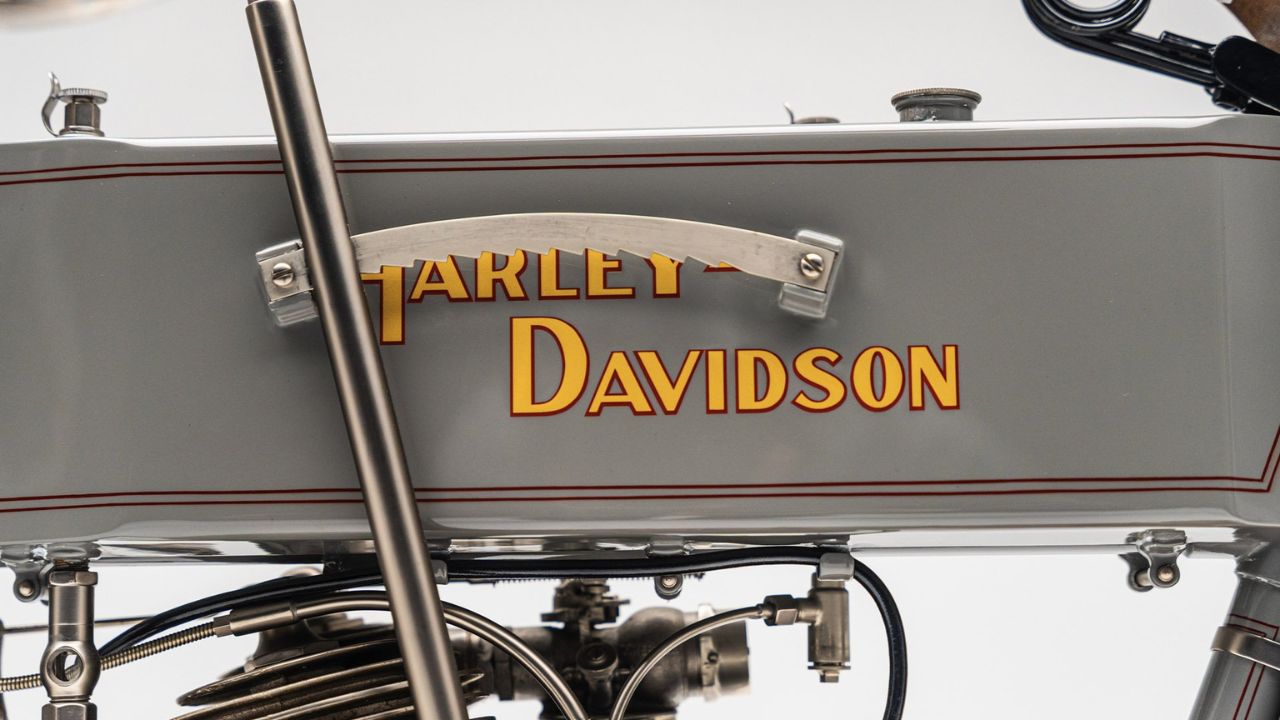
In the motorcycle world, Harley-Davidson offers one of the clearest examples of a long-lived platform that still feels relevant. The company has spent decades refining its big V-twin cruisers rather than abandoning them for radically different architectures. A recent review of modern Harleys notes how the Milwaukee-Eight engines, classic teardrop tanks and low-slung frames still give riders a sense of occasion that rivals cannot quite replicate, even as those bikes now carry ride modes, traction control and other modern electronics. The piece describes how contemporary Harleys manage to feel “special” years after purchase, with owners holding on to them longer than typical industry trade-in cycles, which reinforces their status as a continuing benchmark for character-driven motorcycles.
Streaming libraries tell a similar story for film. A survey of catalog titles available on major platforms highlighted a slate of classic movies from October 1990 that remain easy to watch today, from mainstream hits to cult favorites. These films, now more than three decades old, still draw enough audience interest that services keep renewing rights and promoting them. The list spans genres, including horror, drama and action, and shows how a specific release window from the early 1990s continues to shape what viewers consider “comfort watches” in the streaming era. The platforms have changed from VHS and cable to digital queues, but the underlying film slate keeps circulating.
In automotive culture, the Infiniti G35 has quietly moved from near-new status symbol to respected classic. A detailed retrospective on the G35’s 35-year arc describes how the car, launched as a rear-wheel-drive sports sedan and coupe with a naturally aspirated V6, built a loyal following among drivers who wanted everyday practicality with genuine performance. That coverage tracks how the G35’s platform, shared with the Nissan 350Z, spawned track builds, drift cars and long-term daily drivers that still show up at enthusiast meets. The article labels the G35 a “cult classic” and points to sustained demand in the used market, along with online communities that continue to trade tuning advice and parts.
Music charts provide another angle on endurance. The LOX, the Yonkers rap trio of Jadakiss, Styles P and Sheek Louch, saw their debut album “Money, Power & Respect” officially certified platinum by the Recording Industry Association of America. Reporting on the certification notes that the RIAA recognized more than 1,000,000 units in combined sales and streaming equivalents for the project, which originally arrived in the late 1990s. The album’s title track and collaborations with artists such as DMX and Lil’ Kim helped define a particular New York sound, and the new certification confirms that listeners are still streaming and buying the record at significant levels decades later.
Even military aviation offers a case study. The McDonnell Douglas (now Boeing) F-15 fighter jet first flew in the 1970s, yet a recent feature on the aircraft’s 50-year mark describes how it remains a “platform of respect” within air forces that operate it. The piece details how successive variants, including the F-15C, F-15E and more modern F-15EX, have kept the basic airframe relevant through upgraded avionics, radar and weapons systems. It also notes the aircraft’s combat record and continued procurement by countries that could buy newer designs, which signals confidence in the underlying platform’s performance and adaptability.
Alongside these mechanical and cultural platforms sits a more complicated figure: Australian broadcaster Alan Jones. A report on his recent arrest states that New South Wales Police charged Jones with indecent assault related to alleged sexual touching of a 17-year-old boy in the 1980s. The article explains that Jones, a long-time radio host and political commentator, has faced previous controversies over his on-air comments and influence. His case shows how a once-dominant media platform, built on personality and audience loyalty, can confront a reckoning decades later while parts of the audience still remember his earlier prominence.
Why it matters
These stories share a common thread. Each involves a platform that has outlived its original context yet still commands attention, money or institutional commitment. Understanding why sheds light on how cultural and technical legacies form, and why some survive while others vanish.
Harley-Davidson’s strategy illustrates the power of continuity. The modern big twin lineup offers better brakes, improved suspension and cleaner emissions than its predecessors, but the core experience remains recognizable to riders who grew up with earlier Evolution and Twin Cam models. Reviewers describe how the bikes’ low-end torque, heavy flywheels and distinctive exhaust note create a riding feel that owners describe as almost ritualistic. That sense of continuity helps explain why used Harleys tend to retain value and why riders often personalize them rather than trade them in. The platform’s long life is not an accident; it is a product of deliberate incremental evolution that keeps the emotional core intact while addressing safety and regulatory demands, as highlighted in the analysis of Harley-Davidson’s appeal.
The enduring pull of films from October 1990 shows how content libraries depend on more than new releases. Streaming services face constant churn in licensing, yet they keep space for titles that consistently attract viewers. The curated list of that month’s movies, now available across platforms such as Netflix, Prime Video and others, indicates that certain narratives and aesthetics still resonate. Whether it is a horror sequel that fans revisit each Halloween or a drama that became a cable staple, these films function as anchor points in the catalog. Their presence helps differentiate services, and their steady viewership justifies the cost of maintaining them in rotation, as seen in the breakdown of classic 1990 movies.
The Infiniti G35 illustrates how a platform can gain respect over time even if it never dominated sales charts. The retrospective on the G35 emphasizes its front-engine, rear-drive layout, relatively simple mechanicals and strong VQ-series V6 as a combination that invites modification. Owners have turned G35 sedans into sleeper track cars and coupes into drift machines, helped by the car’s shared architecture with the Nissan 350Z. That flexibility, along with a driving feel that many enthusiasts describe as more analog than modern turbocharged rivals, has lifted the G35 into cult status. The article on G35’s cult classic points out that clean, unmodified examples are increasingly sought after, a sign that the market recognizes the platform’s long-term value.
Music consumption trends show a similar pattern. The LOX’s “Money, Power & Respect” reaching platinum status decades after release reflects how streaming can extend the life of an album that might have plateaued in the physical era. The certification covers sales, digital downloads and streams, which means younger listeners who discover the group through social media or curated playlists now contribute to the album’s official tally. Coverage of the RIAA milestone notes that the project’s gritty production and guest features have kept it in rotation for fans of late-1990s East Coast rap. That longevity reinforces the LOX’s place in hip-hop history and shows how a debut album can function as a platform for an artist’s long-term brand, as detailed in the report on the platinum certification.
In the defense sector, the F-15’s continued service highlights a different kind of respect. Air forces operate in a world of long procurement cycles and enormous capital costs, so a fighter that can be upgraded instead of replaced offers strategic and budgetary advantages. The feature on the F-15’s 50 years in service notes that the aircraft’s large airframe and twin-engine layout provide room for new radar, avionics and weapons without sacrificing performance. That adaptability has allowed the platform to evolve from pure air superiority to multirole strike missions, and now to the F-15EX with advanced digital systems. The article on the F-15’s enduring status argues that this track record gives pilots and commanders confidence in the jet even as stealthier designs enter service.
The Alan Jones case, while very different in subject matter, raises questions about how long a media platform can retain influence when its foundation is a single personality. The report on his arrest explains that Jones built a powerful radio presence, with politicians courting his audience and advertisers paying to reach his listeners. The alleged conduct that led to the indecent assault charge dates back to the 1980s, yet the legal and reputational consequences are unfolding decades later. Coverage of allegations against Jones shows how a platform based on personal authority can face a sudden collapse when that authority is challenged. In contrast to mechanical or artistic platforms, which can be separated from their creators, personality-driven media can struggle to maintain respect once trust erodes.
Taken together, these examples show that longevity alone does not guarantee admiration. What earns lasting respect is a combination of consistent performance, emotional connection and the ability to adapt without losing identity. Harleys evolve but still feel like Harleys. The G35 can host turbo kits and coilovers yet remains recognizably itself. The F-15 receives new radar and weapons but still flies with the same basic silhouette that first impressed pilots in the 1970s. Albums and films gain new audiences through streaming, yet they remain rooted in the sound and style that first caught attention.
What to watch next
Several trends will determine which of these classic platforms continue to hold their status, and which might finally be overtaken.
For Harley-Davidson, regulatory pressure and shifting consumer tastes will test the company’s ability to keep its core platform alive. Emissions standards are tightening in key markets, and younger riders often prioritize lighter weight and lower cost. The brand has already experimented with liquid-cooled engines and electric models. The question is whether future big twins can maintain the character that current owners cherish while meeting new rules. If the platform drifts too far from its roots, the respect it commands may migrate to past model years rather than current ones, a dynamic hinted at in the analysis of long-term owner loyalty in the recent review.
Streaming services will continue to mine their back catalogs for engagement, but licensing costs and competition may reshape which classic films stay visible. The October 1990 slate demonstrates that older titles can still anchor viewing habits. However, as studios consolidate rights and push their own platforms, some movies may vanish from general-purpose services. Viewers who grew up with those films may follow them to niche platforms, while younger audiences might never encounter them unless algorithms surface them prominently. Watching how often services highlight those 1990 titles in carousels and recommendations will offer clues about their future cultural footprint.
More from Fast Lane Only