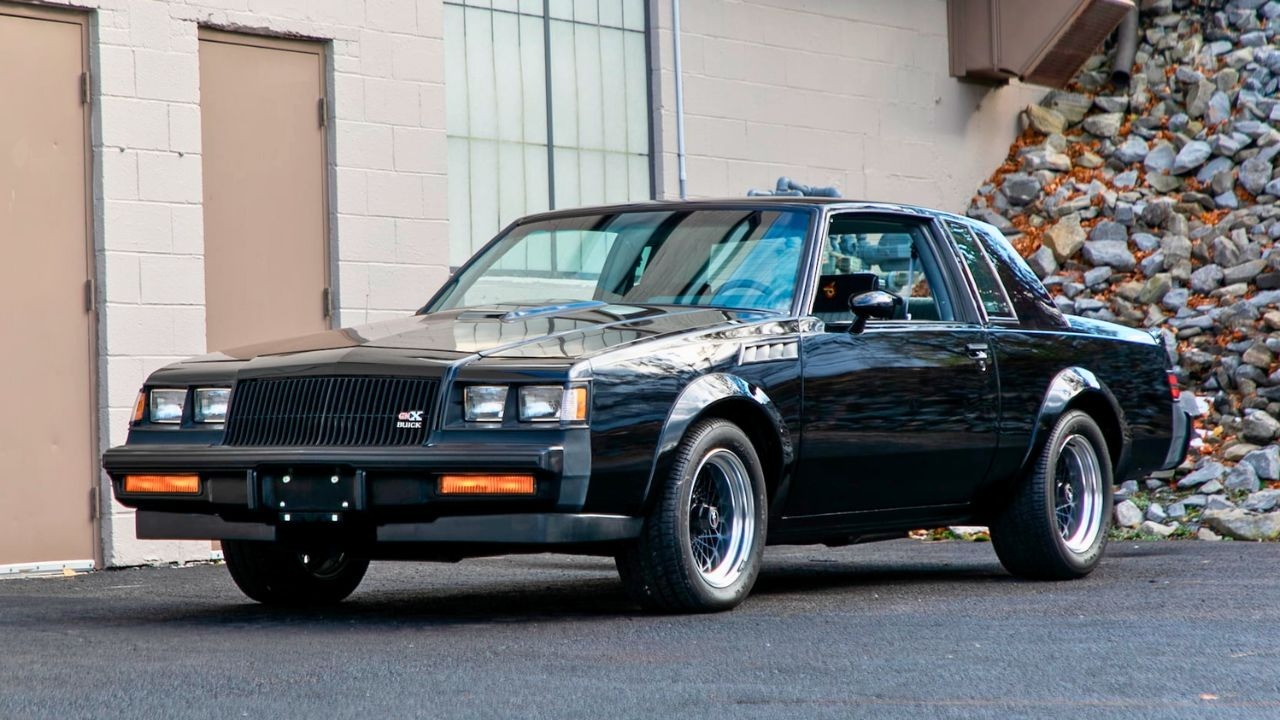
Among General Motors’ many muscle cars, one model slipped past the usual showroom chatter and magazine covers, only to become a cult favorite decades later. Built in small numbers and overshadowed by flashier siblings, it quietly developed a reputation for brutal straight-line speed and surprising sophistication. Today, that mix of rarity, performance, and backstory has turned it into one of the most sought-after GM products of its era among collectors and serious enthusiasts.
At first glance, it looked like just another period GM coupe, sharing familiar bodywork and trim. The real story sat under the hood and in the option codes, where engineers and a few savvy buyers combined big power, clever gearing, and understated styling into a package that could humble more famous rivals and leave showroom heroes struggling to keep up.
What happened
During the height of the muscle car wars, GM fielded a crowded roster of performance models that often fought each other as much as they fought Ford and Chrysler. Chevrolet had the Camaro and Chevelle, Pontiac sold the GTO and Firebird, Buick offered the GS, and Oldsmobile pitched the 4-4-2. Within that internal rivalry, one configuration emerged that was both rare and devastatingly quick, especially when ordered with the most aggressive drivetrain and suspension options.
The car’s legend grew from the way it combined a high-output V8, a relatively light body, and a chassis tuned for straight-line traction. Period road tests and owner accounts described quarter-mile times that embarrassed better-advertised competitors. Modern performance writers have pointed out that this specific GM muscle car could, in the right trim, effectively outrun everything else in its class, a claim reinforced in retrospectives that highlight how it quietly outran everything around it in showroom-stock form.
Marketing played a major role in why it flew under the radar at the time. GM’s promotional focus tilted toward models with broader name recognition and racing tie-ins. The rare configuration that now excites collectors was often buried deep in order sheets, known mainly to drag racers and well-informed salespeople. Many buyers who wanted a fast GM car simply picked the most obvious nameplate, leaving this sleeper combination to a small group of enthusiasts who understood option codes and dealer ordering guides.
Production numbers stayed low because the package was relatively expensive and highly specialized. Buyers needed to stack a big engine option with a specific transmission, rear axle ratio, and often a heavy-duty cooling or suspension package. At the same time, insurance pressures were rising, fuel concerns were starting to creep in, and many customers were already shifting toward comfort or appearance packages rather than maximum performance. As a result, only a fraction of total GM muscle car output carried the exact specification that would later draw intense attention.
Over time, the performance edge that seemed like a niche advantage in period testing turned into a major differentiator. When muscle car values began to climb, collectors initially chased the obvious icons and limited-edition stripes. As those cars became expensive, attention shifted to lesser-known factory combinations that offered equal or better performance. That is when this particular GM model, in its hottest configuration, started to stand out as a rare chance to own a car that could embarrass legends while wearing a relatively anonymous badge.
Survivor numbers further tightened the supply. Many of the original cars were driven hard, modified for drag racing, or lost to rust and accidents. The few that remained stock or close to stock became increasingly valuable. Restoration shops that specialize in period-correct muscle cars began hunting build sheets and original drivetrain components to verify authenticity, since the difference between a standard example and a true high-performance version could mean a significant gap in value.
As the market matured, auction houses started to highlight these cars more prominently. Catalog descriptions began to call out the exact engine codes, transmission types, and axle ratios that defined the top-tier specification. Bidders who might once have overlooked the model learned that, in period, it could run side by side with far more famous nameplates. That shift in awareness helped push prices higher and reinforced the car’s reputation as a hidden gem from GM’s most competitive years.
Why it matters
The rise of this once-overlooked GM model matters for more than just auction headlines. It reshapes how enthusiasts think about the muscle car era and about GM’s internal strategy at the time. Instead of a simple story where a few headline models dominate, the history looks more like a complex web of engineering experiments, regional preferences, and quiet factory specials that only now receive proper credit.
For one, the car illustrates how performance potential can outlast marketing narratives. In period, GM did not heavily promote this exact configuration, and it lacked the racing pedigree or pop culture exposure that lifted some rivals. Yet the measurable performance, especially in quarter-mile times and real-world acceleration, eventually spoke louder than brochures. As modern owners and testers revisited the car with contemporary timing equipment, they confirmed that its factory combination of power and gearing gave it an edge that was not just anecdotal.
The model also shows how scarcity and authenticity drive collector behavior. Because the car was built in relatively low numbers and many were altered over the years, finding a correct example has become a challenge. That scarcity, combined with documented performance, creates a strong value proposition for buyers who want something more exclusive than a mass-produced muscle icon. The search for original build sheets, matching-numbers drivetrains, and unmodified chassis components has become part of the appeal, turning each car into a kind of historical puzzle.
Its story highlights the importance of engineering details that casual observers might miss. Small differences in compression ratio, camshaft profile, carburetion, and exhaust routing can transform a familiar platform into something genuinely quick. GM engineers of the era experimented with these variables across different divisions, often responding to regional dealer feedback or specific racing needs. The model that later emerged as a standout was not necessarily intended to be the company’s flagship, yet its particular mix of parts delivered a result that enthusiasts now prize.
For GM’s legacy, the car serves as evidence that the company’s performance bench was deeper than the usual top-tier names. It suggests that internal competition sometimes produced surprisingly advanced or aggressive packages that did not fit neatly into marketing plans. That tension between engineering ambition and corporate caution is a recurring theme in GM history, from horsepower limits to emissions rules and insurance pressures. This car sits at the intersection of those forces, a product of engineers pushing while executives tried to manage risk.
On the enthusiast side, the car’s rise has encouraged a more research-driven approach to collecting. Instead of focusing only on badges and paint schemes, buyers now pay close attention to factory documentation, drivetrain codes, and period road tests. That shift has benefited other overlooked GM models as well, as people realize that some of the quickest or most interesting cars were not always the ones with the loudest marketing. The result is a broader, more informed appreciation of the era’s engineering variety.
The car also carries cultural weight for a generation that grew up hearing about big-name muscle legends but later discovered that the story was more complicated. For younger enthusiasts who came to these cars through online forums and video channels, learning that a relatively obscure GM model could out-accelerate famous rivals adds a sense of discovery. It challenges simplified nostalgia and invites a deeper look at how performance was measured, recorded, and remembered.
From a market perspective, the car’s desirability affects restoration priorities and parts availability. Shops that once focused on more common models now see value in learning the quirks of this specific platform. Reproduction parts suppliers respond to demand, making it easier to preserve or restore surviving examples. That feedback loop reinforces the car’s status, since easier restoration can bring more cars back to original specification and into the public eye at shows and auctions.
There is also a lesson here about how quickly a model’s reputation can change. For years, this GM car might have been seen as a curiosity or a regional favorite. As data accumulated and stories spread about its ability to outrun better-known rivals, perception shifted. Collectors who once passed over clean examples now treat them as blue-chip opportunities. That transformation underscores how historical narratives remain fluid, especially when fresh evidence or renewed attention surfaces.
Finally, the car’s story resonates with anyone who values understatement. In a segment often defined by stripes, spoilers, and loud exhausts, this GM model delivered serious performance without always advertising it. That sleeper personality appeals to enthusiasts who prefer subtlety, and it aligns with a broader appreciation for cars that hide their capabilities behind modest styling. In that sense, its desirability reflects not only raw speed but also a particular automotive attitude.
What to watch next
Looking ahead, several trends will shape how this rare GM model is perceived and valued. The first is generational turnover in the collector market. As older buyers who experienced the muscle car era firsthand begin to sell collections, younger enthusiasts with different priorities will decide which cars matter most. The model’s combination of performance, rarity, and sleeper appeal positions it well for that transition, but it will compete with a growing interest in later performance cars, including turbocharged imports and modern V8s.
Documentation will play an even larger role. With values rising, questions about originality and correctness become more intense. Expect greater emphasis on factory paperwork, historical photos, and expert verification. Cars that can prove their specification through build sheets, window stickers, or early service records will likely command a premium over examples that lack clear provenance. That scrutiny could also surface more information about regional ordering patterns and dealer practices, enriching the historical record.
The restomod and modification scene will influence the car’s future as well. Some owners may choose to upgrade suspension, brakes, or engine internals for modern drivability, especially if their cars lack complete originality. That approach can increase enjoyment on the road but may limit future collector value if it involves irreversible changes. The tension between preserving factory specification and tailoring a car to contemporary tastes will remain a central question for this model, as it has for many classic muscle cars.
On the performance side, there is ongoing interest in verifying period claims with modern testing methods. As more well-preserved examples reach private collections and specialized shops, opportunities arise to measure acceleration, braking, and handling with current equipment. Those tests could either confirm the car’s reputation as a giant killer or refine the story with more precise numbers. Either way, they will keep the conversation active and give enthusiasts fresh data to debate.
Public visibility will matter too. When one of these cars crosses a high-profile auction block or appears at a major concours or muscle car show, it introduces the model to new audiences. Coverage that explains why the car is special, from its option codes to its performance history, can spark interest among people who previously knew only the headline GM nameplates. That exposure often correlates with increased demand for both pristine originals and project cars.
More from Fast Lane Only