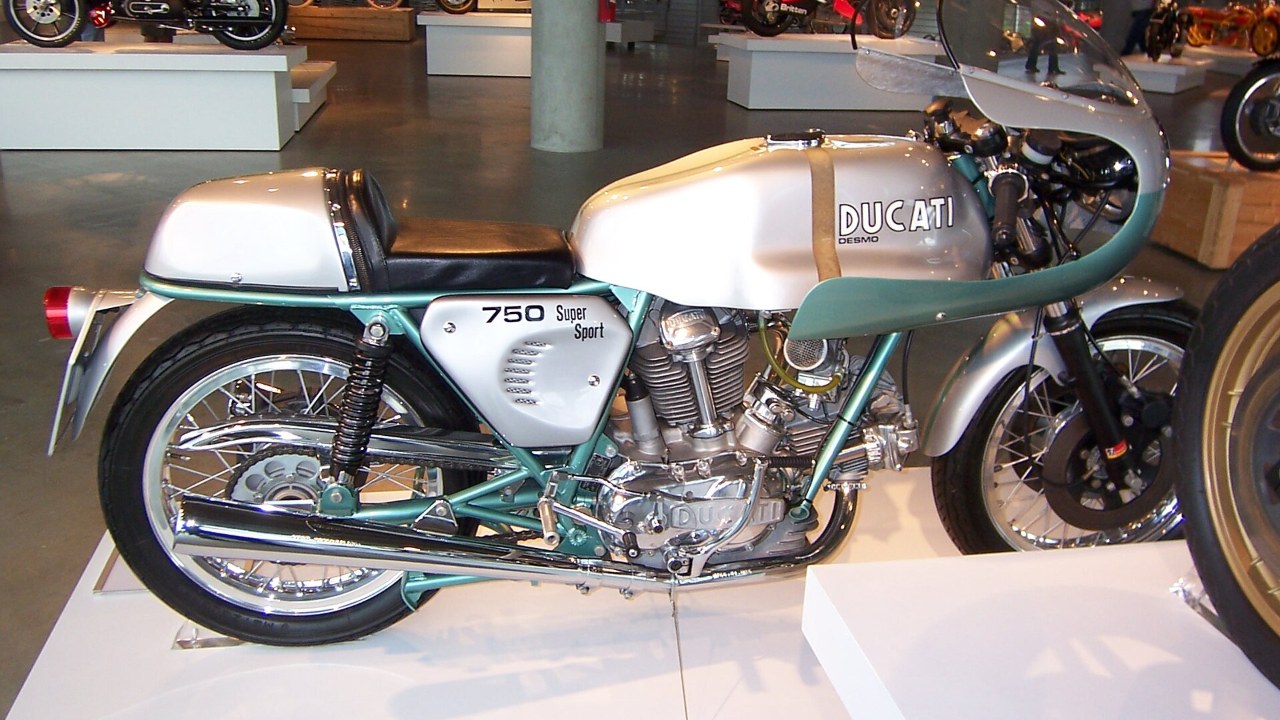
Ducati desmo engines close their valves with a cam instead of a spring, and the company has built that idea into racers and road bikes for 70 years. The story starts with a tiny 125cc Grand Prix single in 1956. It runs all the way to the 195-horsepower 1199 Panigale.
Here is the lineage in eight machines. Each one either introduced the system, carried it to a new audience or changed how Ducati built it. Every figure below comes from a source linked in its section.
First, a quick word on the term. In a normal engine, a cam opens each valve and a spring snaps it shut. In a desmodromic engine, a second cam lobe pulls the valve closed, so there is no spring to float at high rpm.
1. 1956 Ducati 125 Desmo (Trialbero) Racer
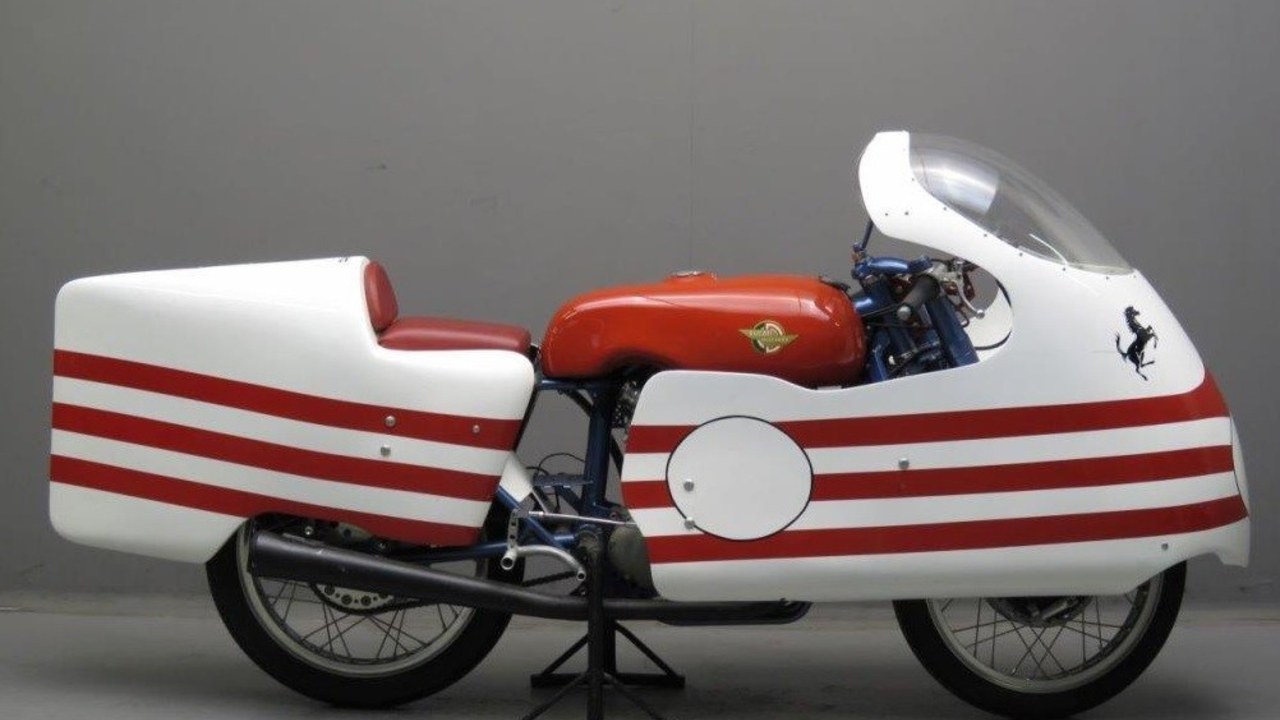
Fabio Taglioni’s first desmodromic design to reach competition was a 125cc single with three camshafts. Hence the Italian nickname Trialbero, or “three shafts.” According to MCNews.com.au’s history of the bike, it made 19 hp. That was a three-horsepower gain over its predecessor, and it could safely reach 15,000 rpm on the over-run.
Then came the debut. Taglioni unveiled it at Hedemora for the 1956 Swedish GP, and Gianni Degli Antoni won the race while lapping every other bike. Hagerty also records that it lapped the entire field on its debut.
2. 1968 Ducati 250 and 350 Mark 3 D
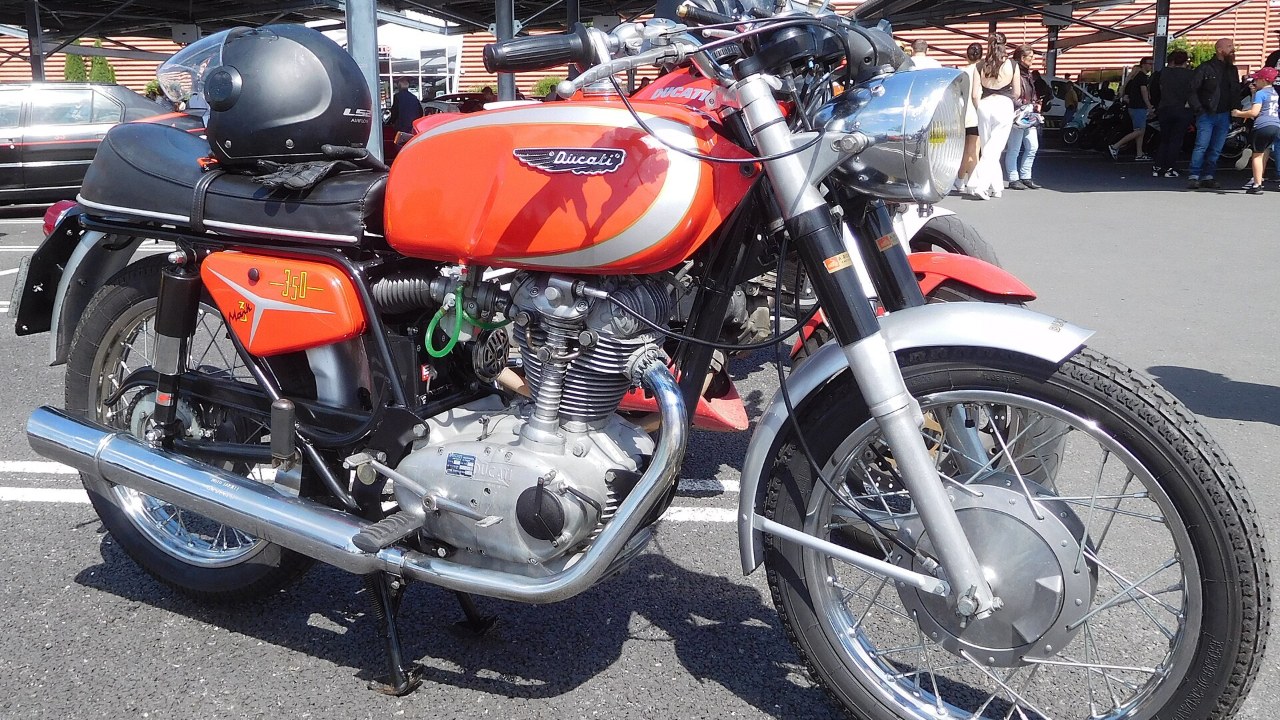
For more than a decade, desmo heads stayed on the race bikes. That changed in 1968. As Motorcycle Classics puts it, Ducati “finally brought a desmo to the street” with the 250 and 350 Mark 3 D singles.
The road version was modest by racing standards. According to the same source, the 350 made 22 hp at 7,500 rpm. A year later, for 1969, a 450 Mark 3 Desmo joined the 250 and 350. So the D on the side panel became the first Ducati desmo badge a customer could actually buy.
3. 1974 Ducati 750 Super Sport
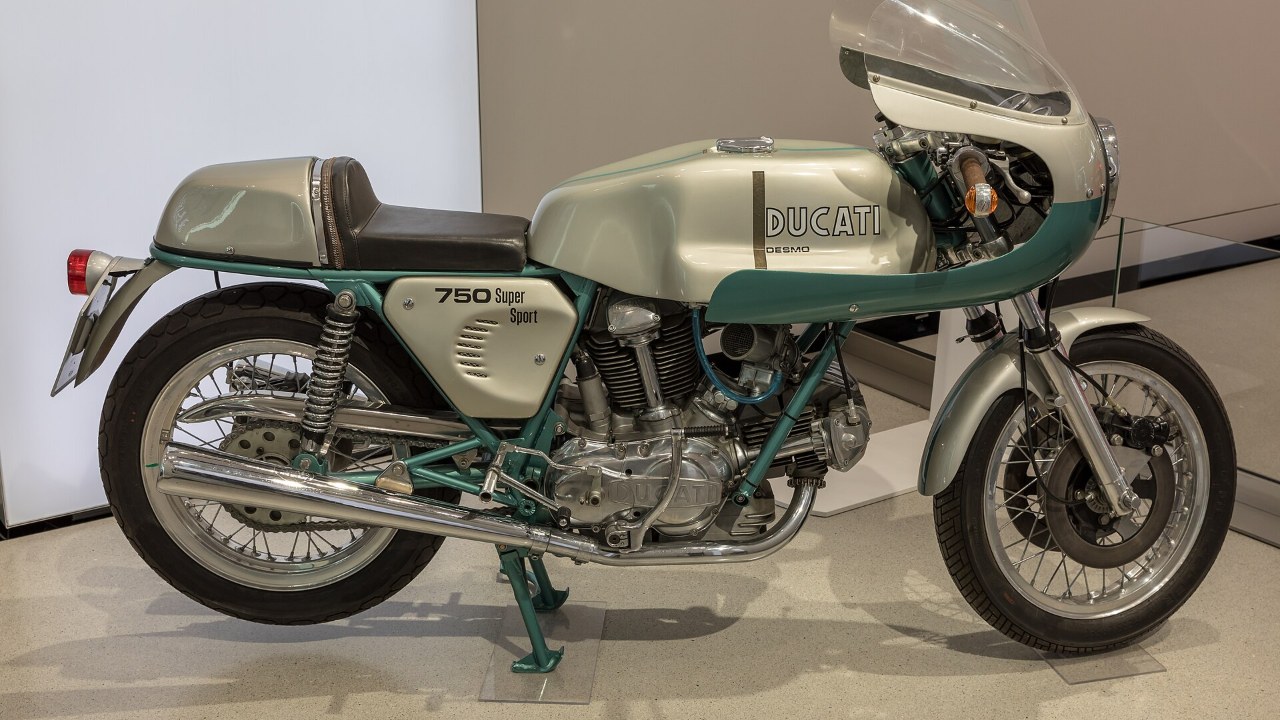
The 750 SS grew out of a race. In 1972, Paul Smart and Bruno Spaggiari won the 200 Miglia di Imola on desmo V-twins, a result Ducati’s heritage site calls one of the most spectacular races in history. The pair finished first and second.
Ducati then built a road replica with a minimal fairing, solo seat, rear-set controls and clip-on bars. According to the National Motorcycle Museum, only a few hundred “green frame” 750SS bikes were hand built. Motorcycle News gives a firmer count for one version: just 401 of the 1974 “round case” 750 Super Sports.
4. 1987 Ducati 851
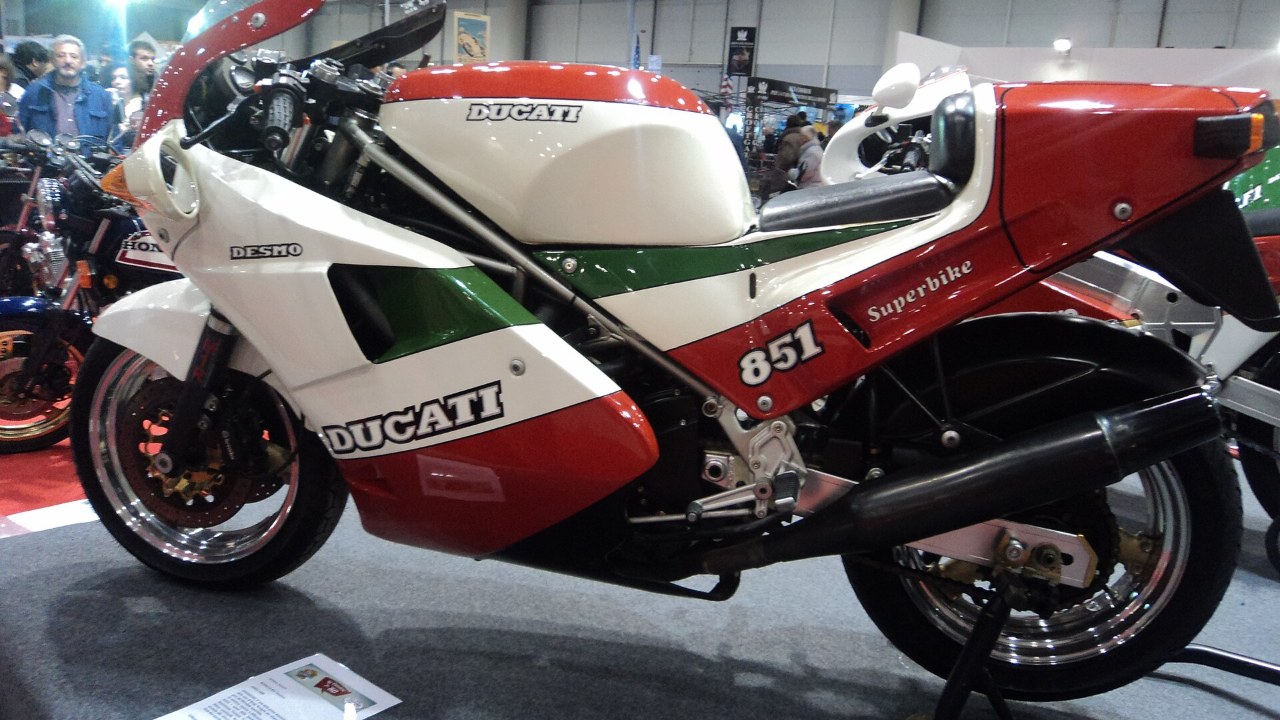
By the 1980s, Massimo Bordi had replaced Taglioni as chief engineer. His Desmoquattro engine kept the desmo valve gear but changed nearly everything around it. In fact, Motorcycle Classics calls it “the first-ever Ducati engine employing liquid cooling, electronic fuel injection, and more than two valves per cylinder.”
Each cylinder head carried four valves and eight rockers, with belt-driven twin overhead cams. The 851S made 119 hp at 10,000 rpm, according to the same article. Meanwhile, Motorcycle News notes the first 851 Tricolore appeared in 1987. The model later won the 1990 World Superbike title with Raymond Roche.
5. 1993 Ducati Monster M900
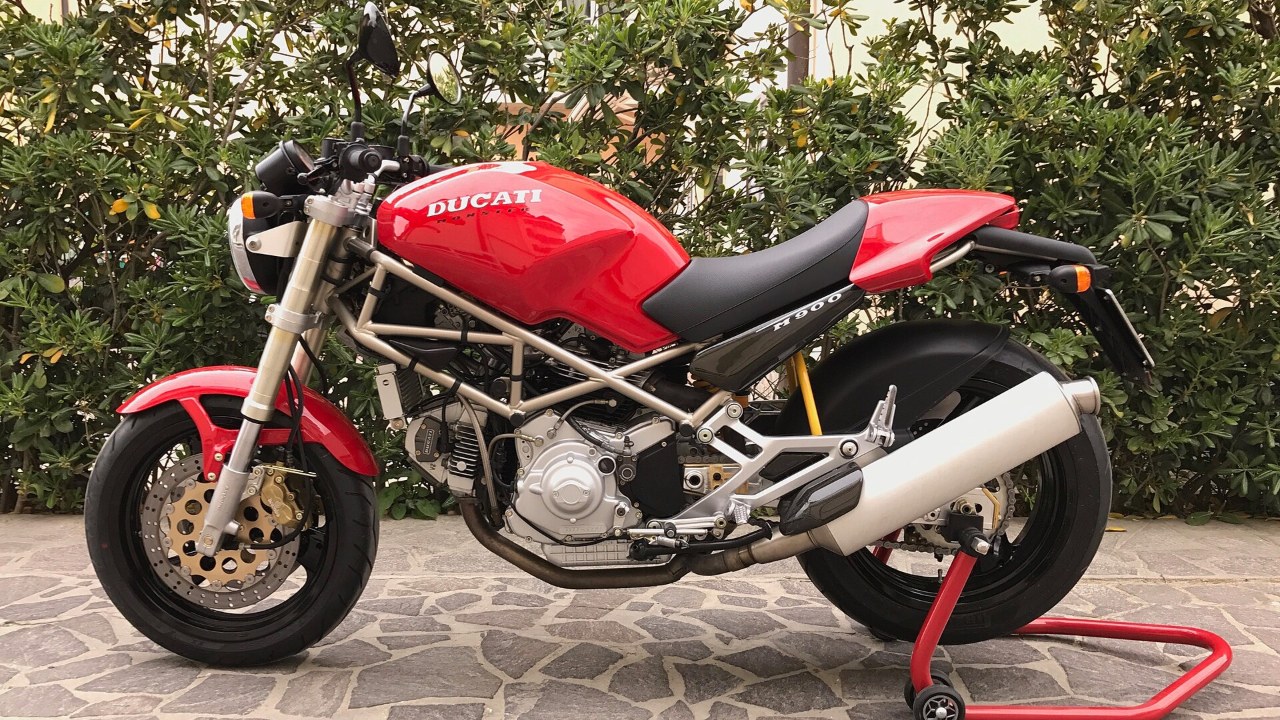
Not every important desmo was a race replica. Miguel Galluzzi designed the M900 Monster, which debuted in 1993. It used a 904cc air/oil-cooled SOHC desmodromic V-twin rated at 73 hp at 7,000 rpm, according to Motorcycle Classics.
The naked bike sold well beyond anyone’s racing plans. The same article calls the Monster “Ducati’s best-selling model ever.” It also cites Motorcycle News for the figure that 300,000 Monsters had been built by 2016. In fact, the Monster made up more than 50 percent of Borgo Panigale’s output between 1993 and 2014, by that account.
6. 1994 Ducati 916
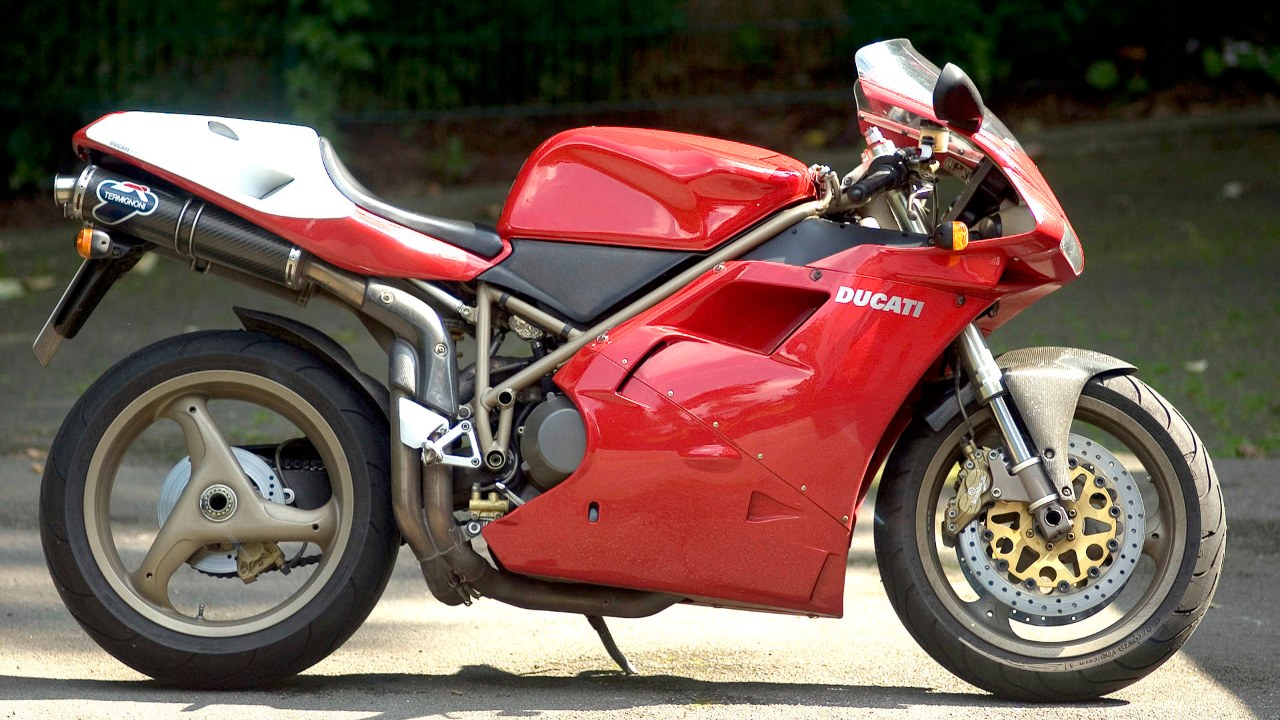
Massimo Tamburini’s 916 took the Desmoquattro idea and wrapped it in a new chassis. Motorcycle News describes it as the “further enlarged and fully redesigned 916,” launched in 1994. Its 916cc 90-degree V-twin gave the bike its name.
The power figures came in two steps. According to Hagerty UK’s buying guide, the standard Strada made 114 bhp. Meanwhile, the SP version made 126 bhp thanks to twin fuel injectors. By the end of its run, the same guide says, the 916 had four World Superbike titles to its name.
7. 2007 Ducati Desmosedici RR
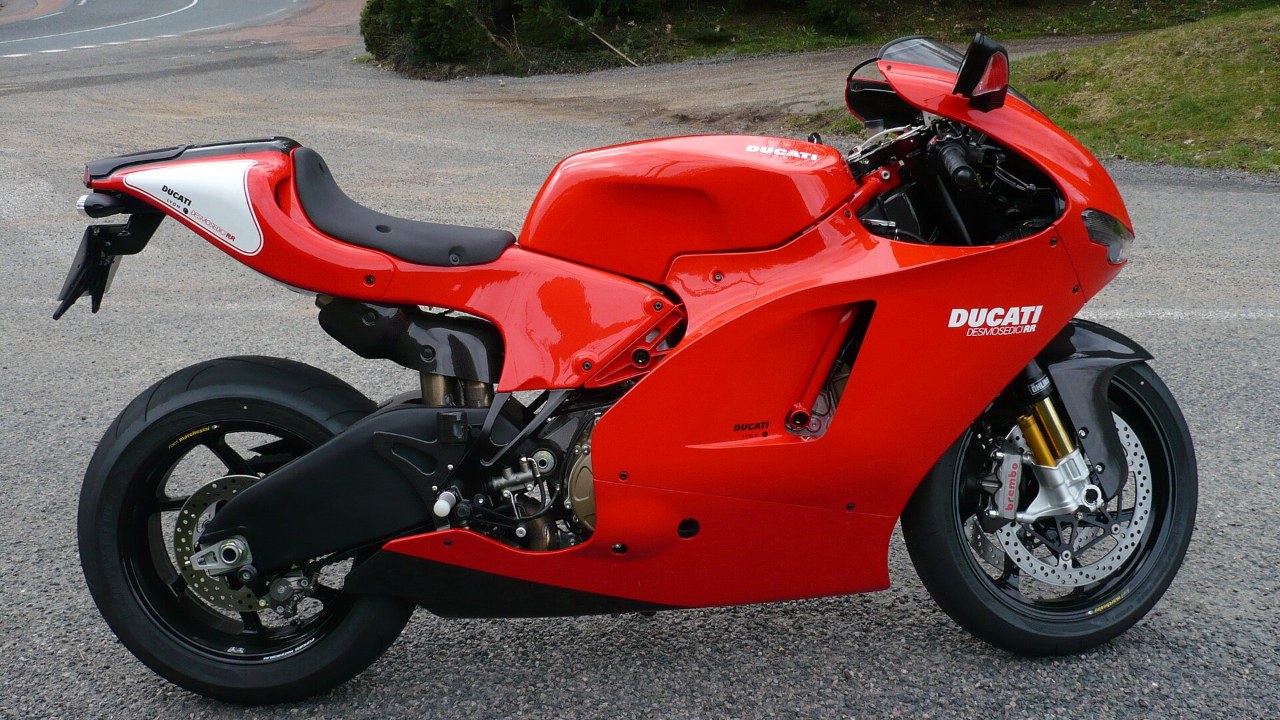
The Desmosedici RR brought a MotoGP-style engine to the showroom. Its 989cc V4 used 16 desmodromic valves. According to MCNews.com.au’s specification sheet, it made 200 hp at 13,800 rpm. However, that figure applies with the 102 dB racing silencer and dedicated CPU fitted.
Production began in October 2007. By the end of 2008, Ducati had completed 1,500 examples, according to the same source. In other words, the whole production run took about 15 months.
8. 2012 Ducati 1199 Panigale
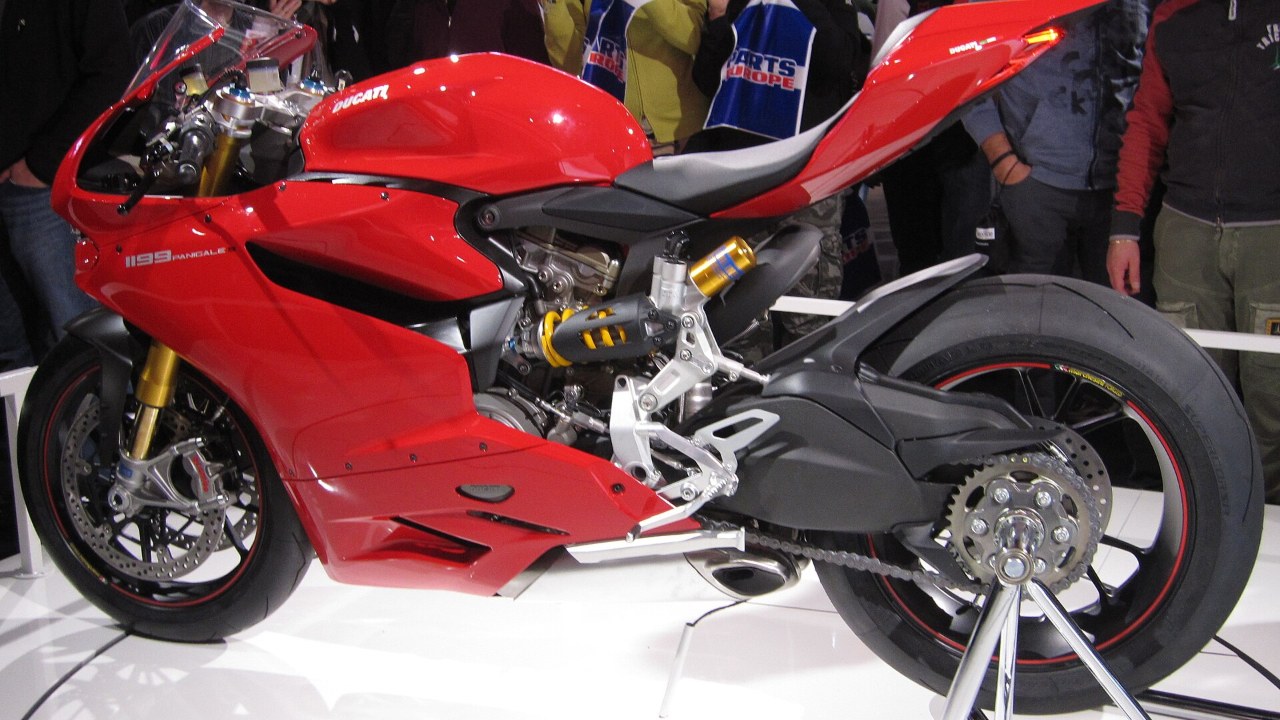
The 1199 Panigale kept the desmo valve gear but rethought the rest. Its Superquadro L-twin used a 112mm bore and a 60.8mm stroke, an “incredibly over-square” layout in Ducati’s words. Power reached 195 hp at 10,750 rpm, with 98.1 lb-ft of torque at 9,000 rpm, according to a road test of the bike.
Also, Ducati dropped the toothed cam belts it had used since 1979. Instead, a chain runs from the crankshaft to the head, and gears drive both camshafts. Still, the desmo system stayed at the center of the design. It closed the valves mechanically 56 years after the 125 first won with the idea at Hedemora in 1956.
More from Fast Lane Only
- Unboxing the WWII Jeep in a Crate
- 15 rare Chevys collectors are quietly buying
- 10 underrated V8s still worth hunting down
- Police notice this before you even roll window down
This article was created with the help of AI and was reviewed and edited by Fast Lane Only editors before publication.