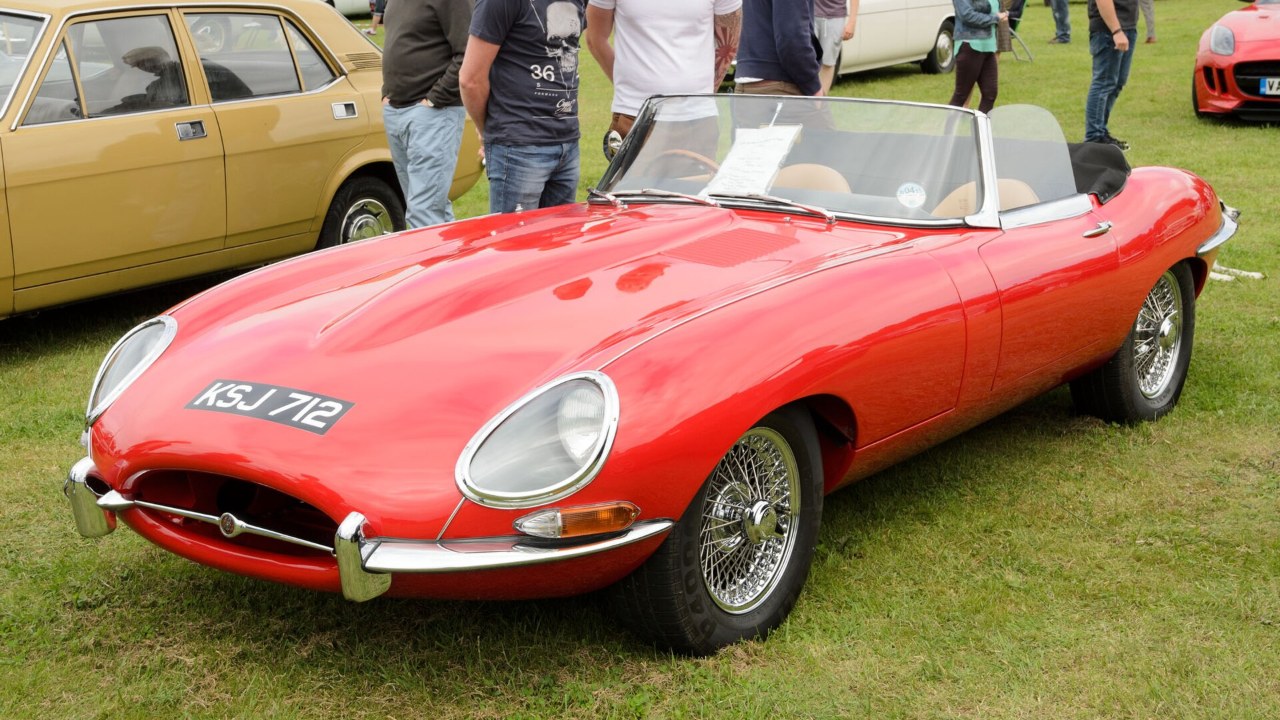
Jaguar showed the E-Type to the press at the 1961 Geneva motor show, and over the next 13 years the car changed more than its shape suggests. Each Jaguar E-Type series brought a new engine, a new gearbox or a new set of rules to meet. Some changes were big, such as the V12. Others came down to a headlamp cover or a row of switches.
Here are the seven versions worth knowing, from the first 3.8-liter cars to the final V12. Also, each section links the source for its figures.
1. 1961 Jaguar E-Type Series 1 3.8

The original car used Jaguar’s 3.8-liter XK straight-six with twin overhead camshafts. According to Octane’s E-Type history, Jaguar first showed it to the press at Geneva in March 1961. Jaguar claimed 265 bhp and 260 lb-ft of torque.
However, that claim needs context. Hagerty UK’s buyer’s guide calls the 265 bhp a gross figure, “more like 220bhp as installed and by modern measuring methods.” The early cars also used the Moss gearbox, with an unsynchronised first gear.
2. 1963 Lightweight E-Type

Jaguar also built a racing version. In February 1963, the company launched a “Special GT E-Type” program and planned 18 competition cars. But only 12 were completed before the project ended in 1964, according to Jaguar’s own 2014 press release. In addition, Octane says the Lightweights used aluminum construction and fuel injection.
Half a century later, Jaguar finished the job. In 2014, it announced six new Lightweights using the unused chassis numbers from 1963. These continuation cars use a 3,868cc XK six with an aluminum block and dry sump. Jaguar rated them at 340 horsepower at 6,500 rpm, and the prototype debuted at Pebble Beach in August 2014.
3. 1964 Series 1 4.2
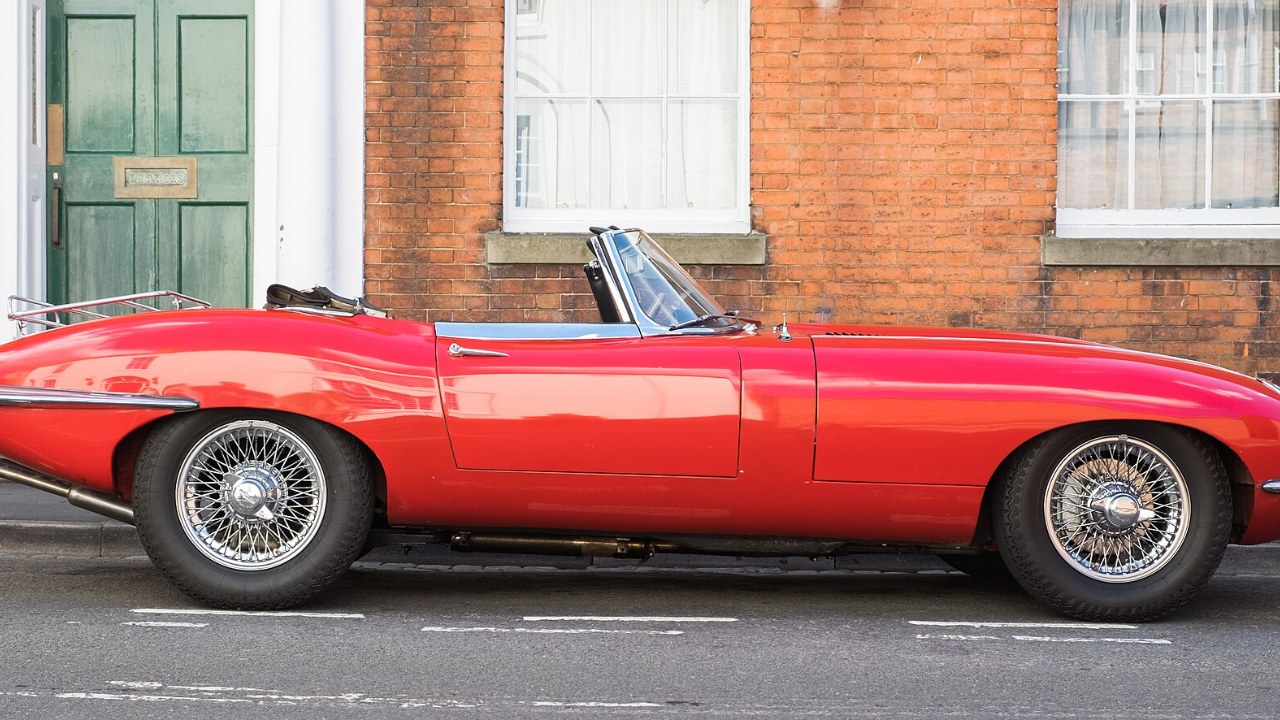
Next, Jaguar enlarged the six. According to Octane, the new 4.2-liter engine arrived in October 1964. Power stayed the same on paper, but the torque figure improved.
The bigger change came in the gearbox. Hagerty UK notes that the 4.2 cars gained an all-synchromesh gearbox in place of the Moss unit. So the 3.8 and 4.2 share a rating, but not a gearbox.
4. Mid-1960s E-Type 2+2 Coupe
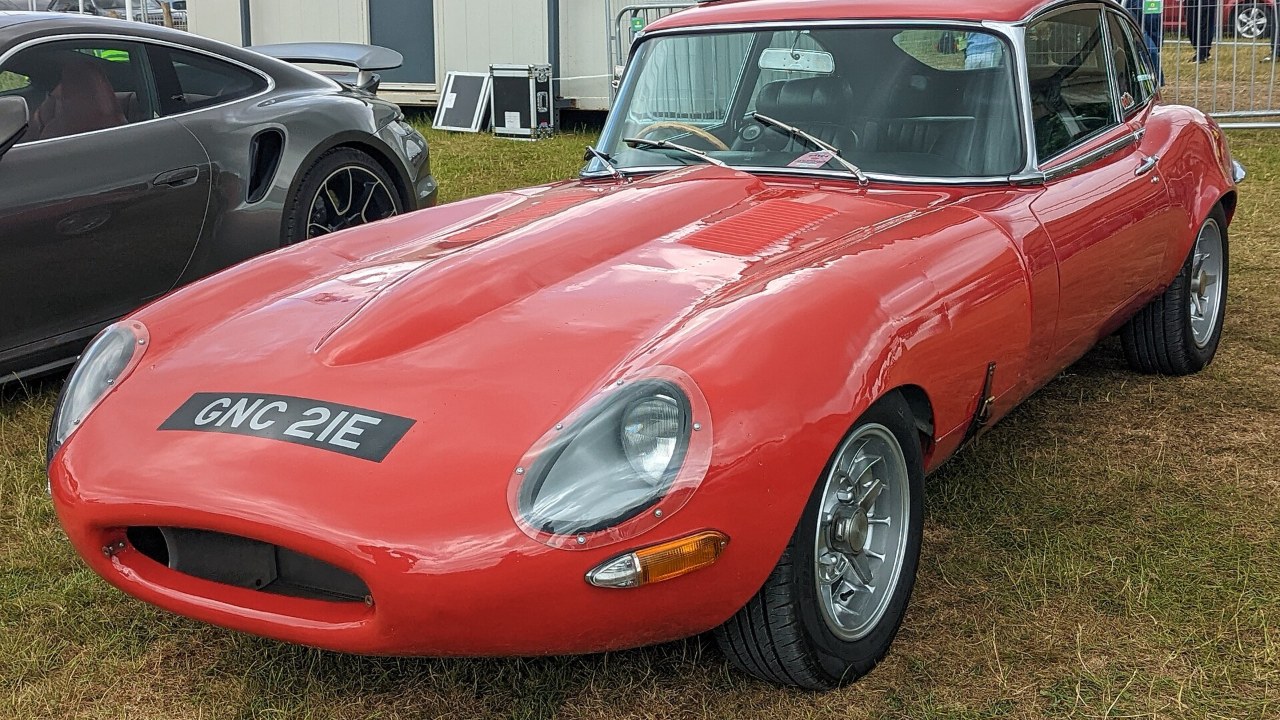
The 2+2 coupe stretched the E-Type for more room. Octane says Jaguar announced the larger 2+2 at the Geneva motor show in March 1966. By contrast, the Jaguar Daimler Heritage Trust dates the long-wheelbase 2+2 coupe to 1965.
Either way, the recipe is clear. Hagerty UK describes it as a “longer-wheelbase, higher-roofed” car. The same guide sums it up as “heavier and less pretty, but it’s also more useful.” That longer wheelbase would matter again later, because the V12 car used it.
5. 1967 Series 1.5

The Series 1.5 is an enthusiast’s name, not an official Jaguar one. Still, the changes were real. According to Octane, this mildly updated E-Type went on sale in October 1967.
Most of the changes came because of American rules. Hagerty UK says that to meet US safety and emissions legislation, Jaguar deleted the clear headlamp covers. Then it replaced the line of dashboard toggle switches with rocker switches.
6. 1968 Series 2
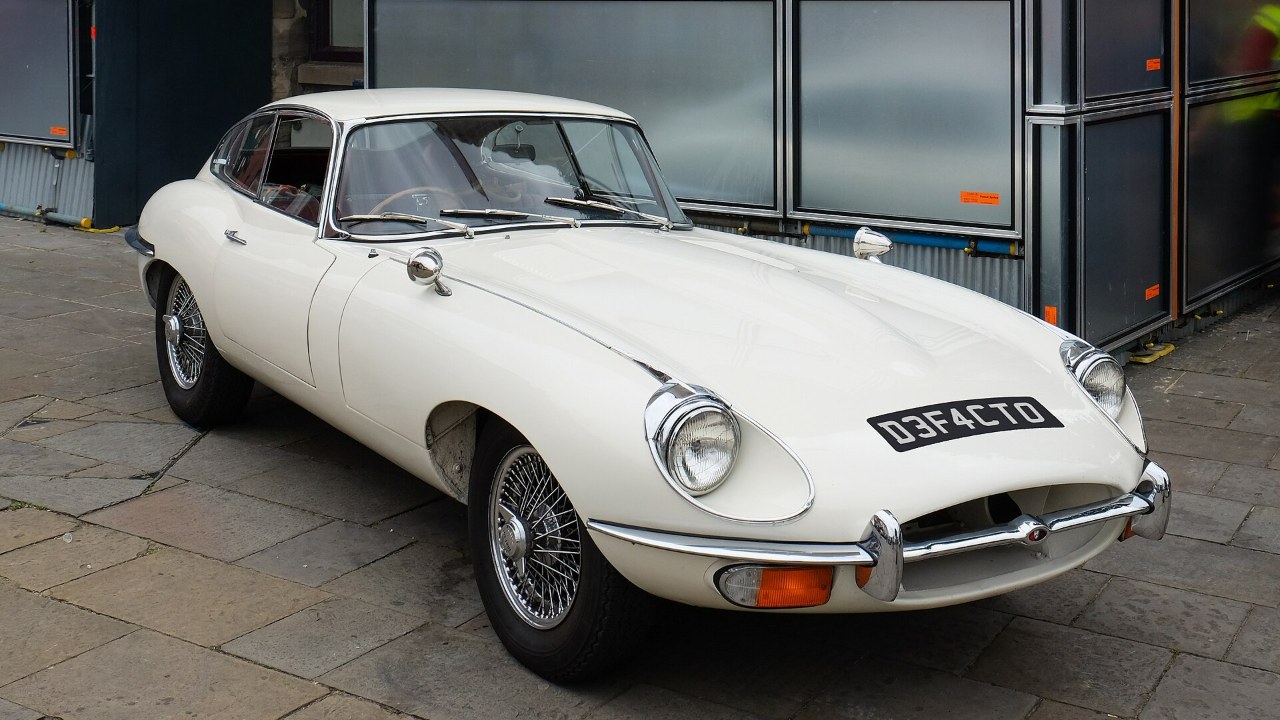
The Series 2 arrived in 1968, according to both Octane and the Jaguar Daimler Heritage Trust. It brought a bigger front air intake to improve cooling, according to Hagerty UK.
Meanwhile, the lights grew. The same guide lists larger side, indicator and rear light lenses. Jaguar also moved the rear lights under a new full-width rear bumper. Those details make a Series 2 easy to spot from behind.
7. 1971 Jaguar E-Type Series 3 V12

The final Jaguar E-Type series added the 5.3-liter V12. According to the Jaguar Daimler Heritage Trust, the Series 3 arrived in April 1971, while Octane says March 1971. The Trust describes it as “effectively the world’s only mass-production V12 engine at the time,” with a single overhead camshaft per bank.
Sources give different power figures for the V12, so we’ll skip a single number. Hagerty UK notes that the Series 3 used the 2+2’s longer wheelbase and wore flared-out wheel arches. Finally, the Trust says Jaguar built a commemorative final batch in June 1974. Forty-nine of those cars were black, and the second-to-last was British Racing Green.
In addition, each one carried a plaque with a facsimile of Sir William Lyons’s signature. The very last E-Type built, a Series 3 open two-seater registered HDU 555N, stayed with Jaguar. The company transferred it to the Jaguar Daimler Heritage Trust in September 1983, and it remains in the Trust’s collection.
More from Fast Lane Only
- Unboxing the WWII Jeep in a Crate
- 15 rare Chevys collectors are quietly buying
- 10 underrated V8s still worth hunting down
- Police notice this before you even roll window down
This article was created with the help of AI and was reviewed and edited by Fast Lane Only editors before publication.