

A diesel four is never the fastest engine in the lot. Instead, the best of them win you over by starting, idling and pulling, year after year, in cars, trucks and tractors that get used hard.
These are our picks for the four-cylinder diesels that seem impossible to kill. The verdicts are our opinion. However, every year, size and rating below comes from maker records and engine histories we checked.
1. Mercedes-Benz OM615 diesel four

Mercedes put the OM615 on sale in early 1968, in 2.0-liter and 2.2-liter sizes. The smaller 1,988cc version powered the W123 200D, rated at 55 PS until February 1979 and 60 PS after that. Those numbers look feeble today, and they were not exciting then either. Still, the same engine also went into the SEAT 132 and Mercedes vans. In our view, an engine trusted across that many jobs earned its spot here.
2. Mercedes-Benz OM601 diesel four
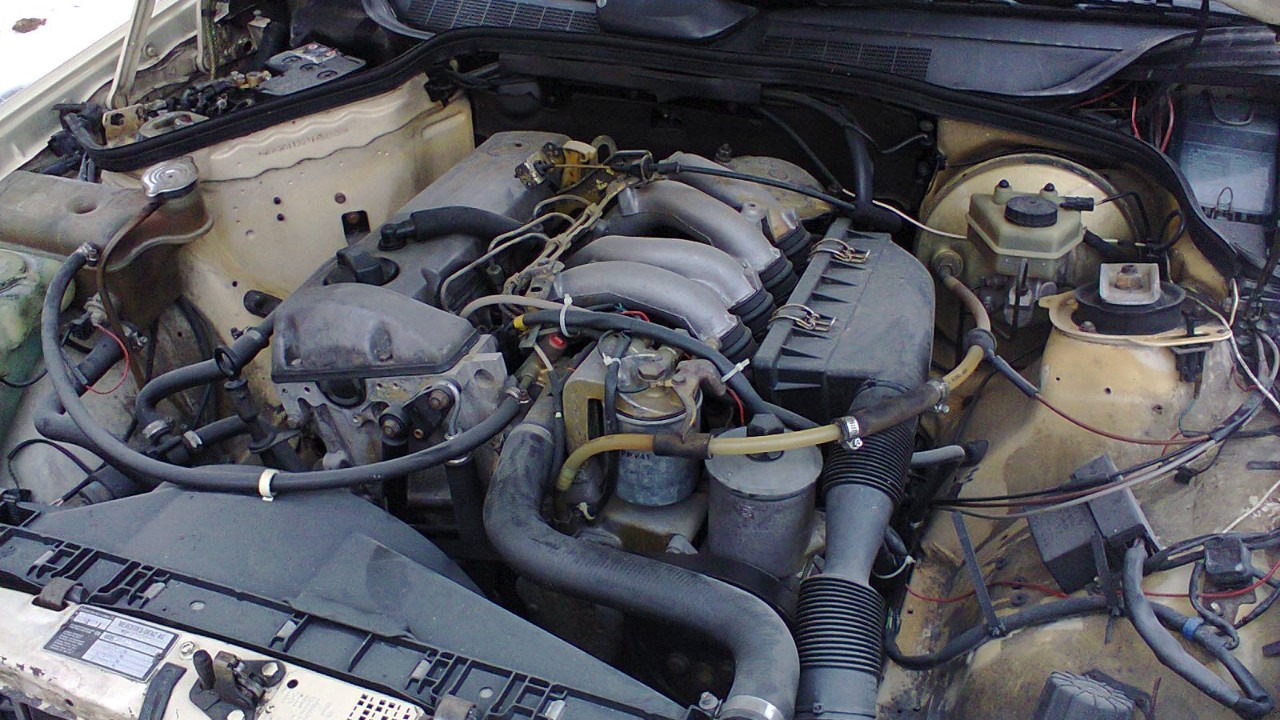
The OM601 replaced the OM616 in 1983 and stayed in production until 2000. Mercedes paired a cast-iron block with an aluminum head. A duplex chain drives both the camshaft and the injection pump, so there is no rubber belt to snap. You found it in the W201 190 D, the European W124 200 D, and later in Vito and Sprinter vans. That spread from sedans to delivery work tells you how far Mercedes trusted it.
3. Toyota 1KZ turbodiesel four

Toyota introduced the 3.0-liter 1KZ-TE in 1993. It displaces 2,982cc and uses a deep-skirt block with twin counter-rotating balance shafts. In Australia it arrived in the 1997 Hilux, then moved into the Prado with an intercooler and 96kW. We’ll be honest, though. Overheating can crack its head, so a tired radiator is not something to ignore. Keep it cool, and this engine just keeps going.
4. Mitsubishi 4D56 turbodiesel four
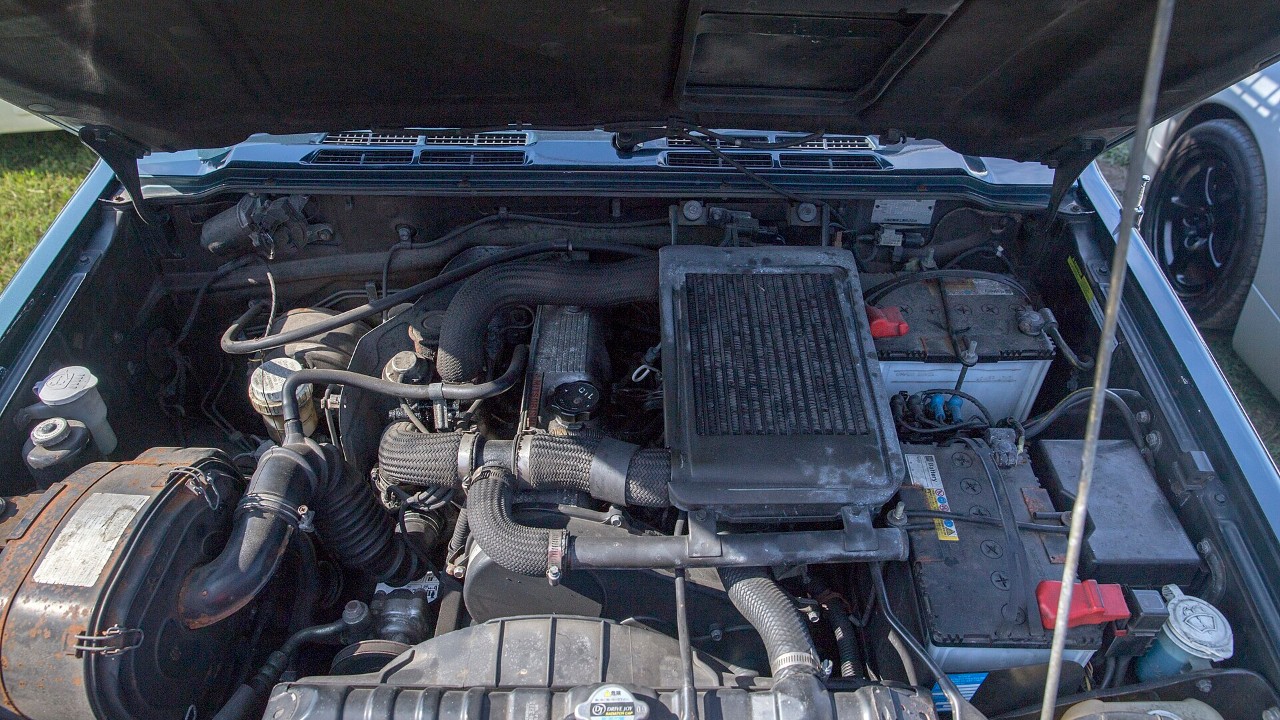
The 2.5-liter 4D56 went into the Delica, the L200 pickup and the Pajero. Hyundai also adapted it for its own vehicles from 1991 to 2007, according to SlashGear. The same outlet says owners expect more than 300,000 miles before it needs significant work. Its power was always modest. That’s fine by us, because nobody buys an old Pajero diesel to win drag races.
5. Land Rover 200Tdi diesel four

The 200Tdi made its debut in the Discovery in 1989, then reached the Ninety and One Ten in 1990, as they became the Defender. Land Rover developed it as Project Gemini. It added a new aluminum head with direct injection, rated at 111 bhp in the Discovery and about 107 bhp in the Defender. Specialist Glencoyne calls it rough and noisy, yet very durable and economical. For a farm truck, that’s exactly the right trade.
6. Volkswagen 1.9 TDI (ARL) diesel four

The ARL was the strongest version of Volkswagen’s 1.9 TDI. It used Pumpe-Düse unit injectors and a variable-geometry Garrett turbo. As a result, it made 150 hp at 4,000 rpm and 320 Nm at just 1,900 rpm from 1,896cc. VW also gave it a stronger crankshaft, connecting rods and pistons than the weaker 1.9 versions. It powered the Golf IV, the Bora and the SEAT Leon FR. Feed it the right oil, and in our view it shrugs off the miles.
7. Perkins 4.236 diesel four
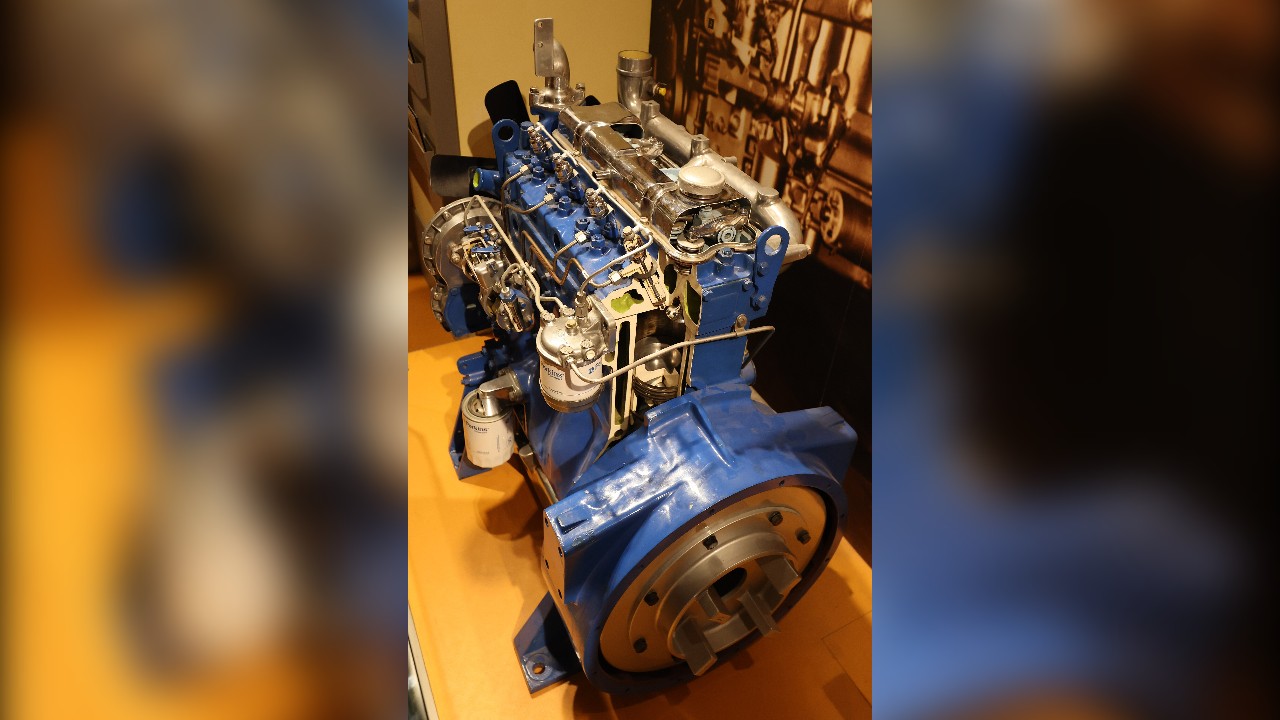
Perkins, founded in Peterborough in 1932, says the first 4.236 left the line in August 1964. The name means four cylinders and 236 cubic inches, rated at 80 hp at 2,800 rpm. Builders put it into Massey Ferguson, JCB and Manitou machines, among others. Meanwhile, UK output topped 60,000 a year from 1969 to 1984. Peterborough alone built more than two million engines in the 4.236 family.
More from Fast Lane Only


