Motorsport history is full of engines so effective that they stopped being technical marvels and started becoming regulatory problems. When one power unit rewrites the competitive balance, officials eventually face a choice between preserving innovation and protecting the show. I want to look at a few of those flashpoints, and at how modern rulemakers are trying to prevent the next runaway engine era before it even starts.
When a 1.6-litre revolution turned into a monopoly
In Formula One, the clearest modern example of engine dominance came with the hybrid era. When the championship shifted to 1.6-litre V6 turbo hybrids, the change was billed as a reset that would reward efficiency and clever packaging. Instead, it handed one manufacturer a head start so large that rivals spent years trying to close the gap while fans argued about whether the sport had become a foregone conclusion. The new 1.6-litre rules were supposed to open a fresh chapter, but they also showed how a complex power unit formula can lock in an advantage for whoever interprets it best on day one.
That advantage was not just about peak horsepower, it was about how completely one team integrated its power unit into the car concept. Commenters later described how, from the very first season of the hybrid era, there was a sense that one particular power unit was “so much better than everyone else” that the rest of the field was effectively racing for second place, a sentiment captured in a discussion that began with the phrase Basically the entire season. Official retrospectives on the regulation change underline how the 1.6-litre switch reshaped the grid and set off a long winning streak for the team that nailed the new formula first, turning a technical triumph into a competitive headache for rulemakers who had to decide how much dominance was too much for a global entertainment product.
The 426 Hemi that scared NASCAR into action

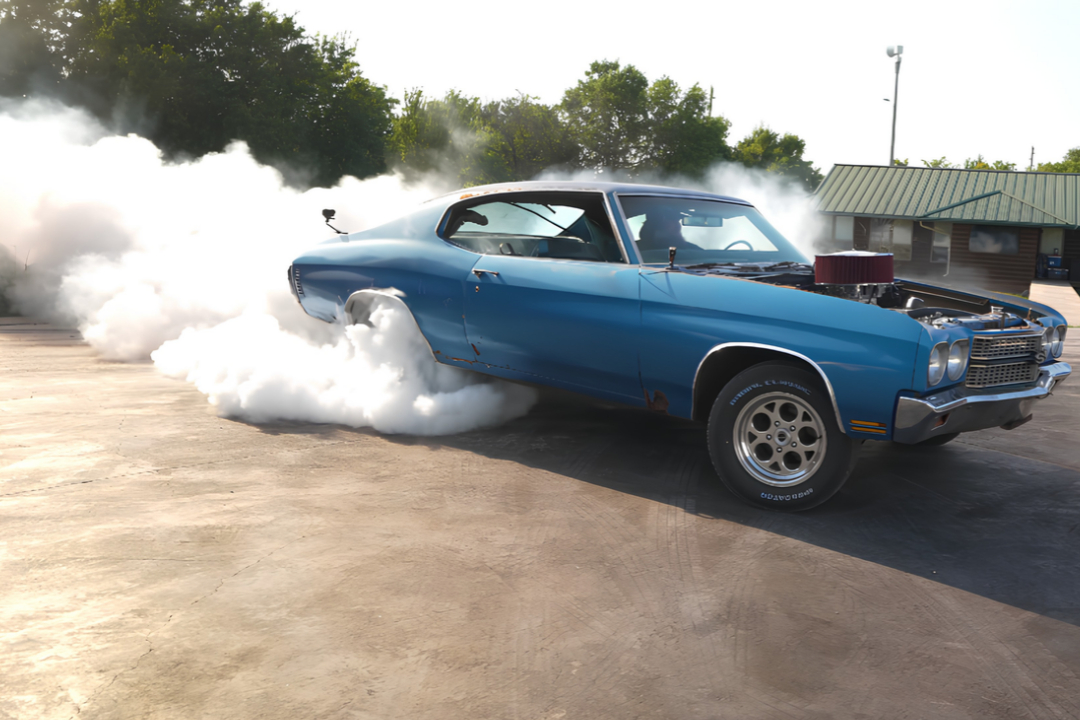
Stock car racing has its own cautionary tale about an engine that was simply too much. When Chrysler unleashed the 426 Hemi in top-level American oval racing, it was not just another big V8, it was a purpose-built weapon that combined huge displacement with cylinder head design that let it breathe far better than its rivals. The result was a car that could out-drag and outlast almost anything else on the track, and it did so with such authority that competitors quickly began to question whether they were still watching a contest of drivers and teams or a showcase for one company’s engineering department.
Regulators in that series did not wait for years of one-sided results before stepping in. The 426 package was scrutinized so thoroughly that rival teams protested its very presence, arguing that the combination of power and reliability created an unsafe speed differential and an uneven playing field. The governing body eventually agreed that this particular Chrysler Hemi configuration had crossed a line, and the engine that had looked like a marketing dream was sidelined after a single season, a story that lives on in clips explaining how NASCAR banned it once officials decided that the balance between innovation and fairness had tipped too far.
Indy’s one-off monster and the limits of loopholes
Single-race dominance can be just as disruptive as a multi-year run, and the Indianapolis 500 has its own famous example. In the mid 1990s, a partnership between a major American team and a German manufacturer produced a turbocharged engine that was designed specifically to exploit a quirk in the rulebook. The regulations allowed a different boost level for certain pushrod engines, and the engineers behind this project built a bespoke unit that fit the letter of the rules while delivering a huge performance advantage in practice and qualifying.
The result was a car that simply drove away from the field, turning the race into a showcase for one engine concept and leaving rivals furious that they had been out-lawyered as much as out-engineered. In the aftermath, officials rewrote the regulations so that, while they still allowed more brands to participate, for the first time since World War II only one type of engine architecture was permitted. That decision effectively closed the loophole that had produced the one-off monster and showed how quickly regulators can move when a clever interpretation threatens to turn a blue-riband event into a technical exhibition rather than a race.
How modern F1 is trying to avoid the next engine era
Today’s Formula One rulemakers are trying to learn from those earlier episodes. With a new power unit cycle looming, the championship is again preparing for a major reset, this time with a stronger emphasis on electrical power and sustainable fuels. Officials know that a repeat of the early hybrid years, when one manufacturer’s interpretation of the rules left everyone else scrambling, would be a hard sell to fans and to the global carmakers that are being courted to join the grid. The goal is to keep the technical challenge high while reducing the risk that one group of engineers disappears over the horizon for half a decade.
That is why there is so much attention on convergence targets and cost controls in the upcoming rules. Discussions among fans and insiders have highlighted that the series is explicitly targeting power unit convergence to avoid a repeat of past dominance, with performance windows and development limits designed to pull lagging manufacturers toward the front rather than letting gaps grow unchecked. At the same time, there is an expectation that some brands will still start stronger than others, and that the early years of the new formula will test whether the balance between innovation and entertainment has finally been struck more effectively than in previous eras.
New players, old fears: Honda, GM and the 2026 question
The next wave of regulations is also reshaping who wants to be involved. Interest from global automakers has surged as hybrid technology and sustainable fuels become more central to road car strategies, and that is reflected in the way companies talk about the championship. One report on manufacturer interest described how Surging worldwide interest in Formula One and the FIA’s Formula One World Championship has drawn in brands that once stayed away, including General Motors, which is now preparing to join Ford in chasing success at the very top of single seater racing. For these companies, the appeal lies in both the global audience and the chance to showcase cutting edge powertrain technology under intense scrutiny.
Existing players are not standing still either. Figures inside the paddock have pointed to Otmar Szafnauer talking up Honda’s resources and infrastructure as reasons to expect the Japanese manufacturer to shine under the new rules, suggesting that Honda has the capacity to extract very high performance levels from its power units once the 2026 cycle begins. At the same time, technically minded fans are already debating whether the new framework will simply hand the advantage to whichever company best balances combustion and electric deployment first, with one widely shared comment starting with the word However and arguing that, even if someone gets a head start, the structure of the rules should allow others to catch up more quickly than in the past.
Why regulators keep chasing the perfect engine rulebook
Looking across these episodes, I keep coming back to the same tension. On one side, there is the pure engineering thrill of watching a Chrysler 426 Hemi or a bespoke Indy pushrod turbo rewrite what is possible within a given rule set. On the other, there is the reality that motorsport is also a business that depends on competitive uncertainty, and that a season or a race dominated by a single engine concept can leave everyone else, from rival teams to ticket buyers, feeling like extras in someone else’s story. That is why officials in series from NASCAR to Formula One have repeatedly chosen to intervene once a power unit crosses an invisible line from clever to crushing.
Modern rulemakers are trying to get ahead of that problem rather than reacting after the fact. When Formula One shifted to the 1.6-litre hybrid era, the scale of one team’s advantage forced years of political wrangling over development tokens and technical directives, and fans are still dissecting how that happened in threads that link back to official Formula season reviews. The hope now is that by writing rules with convergence, cost control and manufacturer diversity in mind from the start, the sport can keep engines wild enough to excite engineers and fans, but not so wild that regulators feel compelled to swing the ban hammer after a single season.