The rise of electric vehicles (EVs) has dramatically transformed the way we travel, especially in the realm of road trips. As EV charging networks rapidly expand, they are reshaping long-distance driving, making it more sustainable and accessible. The development of these networks is revolutionizing the road trip experience for EV owners, offering a glimpse into a future of green travel.
The Growth of EV Charging Networks
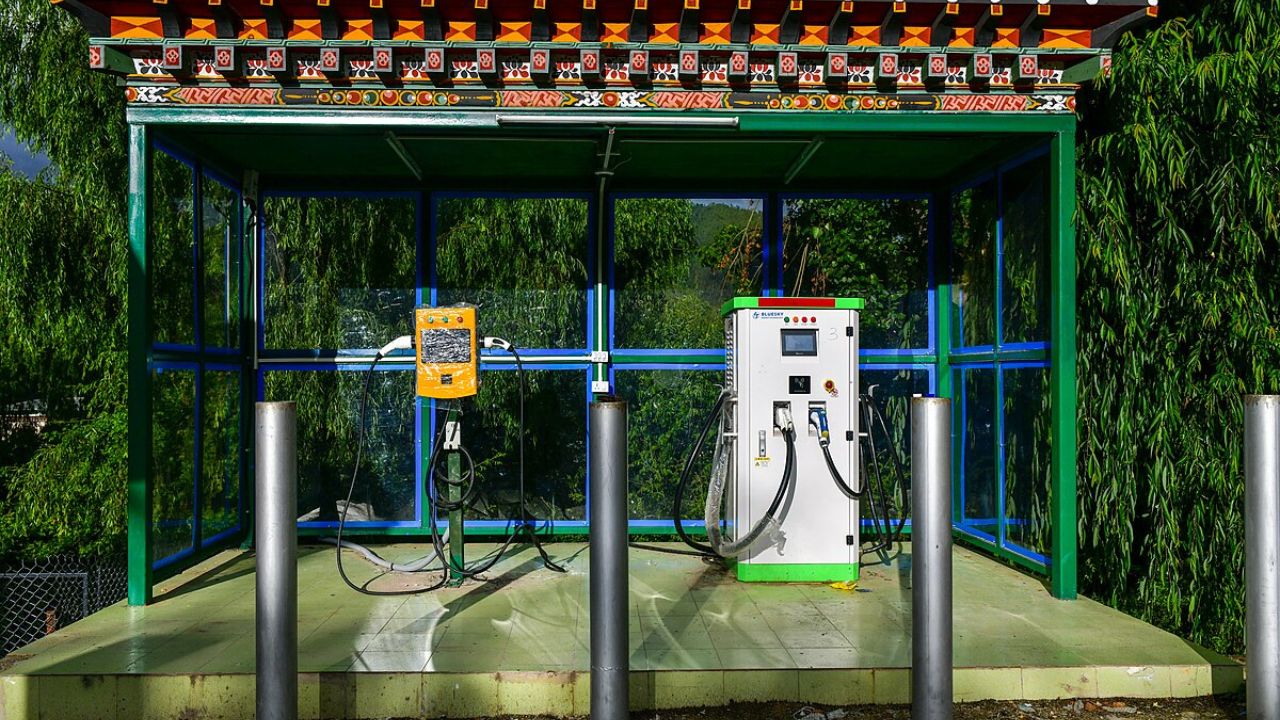
The expansion of EV charging stations is moving at a remarkable pace, with installations popping up along highways and in urban centers to meet the burgeoning demand. Major highway corridors now boast a network of fast-charging stations, reducing range anxiety for travelers. For example, the Electrify America network, which has installed over 800 stations across the United States, provides substantial coverage, enabling EV drivers to traverse large distances with confidence.
Strategic partnerships and collaborations are at the core of this rapid expansion. Automotive giants like Tesla have been at the forefront, with Tesla’s Supercharger network being one of the most extensive globally. Additionally, partnerships between governments and private companies, such as the collaboration between ChargePoint and the U.S. Department of Energy, are crucial in bolstering infrastructure. These alliances aim to streamline the expansion, ensuring that charging networks grow in tandem with the increasing number of EVs on the road.
Technological advancements in chargers have further enhanced the feasibility of long-distance EV travel. Improvements in charging speed and efficiency mean that drivers can now recharge their vehicles in a fraction of the time it once took. For instance, the latest ultra-fast chargers can provide up to 350 kW of power, allowing EVs like the Porsche Taycan to gain 60 miles of range in just four minutes. These advancements make stopping to recharge during a road trip a minor inconvenience rather than a major delay.
Impact on Road Trip Planning and Experience
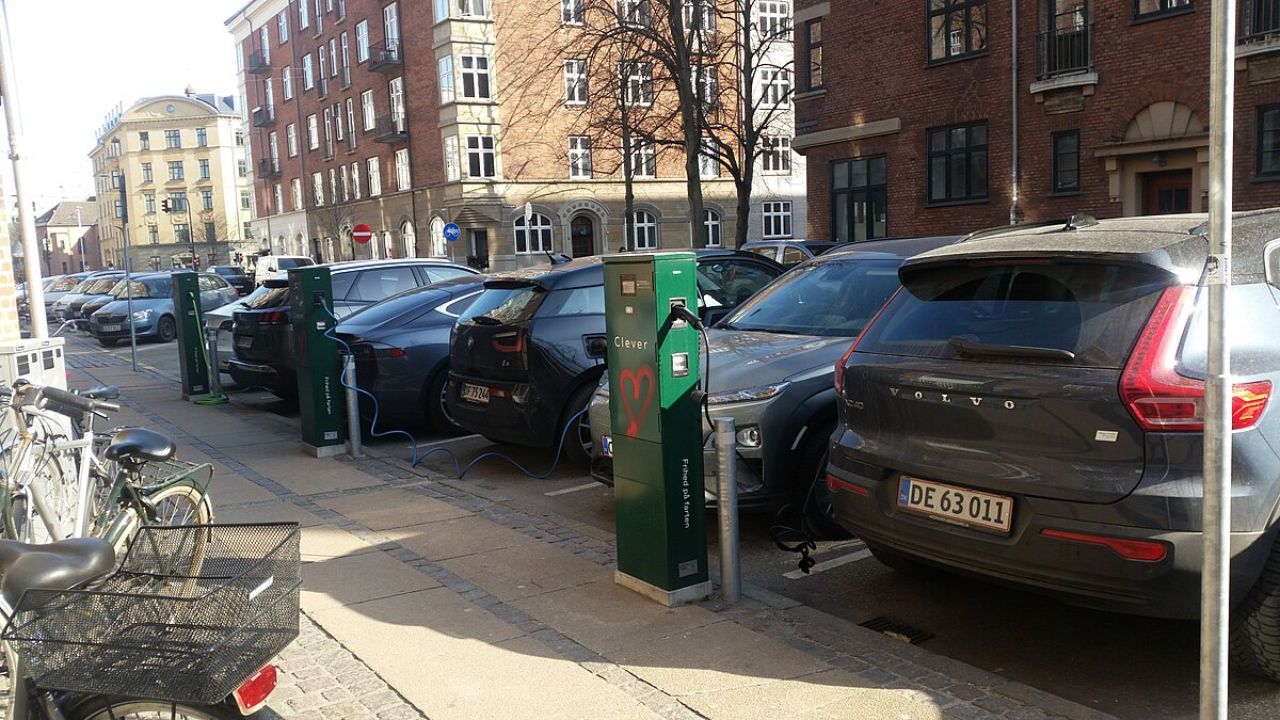
As EV charging networks grow, new route optimization and planning tools are emerging to assist drivers. Apps like A Better Routeplanner and PlugShare offer detailed maps and routing options that highlight available charging stations along a planned route. These tools help ensure a smooth journey by calculating optimal charging stops based on vehicle range and station availability, giving EV drivers peace of mind during their travels.
The availability of charging stations is also influencing travel habits and destinations. With more stations available, EV owners are more inclined to embark on road trips to destinations that were previously considered inconvenient or unreachable. Scenic routes, national parks, and remote locations are now within reach, broadening the scope of travel possibilities for EV drivers.
Charging stations are also evolving to enhance the driver experience with amenities that cater to travelers’ needs. Many stations now offer dining options, Wi-Fi, and entertainment areas, turning charging breaks into enjoyable pit stops. For instance, the Tesla Supercharger station in Kettleman City, California, features a lounge where drivers can relax and enjoy refreshments while their vehicles charge, making the journey more pleasant and less monotonous.
Challenges Facing EV Charging Networks
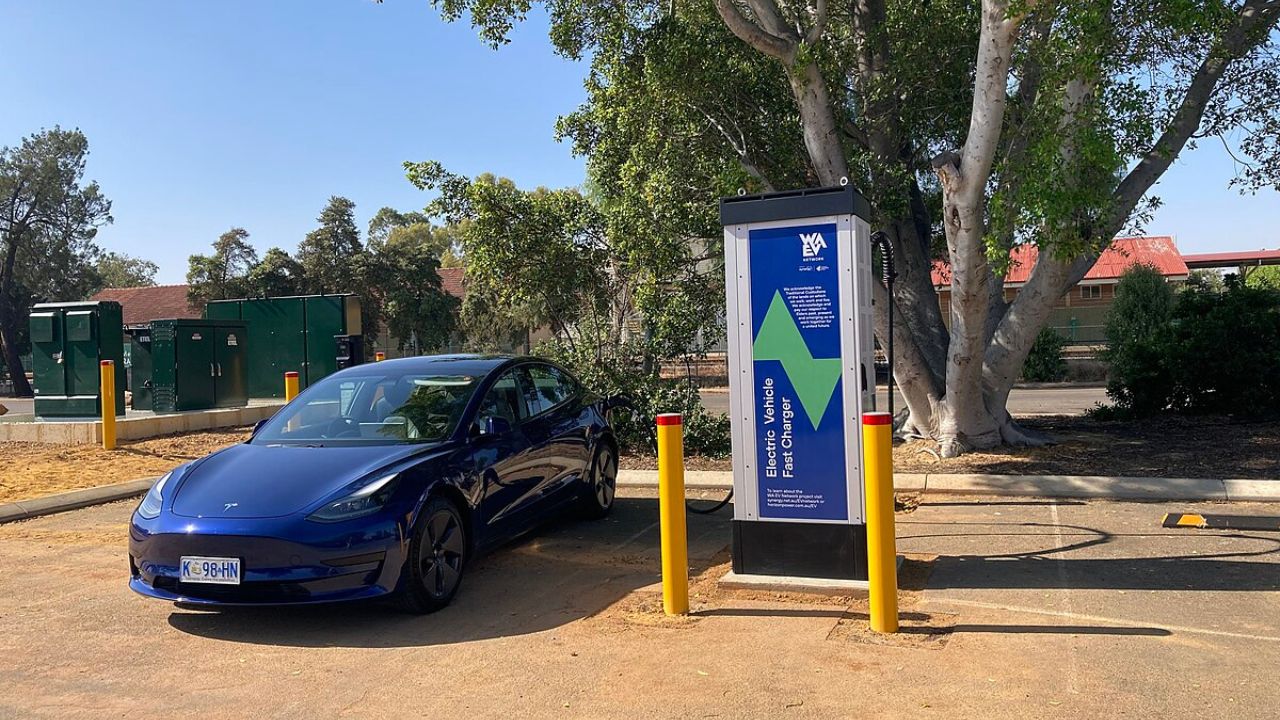
Despite the significant progress, EV charging networks still face challenges, particularly in rural areas where infrastructure development lags behind. The disparity in charging station availability between urban and rural regions can make road trips more challenging for EV owners. For example, while California boasts a robust network of chargers, states in the Midwest may have sparse coverage, complicating long-distance travel.
Charging speed and wait times remain ongoing challenges that affect road trip planning. Although ultra-fast chargers exist, not all stations are equipped with them, and during peak travel times, wait times can increase significantly. This unpredictability can lead to delays, requiring drivers to factor in extra time for charging stops when planning their journeys.
Maintenance and reliability issues are also critical factors in the success of EV charging networks. Ensuring that charging stations are functional and well-maintained is vital for building trust among users. Reports of broken chargers or stations that are out of service can deter EV owners from relying on these networks, highlighting the need for regular maintenance and rapid response to outages.
Environmental and Economic Implications
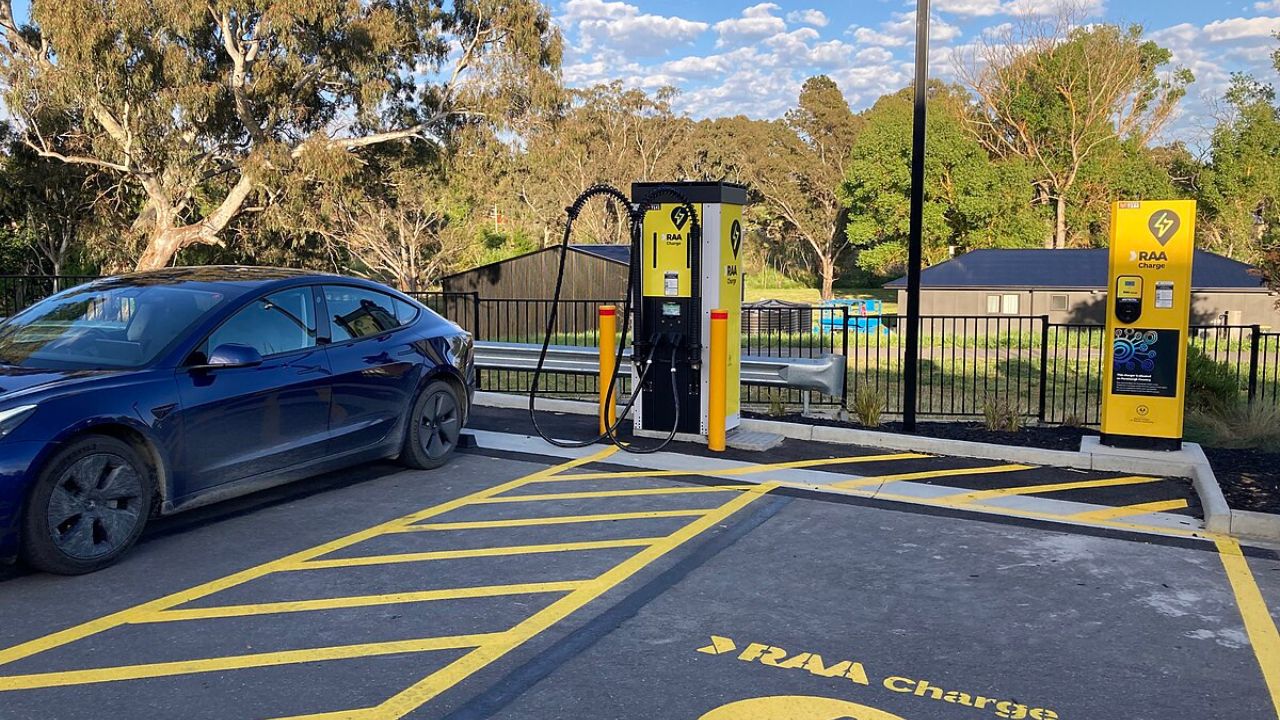
The expansion of EV charging networks plays a crucial role in reducing the carbon footprint of road trips. By facilitating the use of electric vehicles, which produce zero tailpipe emissions, these networks contribute to lowering overall greenhouse gas emissions. This shift toward sustainable travel is crucial in the global effort to combat climate change and reduce dependence on fossil fuels.
Beyond environmental benefits, the development of charging infrastructure presents significant economic opportunities. The growth of these networks stimulates local economies by attracting travelers who utilize nearby services, such as restaurants, shops, and hotels, while waiting for their vehicles to charge. This influx of visitors can boost tourism and create jobs in regions that invest in EV infrastructure.
Government incentives and policies play a pivotal role in accelerating the transition to electric vehicles. Initiatives such as tax credits for EV purchases and grants for charging station installations encourage both consumers and businesses to embrace electric mobility. In the United States, the Biden Administration’s infrastructure plan aims to build a national network of 500,000 EV chargers by 2030, underscoring the commitment to fostering a sustainable transportation future.
Future Prospects for EV Road Trips
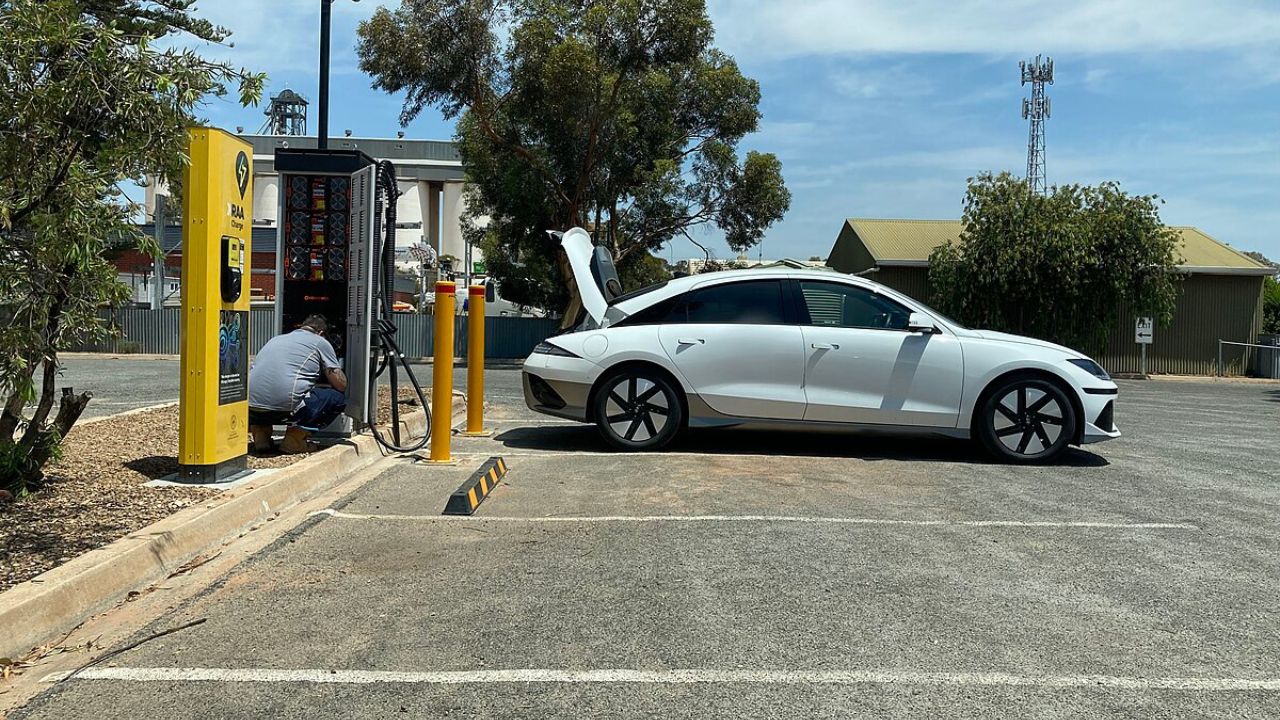
Looking ahead, innovations on the horizon promise to further transform the EV road trip experience. Technologies such as wireless charging and ultra-fast chargers are being developed to make charging even more convenient and efficient. Wireless charging pads, for example, could allow EVs to charge while parked or even while driving, eliminating the need for traditional plug-in stations.
The integration of renewable energy sources with charging stations is another exciting prospect. By harnessing solar or wind power, charging networks can further reduce their carbon footprint and enhance sustainability. Companies like Gridserve in the UK are already implementing solar-powered charging hubs, setting a precedent for future developments.
Globally, EV charging networks are evolving at an impressive rate, with countries like Norway leading the charge in EV adoption and infrastructure. As global trends continue to favor electric vehicles, the landscape of road travel is set to change dramatically. The potential for a seamless, sustainable road trip experience is within reach, promising a future where green travel is the norm rather than the exception.
Like Fast Lane Only’s content? Be sure to follow us.
Here’s more from us:
*Created with AI assistance and editor review.