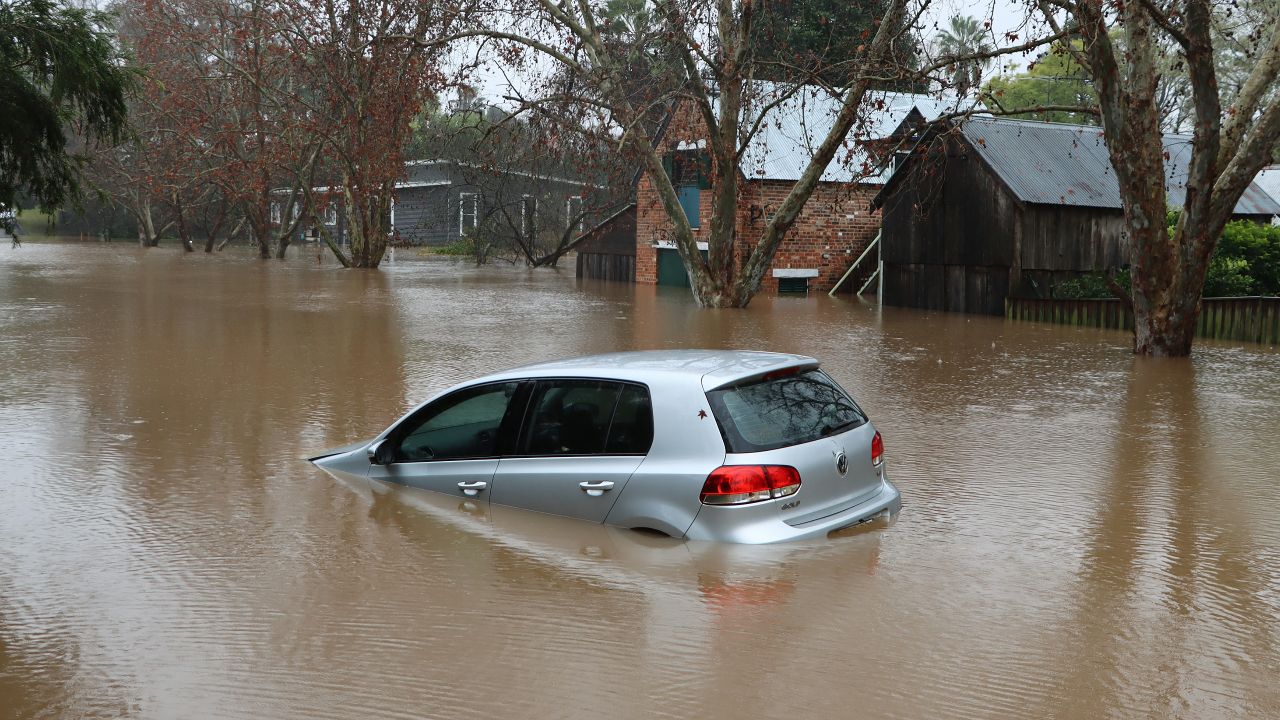
When floodwaters surged through neighborhoods and storm surge swallowed coastal streets, thousands of vehicles were not just damaged, they were effectively erased from the market. For owners who spent months on waiting lists for a hybrid SUV or finally paid off a reliable work truck, the loss is not simply financial, it is the disappearance of a tool that cannot be easily replaced in a strained auto ecosystem. As extreme weather intensifies and supply chains remain fragile, the destruction of these cars is colliding with insurance gaps, safety risks, and a used-car market increasingly seeded with hidden flood damage.
The hidden mechanics of a “total loss”
To understand why so many storm-soaked vehicles never return to the road, it helps to look under the hood of the insurance math. When water reaches the cabin or engine bay, it infiltrates wiring harnesses, sensors, and control modules that modern cars rely on for everything from airbag deployment to battery management. Repairing that kind of damage is complicated and costly, and insurers often decide that the bill will exceed the vehicle’s value. In those cases, the car is labeled a total loss, a designation that reflects not only the visible destruction but also the long tail of corrosion, electrical shorts, and mold that can surface months after a flood has receded, as detailed in guidance on common flood-damaged car problems.
That calculation has become brutally common in hurricane zones. After Hurricane Ian, for example, estimates indicated that as many as 350,000 vehicles were damaged, a number large enough to overwhelm local repair shops and salvage yards. Many of those cars were submerged in saltwater, which accelerates corrosion and makes long-term reliability even more uncertain, pushing insurers to write them off rather than authorize open-ended repairs. Once a vehicle is declared a total loss, it typically receives a salvage title and is sent to auction, where its fate diverges: some are dismantled for parts, while others are cosmetically cleaned up and sold into secondary markets, a pipeline that has turned storm destruction into a national consumer risk, as seen in reporting on how hurricanes flooded 350,000 cars that are now heading to the used-car market.
When “destroyed” cars quietly return to the road
Once a flood-damaged vehicle is totaled, most drivers assume it is gone for good. In reality, that is often just the beginning of a second, more opaque life cycle. Insurance companies typically “total” the car, pay out the claim, and then sell the vehicle at auction, where buyers can pick up damaged inventory at steep discounts. From there, some cars are legitimately rebuilt with full disclosure, but others are shipped across state lines, retitled, and resold with their watery past obscured. Investigations into flood-heavy states such as Florida have found that this pattern has produced more flood-damaged cars on the road there than anywhere else in the country, with vehicles moving from total loss to back on the market in ways that leave future buyers unaware of the original claim, a process described in detail in accounts of how Insurance companies handle flood totals.
The risk is not theoretical. Consumer advocates warn that any type of extensive water exposure, including cars submerged in floodwaters or driven through flash-flooded intersections, can compromise safety systems in ways that are not obvious during a quick test drive. Corroded airbag connectors, intermittent brake sensors, and failing high-voltage components in electric vehicles may not reveal themselves until weeks or months after purchase. That is why buyers are urged to scrutinize vehicle history reports, look for telltale signs such as musty odors, water lines in the trunk, or new carpeting in an otherwise worn interior, and be wary of deals that seem too good to be true in regions recently hit by storms, warnings echoed in guidance that urges shoppers to beware of flood-damaged vehicles being sold across the country.
Insurance fine print in an era of climate extremes
For owners whose cars were recently swallowed by storm surge or pelted by baseball-size hail, the first question is often whether insurance will make them whole. The answer hinges on a specific line in the policy: comprehensive coverage. Unlike liability or collision, comprehensive coverage is designed to pay for damage from events outside the driver’s control, including floods, hail, wind, and tornadoes. When a storm hits, that coverage can pay to repair or replace the vehicle, minus the deductible, if the insurer agrees that the damage is covered and the car is worth saving, a framework spelled out in explanations of how Comprehensive coverage responds to storm damage.
Even with the right coverage, the claims process can be fraught. Policyholders are advised to contact their agent or insurer as soon as it is safe, document the damage with photos and video, and avoid starting repairs before an adjuster has inspected the vehicle. Guidance on what to do if a car is damaged in a storm emphasizes reading the policy closely, notifying the insurer that the vehicle has been flooded, and starting the claim process promptly so that adjusters can be dispatched and temporary transportation arranged. In large-scale disasters, however, service centers can be overwhelmed, with reports of facilities so packed after floods that cars sit for weeks without a clear solution, a backlog that reinforces calls from some experts to avoid repairing heavily flooded cars at all and instead total them, as reflected in advice that drivers should not repair flood-damaged cars but push for a total loss designation.
Why replacement is getting harder
The destruction of vehicles in extreme weather would be disruptive in any year, but it is particularly painful in a market where new and used inventory remains tight. Natural disasters do not just wipe out personal cars, they also destroy commercial fleets, rental vehicles, and public transportation assets, removing critical capacity from local economies. Analyses of past disasters have noted that roughly half of the vehicles destroyed are non-personal, including government fleets and public transit, which means that the same storms that take out a family’s only car can also reduce the availability of rental replacements and ride-hailing options, a dynamic described in assessments of how natural disasters affect the auto industry.
On the supply side, automakers and dealers are also grappling with weather risk. Vehicles parked in open lots at assembly plants or distribution centers are vulnerable to hail and wind, and a single storm can turn rows of brand-new cars into total losses before they ever reach a showroom. To protect that inventory, some facilities are investing in specialized hail protection structures that shield vehicles from the elements, an acknowledgment that weather damage can directly impact the bottom line by forcing new cars to be written off. When those losses are layered on top of existing production constraints, the result is fewer replacement vehicles available for storm victims, a trend reflected in industry discussions of how When cars are exposed to severe weather at manufacturing sites.
Protecting cars and consumers before the next storm
As climate-driven extremes become more common, the most effective response may be to reduce the number of vehicles that end up in the salvage pipeline in the first place. Owners are encouraged to take practical steps to shield their cars from the elements, such as parking on higher ground, avoiding driving through standing water, and sealing openings that could allow heavy rainfall to infiltrate the cabin. Seasonal maintenance advice stresses keeping weatherstripping in good condition, checking that drains and sunroof channels are clear, and using covered parking when possible, all strategies that fall under broader guidance on how to All Seasons, Keep the Rain, Bay, Seal, Openings to protect vehicles from weather damage.
More from Fast Lane Only