Some hood scoops were pure theater. Others? They meant business. Back in the heyday of factory muscle, if the hood had ducts, flaps, or a shaker, odds are the car underneath could back it up. These eight setups weren’t just for looks—they brought real air to real power.
Pontiac’s Ram Air IV: Functional and Furious
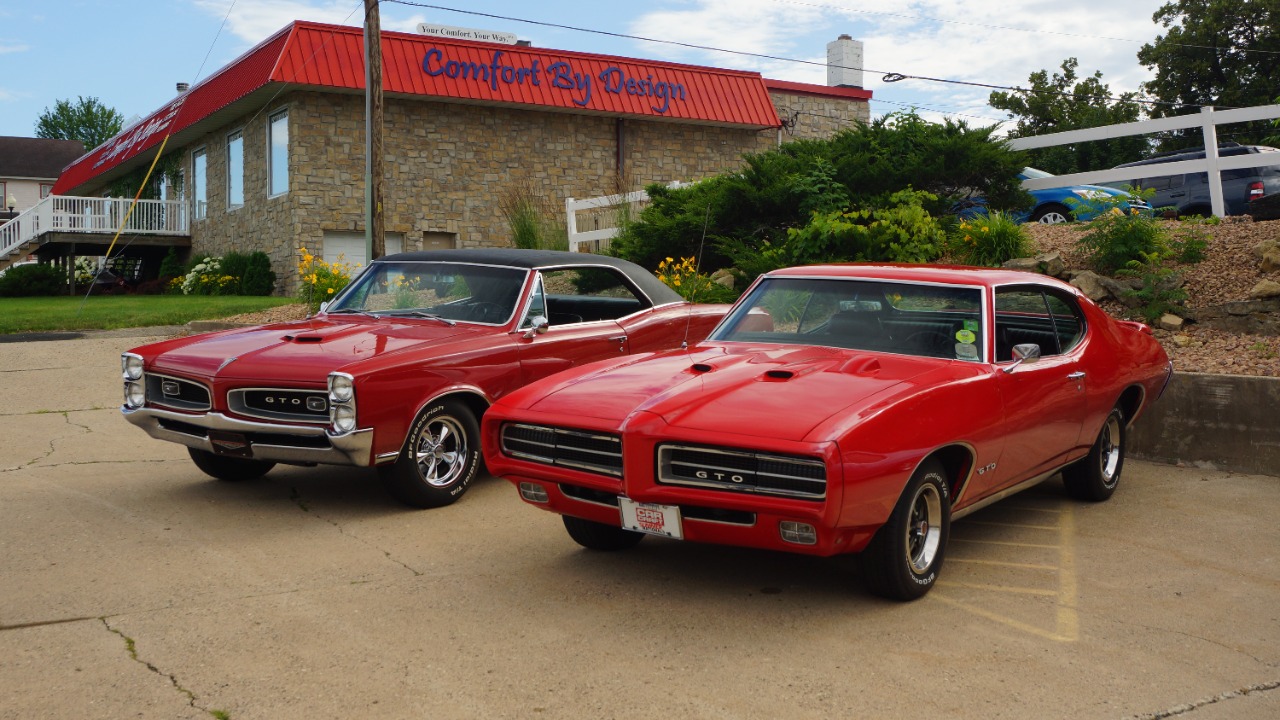
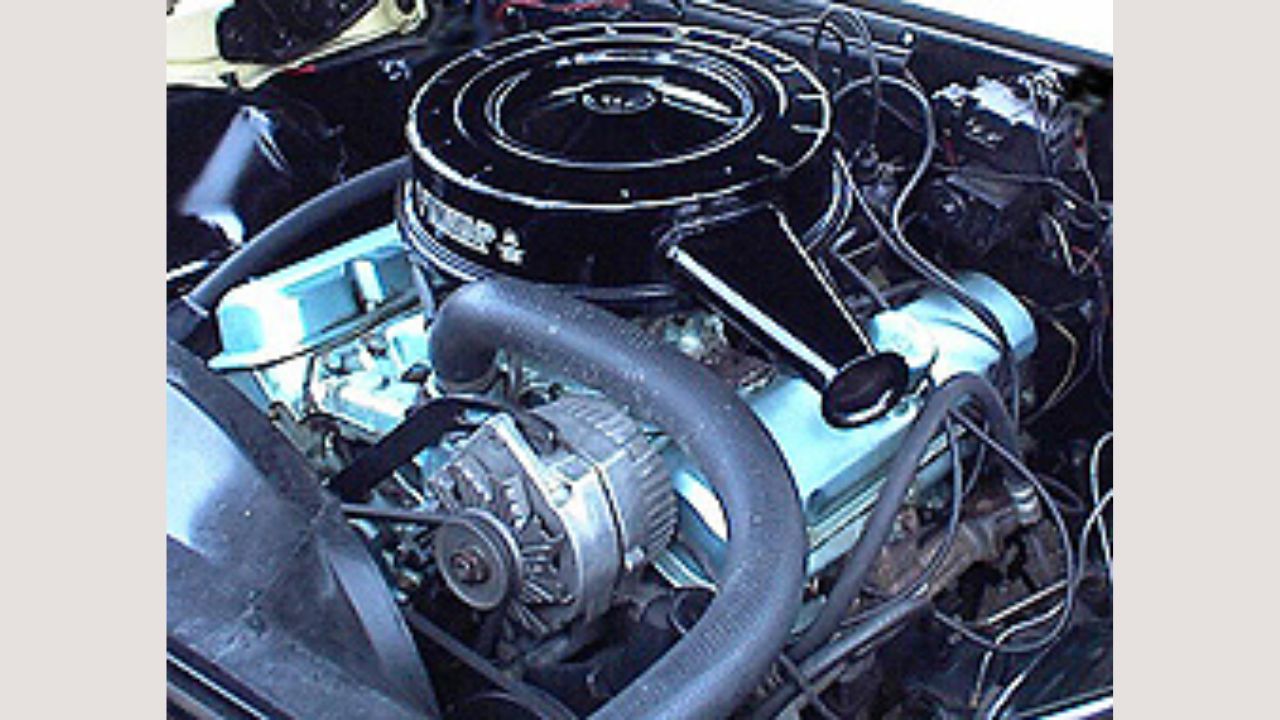
The Ram Air IV hood scoops on late-’60s GTOs weren’t just for show—they were plumbed into a sealed air cleaner that force-fed the 400-cubic-inch V8. This setup helped the engine breathe colder, denser air at speed, increasing both power and efficiency.
With round-port heads, a wild cam, and 370 underrated horses, the Ram Air IV wasn’t messing around. Pontiac claimed the hood scoops were wind-tunnel tested, and with drag strip results to back it up, they weren’t bluffing. If you saw those scoops in your mirror, you knew what was coming.
Mopar’s Air Grabber: Vacuum-Powered Intimidation
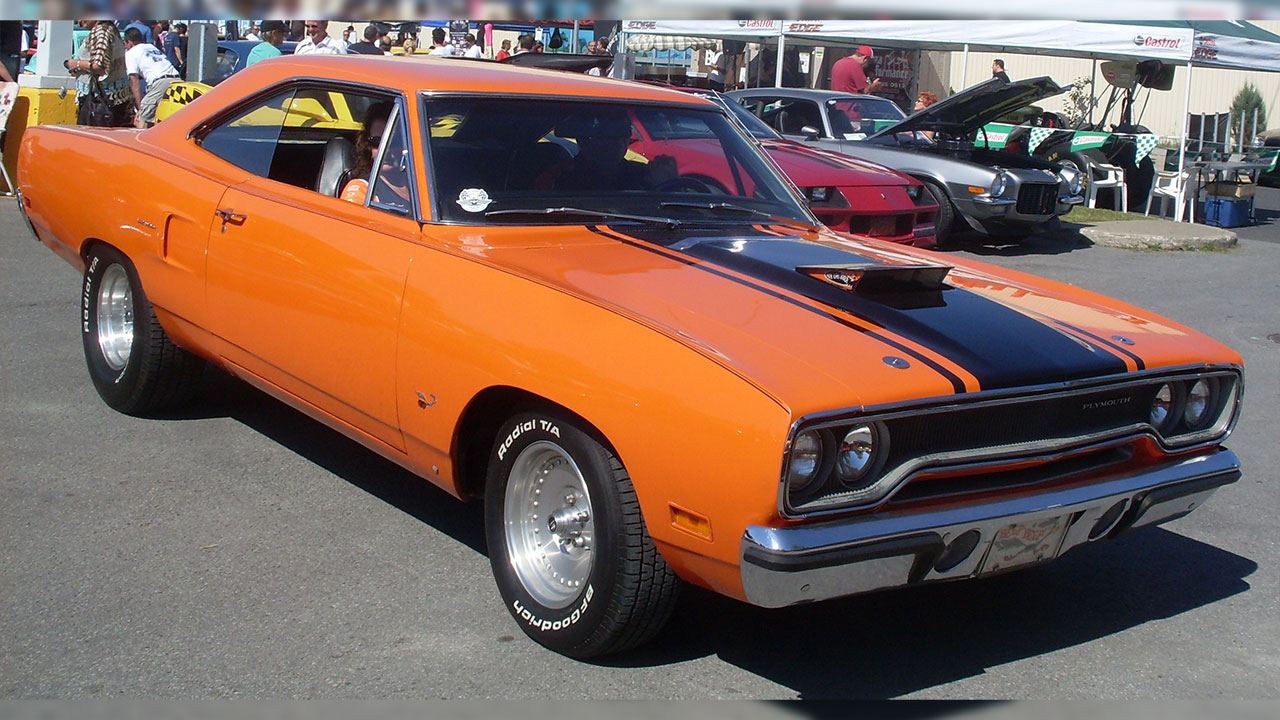
Plymouth and Dodge gave their muscle machines some drama with the Air Grabber hood. At the push of a switch, vacuum pressure raised a trap door in the hood, exposing a massive scoop that gulped fresh air directly into the carb.
Found on Road Runners and Super Bees, the Air Grabber added more than attitude. It actually improved top-end breathing for the 383, 440, and HEMI options. The aggressive shark graphic inside the scoop didn’t hurt either. It was part gimmick, part go—just the way Mopar liked it.
Buick GS Stage 1 Scoops: Subtle but Serious
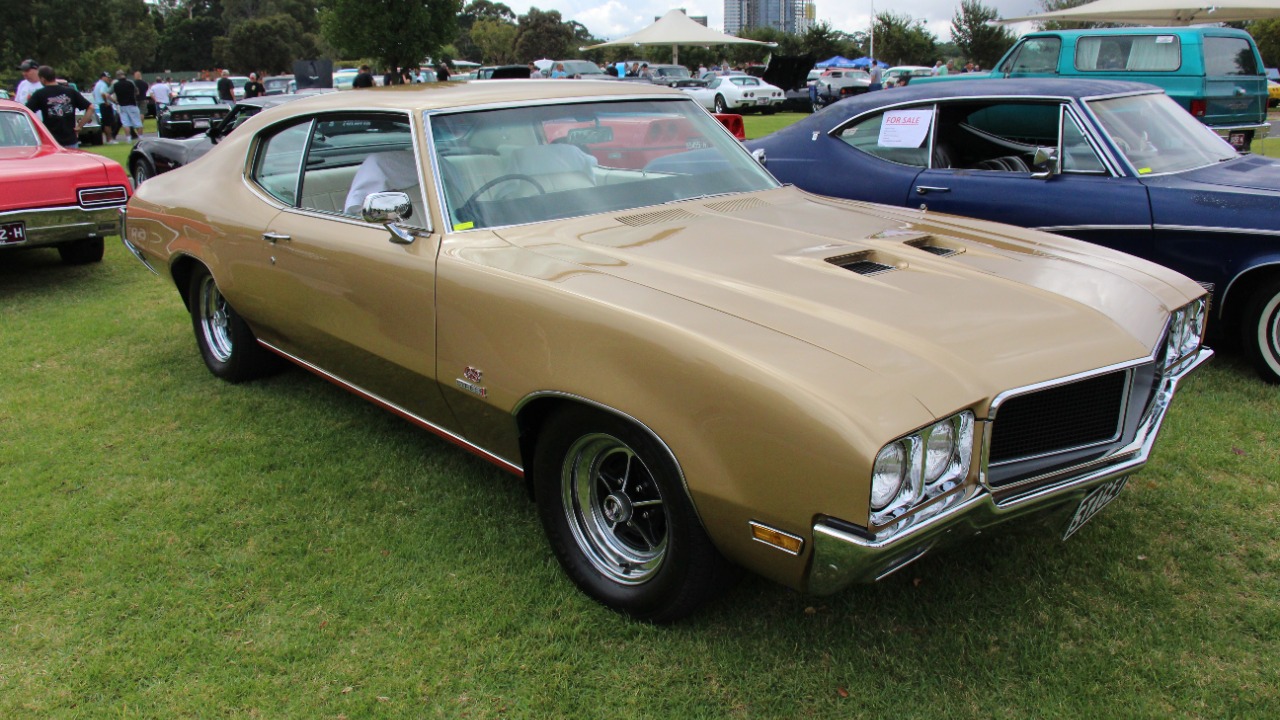
The twin hood scoops on Buick’s GS models looked understated—until you realized what they were feeding. Connected to a sealed ram air system, they channeled air into a 455 cubic inch V8 making 510 lb-ft of torque.
These hoods came standard on Stage 1 cars, which were among the quickest muscle cars of the era in stock trim. Buick didn’t need to shout; the hood quietly warned those in the know. If you missed the scoops, you’d get the message when the taillights disappeared.
Oldsmobile W-30 Fiberglass Hood
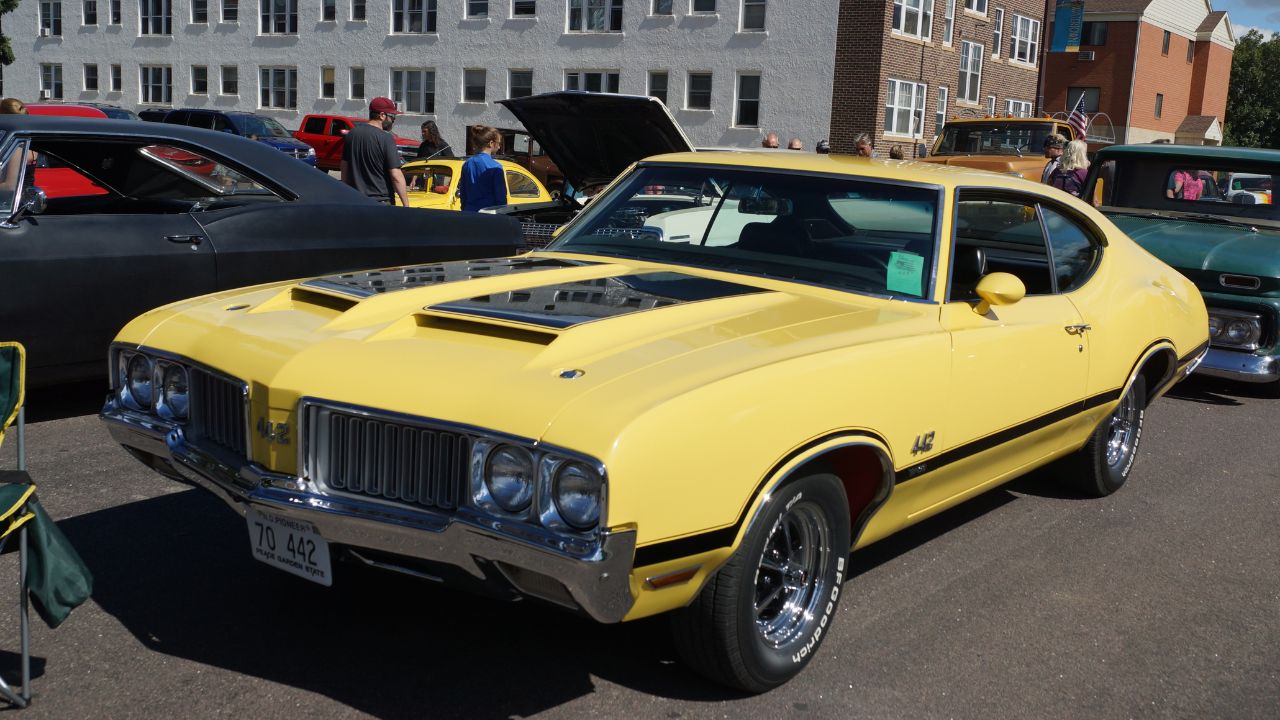
The W-30 option on Oldsmobile 442s added a lightweight fiberglass hood with twin functional scoops, sealed to a cold-air induction setup. Unlike some rivals, this wasn’t decorative—the setup worked at speed and helped the 455 V8 inhale cooler air.
Combined with aluminum intakes and low-restriction air cleaners, this hood treatment was all part of a serious factory performance package. The scoops weren’t raised much, but they signaled that this wasn’t a dressed-up Cutlass. It was an Olds with real bite.
1970 Camaro Z/28 Cowl Induction

Chevy’s second-gen Camaro Z/28 came with optional cowl induction, a clever hood design that reversed airflow logic. Rather than scoops on the leading edge, the rear-facing cowl fed high-pressure air from the base of the windshield straight into the 350 LT-1 engine.
The result? A subtle-looking but effective cold air delivery system that actually benefited from the car’s own aerodynamics. It didn’t scream muscle car, but the 360 hp small-block under the hood didn’t need help making noise.
1969 Mustang Mach 1 Shaker Hood
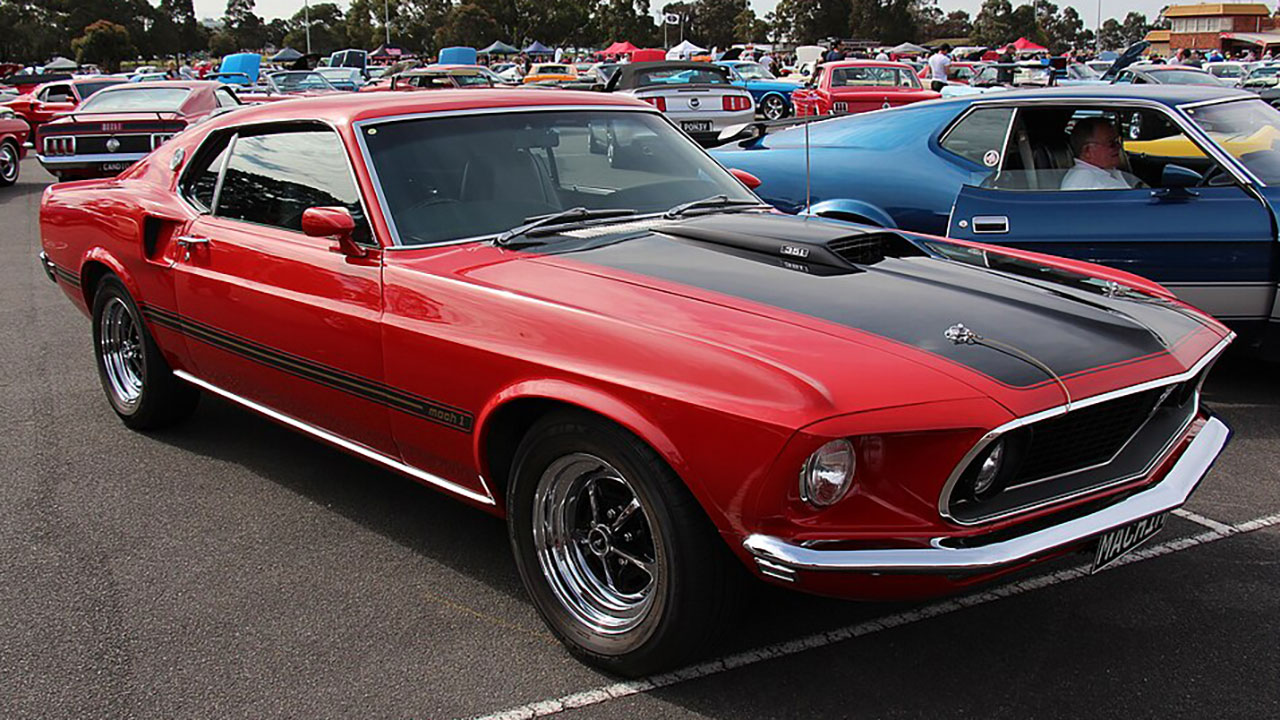
The Shaker hood on the Mach 1 Mustang looked like it might rattle loose—but it was built that way. Mounted directly to the engine, it shook with every rev, poking through a hole in the hood to grab fresh air.
Available with the 351, 390, or 428 Cobra Jet, the Shaker was more than theatrics. Ford’s setup genuinely improved airflow and kept engine bay heat from robbing horsepower. If it was moving, the car was probably flying.
1971 AMC Javelin AMX Go Package
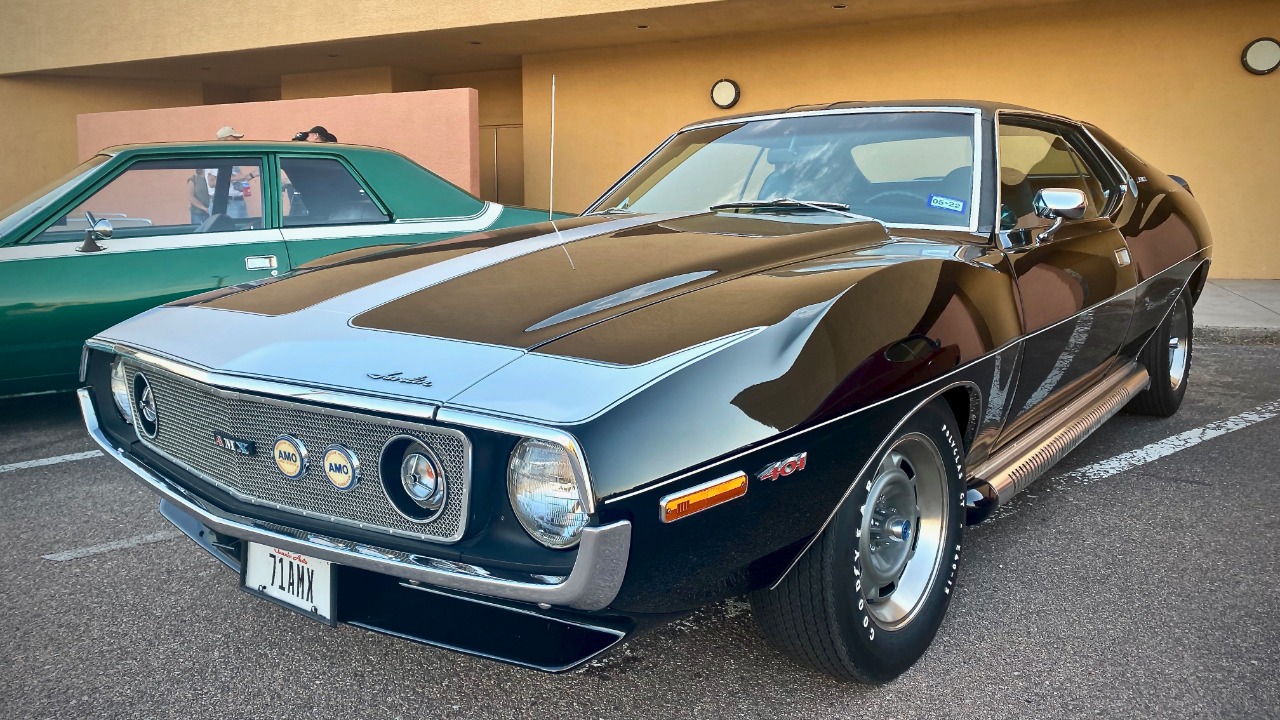
AMC’s Go Package for the Javelin AMX included a unique ram-air hood scoop that ducted air into a sealed air cleaner, much like the setups from GM and Ford. The system came standard with the 360 or 401 V8, pushing up to 330 hp.
AMC didn’t have the budget for gimmicks—so when they added hood scoops, they had a job to do. These setups worked well at highway speeds and helped the AMX hold its own in a muscle car market dominated by bigger brands.
1970 Torino Cobra Ram-Air Hood
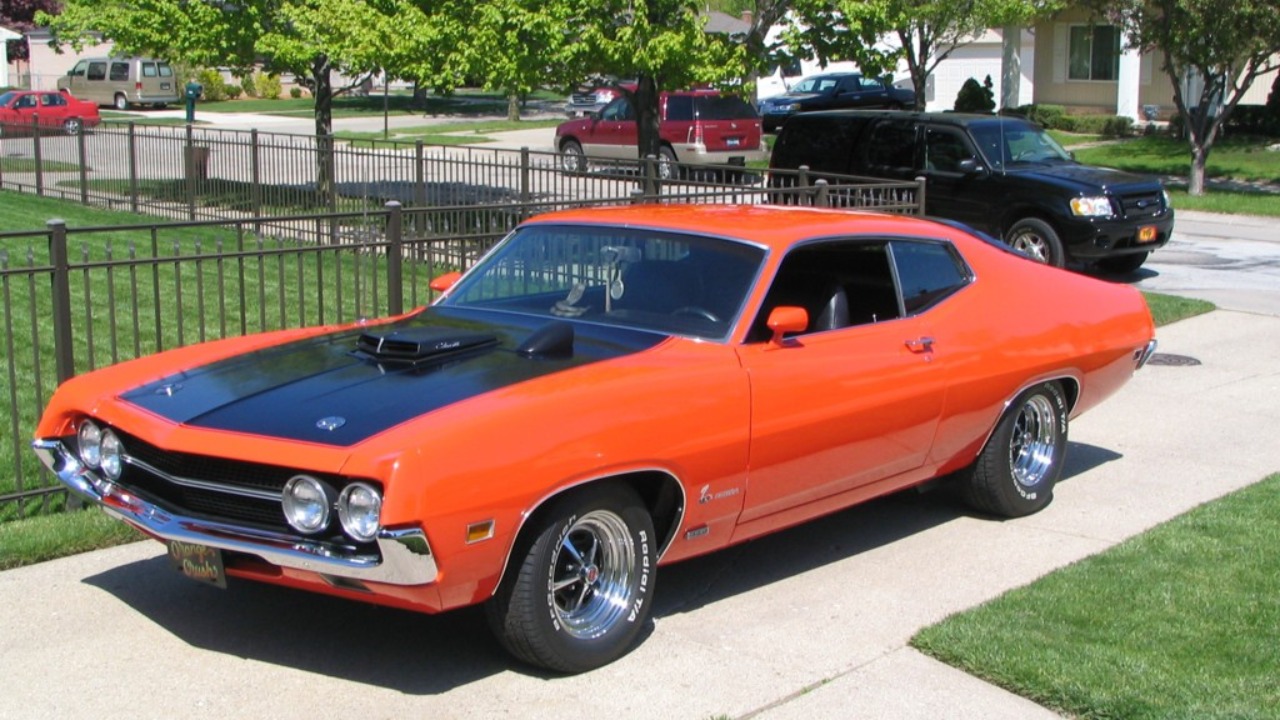
The 1970 Torino Cobra’s NACA-style hood scoops looked clean and flat—but they were fully functional. With a 429 Cobra Jet or Super Cobra Jet under the hood, the twin inlets channeled air to a sealed ram air system for better throttle response and top-end pull.
It wasn’t as flashy as Mopar’s Air Grabber or Pontiac’s raised scoops, but the Torino’s setup was all business. With up to 375 hp on tap, the Cobra didn’t need much help—but the hood made sure it got every last bit of air it could use.
Like Fast Lane Only’s content? Be sure to follow us.
Here’s more from us:
*Created with AI assistance and editor review.