The Abarth name sits on plenty of small Fiats, yet the Fiat Abarth story runs well beyond them. Over six decades, Abarth reworked a Porsche, a French Simca and an Autobianchi. Most recently, its name went on a roadster that Mazda builds in Japan.
Here are eight of those cars in date order, from a Zagato-bodied 1950s racer to a 2016 sports car. Each entry carries the figures its source supports, and nothing more.
1. 1956 Fiat-Abarth 750 GT Zagato
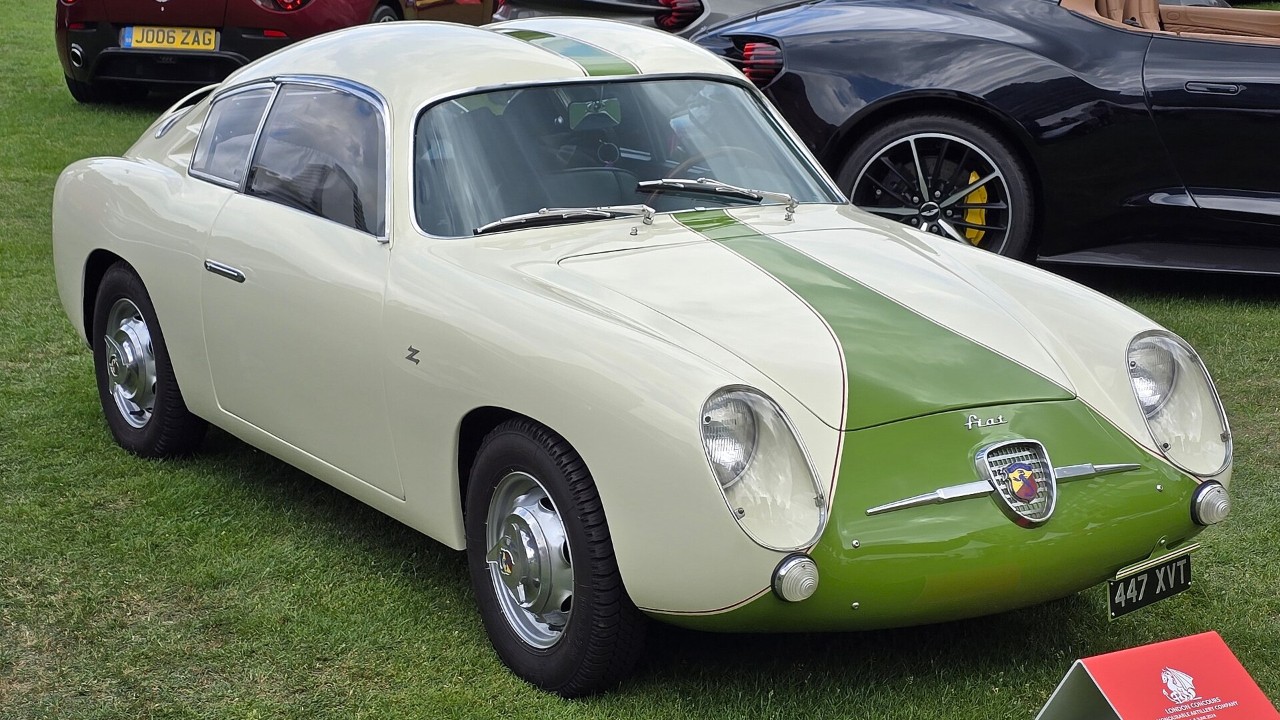
This one started with a humble Fiat 600. Abarth enlarged the little rear engine and Zagato wrapped it in a light coupe body. Its signature is Zagato’s “double bubble” roof.
A Supercars.net history of the 750 GT Zagato gives the tuned engine as 747 cc and says the first cars weighed 1,179 pounds. It also records that Alfonso Thiele won the 750 cc class at the 1957 Mille Miglia. In addition, the Wikipedia entry on the Fiat-Abarth 750 confirms the Fiat 600 floorpan and the 747 cc figure.
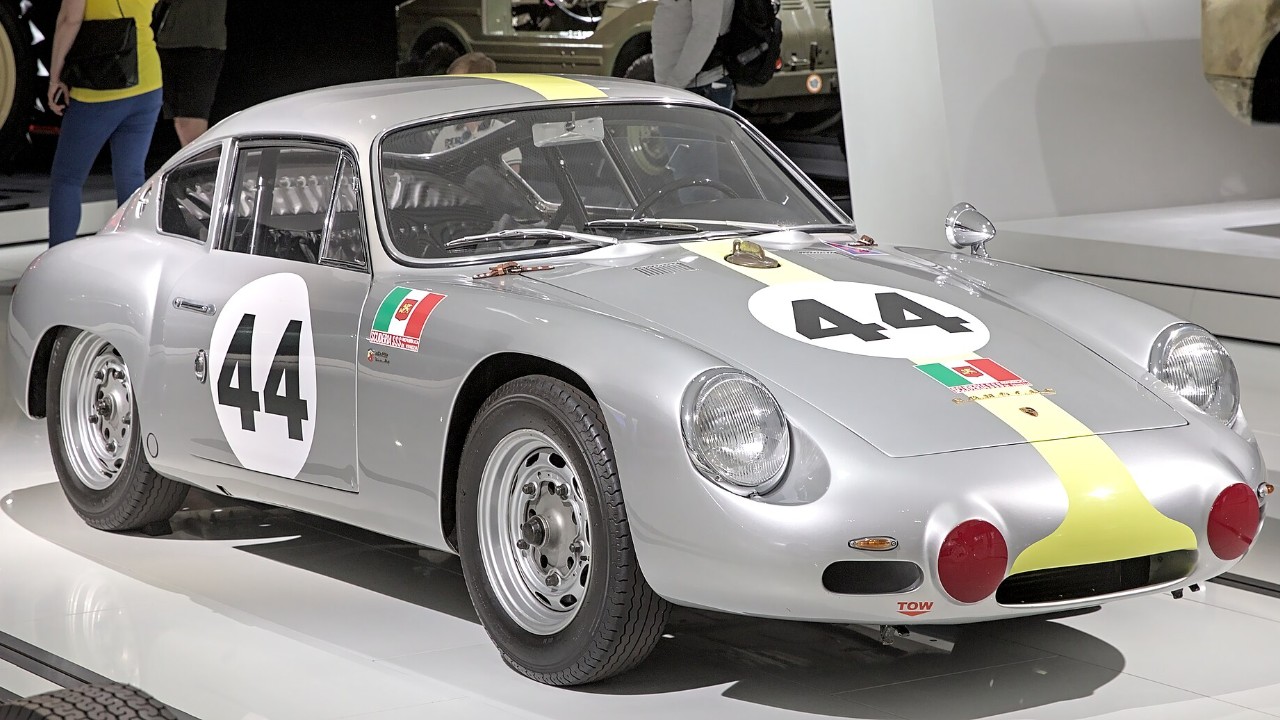
2. 1960 Porsche 356B Carrera GTL Abarth
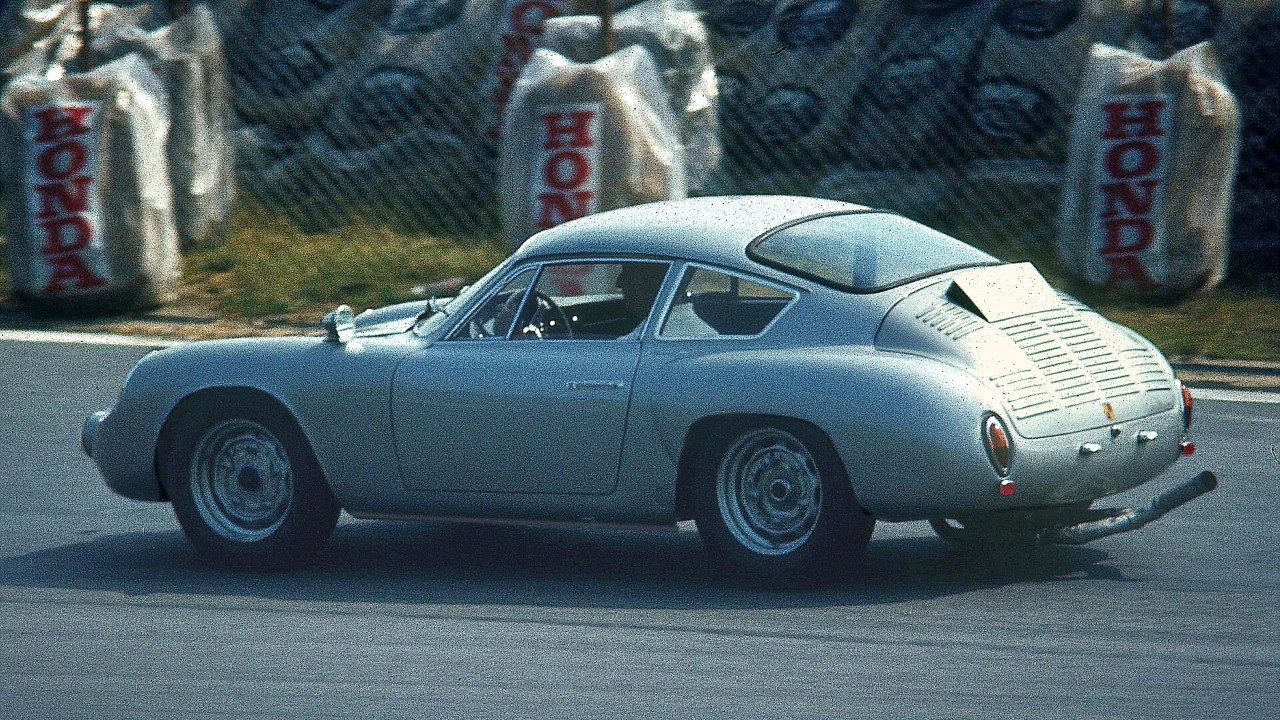
By 1959, Lotus Elites and Alfa Romeo Giuliettas were closing on Porsche’s Carrera in GT racing. However, FIA rules allowed a different body as long as the car stayed above its homologated weight. So Porsche turned to Abarth for something lighter and slipperier.
According to Excellence magazine, Franco Scaglione drew the shape, and Rocco Motto’s Turin shop built the production bodies. The first car finally reached Zuffenhausen at the end of February 1960. In the end, the final serial number brought the total to 21 cars. Afterward, they kept racking up results well into 1963.
3. 1962 Abarth Simca 1300
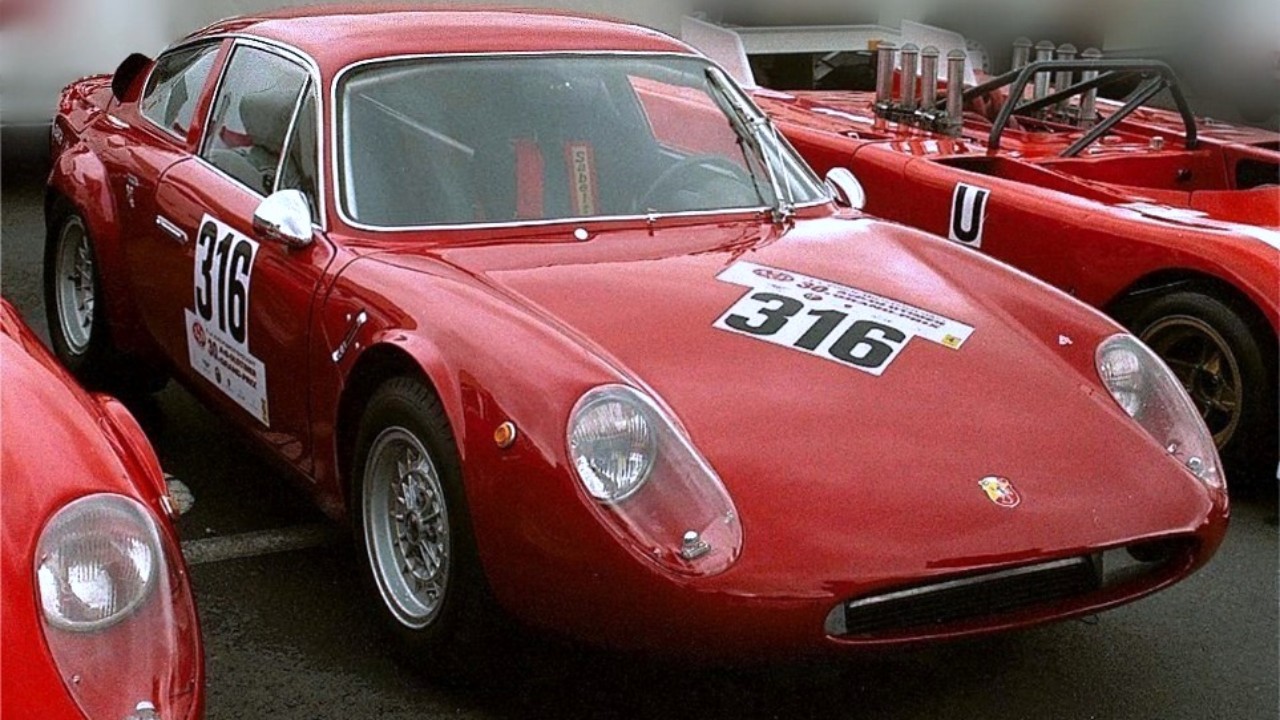
The French connection came from a deal between Carlo Abarth and Enrico Pigozzi, the founder of Simca. Abarth started with a steel Simca 1000 platform, along with its steering and suspension. Then it added a body built by Beccaris.
The bigger change was the engine. VeloceToday’s history of the Abarth Simcas calls its engine “the first all-Abarth 1300cc DOHC dry sump engine.” As a result, the Abarth Simca 1300 scored more than 90 class wins in 1963 alone, the same review notes. Later, a 1600 version and a 2000 version followed.
4. 1963 Fiat Abarth 595
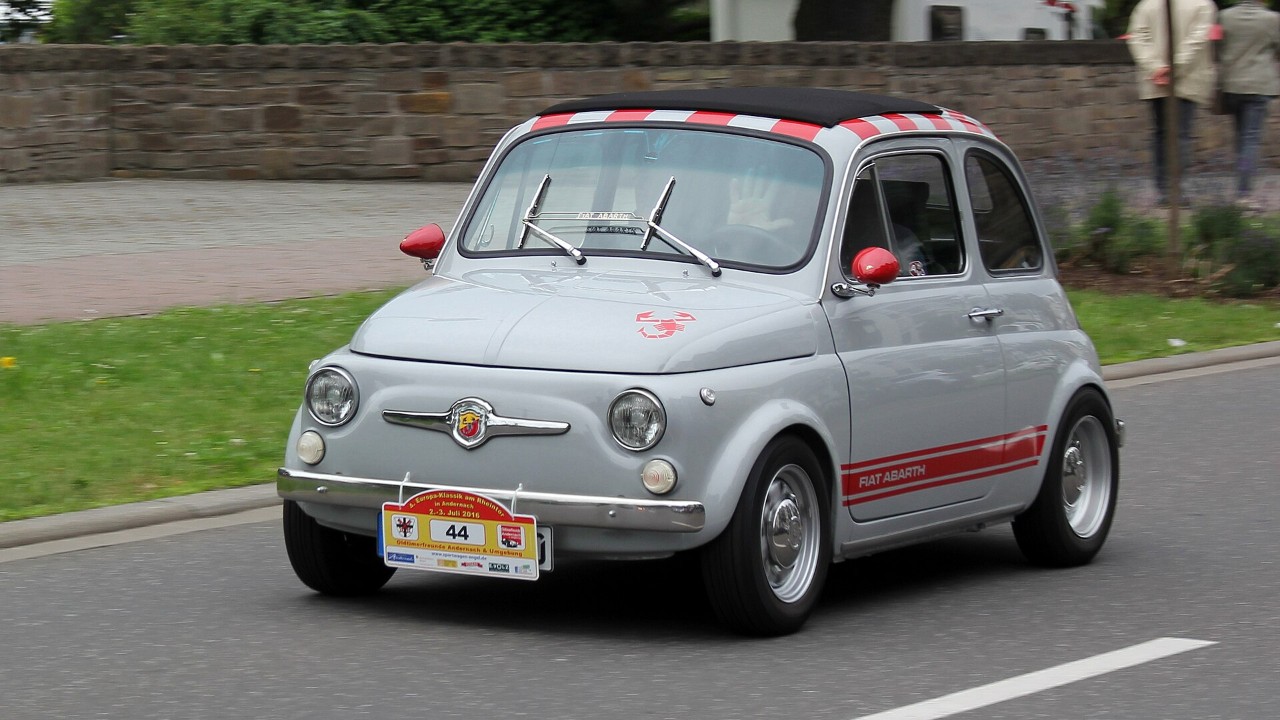
Fiat’s tiny 500 D had been in production since 1961 when Abarth got its hands on it. In September 1963, the 595 arrived. Visitors to that October’s Turin Motor Show even received test-drive coupons.
Slovenia’s VMax magazine reports that Abarth enlarged the engine from 500 cc to 595 cc. That lifted output from the stock 17.5 hp to 27 hp. Top speed also rose, from 95 km/h to 120 km/h. Then, in March 1964, Abarth showed an even stronger 695 at the Geneva Motor Show.
5. 1971 Autobianchi A112 Abarth
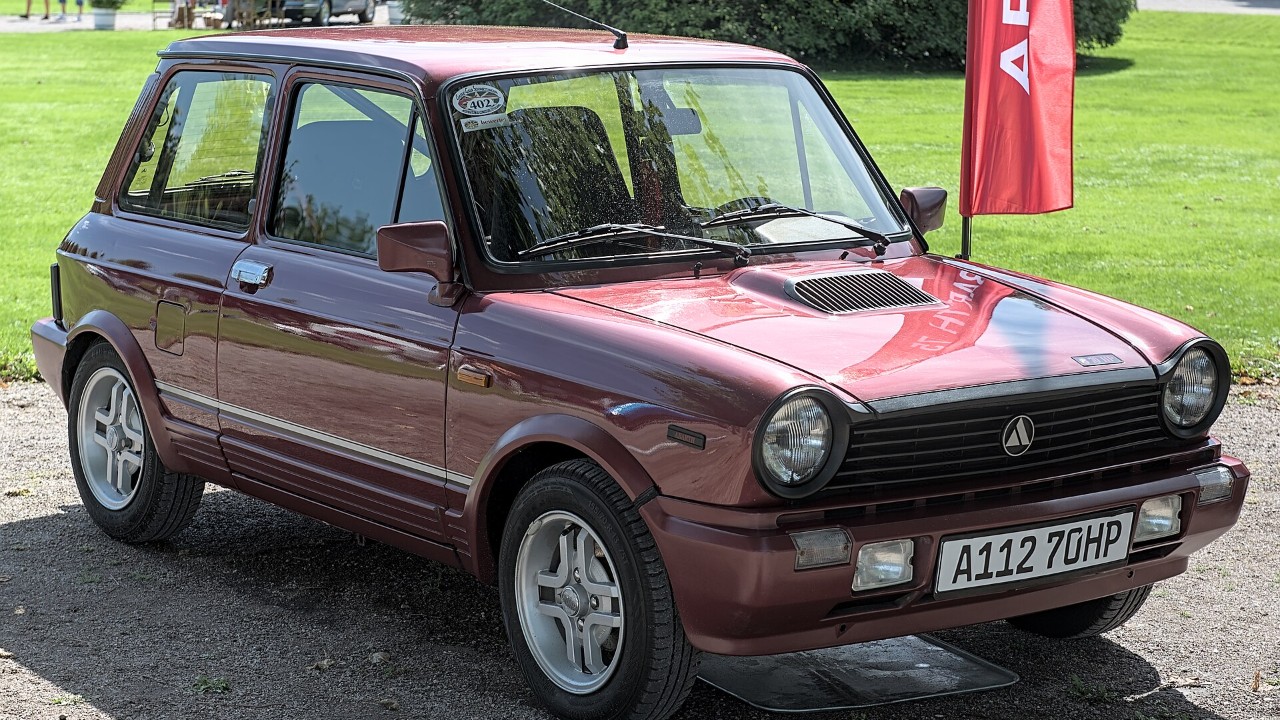
Autobianchi launched its A112 supermini in October 1969. Abarth’s version then followed at the Turin show in the fall of 1971. That came shortly after Abarth sold its company to Fiat that summer.
Ate Up With Motor says the first cars used a long-stroke 982 cc engine rated at 58 PS. Then, in early 1975, the A112 Abarth 70 brought a 1,050 cc engine with 70 PS. The A112 stayed in production through April 1986. By then, Autobianchi had sold 1.25 million of them, and more than 10% were Abarths.
6. 1972 Fiat Abarth 124 Rally
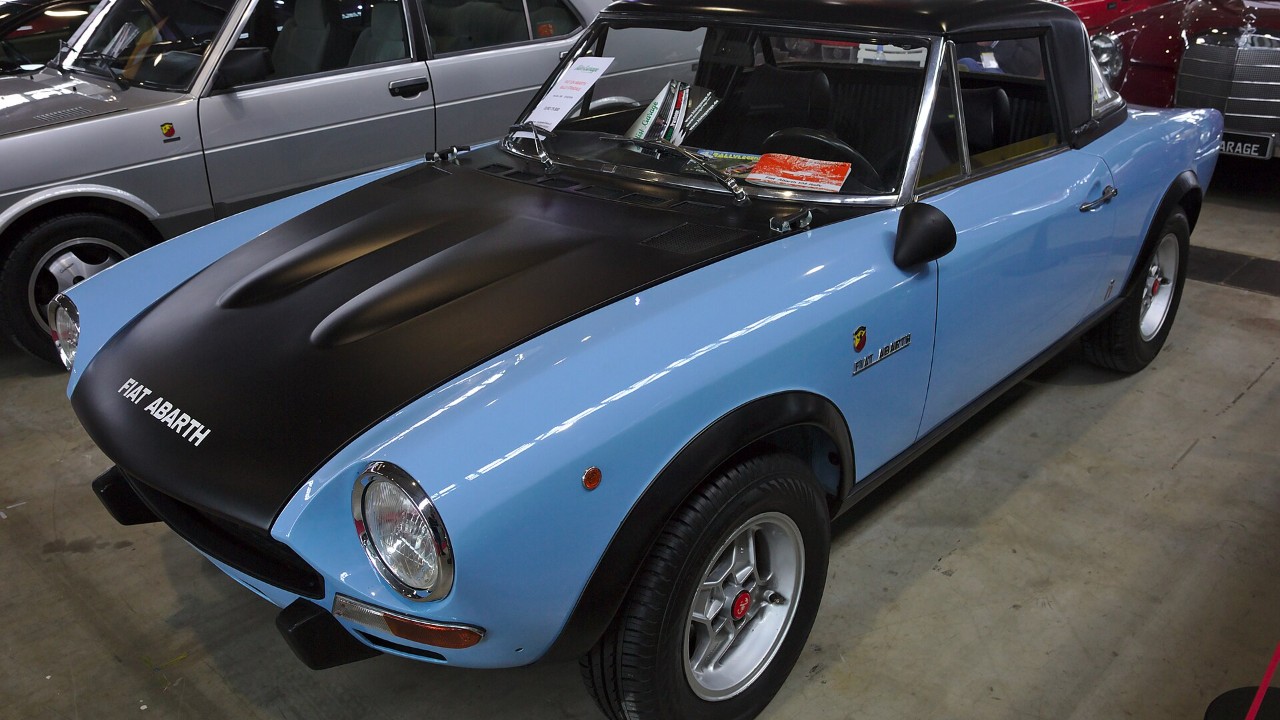
Fiat had Abarth turn the 124 Sport Spider into a Group 4 homologation special. The hood and trunk lid were fiberglass, and the doors were aluminum. Most importantly, independent rear suspension replaced the solid axle.
Supercar Nostalgia says production ran from late 1972 to early 1974, with “a little over 1000 units” built. Under the hood, the 1,756 cc Lampredi twin-cam made 128 hp at 6,000 rpm on twin Weber carburetors. Also, the car weighed just 938 kg. In the first World Rally Championship in 1973, Fiat’s best result was Achim Warmbold’s win in Poland, the same source says.
7. Fiat 131 Abarth Rally
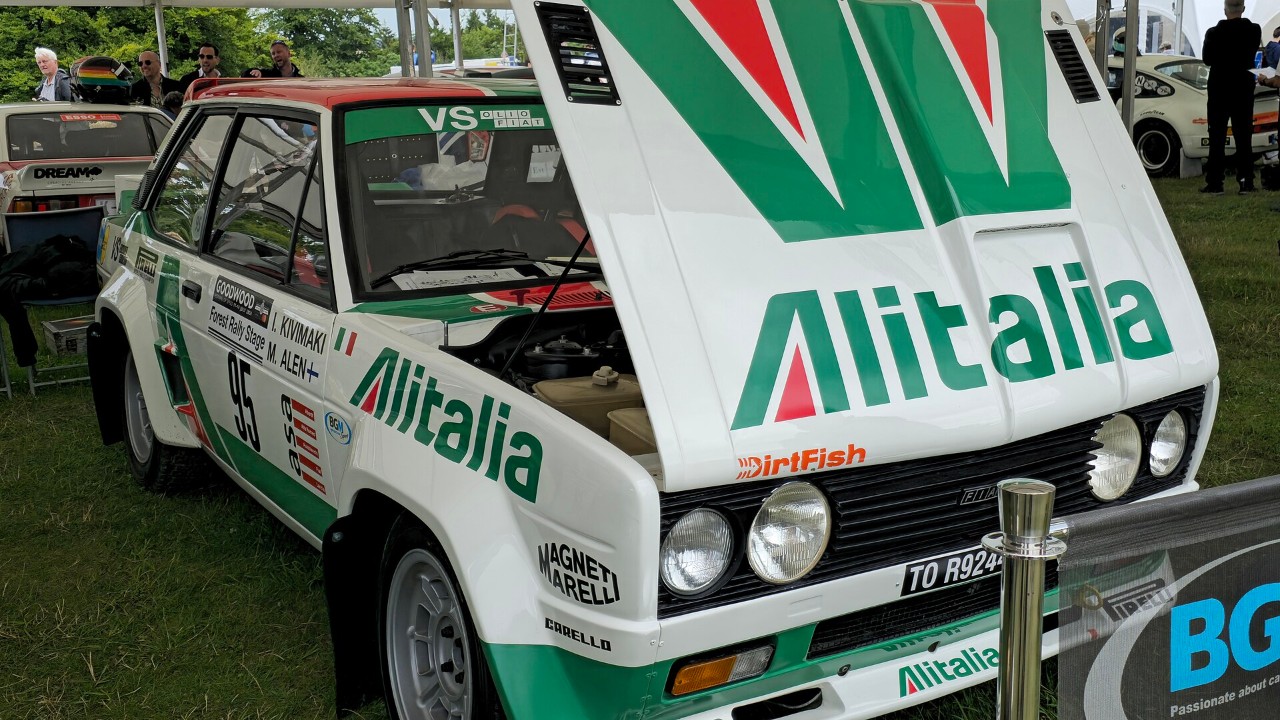
Fiat introduced the plain 131 sedan in 1974. Abarth’s rally version, built in the mid-1970s, kept the shape but changed nearly everything under it. It got fiberglass flared fenders, a fiberglass hood and trunk lid, and independent rear suspension in place of the live axle.
According to Silodrome, Abarth built 400 road cars so the rally car could meet FIA Group 4 rules. Meanwhile, the engine grew to 2.0 liters with a twin-cam, four-valve head. In race trim, it made 245 hp. Better still, the 131 Abarth won the World Rally Championship manufacturers’ title in 1977, 1978 and 1980.
8. 2016 Abarth 124 Spider
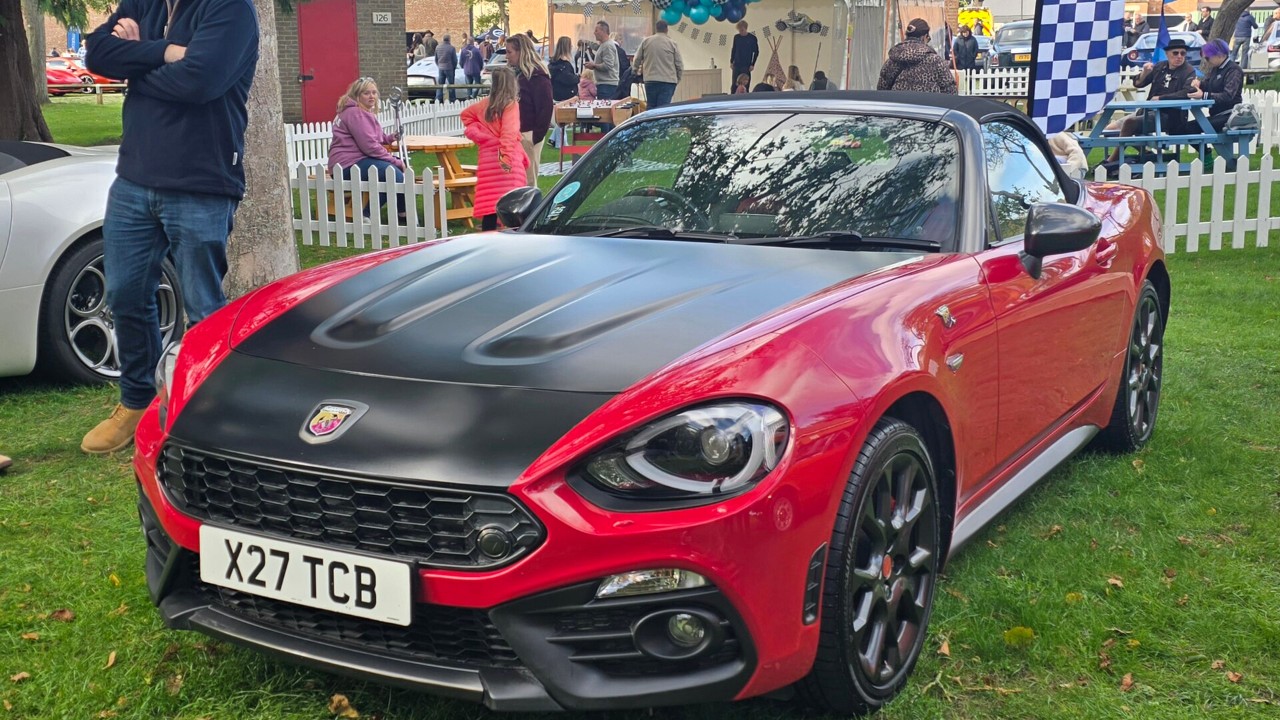
The newest car here closes the loop with item 6. Fiat’s modern 124 Spider is a Mazda-built car. In fact, it comes off the line in Hiroshima next to the Mazda MX-5 Miata.
Paul Tan’s report from June 2016 says the Abarth version is “made in Hiroshima alongside the Miata.” It uses a 1.4-liter MultiAir turbo four with 170 hp, up from the standard car’s 160 hp. The Abarth weighs 1,060 kg and reaches 100 km/h in 6.8 seconds. Its black hood, the report adds, is a nod to the 124 Rally of 1972.
More from Fast Lane Only
- Unboxing the WWII Jeep in a Crate
- 15 rare Chevys collectors are quietly buying
- 10 underrated V8s still worth hunting down
- Police notice this before you even roll window down
This article was created with the help of AI and was reviewed and edited by Fast Lane Only editors before publication.