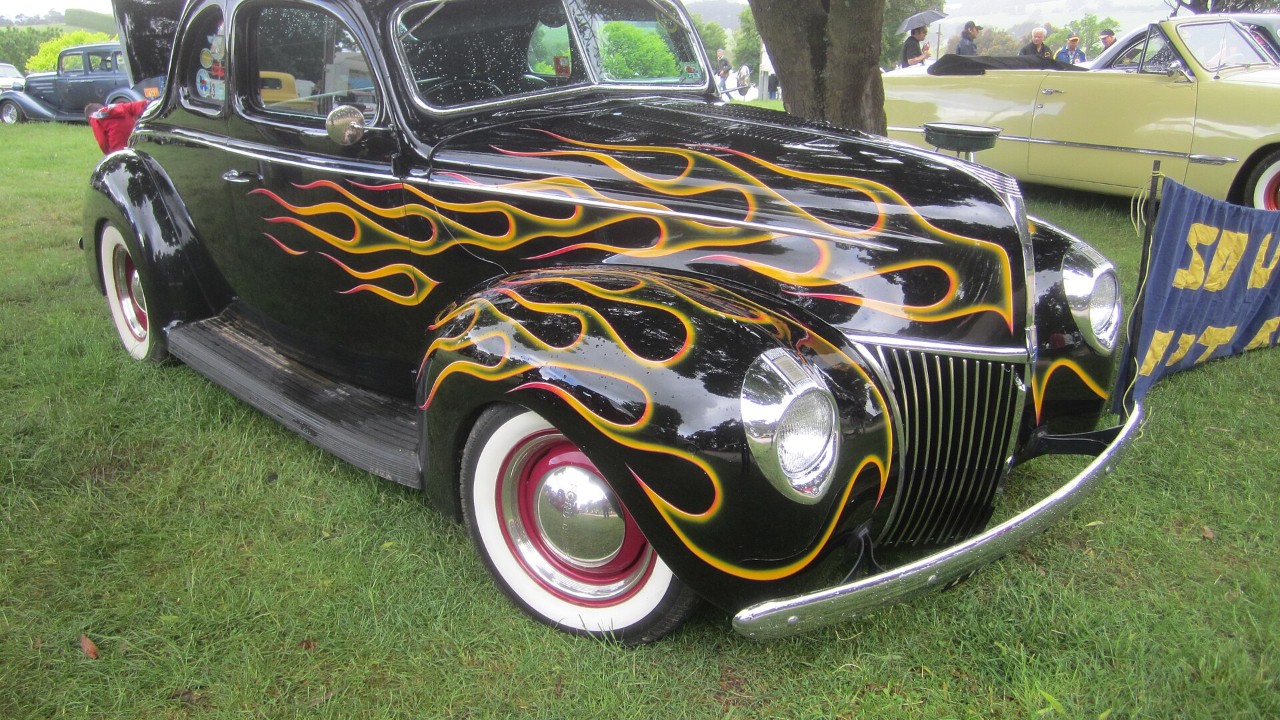
The Ford hot rod started as a young man’s bargain. In the late 1930s, Southern California racers stripped old Fords and ran them flat out across dry lake beds like Muroc and El Mirage. After World War II, returning servicemen with mechanical training turned that habit into a full-blown movement.
By 1948 there was a magazine called Hot Rod. Then, in 1951, the National Hot Rod Association formed to pull drag racing off public streets. The cars changed, too. Cheap Model Ts and Model As gave way to Deuces, and flathead V8s gave way to Hemis. A few builders even reached for Willys coupes instead.
Not every rod ages well, though. These are our picks, and the verdict is our opinion: 12 hot rods we would keep in the garage no matter what anyone offered. Each one stands for a different chapter of the hobby, and every fact comes from the record.
1. 1923 Ford Model T hot rod with V12
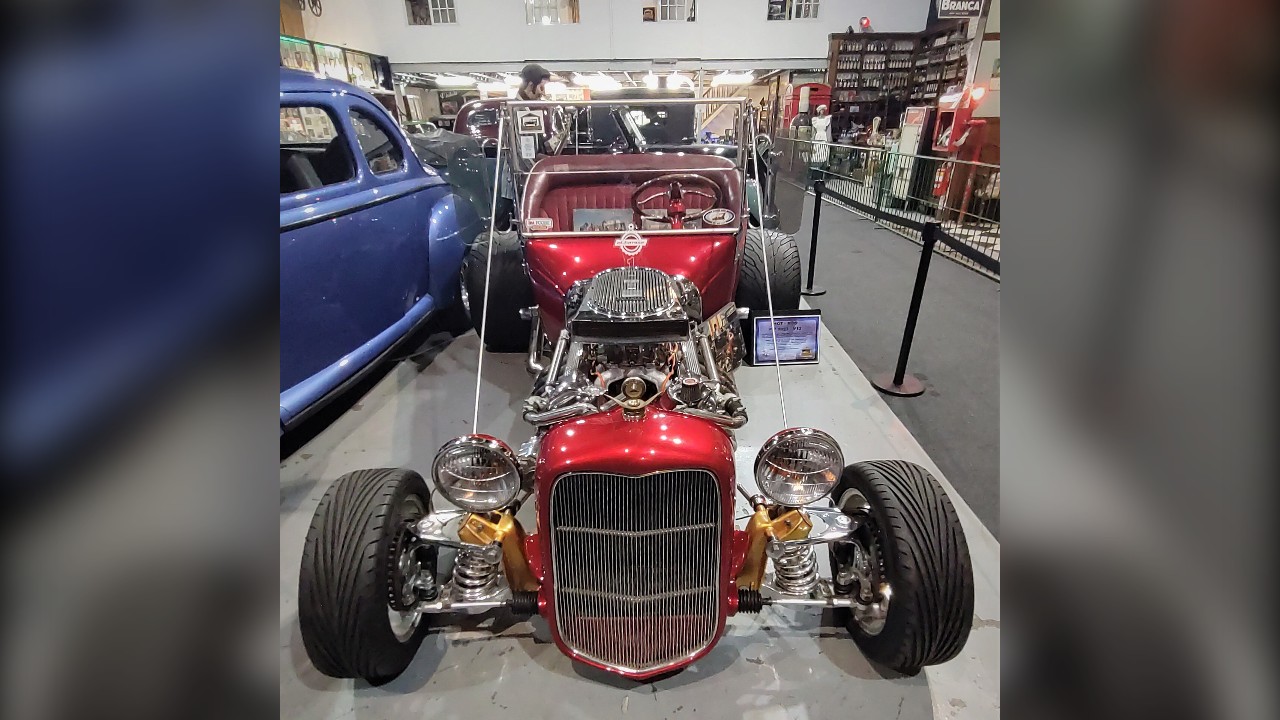
Every hot rod family tree starts with the Model T. Speedsters built on Model T chassis in the 1910s and 1920s count as the ancestors of the whole movement. Later, the earliest true rods were often stripped Model Ts, because they were cheap, plentiful and light once the fenders came off.
This 1923 car takes that old recipe and turns it up to absurd. Instead of a hopped-up four or a flathead, it carries a V12. That is about as far from Henry Ford’s plan as you can get. The tall, narrow T body sits over far more engine than it was ever meant to see, and that contrast is the whole point.
Our take: we would refuse to give this one up because it captures the humor in hot rodding. Builders have always asked “what if?” and then answered with a wrench. A Model T with twelve cylinders is a rolling punchline with real engineering behind it. Meanwhile, it honors the car that started everything, and that history deserves a spot in any collection.
2. Ford T-bucket hot rod
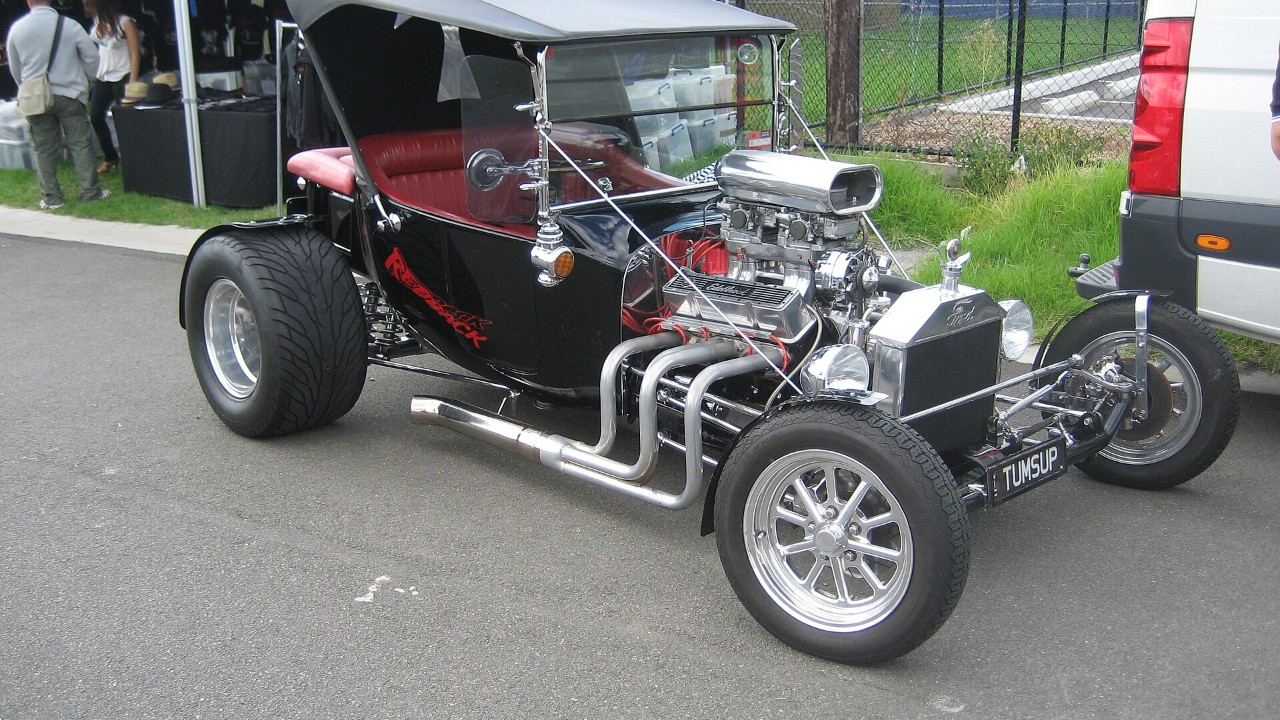
The T-bucket has a clear origin story. In 1955, Norm Grabowski built a rod from a 1922 Model T touring body mated to a Model A pickup bed. He powered it with a 1952 Cadillac V8 topped by a GMC 3-71 supercharger, according to Street Muscle.
Grabowski also had a practical goal. He trimmed the car under 1,500 pounds, the threshold at which California required fenders. He shortened the rear frame 20 inches, channeled the body six inches and mounted the front axle ahead of the crossmember. The car made the cover of Hot Rod in 1955. Then it became the “Kookie Kar,” driven by Ed Byrnes’s character on 77 Sunset Strip.
That TV fame turned a one-off into a template. Street Muscle calls the style the most popular type of hot rod in customization history. In our view, a T-bucket is the purest hot rod you can own. It is simple, loud, light and impossible to mistake for anything else. If you want one, look for a well-sorted chassis first, because the body is the easy part.
3. 1928 Ford Model A roadster hot rod
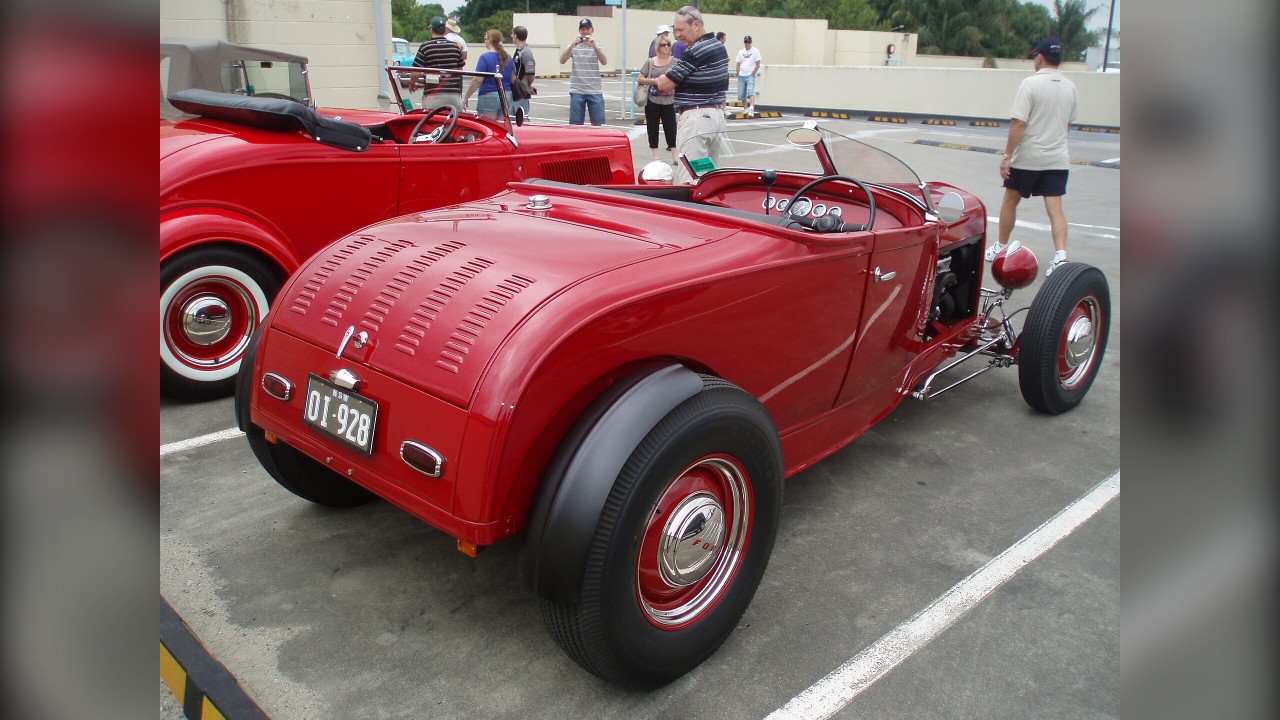
The Model A arrived as a 1928 model. Ford started production on October 20, 1927, and introduced the car on December 2. By the time the line closed in March 1932, Ford had built 4,858,644 of them in every body style. That huge number is exactly why so many became rods.
The stock car used a 201-cubic-inch four rated at 40 horsepower, and a basic roadster listed at $385. Hot rodders nicknamed the car the “A-bone.” Early racers liked the roadster because it weighed less than the closed bodies and had a simple, sturdy chassis.
We would keep a 1928 roadster because it is the first chapter of the open-car rod. Before the Deuce took over, the Model A roadster was the car to have on the dry lakes. Today, it offers the same look for less money than a 1932. Our advice: an early roadster with period speed parts tells a better story than one with a modern crate engine. So buy the history if you can.
4. 1930 Ford Model A coupe hot rod
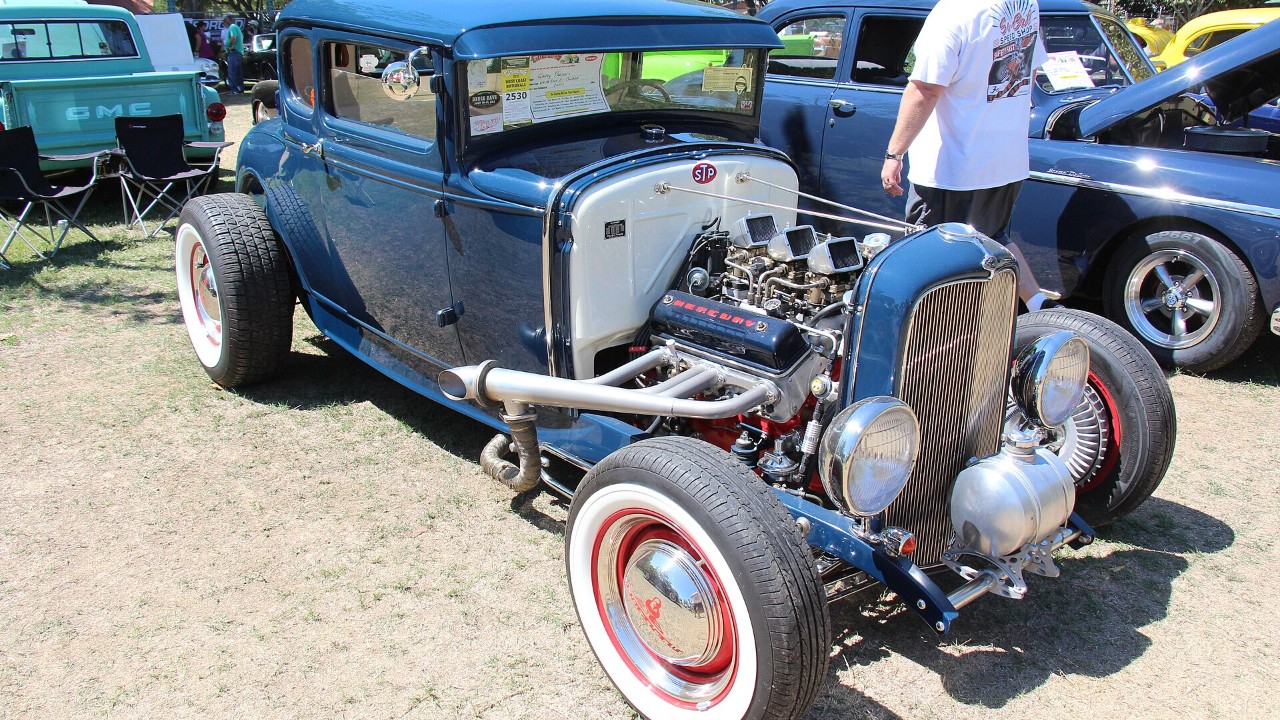
Not every rodder wanted wind in his hair. The Model A also came as a standard, deluxe, business or sport coupe. Those closed cars gave builders a roof for daily driving. Because Ford sold millions of Model As, a coupe body was easy to find long after the war.
Coupes also gave rodders a canvas for roof work. A chopped Model A top changes the whole profile, and the flat panels suit bold paint. Under the hood, many early rods swapped the original four for a Ford flathead V8, which hot rodders called the “flatty.” As a result, a plain economy car became a real performer.
In our opinion, the 1930 coupe is the most usable of the early Fords. You get the classic hot rod shape plus a roof. That means you can drive it in the rain or park outside a diner without worry. Our take: if you are buying your first traditional rod, a sorted Model A coupe is the smartest place to start.
5. 1931 Ford panel sedan hot rod
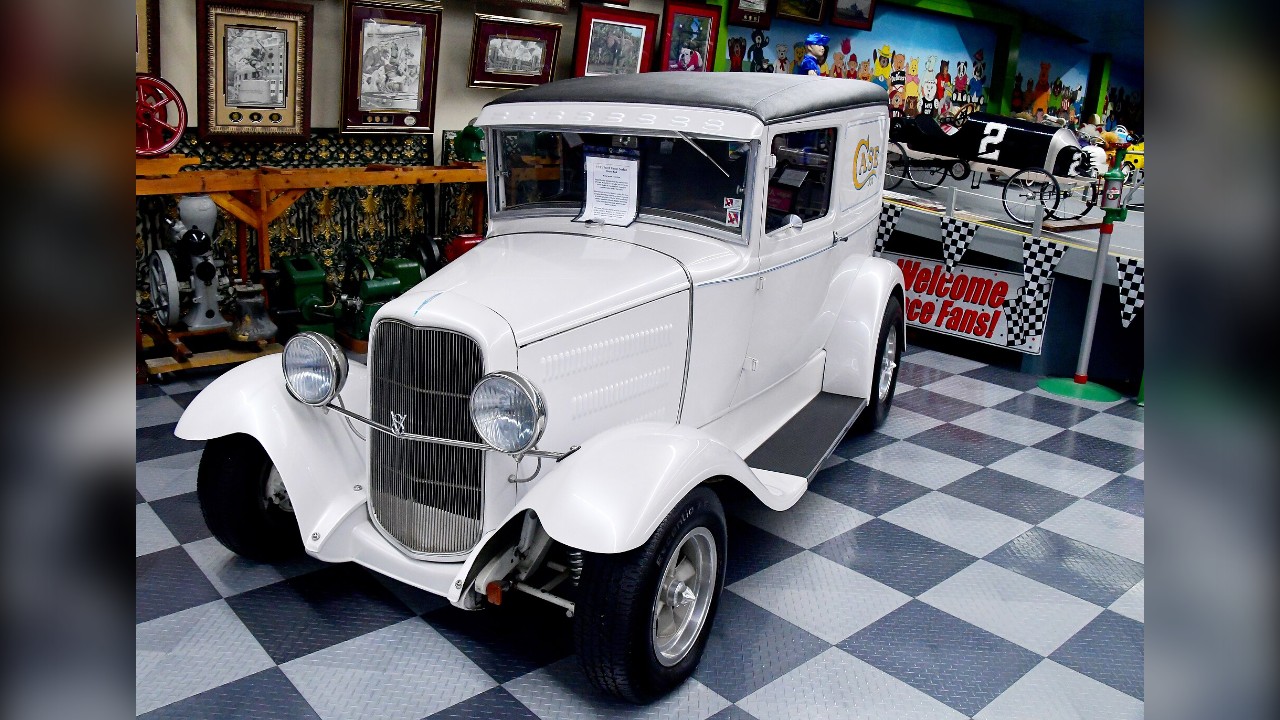
The 1931 model year was the Model A’s last. Ford built the car in a wide range of bodies beyond roadsters and coupes, including panel trucks and delivery models. In our view, those commercial bodies make a great choice for builders who want something different at the show.
A panel-bodied rod flips the usual formula. Instead of stripping weight, it keeps a big slab of sheet metal that works like a billboard for paint, pinstripes or a shop name. However, the running gear underneath is the same Model A hardware that rodders have modified for decades, so parts are not a problem.
Our take: we would refuse to give up a 1931 panel rod because it is practical as well as cool. You can haul a toolbox, a swap-meet find or a cooler without hunting for space. In our view, that utility keeps a hot rod on the road instead of under a cover. After all, a rod that gets driven is the best kind.
6. 1932 Ford Deuce coupe hot rod
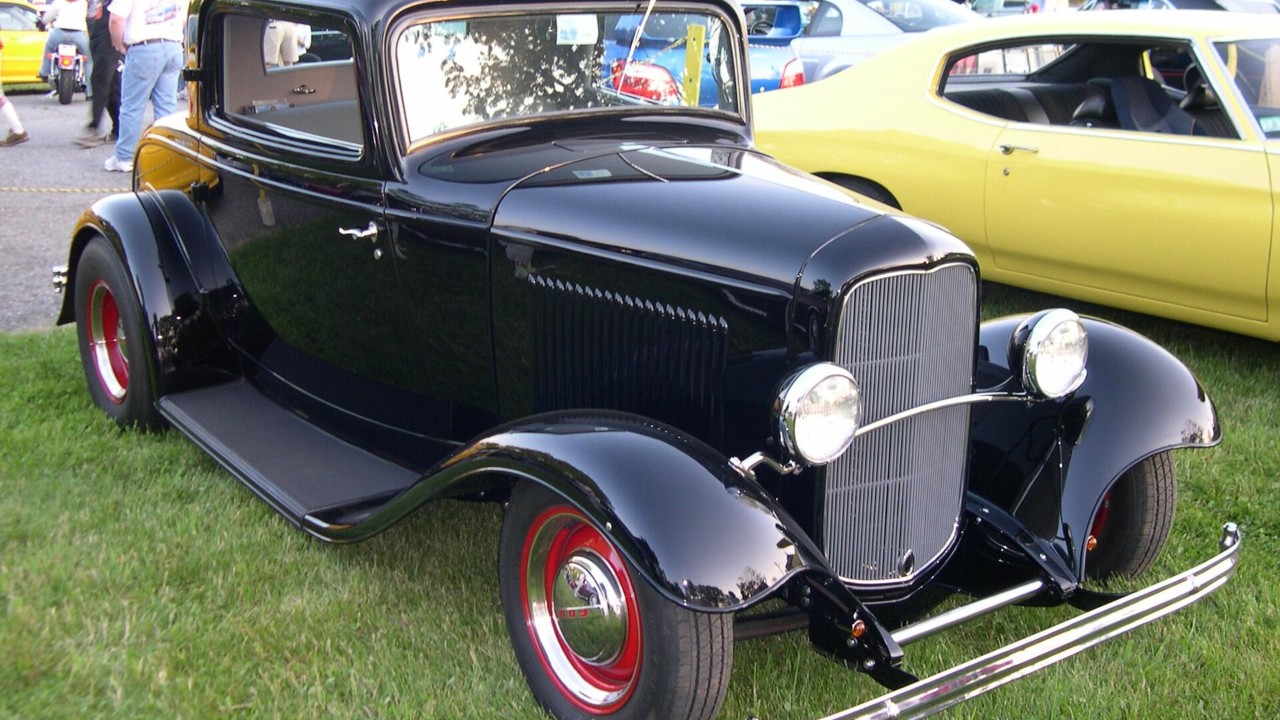
The 1932 Ford earned its nickname, the Deuce, and then earned its fame. It debuted Ford’s 221-cubic-inch flathead V8, rated at 65 horsepower and standard in the Model 18, according to Hagerty. It was also Ford’s first all-steel-reinforced body, which made the car lighter.
A new coupe cost $490 in 1932. By the 1940s, used ones were cheap and plentiful, so young men bought them, stripped them and hopped up the V8. Pop culture did the rest. The Beach Boys put Clarence “Chili” Catallo’s customized three-window coupe on the cover of their 1963 album, Little Deuce Coupe. Later, American Graffiti gave a Deuce coupe a starring role in 1973.
In our view, the Deuce coupe is the single most important hot rod body ever made. It has the right proportions, the right engine history and the right stories. We would never sell a real steel 1932 coupe. If you are shopping, find out whether the body is original Ford steel or a reproduction, and pay accordingly.
7. 1932 Ford roadster hot rod
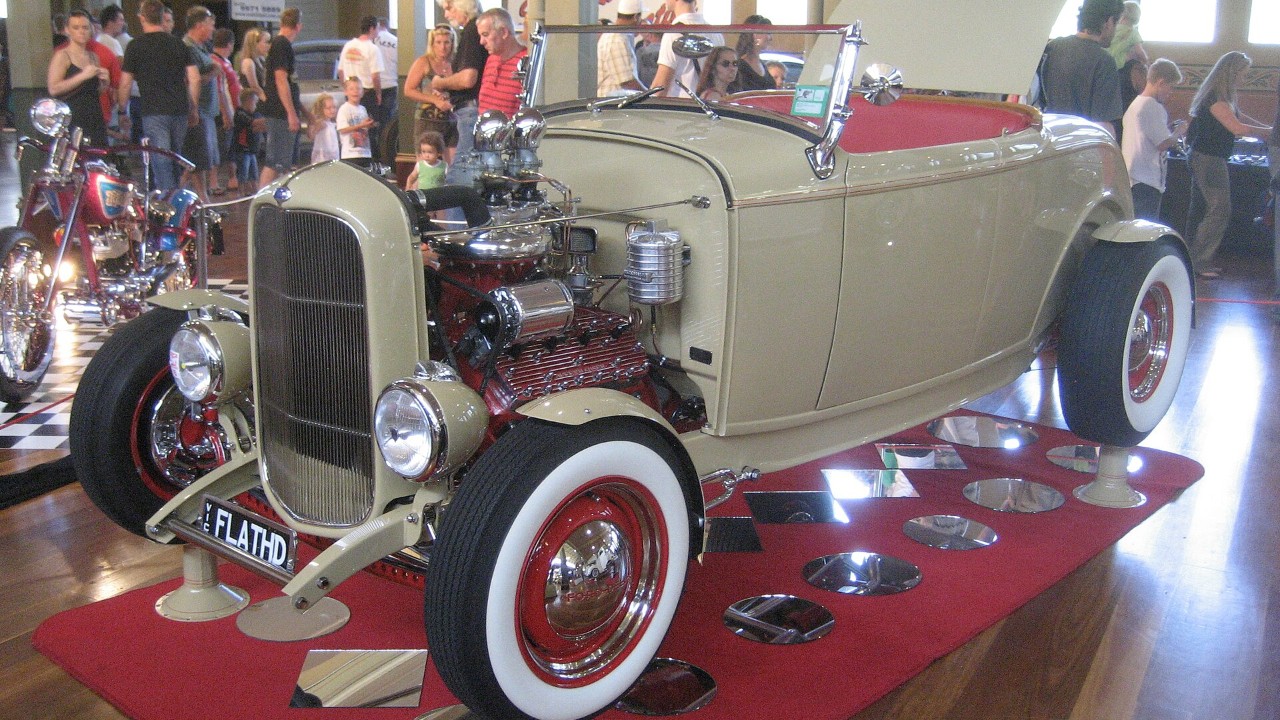
The open 1932 is the coupe’s rarer sibling. Ford priced the roadster at $495, yet it built only 12,597 roadsters, compared with 124,101 two-door sedans. Today the roadster and coupe are the most sought-after 1932 body styles among rodders.
Design details explain the love. For 1932, Ford moved the front axle back just behind the radiator shell. It also worked the frame rails into the styling with a crease that arcs toward the rear fender. Hood louvers even varied by region. West Coast hoods had 25 vertical louvers for cooling, while East Coast hoods had 20 to hold in heat, Hagerty notes.
Our take: a fenderless “highboy” roadster is the most beautiful shape in hot rodding, and the frame rails are the reason. Nothing hides them, so you see every line Ford drew. We would refuse to part with one for any price. Our buyer advice: a period-correct flathead keeps the car honest, and a well-documented history adds real value.
8. 1934 Ford coupe hot rod dragster
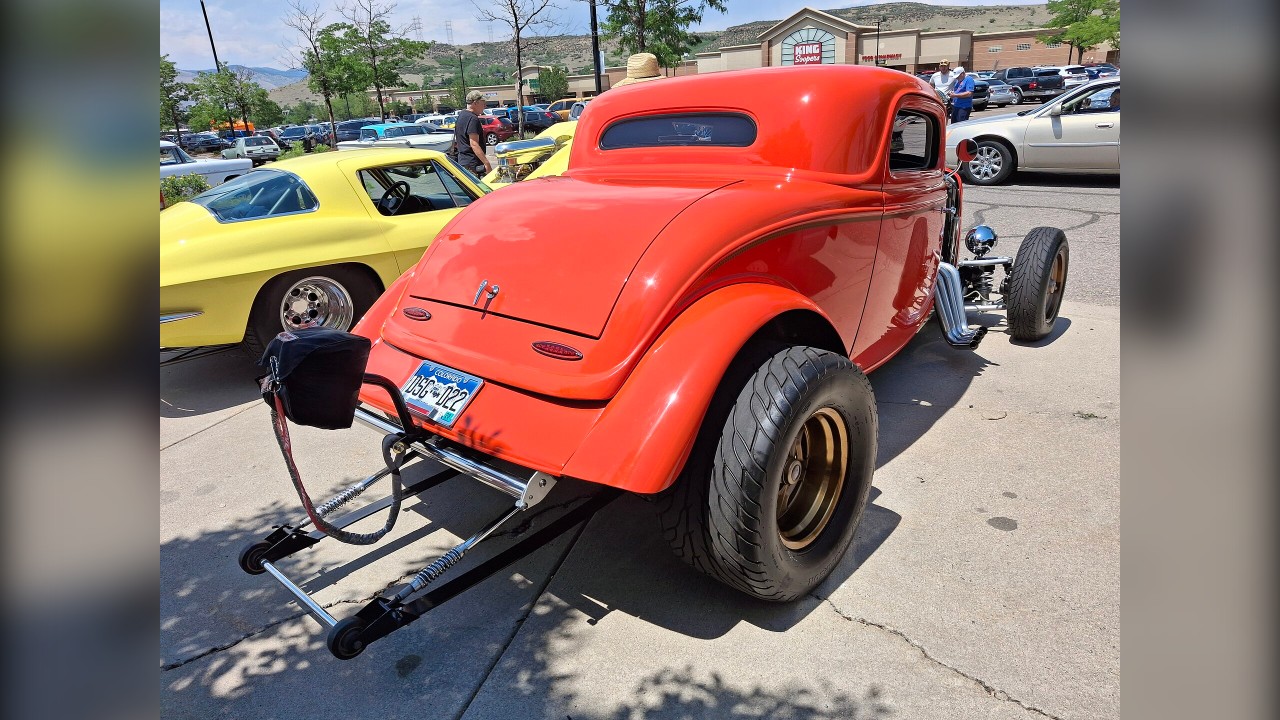
The 1934 Ford sits at the end of the early V8 era. For that year, the Model 40 V8 made 85 horsepower, up from 65 in 1932 and 75 in 1933. It was also the final year of the four-cylinder Model B. Since 1933, the cars had ridden on a 112-inch wheelbase instead of the earlier 106 inches.
In our view, that extra length suits a drag car. After the war, racers ran on abandoned military airfields, and early strips stretched as long as a mile. Then the NHRA arrived in 1951 to move drag racing off public roads. A 1934 coupe built for straight-line speed belongs to that tradition of taking the racing somewhere safe and timed.
In our opinion, a 1934 coupe dragster is the rod to keep if you love noise and numbers. It wears a classic body yet exists to launch hard. Our take: these cars are worth saving because they show the bridge between street rods and real competition machines. If you buy one, budget for safety gear and a fresh look at the chassis.
9. 1937 Ford V8 coupe hot rod
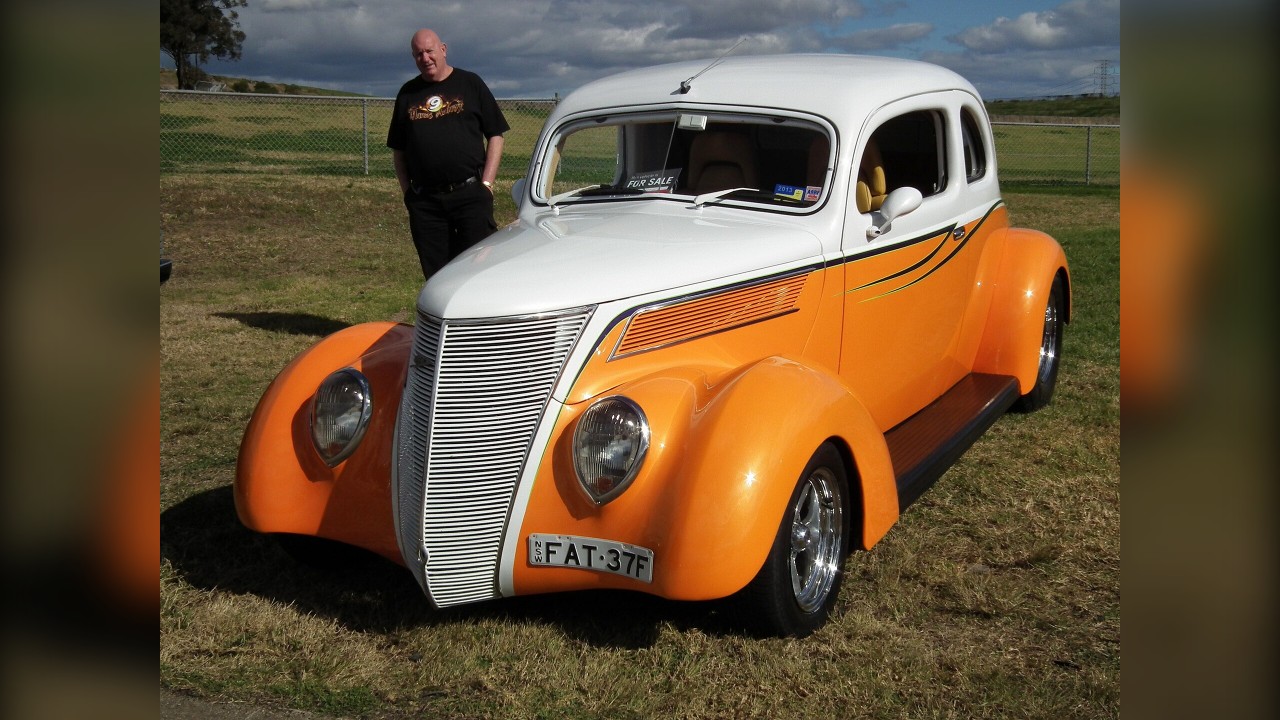
Ford changed its look in a big way for 1937. The headlights moved into the front fenders on both Standard and DeLuxe models. Meanwhile, a V-shaped grille gave the car a rounded, streamlined face. That body ran through 1940, so the 1937 car started a whole family.
Buyers could choose between two flathead V8s. One displaced 136 cubic inches, and the larger one displaced 221. By 1938, Ford listed them at 60 and 85 horsepower. As a result, the smaller engine gave thrifty buyers a V8 badge, while the bigger engine kept the performance crowd happy.
We would hang on to a 1937 coupe because it shows hot rodding growing up. Its swoopy shape suits a fat-fendered build, which keeps the fenders and focuses on a low, smooth stance. Our take: if the Deuce is a sprinter, the 1937 is a cruiser. It is the rod for long, comfortable drives, and that makes it the one we would actually use most.
10. 1940 Ford customized Tudor coupe
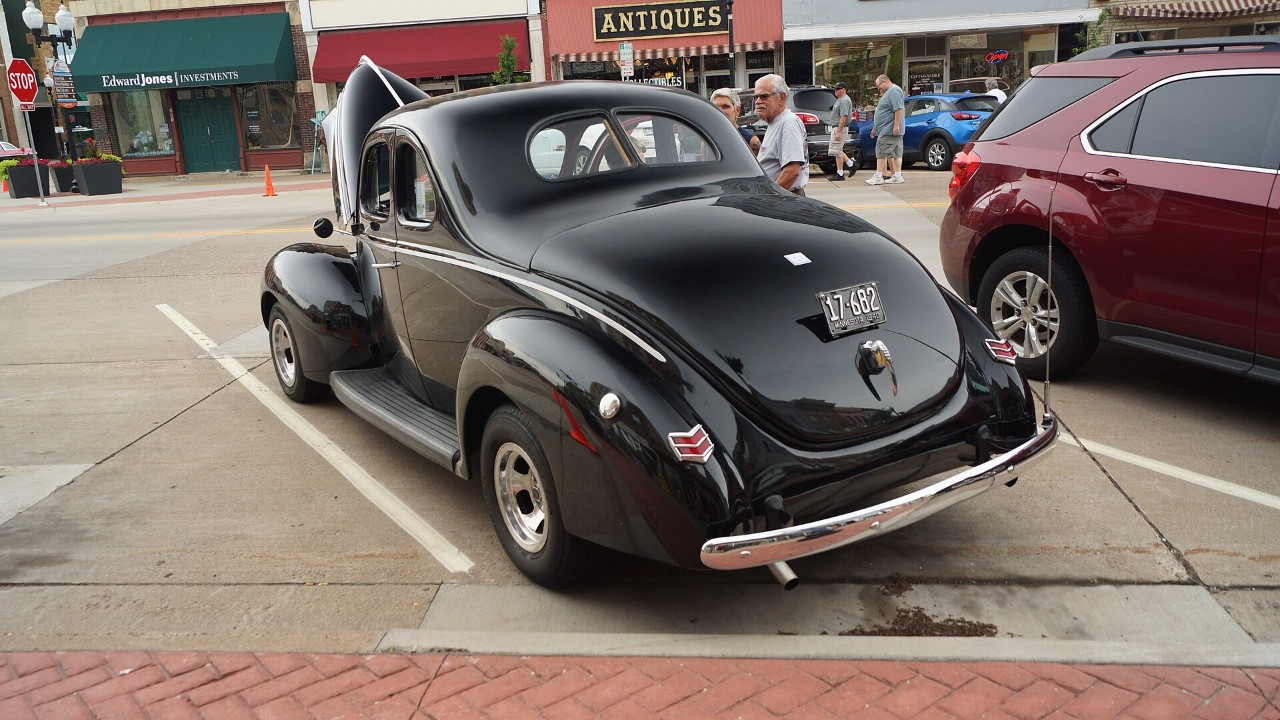
The 1940 Ford is the last of the 1937 design, and we think it is the best-looking. A high, flat-topped hood dominated the front, and the DeLuxe grille spread out to reach the fenders. Sealed-beam headlights were one of the few big technical advances that year.
The car has worn both hot rod and custom clothes since the 1940s. Fred Cain finished his chopped, dechromed 1940 Ford in 1948 with a ported Mercury engine and Evans heads, according to Street Muscle. A 1953 magazine story called it a “Custom-Rod,” because it blurred the line between the two styles.
Our take: the 1940 Ford Tudor is the rod we would keep because it can be anything. It works as a smooth custom, a fat-fendered cruiser or a hot rod with a big engine. That flexibility is rare. Our buyer advice: pay for clean, solid metal before you pay for shiny paint. Paint can always be redone later.
11. 1940 Willys Americar gasser coupe
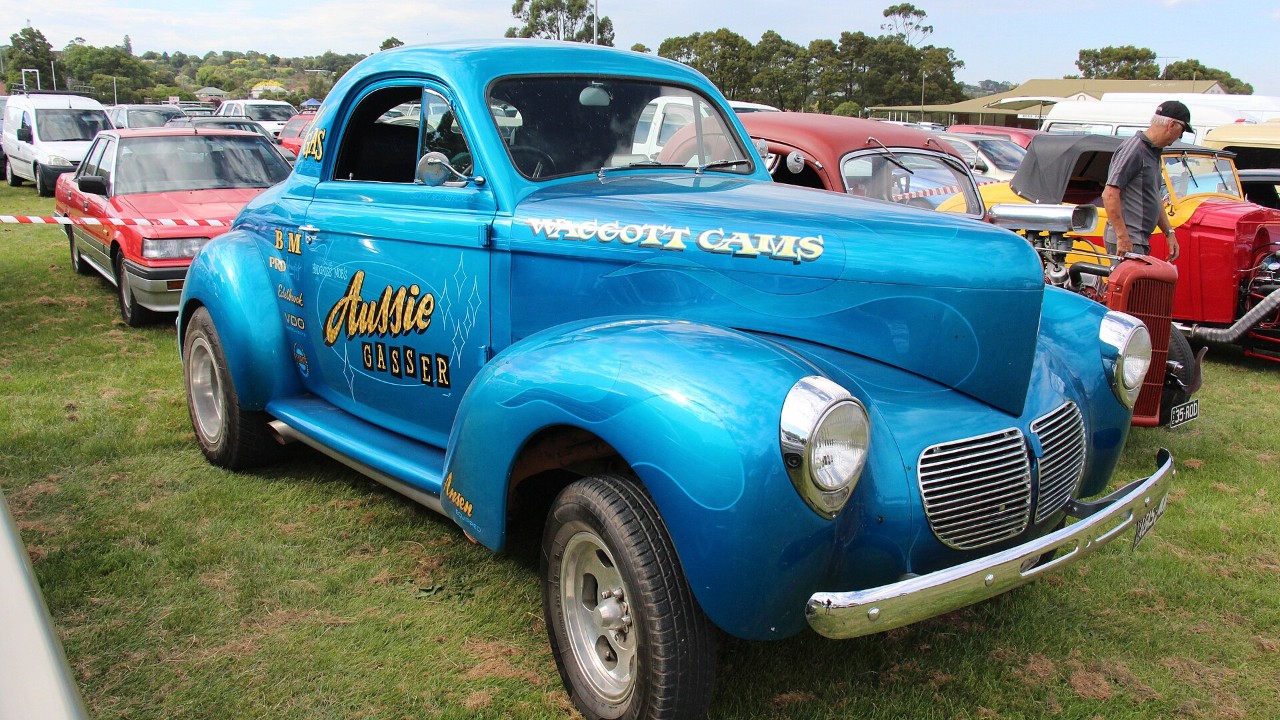
Willys coupes became the signature car of the gasser class. Strictly speaking, the Americar name arrived for the 1941 model year, according to Street Muscle. Even so, this 1940 coupe shares the short, upright look that gasser builders love. Raised front ends, straight axles and huge engines defined the style.
The most famous Willys gassers belonged to Stone, Woods and Cook. Their 1941 Willys, Swindler II, ran a blown 448-cubic-inch Oldsmobile V8 in A/Gas. In 1962 it won the Winternationals and set an A/Gas record of 10.25 seconds at 140.84 mph, according to Street Muscle’s team history. The Gasser Wars wound down around 1967.
In our view, a 1940 Willys gasser is the most fun hot rod on this list to look at. The nose-high stance is pure 1960s attitude, and nothing at a show draws people quite like it. We would refuse to give one up. Our buyer advice: many gassers today are nostalgia builds, so ask for photos of the chassis work before you buy.
12. 1941 Willys Americar drag racing coupe
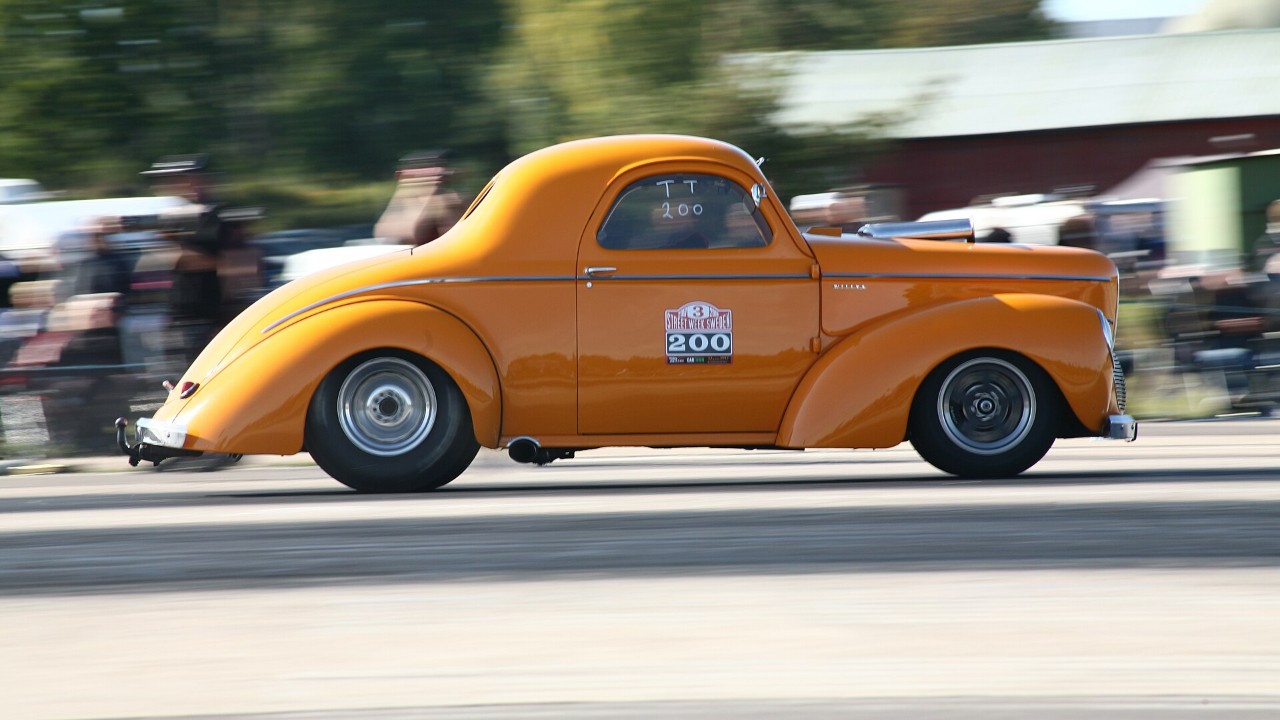
The 1941 Americar started life as modest transport. Street Muscle calls it “cheap, light and underpowered,” with a 2.4-liter Go-Devil four rated at about 66.5 horsepower. That combination made it a perfect base for drag racers, who swapped in big V8s.
Big John Mazmanian proved the point. He bought his 1941 Willys in 1964 and fitted a 392 Chrysler Hemi. Running in A/Gas, his car reached 149 mph with a 9.77-second elapsed time. Meanwhile, Stone, Woods and Cook kept building Willys race cars through the decade, and the rivalry made the little coupe a star.
Our take: a 1941 Willys drag coupe is the rod we would keep for pure bragging rights. It turned a forgotten economy car into one of drag racing’s great shapes. We would never sell one. Our buyer advice: check any claimed race history against period sources. A good story is only worth paying for when it can be proven.
More from Fast Lane Only