Ford built its Super Duty V8 for trucks that worked from dawn to dark. It kept that engine family in production from 1958 to 1981. That truck motor leads a list of Ford big-blocks whose staying power shows up in the record, not in barstool stories.
None of the engines below earns its place on a claimed million miles. Instead, each one makes the cut on what the sources document. That means the heavy-duty parts Ford chose, how long Ford kept building it, or the hardest job it finished.
1. 1958–1981 Ford 534 Super Duty V8
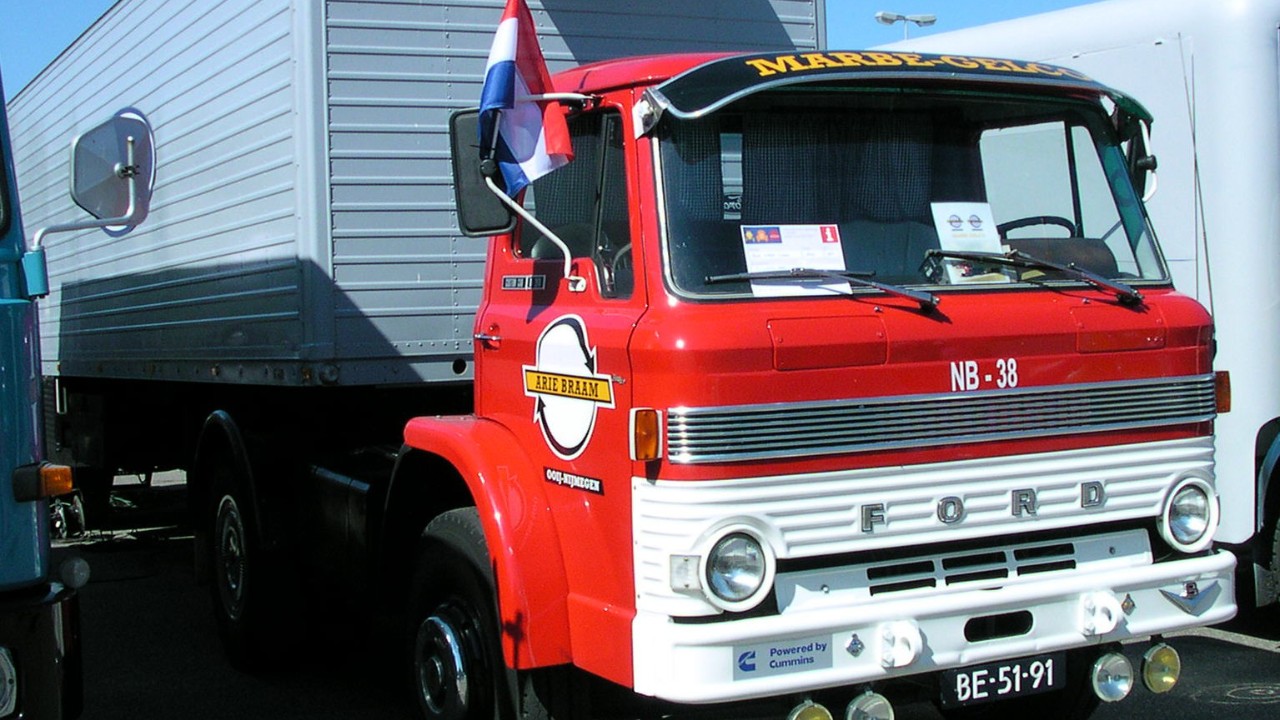
The biggest Super Duty displaced 534 cubic inches. Its 4.50-inch bores sat on 5.25-inch centers, so the block was enormous even by big-block standards. Ford built it at its Cleveland engine plant in Brook Park, Ohio. It then went into C, H, L and N series trucks and the larger F series.
According to Mac’s Motor City Garage, Ford designed every part of it for “severe use in commercial applications.” In service, the 534 made 266 hp. Later, Seamaster Marine adapted it for large pleasure boats. Its twin-turbo Super Seamaster 534-TI-B made 400 hp and 657 lb-ft.
2. 1958–1981 Ford 477 Super Duty V8
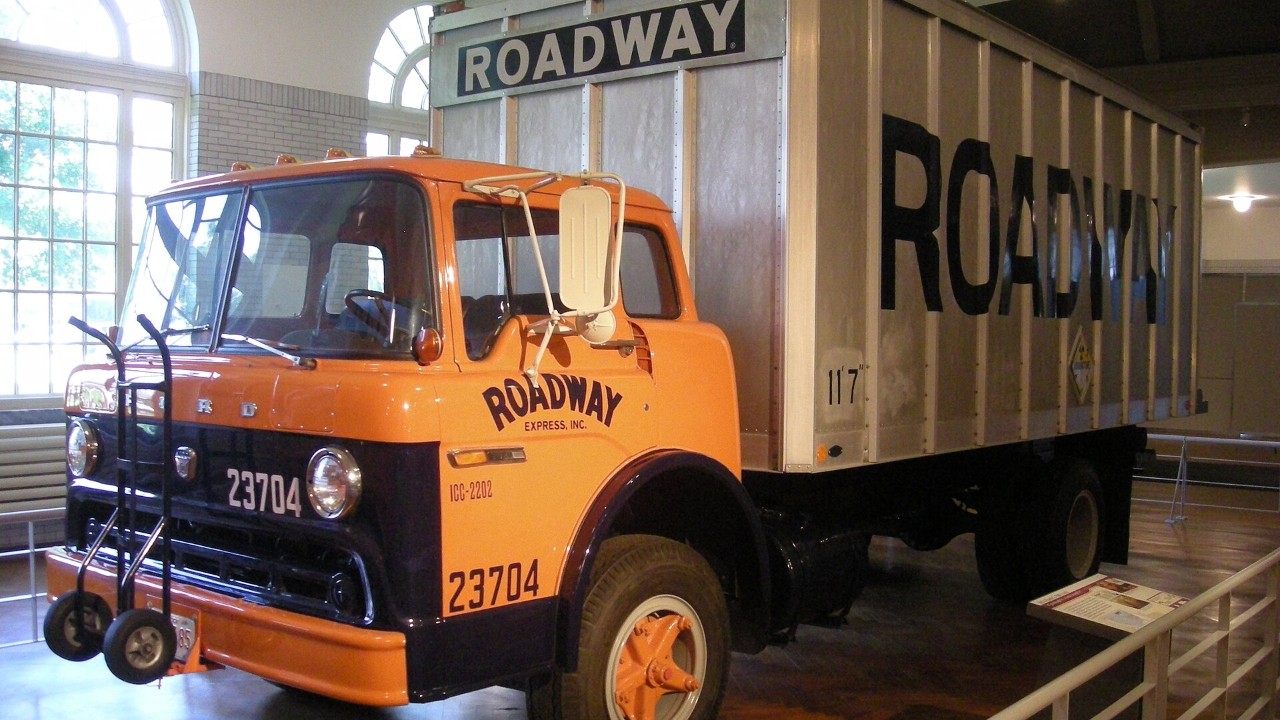
The middle Super Duty made 253 hp from 477 cubic inches. It also shared the family’s unusual layout. Ford machined the block deck at an obtuse angle, so the combustion chambers sat in the block instead of the heads.
The cooling system shows how seriously Ford took long hauls. Mac’s Motor City Garage lists front and rear thermostats, both opening at 160 degrees. A three-stage coolant circuit moved 12,600 gallons per hour. Each aluminum piston also carried four chrome rings, and the top ring had a cast-iron insert.
3. 1958–1981 Ford 401 Super Duty V8
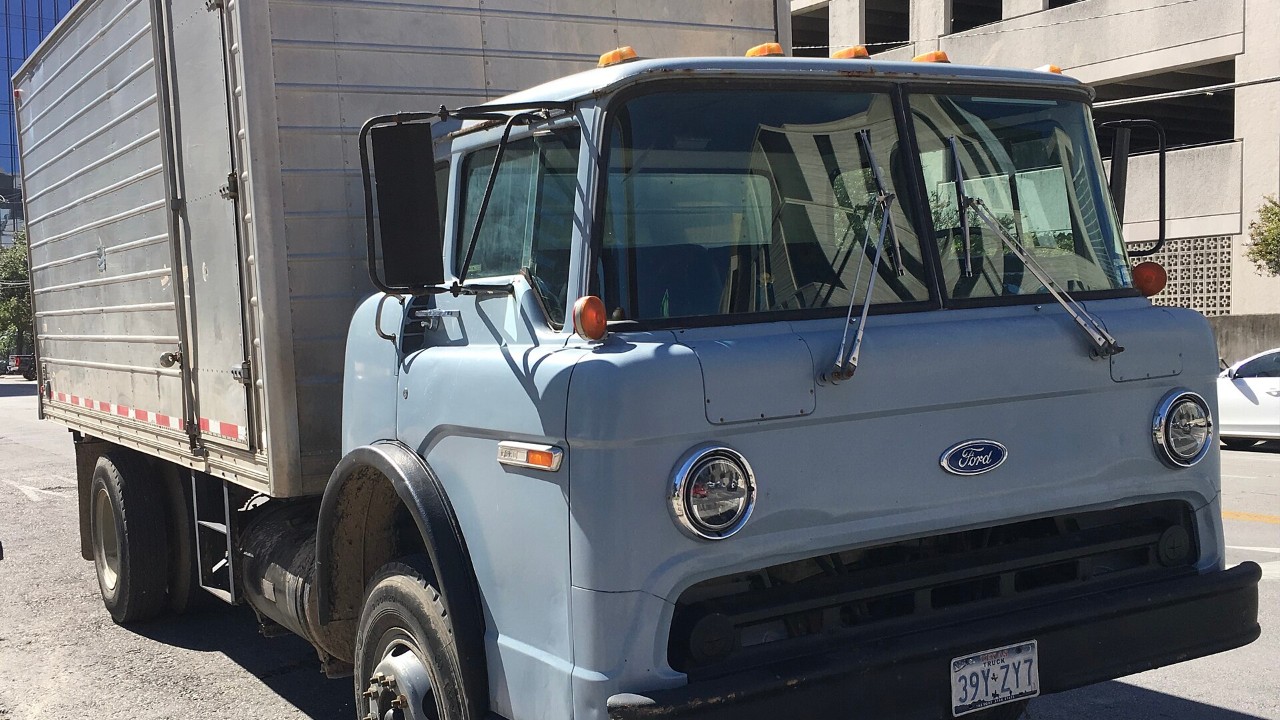
Even the smallest Super Duty displaced 401 cubic inches and made 226 hp. Ford gave it the same truck-grade hardware as its bigger brothers. So a buyer who ordered the entry engine kept the heavy-duty internals.
Those parts included sodium-filled exhaust valves, an internal oil cooler and an 11-quart oil pan. That list comes from Mac’s Motor City Garage. Ford also offered an industrial package, with the engine on a skid inside a metal enclosure. In other words, the Super Duty worked off the road as well as on it.
4. Ford 391 FT V8
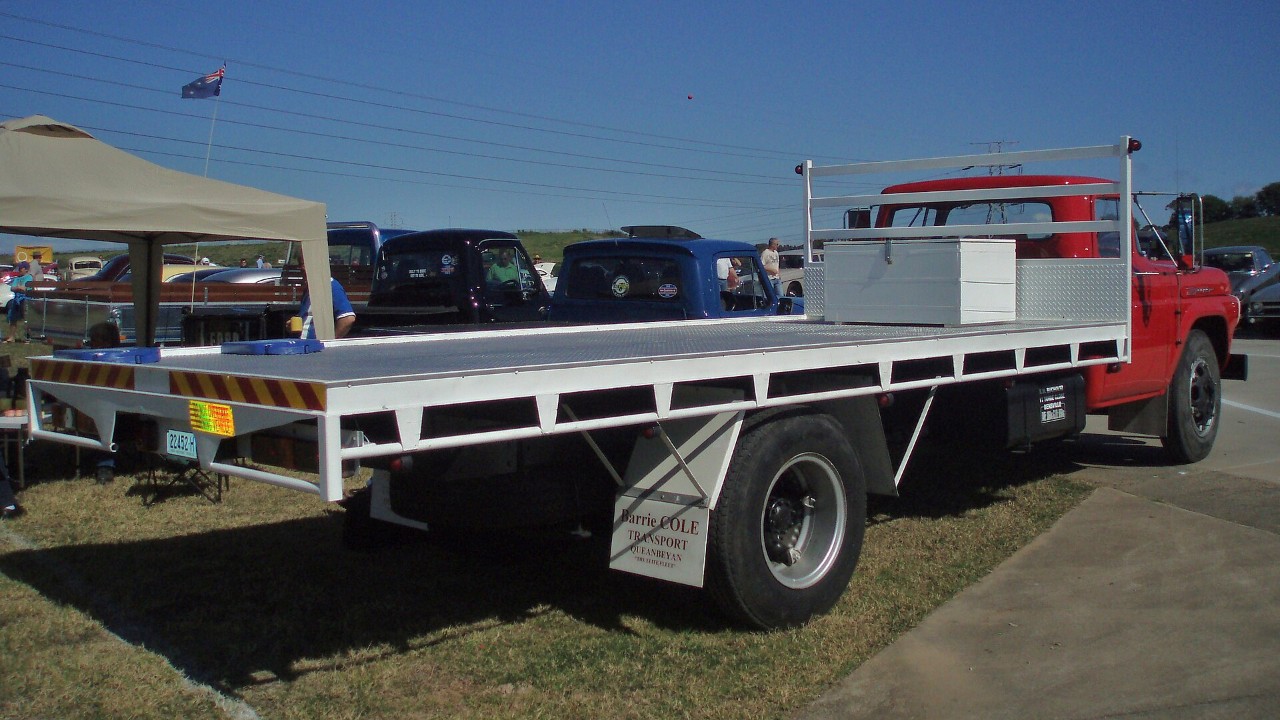
Ford’s FT engines were the truck branch of the FE family. Ford used them in medium and heavy trucks from 1964 through 1978. By then, the FE’s glamour years in race cars were long over.
The FT swapped the FE’s nodular iron crankshaft for a steel one. It also got a larger crank snout, different distributor shafts and different water pumps. The Auto History Preservation Society says Ford made those changes “to increase strength and reliability.” Meanwhile, Curbside Classic notes that the FT version of the 390 went by “391.”
5. Ford 361 FE V8
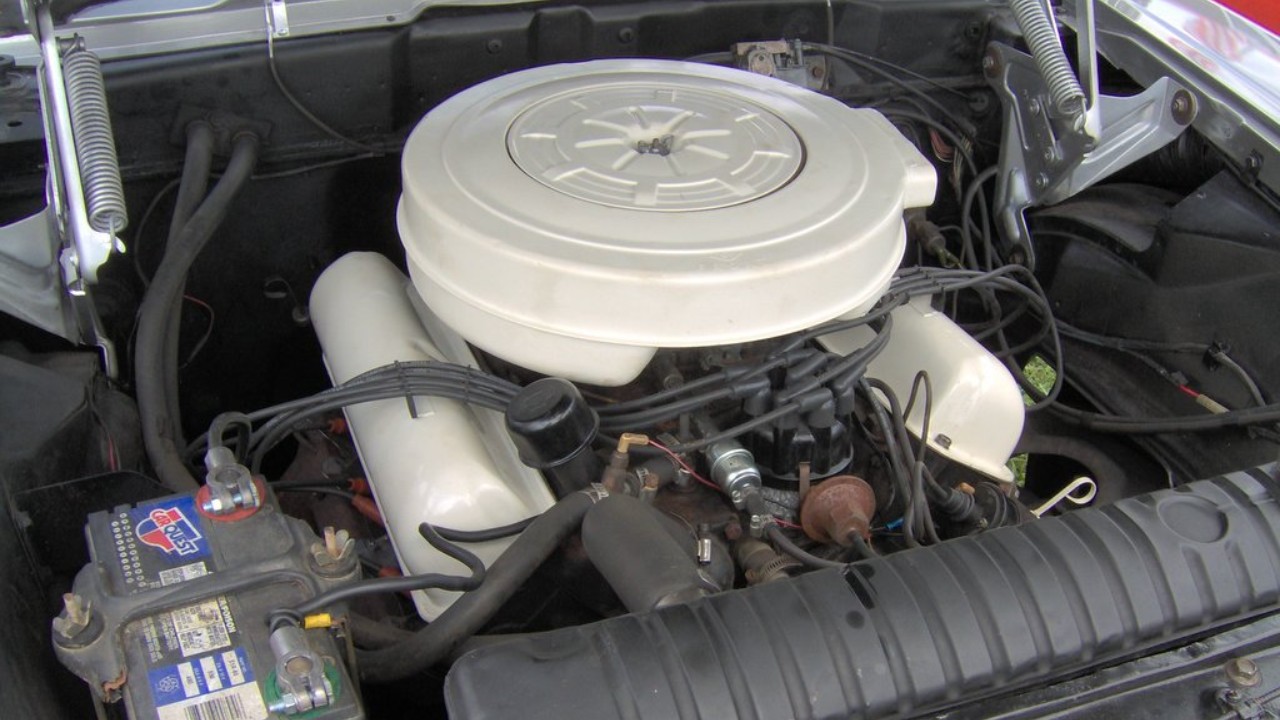
The 361 began life in a car most people remember for the wrong reasons. In 1958 it powered the Edsel Ranger and Pacer. Ford also offered it as a police-car option that year only, as Curbside Classic notes.
Its 4.046-inch bore and 3.500-inch stroke, for example, came straight from the FE parts bin. After the Edsel faded, the 361 moved into Ford trucks, according to the Auto History Preservation Society. That source adds that the FE line “continued to give reliable and healthy strength to the Ford Truck line.”
6. 1968–1976 Ford 360 FE V8
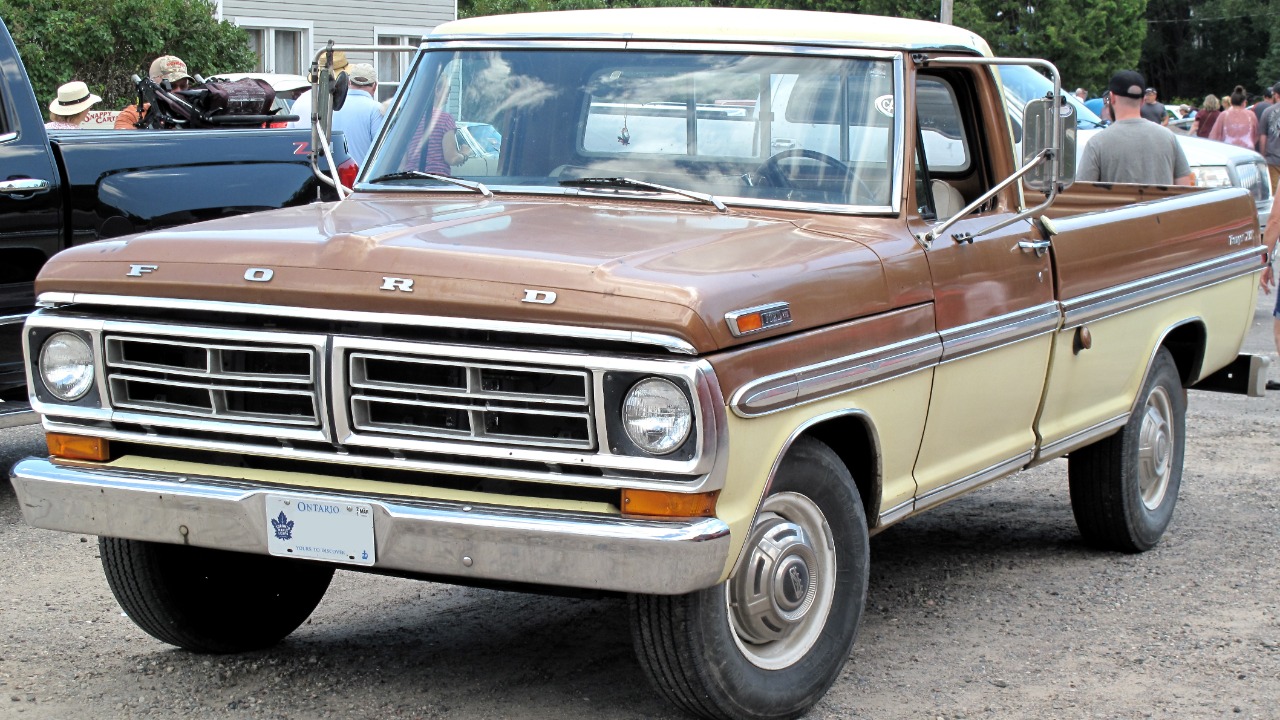
Unlike the 390, the 360 never went into a car. According to Curbside Classic, it served only in pickups and other light trucks. It carried a 215 gross hp rating from 1968 to 1972. From 1973 to 1976, the net rating was 143 hp.
However, the torque figure tells the real story. Over-Drive magazine lists 375 lb-ft at just 2,600 rpm. That came with a mild 8.5:1 compression ratio and a two-barrel carburetor. In the end, the 360 and the pickup 390 were the last FE engines Ford built.
7. Ford 390 FE V8 in F-Series pickups
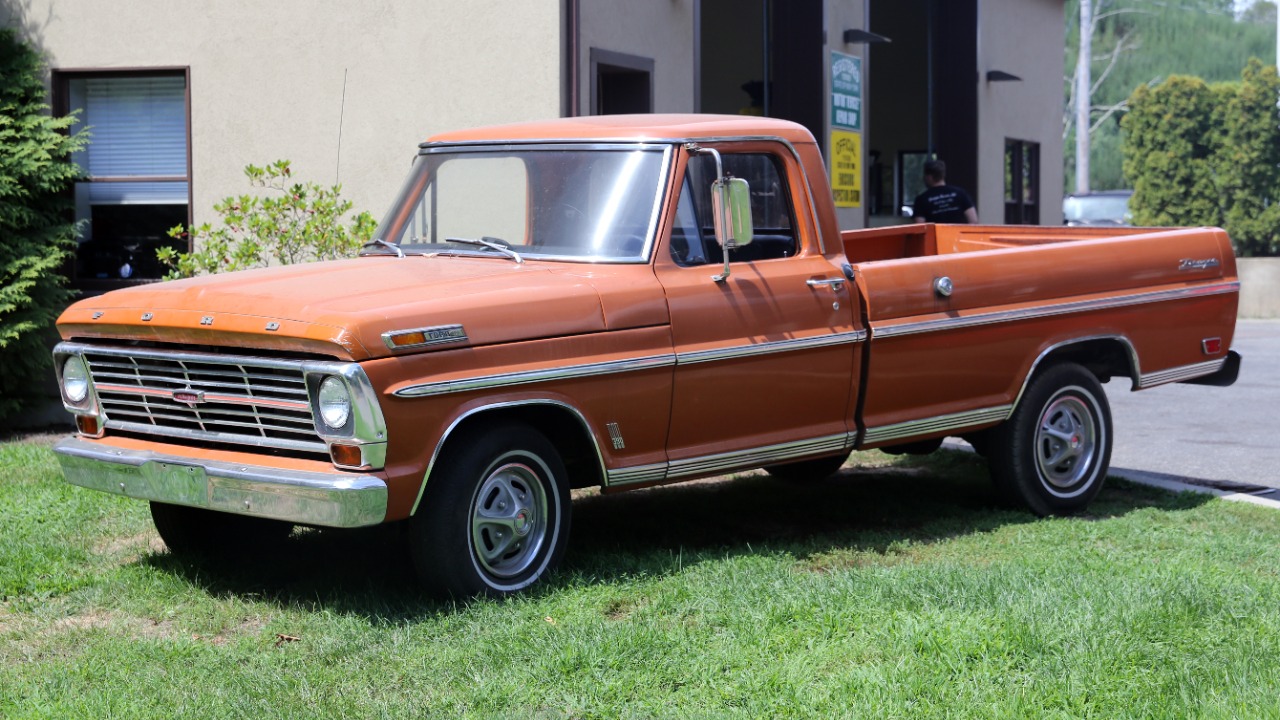
The 390 became an F-Series pickup option for 1967, rated at 255 gross hp with a four-barrel. It left full-size cars part-way through 1971. Even so, it kept going in trucks until FE production ended in 1976, according to Curbside Classic.
Part of the reason is the block design. Over-Drive explains that the FE casting reaches 3.625 inches below the crank centerline. That gives “great rigidity and support to the crankshaft’s bearings.” The magazine adds that the FE “proved to be very durable, especially when fitted with cross-bolted main bearings.”
8. 1963 Ford 427 FE V8
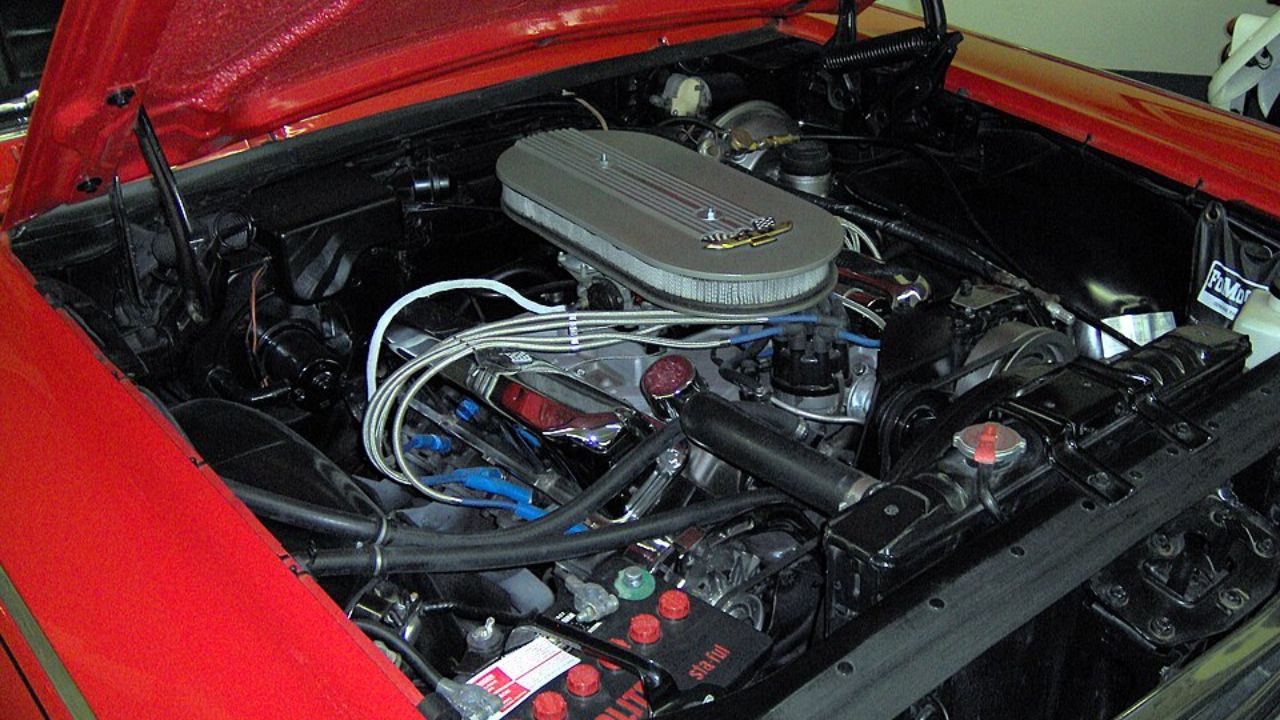
The 427 arrived early in the 1963 model year as a high-performance engine for big Fords and Mercurys. Advertised ratings reached 425 hp with dual four-barrels, according to Curbside Classic.
Still, its toughest test came at Le Mans. Mac’s Motor City Garage says the race engine stayed close to the production Galaxie 427. In 1966 it made 485 hp at 6,400 rpm. First, Ford proved it on a dynamometer that simulated Daytona, Sebring and Le Mans. Then the 427 won the 24 Hours in 1966 with a 1-2-3 finish. It won again in 1967, while Ferrari’s V12s revved past 8,000 rpm.
9. 1968–1973 Ford 429 Thunder Jet V8

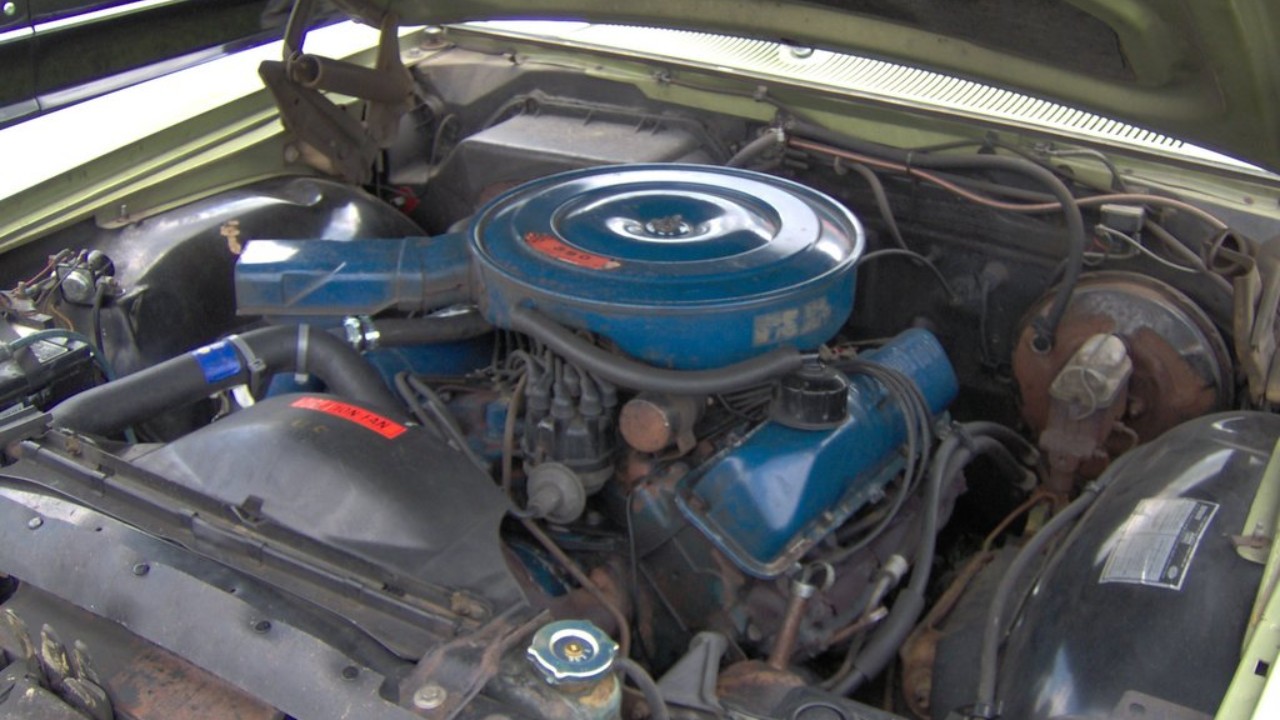
The 429 Thunder Jet launched Ford’s 385-series big-block in the 1968 Thunderbird. In that first year, it made 360 hp with a four-barrel. Ford and Mercury then used it in big cars and intermediates through 1973.
The design leaned on canted-valve heads with a 2.08-inch intake valve. The Auto History Preservation Society credits them with “improved flow and enhanced durability.” It also calls the crankshaft and main bearings “a robust and reliable foundation” for the engine.
10. 1970–1971 Ford 429 Cobra Jet V8
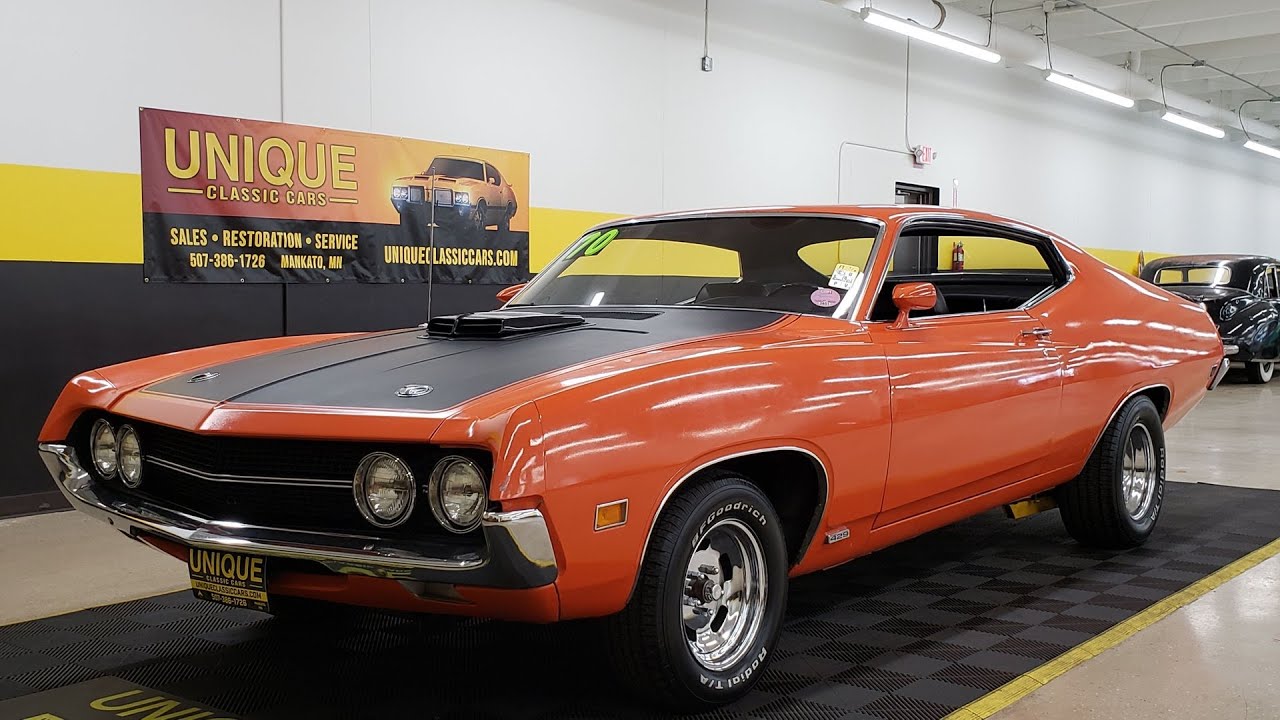
For 1970 and 1971, Ford built a performance 429 with a stronger bottom end. Both the Cobra Jet and the Super Cobra Jet used four-bolt main caps. By contrast, the base 429 block made do with two bolts per cap.
The Cobra Jet also got larger ports, bigger valves and a hydraulic camshaft. A Rochester Quadrajet fed it through a spread-bore intake. The Super Cobra Jet ran a mechanical cam and a 780-cfm Holley instead, according to the Auto History Preservation Society.
11. 1968–1997 Ford 460 V8
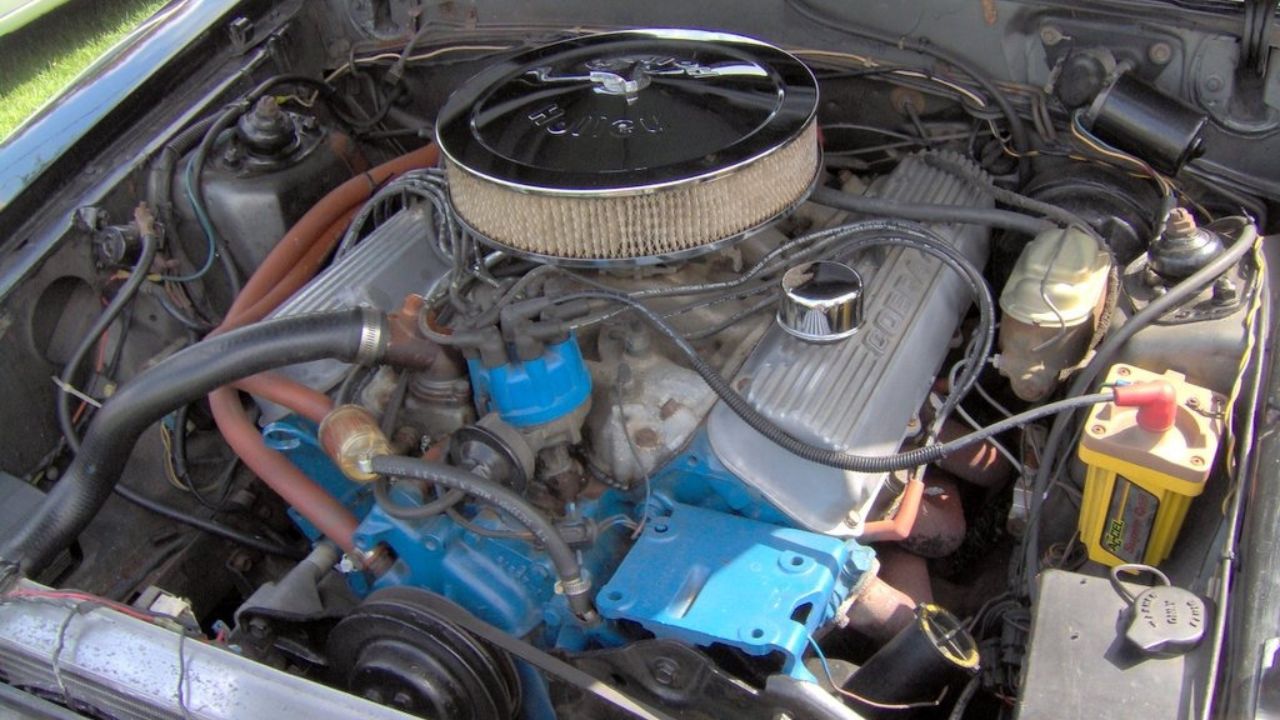
The 460 debuted in 1968 Lincolns and came from Ford’s Lima, Ohio, plant. In the Mark III and Continental it made 365 gross hp and 485 lb-ft. It was not flawless, though. A 1972 head design caused reliability and detonation problems, so Ford redesigned it for 1973.
DrivingLine calls it “Ford’s most popular, longest-lasting big block V8 engine.” Ford dropped it from cars after 1978, but trucks kept it. Later, fuel injection in 1988 lifted truck output to 245 hp and 400 lb-ft. Finally, Ford took the 460 out of its pickup and van lineup in 1997.
More from Fast Lane Only