An overhead-cam engine puts the camshaft on top of the cylinder head instead of down in the block, so it drives the valves without long pushrods. That layout won over Ford, BMW, Toyota, Nissan and Mercedes-Benz, and some of their designs earned a reputation for running far past the cars around them.
These eight come from the record: reader polls, marque specialists, a teardown on a high-mileage truck and the reviewers who track these engines. Where a reputation comes with a known weak spot, that is here too.
1. 1974–1997 Ford Lima 2.3 overhead-cam engine
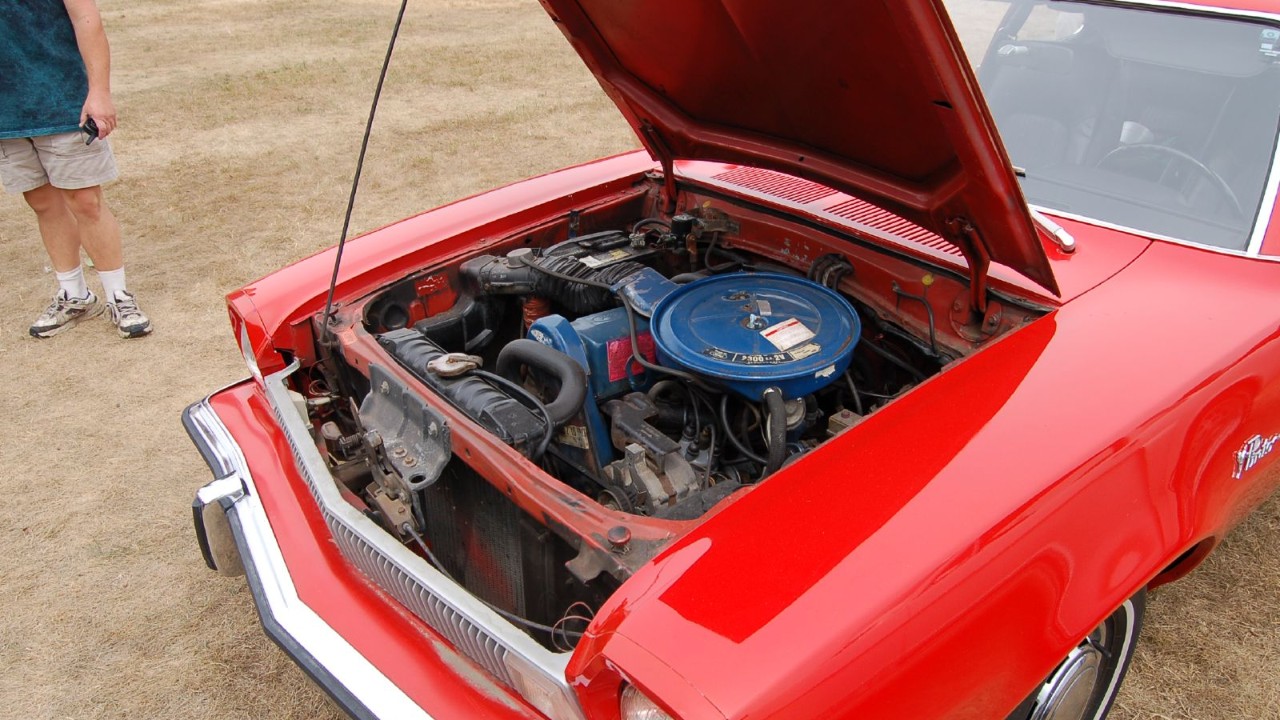
Ford developed the 2.3 in-house as the base engine for the Mustang II, and it arrived for 1974 as the Pinto’s step-up option. In that first Pinto it made 82 hp at 4,600 rpm and 112 lb-ft of torque at just 2,600 rpm. It also had a taller, heavier block than the European Ford four, and the two engines share no parts.
That block is also the reason for its reputation. Curbside Classic calls it “very stout,” and notes that turbocharging took it to 205 hp in the Mustang SVO. The original ran until 1997, and a 2.5-liter version lasted until 2001. When more than a thousand Drivingline readers named their toughest gas engines, the “remarkably reliable” Lima made the cut.
2. 2002 Ford Barra 4.0 inline-six
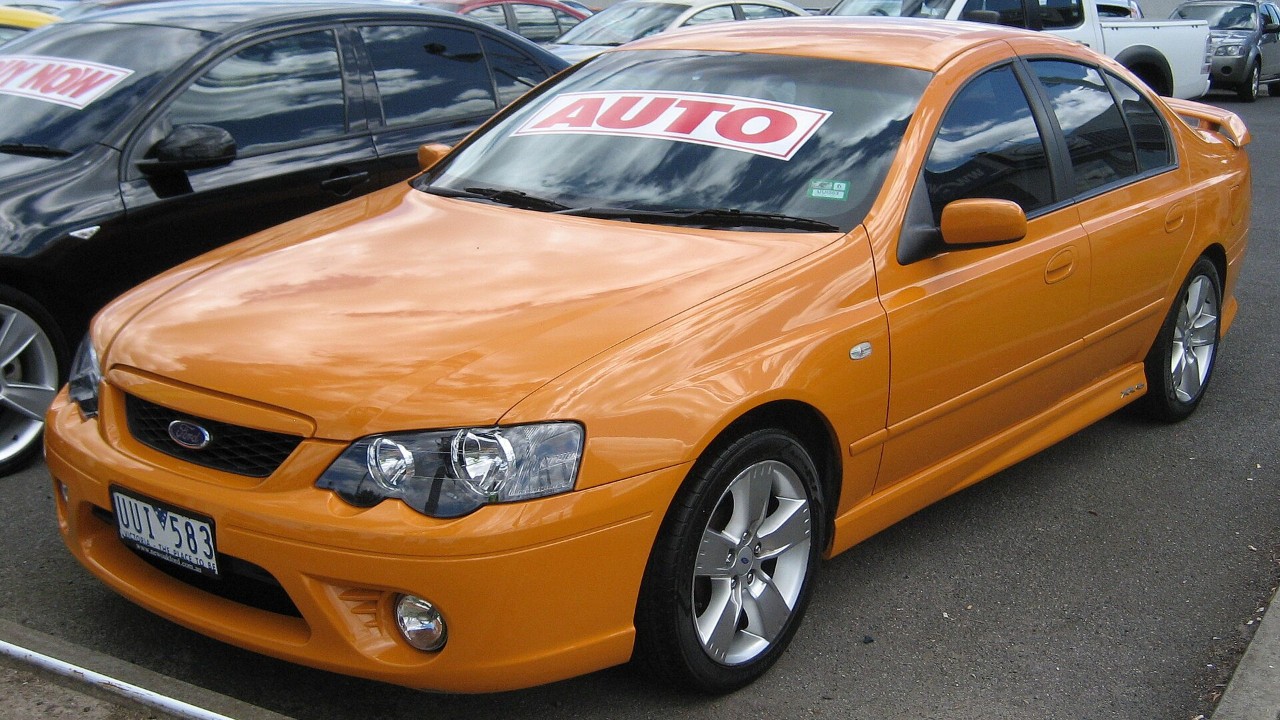
Ford Australia’s Barra appeared in 2002 for the Australian-market Falcon. It pairs an iron block with dual overhead camshafts. Turbocharged versions made more than 400 horsepower in some Falcons, according to Drivingline.
However, the plain version is the one with the long-life story. Drivingline says the basic Barra “is typically thought of as the million miler.” It also gave the engine “a fantastic reputation as the best taxi and fleet motor available.”
3. Late-1960s–mid-1980s Nissan L-series
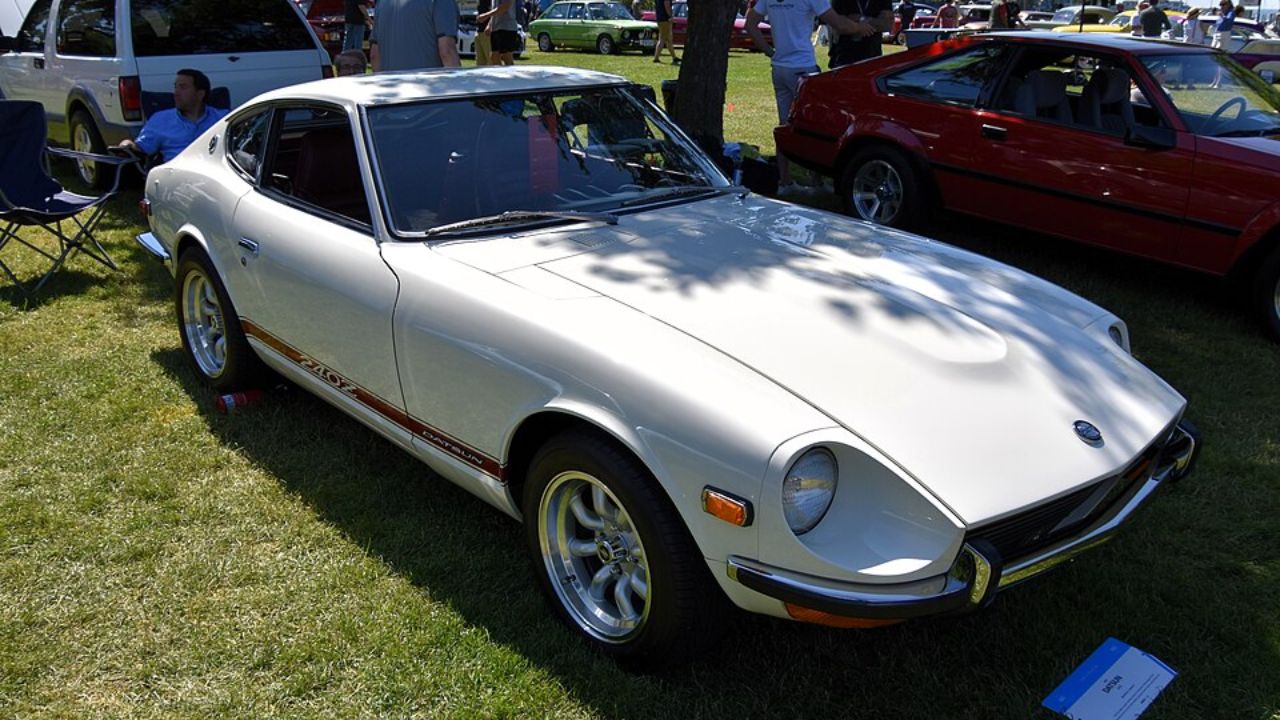
From the late 1960s to the mid-1980s, Datsun and then Nissan bet heavily on one engine family. The L-series came as inline fours and inline sixes, and every version used a simple overhead-cam layout. It powered the Roadster, the 510, the 620 pickup, the Maxima, the first Skyline 2000GT and the 240Z, 260Z and 280Z.
Part of its toughness comes from materials. The L-series combines an iron block with an aluminum head, and Drivingline describes the design as “overbuilt.” In fact, the six-cylinder versions did more than survive. Drivingline credits them with establishing Datsun “as a legitimate sports car force in America.”
4. 1994–2004 Toyota 3RZ-FE
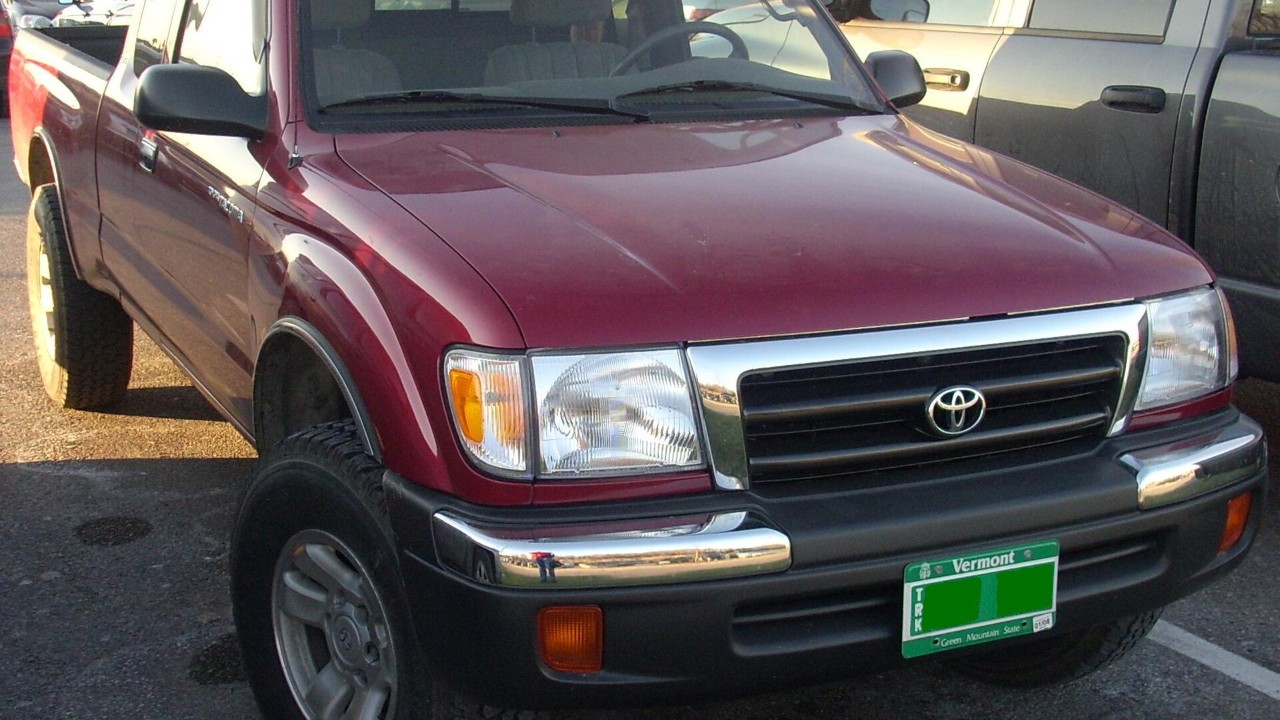
Toyota’s 3RZ-FE is a 2.7-liter twin-cam four with 16 valves, rated at 150 hp and 177 lb-ft. It ran from 1994 to 2004 in the Tacoma, Hilux and HiAce, and SlashGear also ties it to the 4Runner. The same report says the engine is “said to be just about bulletproof.”
Later, a real teardown put that claim to a test. As SlashGear reports, a mechanic on the YouTube channel I Do Cars opened up a 2002 Tacoma engine with over 300,000 miles that was headed for scrap. Coolant had reached the crankcase, which pointed to a blown head gasket, and the plugs suggested neglect. Even so, the internals were worn but solid, and the original timing chain guides could keep working.
5. 1968–1995 BMW M30
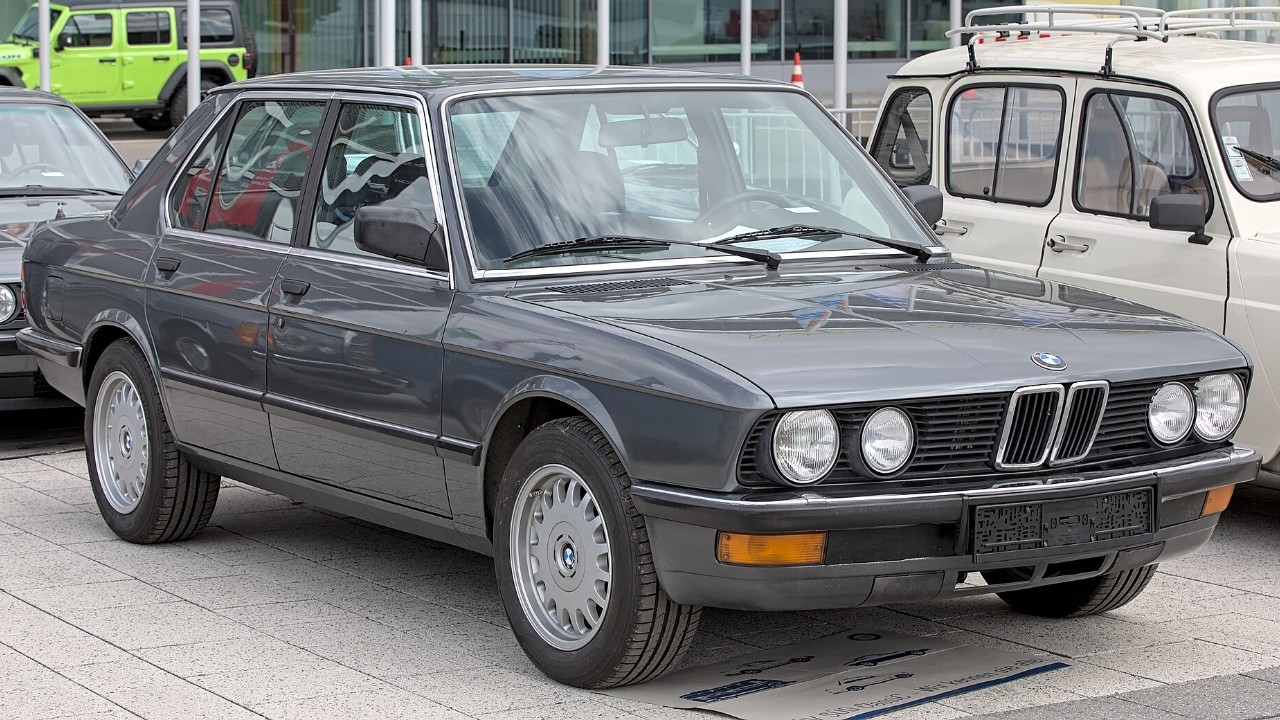
First, consider the span: BMW built the M30 inline-six for 27 years, from 1968 to 1995. It uses a single overhead cam, two valves per cylinder, an iron block, an aluminum head and a forged crankshaft. Displacement grew from 2,494 cc to 3,430 cc, and the engine served in BMWs from the E3 to the E34 5 Series.
For a well-kept example, BMWBlog says “250,000 to 300,000 miles on original internals is not unusual.” Specialists rate the 208-hp M30B35 as the easiest late version to maintain, according to the same guide. BMW Tuning calls the construction “nearly bulletproof” because of its simplicity. The weak link is the aluminum head, though, and BMWBlog says overheating is what actually damages it.
6. 1990–1996 BMW M50
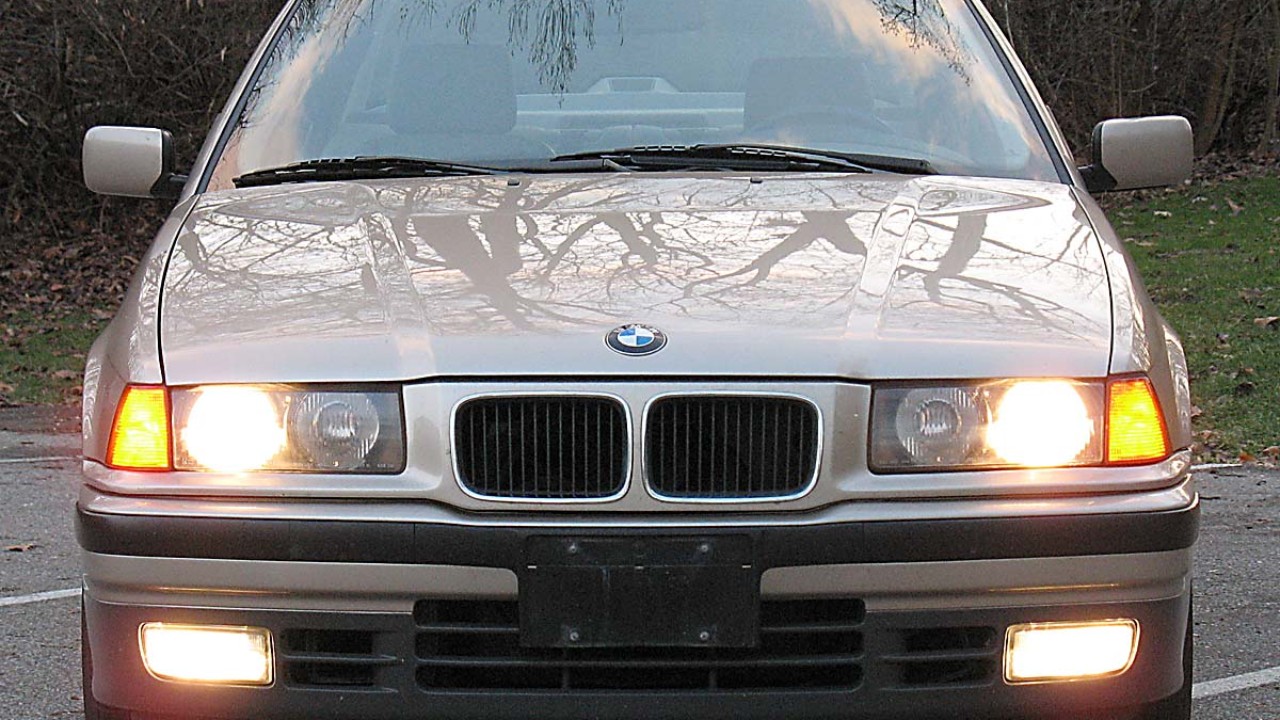
The M50 brought dual overhead cams and four valves per cylinder to BMW’s inline-six. Between 1990 and 1996 it came in sizes from 2.0 to 2.5 liters, and it became the main six for the E36 3 Series and E34 5 Series. In 1992 the M50TU added single VANOS variable timing on the intake cam.
Writing for BMW Tuning, the author says “there aren’t any serious issues with the M50’s overall design.” He adds, “I can vouch for the reliability of the straight-6.” But the cooling system is the catch. Its water pump uses plastic impellers that can break, often at low mileage.
7. Lexus 1UZ-FE V8
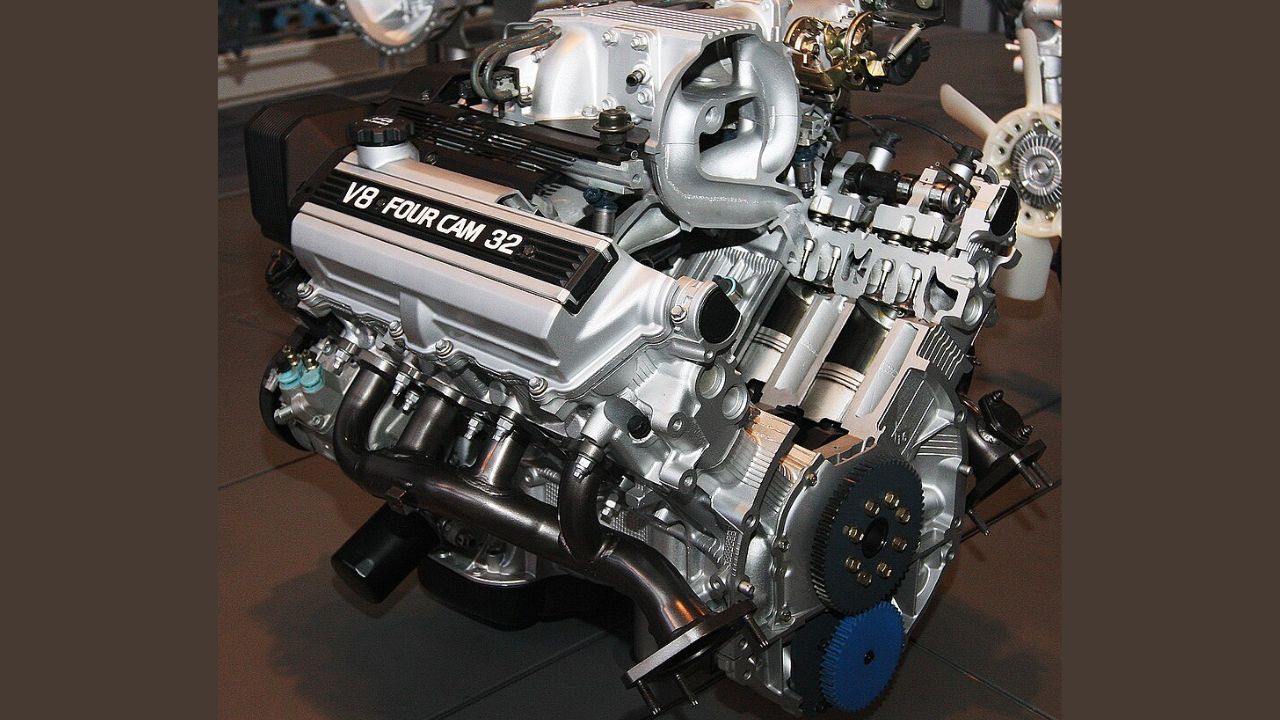
The 1UZ-FE is a 4.0-liter V8 with dual overhead cams and 32 valves. In its first form, in the Lexus LS 400, it made 250 horsepower and 260 lb-ft of torque. SlashGear calls it “one of the most reliable V8 engines on the planet, period.”
The development record also backs up that view. According to SlashGear, Toyota logged 1.67 million miles of real-world testing around the globe. The same report describes a million-mile LS 400 whose engine passed that mark without ever being opened. As a result, this overhead-cam engine often lasts hundreds of thousands of miles without a major breakdown.
8. Mercedes-Benz M111 four-cylinder
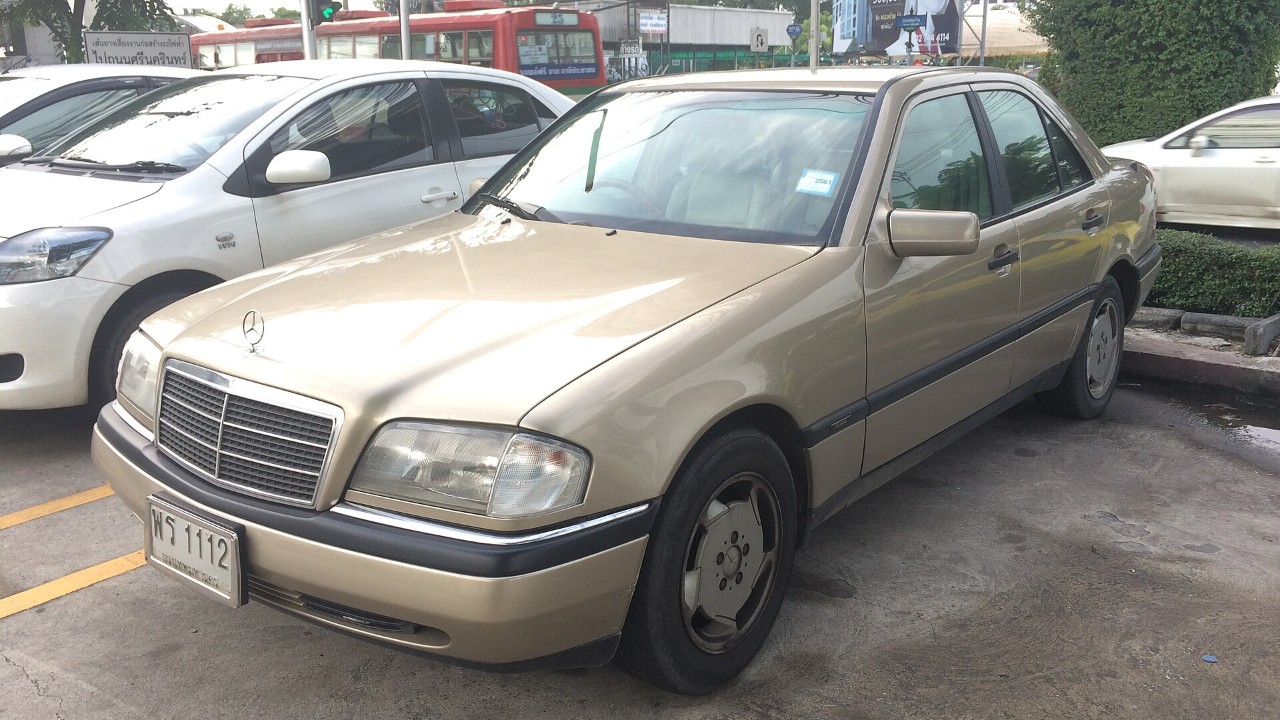
The M111 is a Mercedes inline-four with twin overhead camshafts, four valves per cylinder and a double-roller timing chain. Naturally aspirated 2.0-liter versions made around 136 hp. Mercedes also sold supercharged Kompressor versions, which added a supercharger, an intercooler and more intake parts.
Parts retailer Autoparts WD ranks the M111 among the best smaller Mercedes petrol engines for buyers who want “manageable servicing and lower operating costs.” It also favors the simpler non-supercharged versions. Before buying, it advises checking for oil leaks, timing-chain noise, cooling-system wear and, on Kompressor cars, supercharger wear.
More from Fast Lane Only