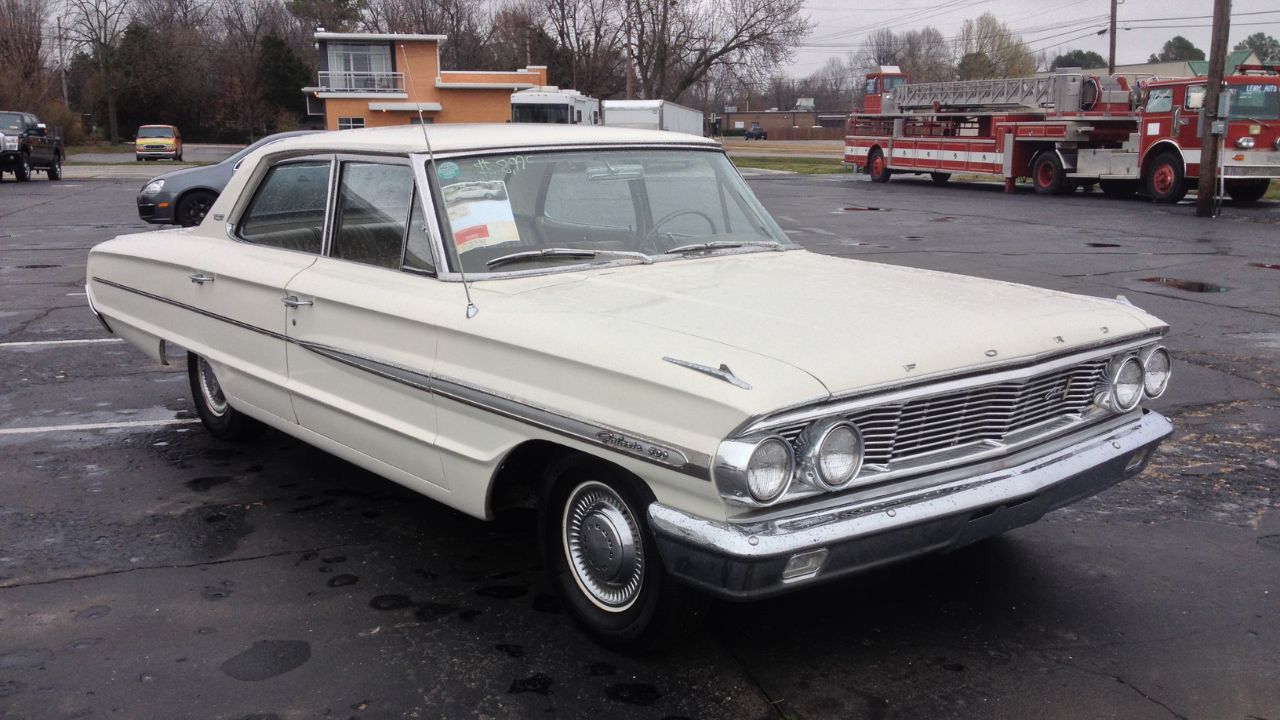
The 1964 Ford Galaxie 500, particularly with the 427 engine option, stood out as a surprising performer in the realm of full-size American cars. With its low 13-second quarter-mile times, it not only redefined expectations but also captivated muscle car enthusiasts and buyers alike.
Historical Context of the 1964 Ford Galaxie 500
The Ford Galaxie has a rich lineage that dates back to its inception in 1959. Initially introduced as a top trim level of the Fairlane, the Galaxie quickly evolved into a standalone model, becoming a symbol of American automotive excellence. By the time the 1964 model rolled around, the Galaxie had firmly established itself in the automotive market, appealing to a broad audience that craved both comfort and performance.
The 1964 model year is particularly significant as it coincided with the burgeoning muscle car movement of the 1960s. This era saw a dramatic shift in consumer preferences, with buyers increasingly drawn to vehicles that offered speed and power without sacrificing the practicality of a family sedan. The Galaxie 500 emerged as a formidable contender in this space, competing against titans like the Chevrolet Impala and the Chrysler 300. Unlike its competitors, which often leaned heavily towards luxury, the Galaxie struck a balance between performance and everyday usability, making it a compelling choice for families and enthusiasts alike.
Engineering Marvel: The 427 Engine
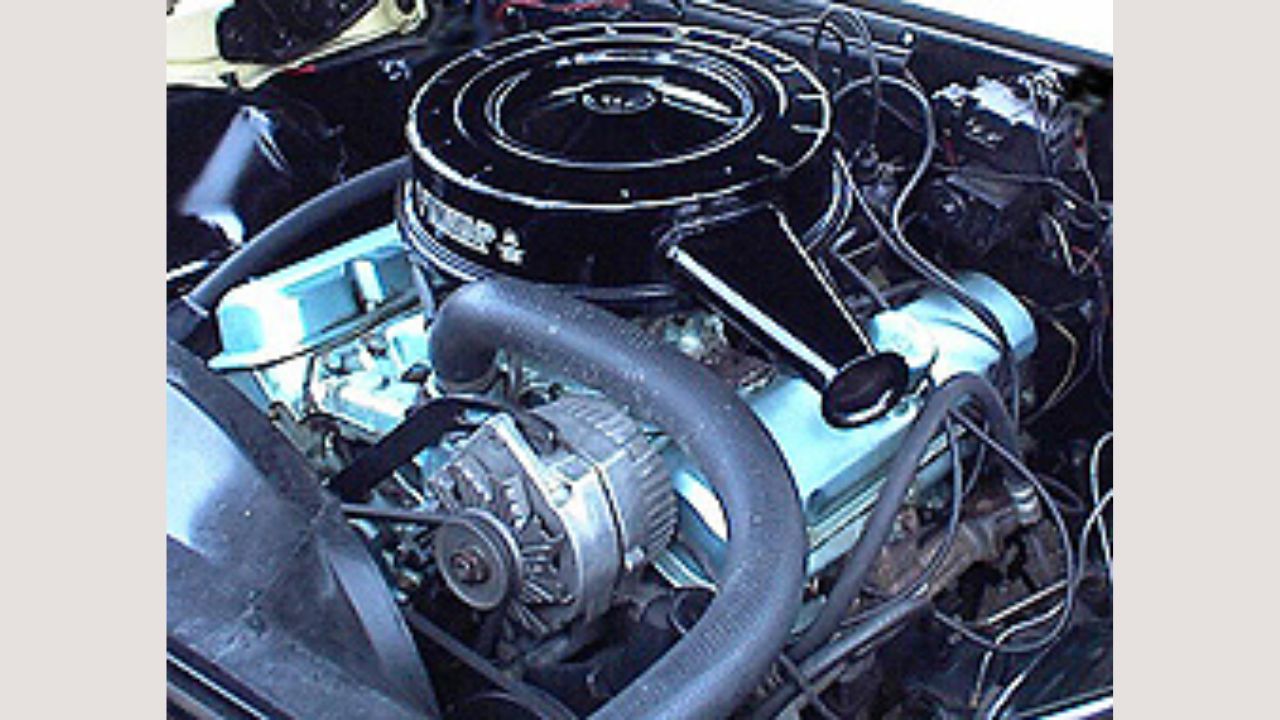
The heart of the 1964 Ford Galaxie 500 was undoubtedly the 427 cubic inch V8 engine, a marvel of engineering that set new benchmarks for performance in the full-size segment. Producing an astounding 425 horsepower and 480 lb-ft of torque, the 427 was designed with both street and track in mind. It featured a lightweight aluminum intake manifold and high-performance cylinder heads, allowing for efficient airflow and combustion.
The development of the 427 engine was a strategic move by Ford, aimed at solidifying its position in the muscle car market. Engineers focused on creating a powerplant that could compete with the likes of Chevrolet’s 409 and Chrysler’s 426 Hemi. The result was an engine that not only delivered impressive power but also offered a surprisingly smooth driving experience for a vehicle of its size. The engineering goals were clear: to provide not just raw power but also reliability and drivability, ensuring that owners could enjoy their Galaxie 500 on both the streets and the racetrack.
Performance Metrics that Shocked Buyers
The performance metrics of the 1964 Galaxie 500 with the 427 engine were nothing short of astonishing for a full-size car. Clocking in at low 13-second quarter-mile times, this vehicle shattered preconceived notions about what a family sedan could achieve. In real-world testing, it showcased an ability to accelerate from 0 to 60 mph in under 6 seconds, rivaling many sports cars of the era.
When compared to its contemporaries, the Galaxie 500 stood head and shoulders above the competition. While the Chevrolet Impala and Pontiac Bonneville were known for their smooth rides and spacious interiors, they often fell short in sheer performance. The Galaxie’s impressive horsepower ratings and torque output allowed it to outpace many of its rivals, making it a standout choice for performance-oriented buyers. Its reputation was further solidified in the racing world, where it often bested competitors on both the drag strip and the oval track.
Design and Features of the 1964 Galaxie 500
The design of the 1964 Galaxie 500 was a testament to Ford’s commitment to combining style with substance. The car featured a long hood and a short rear deck, giving it a classic muscle car silhouette that was both aggressive and elegant. The front grille was bold and distinctive, while the sleek lines and chrome accents added a touch of sophistication. This aesthetic appeal played a significant role in attracting buyers who wanted a car that was as eye-catching as it was powerful.
Inside, the Galaxie 500 offered a spacious and comfortable environment, with features that appealed to families and performance enthusiasts alike. The interior boasted high-quality materials, plush seating, and a variety of options for customization, including upgraded sound systems and air conditioning. Additionally, the car was equipped with modern conveniences for its time, such as power steering and brakes, which enhanced the overall driving experience. Ford also offered various trim packages, allowing buyers to tailor their Galaxie to their specific needs and tastes.
The Muscle Car Market in the 1960s
The 1960s marked the rise of the muscle car, a phenomenon driven by consumer demand for high-performance vehicles that could serve as family cars. The Galaxie 500 was uniquely positioned to cater to this demand, capturing the hearts of both families looking for a reliable vehicle and enthusiasts seeking speed and power. The muscle car craze was fueled by a cultural shift that celebrated performance and style, with young buyers eager to embrace the freedom and excitement that came with owning a fast car.
Ford’s involvement in motorsports further amplified the Galaxie 500’s appeal. The car’s success on the racetrack, particularly in NASCAR, showcased its capabilities and solidified its status as a performance vehicle. This connection to racing not only attracted enthusiasts but also helped forge a cultural identity around the Galaxie 500, making it a symbol of American automotive ingenuity. The blend of practicality and performance resonated with consumers, leading to strong sales figures and an enduring legacy in the muscle car market.
Marketing and Sales Strategies
Ford’s marketing approach for the 1964 Galaxie 500 was strategic and innovative, focusing on the car’s performance capabilities while also highlighting its practicality. Advertisements showcased the Galaxie as the perfect vehicle for families who desired both comfort and speed. They emphasized the 427 engine’s power, appealing to a demographic that craved excitement without compromising on everyday usability.
Advertising played a crucial role in shaping consumer interest and expectations. Commercials and print ads emphasized the Galaxie’s low quarter-mile times and its ability to compete with smaller, sportier cars. This messaging resonated with potential buyers, leading to impressive sales figures during its launch year. Ford capitalized on the growing muscle car craze, positioning the Galaxie 500 as a must-have for anyone serious about performance.
Cultural Impact and Legacy
The cultural impact of the 1964 Ford Galaxie 500 extends far beyond its performance metrics. It has been featured in various films and television shows, often symbolizing American muscle and freedom on the open road. From classic car shows to modern-day automotive events, the Galaxie has maintained its status as an icon among car enthusiasts. Its legacy is further cemented by its influence on subsequent Ford models, which continue to draw inspiration from this classic muscle car.
Today, the Galaxie 500 is a sought-after classic, attracting collectors and enthusiasts eager to own a piece of automotive history. Its performance legacy is celebrated in various car clubs and online communities dedicated to classic Ford vehicles. The Galaxie’s blend of style, power, and practicality continues to resonate with new generations of car lovers, ensuring that its story will endure for years to come.
Comparisons with Other Performance Cars
When comparing the 1964 Galaxie 500 to other iconic models like the Chevrolet Impala and Pontiac GTO, it becomes clear that the Galaxie offered a unique proposition. While the Impala was known for its smooth ride and spacious interior, it often lacked the raw performance that muscle car enthusiasts craved. The Pontiac GTO, on the other hand, was a performance powerhouse, but it catered more to a youthful demographic, often sacrificing comfort for speed.
The Galaxie 500 managed to strike a balance between these two extremes, offering a spacious interior suitable for families while also delivering impressive performance metrics that rivaled the GTO. This versatility played a significant role in the buying decisions of consumers, making the Galaxie a desirable option for those who wanted both a practical vehicle and a thrilling driving experience. Its standing in muscle car history is secure, as it not only competed with its contemporaries but also expanded the definition of what a full-size car could achieve.
More from Fast Lane Only