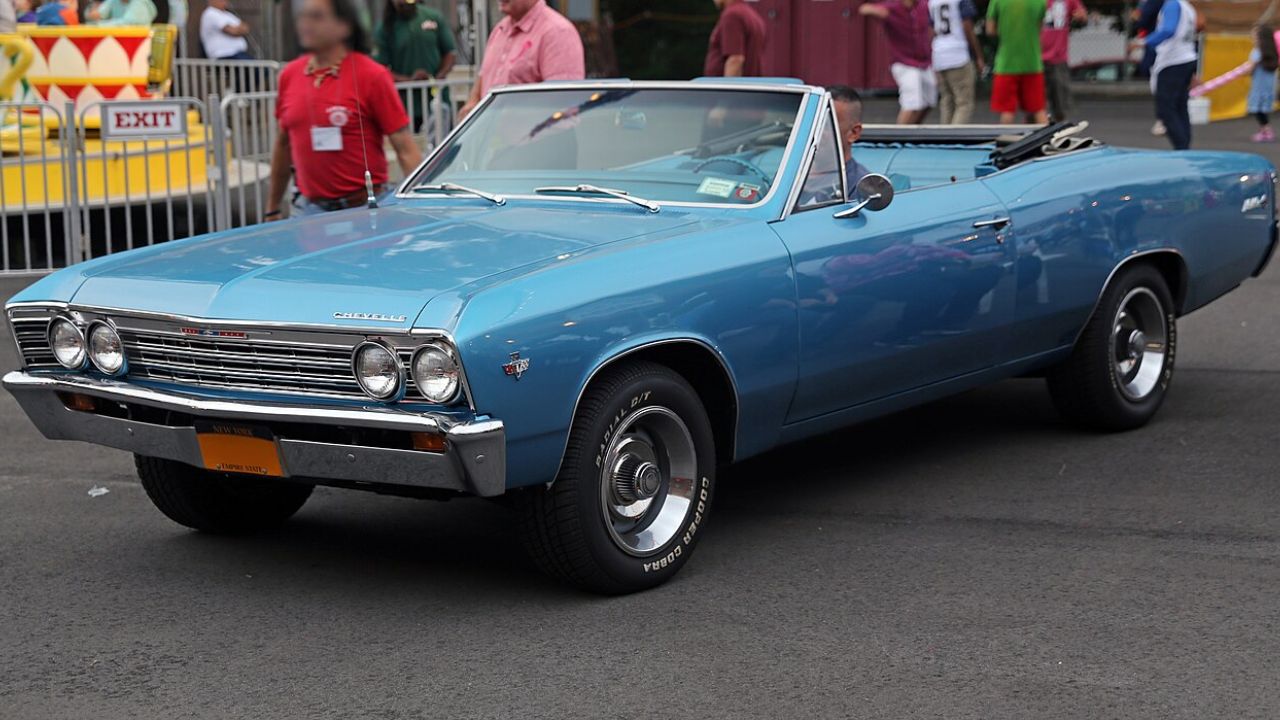
The 1967 Chevy Malibu SS stands as a hallmark of the muscle car era, blending style with performance. With its mid-14 second quarter-mile capabilities, the Malibu SS played a pivotal role in defining the standards of muscle performance in the late 1960s. This iconic vehicle not only captured the essence of the times but also set benchmarks that many performance cars strive to meet even today.
Historical Context of the Muscle Car Era
The muscle car movement of the 1960s was more than just a trend; it was a cultural phenomenon that arose in response to a burgeoning demand for high-performance vehicles. As the post-war economy boomed, American consumers, especially young drivers, sought cars that offered both power and style. This led to an explosion of interest in vehicles that could deliver exhilarating performance without breaking the bank. Automakers like Ford, Chrysler, and Pontiac quickly recognized this demand and entered the burgeoning muscle car market.
Key competitors of the Malibu SS during this time included the Ford Mustang and the Pontiac GTO, both of which set their own standards for speed and performance. The GTO, for instance, is often credited with helping to establish the muscle car category, but the Malibu SS responded with its distinct blend of elegant design and impressive performance. Each model brought its strengths and weaknesses to the table, contributing to a competitive landscape that would define American automotive culture for years.
Design and Features of the 1967 Malibu SS
The 1967 Chevy Malibu SS was instantly recognizable, with its sleek body lines and distinctive grille design. The car featured a long hood and a short deck that gave it an aggressive stance, appealing to many performance enthusiasts. Available in a variety of vibrant color options, including Marina Blue and Ermine White, the Malibu SS allowed drivers to express their individuality while enjoying the thrill of driving a muscle car.
Performance-wise, the Malibu SS was equipped with features that enhanced its road handling and braking capabilities. The suspension system was upgraded from the standard Malibu model, providing improved stability during high-speed maneuvers. With wider tires that increased grip on the road, the car was able to handle cornering and acceleration with confidence. Inside, the Malibu SS offered a driver-focused cockpit, complete with comfortable seating and stylish trim, making it a vehicle that was as enjoyable to drive as it was to look at.
Engine Options and Performance Specs
The 1967 Malibu SS came with a range of engine options, making it appealing to a wide array of drivers. The base engine was a 283 cubic inch V8 that produced 195 horsepower, but enthusiasts could opt for the more powerful 327 cubic inch V8, which offered 250 or 300 horsepower depending on the configuration. The top-tier engine available was the 396 cubic inch big block V8, which delivered an impressive 375 horsepower, ensuring that the Malibu SS could compete with the best in the muscle car segment.
Acceleration times for the Malibu SS were noteworthy, especially for its mid-14 second quarter-mile times. This performance placed it alongside other formidable competitors of the time, such as the Ford Mustang GT and the Pontiac GTO. The combination of lightweight construction and powerful engine options allowed the Malibu SS to carve out its niche as a performance powerhouse, making it a favorite among car enthusiasts and racers alike.
Quarter-Mile Performance: The Mid-14s Benchmark
The significance of achieving mid-14 second quarter-mile times cannot be overstated; it represented a benchmark for muscle cars in the late 1960s. This level of performance signaled to drivers that the Malibu SS was not just another car but a serious contender in the muscle car arena. The ability to complete the quarter-mile in that time was a point of pride for many owners and a factor that contributed to the car’s popularity among racing enthusiasts.
Several factors contributed to the Malibu SS’s impressive quarter-mile performance. The combination of engine power, lightweight design, and effective suspension allowed for rapid acceleration and stability during high-speed runs. Testimonials from owners and racers often highlight the thrill of launching the Malibu SS off the line, with many recounting their experiences of participating in local drag races and car shows. Anecdotes, such as those shared in the Speedtech Performance Facebook post, illustrate the enduring enthusiasm for this classic muscle car.
The Malibu SS’s Influence on Automotive Culture
The impact of the Malibu SS extended beyond performance metrics; it was a significant icon in popular media and automotive culture of the era. The car has made numerous appearances in films and television shows, which helped cement its status as a symbol of freedom and rebellion. It resonated particularly with the youth of the 1960s, who were drawn to its powerful presence and the sense of adventure it represented.
The design and performance of the Malibu SS set trends that would influence generations of muscle cars. Its sleek lines and powerful engine options inspired countless replicas and modifications, and even today, enthusiasts often customize their Malibu SS models to reflect the original spirit of the car. The legacy of the Malibu SS can also be seen in modern muscle cars, which continue to draw from its design language and performance ethos, ensuring that its influence remains relevant in today’s automotive landscape.
Collector’s Market and Value Trends
The 1967 Malibu SS has become a sought-after collector’s item, with current market trends showing significant appreciation in value. Restored models, particularly those equipped with the 396 big block engine, can command impressive prices at auctions. Factors influencing desirability among collectors include the car’s rarity, original specifications, and overall condition. Cars that retain their original parts tend to fetch higher values, as enthusiasts prize authenticity in restoration efforts.
Notable auctions in recent years have seen restored 1967 Malibu SS models sell for upwards of $50,000. These sales reflect not only the car’s historical significance but also its enduring appeal among collectors. The rise of online marketplaces has made it easier for enthusiasts to find and purchase these vehicles, further driving interest in the Malibu SS. As discussed in the Moto Gallery blog, the collector’s market for classic muscle cars continues to thrive, with the Malibu SS remaining a standout choice for both investment and enjoyment.
Personal Stories from Owners and Enthusiasts
One of the most compelling aspects of the 1967 Malibu SS is the personal connection that many owners have with the vehicle. Testimonials often highlight memorable drives, races, and the joy of restoring these classic cars. For instance, a member of a dedicated Malibu owner’s group shared their story of how restoring their Malibu SS became a family project, fostering connections across generations. Such narratives illustrate the emotional bond that many enthusiasts develop with their vehicles, often viewing them as extensions of their identity.
Stories of participation in local car shows or drag races frequently emerge from the community as well. Many owners recount their experiences of competing against other muscle cars and the camaraderie shared among fellow enthusiasts. The spirit of competition, paired with a shared love for the Malibu SS, creates a unique culture that celebrates not just the vehicle itself but also the friendships and memories forged along the way. The Facebook group dedicated to Malibu enthusiasts showcases many of these personal stories, creating a vibrant community committed to preserving the legacy of the Malibu SS.
The Enduring Legacy of the 1967 Malibu SS
The 1967 Malibu SS’s impact on muscle car history is undeniable. It helped define the standards for performance and style during a transformative era in American automotive history. Today, it stands as a testament to the engineering prowess of its time and the passion of those who have owned and cherished it. As modern muscle cars continue to evolve, the influence of vehicles like the Malibu SS remains visible, inspiring new generations of car enthusiasts.
Its lasting appeal in the automotive world is not just due to its performance capabilities but also its rich history and the community that surrounds it. Preserving and celebrating this iconic vehicle ensures that future generations can appreciate the artistry and engineering that went into making the 1967 Malibu SS a cornerstone of American muscle car culture. Whether it’s through restoration, participation in classic car shows, or simply enjoying a Sunday drive, the Malibu SS continues to captivate the hearts of many.
More from Fast Lane Only