The 1965 Buick LeSabre stands out in automotive history not only for its distinctive style but also for its surprising performance, achieving 0–60 mph in under 8 seconds. This remarkable feat for a full-sized car during its time is a testament to the engineering prowess of Buick. The LeSabre was not just a vehicle; it was a symbol of an era characterized by innovation, style, and the pursuit of speed on American roads.
Historical Context of the 1965 Buick LeSabre
In the 1960s, Buick positioned itself as a manufacturer of mid-range luxury vehicles, appealing to customers who desired comfort, style, and performance without stepping into the premium market. The LeSabre, introduced in 1959, had already established itself as a staple in Buick’s lineup. By 1965, the automotive landscape was shifting, with consumers increasingly favoring larger vehicles that offered more interior space and amenities. The full-size car segment saw a surge in popularity, with manufacturers like Chevrolet and Ford also vying for dominance.
During this period, the American automotive scene was heavily influenced by the muscle car craze that began to take hold. Car enthusiasts were looking for vehicles that not only provided comfort but also delivered impressive performance. The 1965 LeSabre managed to strike a balance, offering both a spacious, luxurious interior and surprising power under the hood, making it a formidable competitor in its class. With a focus on both aesthetics and performance, Buick sought to attract a diverse range of buyers, from families to speed enthusiasts.
Design and Aesthetics
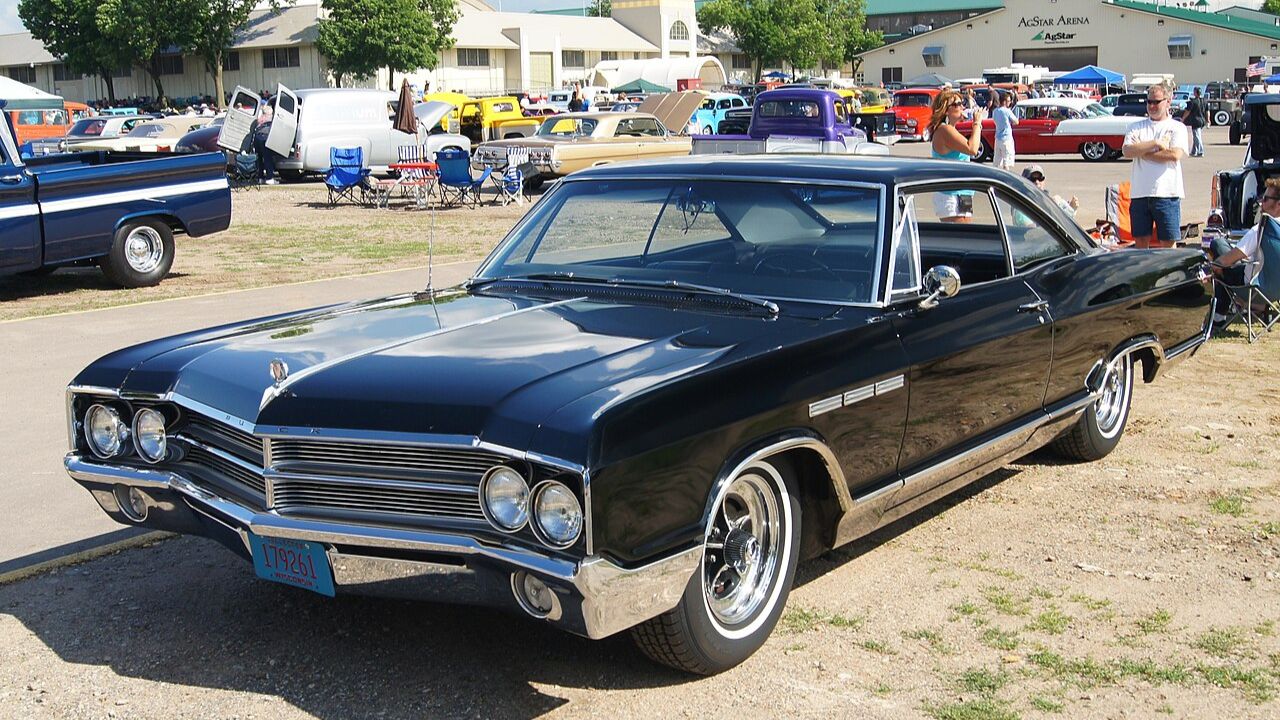
The 1965 Buick LeSabre featured a striking exterior design that captured the essence of mid-60s Americana. Its long, sleek body lines were accentuated by generous chrome detailing, giving it a bold and upscale appearance. The front end boasted a prominent grille and distinctive headlights that were both stylish and functional, while the rear showcased a tapered design that enhanced aerodynamics. The overall silhouette of the LeSabre was a statement of elegance and strength, making it stand out on the road.
Inside, the LeSabre offered an inviting atmosphere characterized by spacious seating and high-quality materials. The dashboard layout was both functional and aesthetically pleasing, featuring easy-to-read gauges and ergonomic controls. Upholstery options ranged from vinyl to optional leather, providing a sense of luxury that was appreciated by consumers. The attention to detail in the LeSabre’s interior was a reflection of the era’s automotive aesthetic, where comfort and style were paramount.
Performance Specifications
The heart of the 1965 LeSabre was its powerful V8 engine, which came in two primary configurations: a 300 cubic inch (4.9L) engine producing 210 horsepower and a more robust 400 cubic inch (6.6L) variant delivering up to 325 horsepower. These engine options provided ample power for a vehicle of its size, contributing to the LeSabre’s ability to achieve 0–60 mph in under 8 seconds, a remarkable feat for a full-size car at the time. The engine’s torque was equally impressive, allowing for smooth acceleration and confident highway cruising.
Weight also played a crucial role in the LeSabre’s performance. Weighing in around 3,400 pounds, the car was designed to balance power and stability. This weight, combined with a well-engineered suspension system, allowed for an enjoyable driving experience. Performance metrics like top speed hovered around 120 mph, which was competitive with many of its contemporaries. The combination of a responsive engine and a stable chassis made the 1965 LeSabre a standout in terms of performance within its class.
Acceleration and Speed
The engineering behind the LeSabre’s impressive 0–60 mph time was a result of careful design and innovative technology. Buick engineers focused on optimizing the vehicle’s aerodynamics and power-to-weight ratio, ensuring that the LeSabre could deliver performance that often surprised drivers. Real-world tests conducted by automotive journalists revealed that the LeSabre’s acceleration was not only fast but also smooth, offering a driving experience that was both exhilarating and refined.
When compared to contemporary vehicles, the 1965 LeSabre held its ground well. Competing models like the Ford Galaxie and Chevrolet Impala, while also popular, often struggled to match the LeSabre’s performance metrics without sacrificing ride comfort. Reviews from automotive magazines of the time highlighted the LeSabre’s ability to compete with smaller, sportier cars, making it an appealing option for buyers who wanted a full-size vehicle without compromising on speed. You can read more about the performance aspects in a detailed review that showcases the LeSabre’s capabilities.
Technological Innovations
The 1965 Buick LeSabre was not only about performance; it also featured several technological innovations that set it apart from its rivals. One of the standout features was the introduction of Buick’s new Turbo-Hydramatic transmission, which provided smoother shifting and improved fuel efficiency. This automatic transmission system was a significant advancement for the time, allowing drivers to focus more on the road rather than gear changes.
The suspension system on the LeSabre was designed to enhance ride quality and handling. With a combination of coil springs and shock absorbers, the car absorbed road imperfections while providing a stable driving experience. This design was vital for a full-size vehicle, ensuring that passengers enjoyed a comfortable ride, whether on city streets or highways. Additionally, safety features such as a padded dashboard and improved braking systems reflected the growing concern for passenger safety in the 1960s.
Cultural Impact and Popularity
The LeSabre’s influence extended beyond its engineering and design; it also became a cultural icon of the 1960s. The vehicle made numerous appearances in television shows and films, often symbolizing success and the American dream. Its sleek design and performance capabilities resonated with viewers, solidifying its status as a desirable vehicle. The car’s popularity was reflected in its sales figures, which showed strong demand throughout its production run.
Testimonials from LeSabre owners reveal a deep appreciation for the vehicle’s combination of luxury and performance. Many enthusiasts still recall fondly their experiences behind the wheel, often noting the car’s reliability and comfort on long road trips. The LeSabre became a favorite among families and young professionals alike, as it offered space for passengers and luggage without sacrificing style. For a glimpse into the nostalgia surrounding this classic, check out a post featuring the LeSabre on Facebook.
Legacy of the 1965 Buick LeSabre
The legacy of the 1965 Buick LeSabre is evident in its enduring popularity among classic car collectors and enthusiasts. Its design and engineering principles influenced subsequent Buick models, paving the way for innovations in comfort and performance that would carry the brand into the future. The LeSabre’s ability to combine luxury with power set a standard that many cars would strive to emulate in the years that followed.
Today, the 1965 LeSabre holds a special place in classic car collections. Its unique blend of style, performance, and history makes it a sought-after model for collectors who appreciate vintage American automobiles. Events like car shows and meet-ups often feature the LeSabre, showcasing not only its beauty but also the passion of those who own and maintain these classic vehicles. The ongoing interest in vintage Buicks, particularly the LeSabre, underscores its significance within the automotive community.
Restoration and Maintenance
For those lucky enough to own a 1965 LeSabre, maintaining and restoring the vehicle can be a rewarding endeavor. Regular maintenance is key to preserving the car’s performance and appearance. Owners are encouraged to keep up with routine checks on the engine, transmission, and suspension to ensure a smooth driving experience. Additionally, sourcing parts can be a challenge, but there are numerous resources available, including online forums and specialty shops that cater to classic car enthusiasts.
Common issues faced by LeSabre owners often include rust, electrical problems, and wear on the interior components. Addressing these issues promptly can prevent further damage and help maintain the car’s value. Engaging with the vibrant community of Buick enthusiasts can provide valuable insights and support for restoration projects. For those looking for specific parts, sites like Metro Parts offer catalogs that can guide owners in finding what they need.
More from Fast Lane Only