Over the years, Ford has been at the forefront of automotive innovation, known for its classic models and race-winning machines. However, the company’s history also includes a variety of lesser-known performance experiments that showcase its willingness to push boundaries. These ventures in high-performance vehicles reveal unique and groundbreaking ideas that never quite made it to the mainstream.
Ford’s Experimental Le Mans V8: The Calliope Big Block

The Discovery and Legacy of the Calliope Big Block
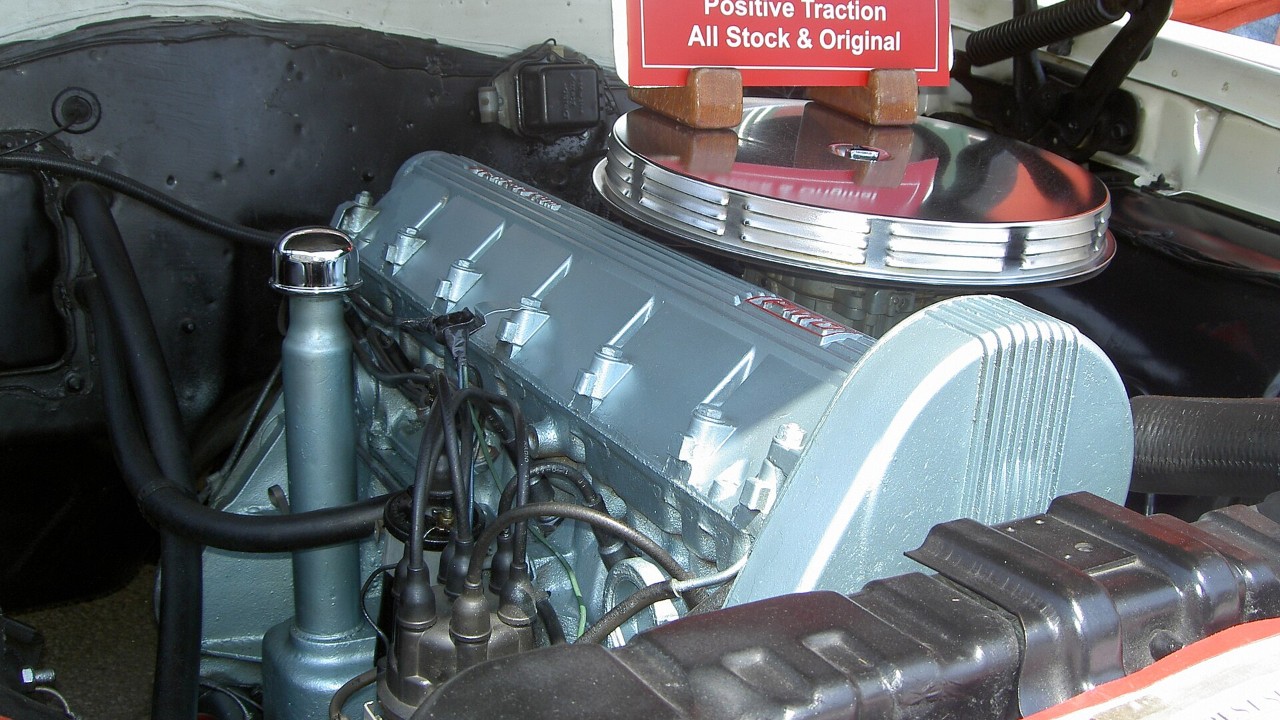
The Calliope Big Block, a rare and underappreciated gem in Ford’s history, has recently been rediscovered, shedding light on its significance in Ford’s performance endeavors. This engine was designed to revolutionize Ford’s Le Mans campaign with an innovative approach that promised to deliver unprecedented power and efficiency.
Despite its promising start, the Calliope engine never reached the racetrack. Its development faced numerous challenges, including technical constraints and strategic shifts within the company. Nevertheless, the Calliope remains an important part of Ford’s legacy, illustrating the brand’s ambition to dominate the racetrack through cutting-edge engineering.
Engineering Prowess and Design
The Calliope Big Block was a testament to Ford’s engineering prowess. The engine featured advanced technical specifications, designed to maximize performance and durability. However, the development process was fraught with challenges, from material constraints to the complex engineering required to meet high-performance expectations.
Ultimately, the Calliope engine was shelved due to a combination of budgetary constraints and shifting priorities within Ford’s racing program. Despite not making it to the racetrack, the lessons learned from its development would later inform Ford’s future high-performance projects, leaving a lasting impact on the company’s engineering strategies.
The Yamaha-Tuned Mid-Engine Supercar

Collaboration Between Ford and Yamaha
In a bold move, Ford partnered with Yamaha to create a mid-engine supercar that was ahead of its time. This collaboration aimed to merge Ford’s automotive expertise with Yamaha’s precision tuning capabilities, setting the stage for a groundbreaking vehicle.
The objective was clear: develop a supercar with performance metrics that could challenge the best in the world. Yamaha’s role was crucial in refining the engine’s performance capabilities, pushing the boundaries of what was technically feasible at the time.
Unveiling the Supercar Before Its Time
The prototype unveiled was a marvel of design and engineering, boasting features that were revolutionary for its era. The mid-engine layout, combined with Yamaha’s tuning finesse, promised a driving experience unlike any other. However, despite its potential, the project was ultimately shelved.
Several factors contributed to its discontinuation, including economic conditions and strategic shifts within Ford. Nevertheless, this collaboration left a lasting influence on future automotive designs, paving the way for successors that would embrace similar engineering philosophies.
Ford’s American 200 MPH Supercar

The Vision Behind the 200 MPH Supercar
Ford’s ambition to produce an American supercar capable of reaching 200 mph was a visionary project that aimed to redefine the limits of performance vehicles. This supercar was designed with key features that set it apart from contemporary models, focusing on aerodynamic efficiency and raw power.
The performance goals associated with this supercar were not just about speed but also about showcasing American engineering prowess on the global stage. Unfortunately, the project faced challenges that ultimately led to its cancellation.
Potential Impact on the Automotive Industry
Had it come to fruition, Ford’s 200 MPH supercar could have significantly impacted both the brand and the broader American auto industry. It was poised to set new benchmarks in performance, challenging established players and redefining consumer expectations.
While the supercar was discontinued, the knowledge and insights gained during its development were not lost. These experiences paved the way for future high-performance vehicles, contributing to Ford’s ongoing legacy of innovation.
Conceptualizing Performance: The Role of Innovation at Ford

Ford’s Approach to Experimental Design
Ford has long been known for its innovative mindset and willingness to explore uncharted territories in automotive design. This culture of experimentation has led to the creation of many groundbreaking concepts that, while not always commercially viable, demonstrated the company’s commitment to pushing boundaries.
Examples abound of how unconventional thinking at Ford led to some of the most exciting automotive developments. These projects not only showcased technical prowess but also embodied a spirit of daring that continues to influence the brand’s approach to design and engineering.
Challenges and Opportunities in Automotive Innovation
The path to innovation is fraught with challenges, and Ford’s experimental projects were no exception. Balancing risk and reward is a delicate process, and the company faced numerous obstacles in bringing its ambitious ideas to life.
Despite these challenges, Ford’s commitment to innovation has remained steadfast. The lessons learned from past experiments continue to inform the company’s strategy, ensuring that it remains at the forefront of the automotive industry.
Legacy and Lessons Learned from Ford’s Experiments

Influence on Future Ford Models
The forgotten experiments of Ford’s past have played a crucial role in shaping the company’s future models and technologies. By drawing on the insights gained from these projects, Ford has been able to develop vehicles that embody the spirit of innovation and performance.
Specific modern vehicles, such as the Ford GT, owe their existence to the groundwork laid by these earlier experiments. The technological advancements and design philosophies pioneered in the past continue to resonate in Ford’s current lineup.
Lessons in Innovation and Risk Management
From these ventures, Ford has gleaned invaluable lessons in innovation strategy and risk management. The company has learned the importance of balancing bold ideas with practical considerations, ensuring that each project is both visionary and feasible.
These lessons continue to shape Ford’s approach to performance vehicles today, guiding the brand as it navigates the complexities of the modern automotive landscape and strives to deliver cutting-edge products that capture the imagination of consumers worldwide.