Ford is recalling vehicles at a pace that would have been unthinkable a decade ago, turning a once-routine safety tool into a defining feature of its modern business. The company is still selling millions of trucks and SUVs, but the sheer volume and repetition of its safety campaigns now raise deeper questions about quality control, software maturity, and the cost of rushing new technology to market.
As the recall tally keeps climbing, I see a pattern that goes beyond bad luck or a few isolated defects. Ford’s record-setting streak reflects structural pressures inside the company and across the auto industry, from aggressive product cycles to complex electronics, that are now colliding with regulators, warranty budgets, and customer patience.
Ford’s recall numbers are off the charts
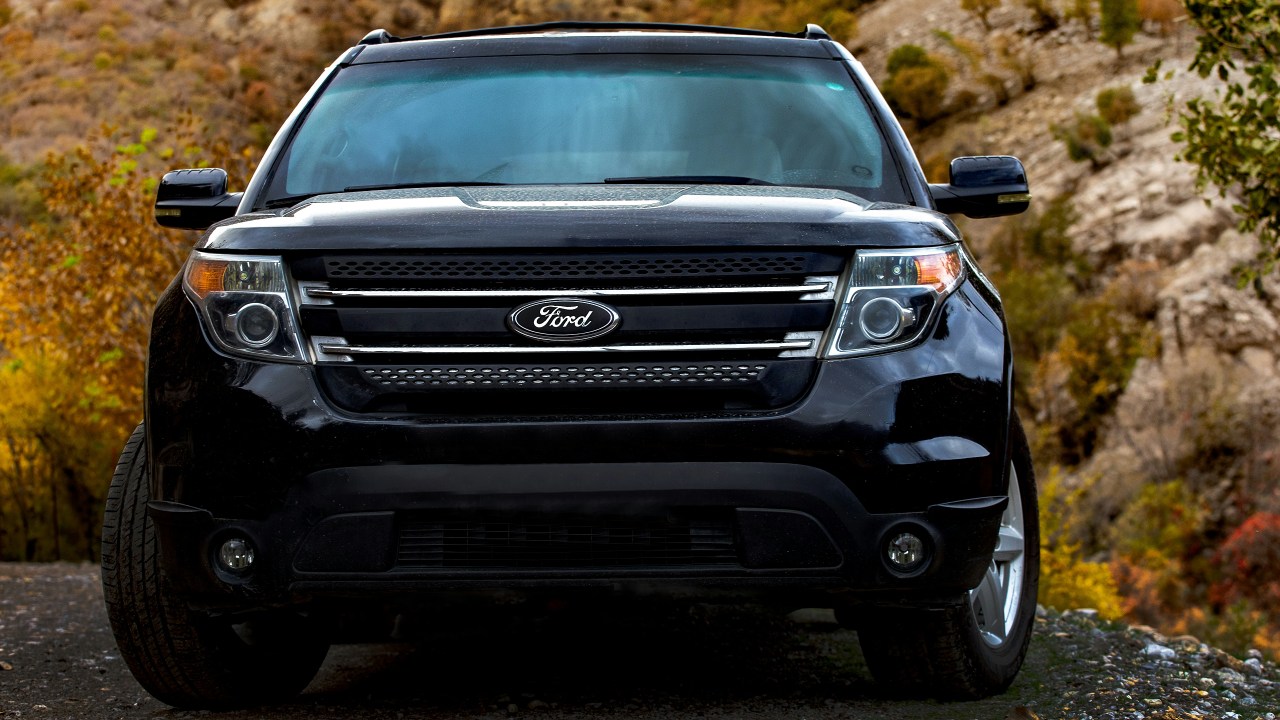
Ford has spent the past several years at or near the top of the U.S. recall rankings, and the trend has not meaningfully reversed. The company has repeatedly led all automakers in the number of separate recall campaigns, covering millions of vehicles across core nameplates like F-150, Explorer, Escape, and Bronco, which shows that the problem is not confined to niche models. That volume matters because each campaign represents not just a safety risk but also a logistical and financial hit that compounds over time.
Regulatory filings and safety databases show Ford issuing dozens of distinct recalls in a single year, often involving overlapping model years and powertrains, which inflates the total number of affected vehicles and keeps its recall count elevated relative to rivals. The pattern includes both traditional mechanical issues and software-related defects, indicating that the company’s quality challenges span old and new technologies rather than being limited to one troubled platform or supplier. I read those numbers as evidence that Ford is still struggling to stabilize its engineering and validation processes even as it tries to modernize its lineup.
Recurring defects point to deeper quality problems
What makes Ford’s recall streak especially worrying is how often the same systems and components reappear in safety notices. Owners have seen repeated campaigns for issues like rear axle failures on certain trucks, transmission problems that can cause rollaway risks, and engine-related defects that raise the chance of stalling or fire. When a company has to revisit the same failure modes across multiple model years, it suggests that the root causes are not being fully resolved before vehicles return to customers.
In several cases, Ford has issued follow-up recalls or expanded earlier actions after initial fixes proved incomplete or new data revealed a wider population of affected vehicles. That kind of iterative repair cycle is sometimes unavoidable with complex products, but the frequency with which it shows up in Ford’s record hints at gaps in initial diagnostics and validation. I see that as a sign that the company’s internal feedback loops, from field reports to engineering countermeasures, are not consistently catching problems early enough to prevent them from spreading across the fleet.
Software and advanced tech are amplifying the stakes
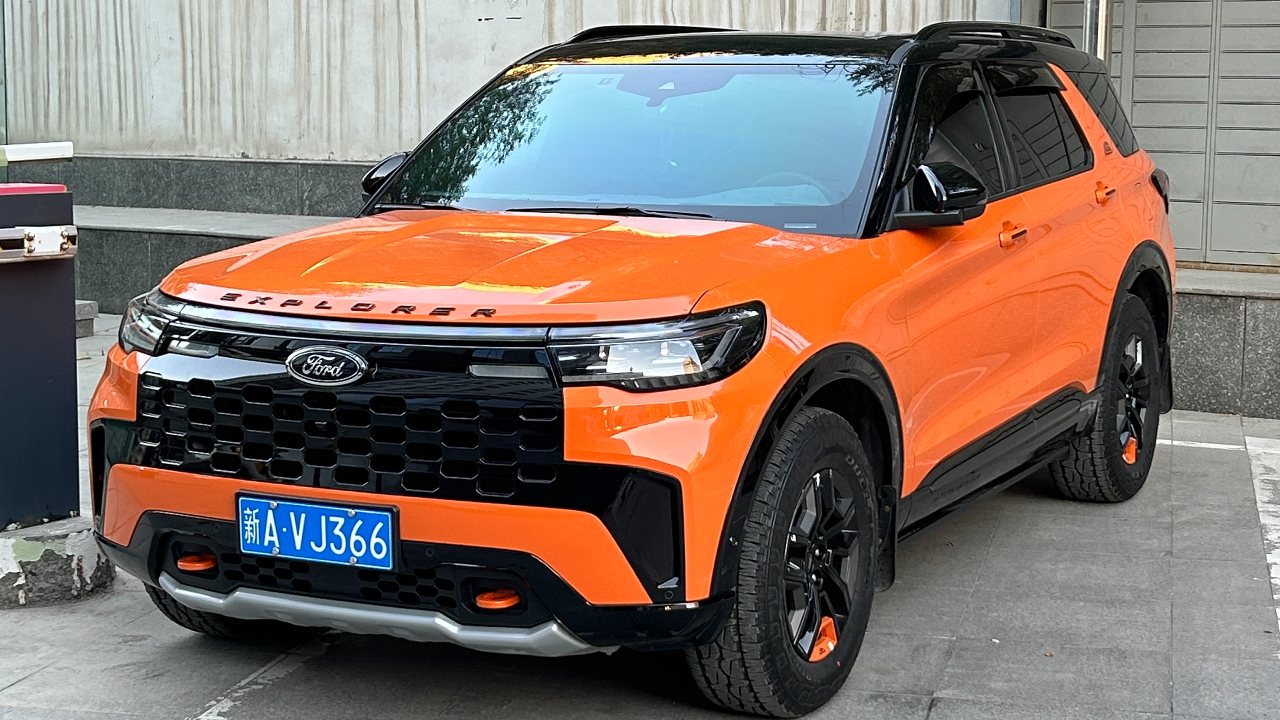
Ford’s pivot into software-heavy vehicles and driver-assistance features has added a new layer of recall risk that is now showing up in federal databases. Modern F-Series trucks, Broncos, and crossovers rely on intricate code to manage everything from power delivery to braking and lane-keeping, which means a single software bug can trigger a safety campaign affecting hundreds of thousands of vehicles at once. When those systems malfunction, the consequences can range from disabled safety features to unexpected behavior on the road, and regulators have pushed automakers to treat those failures as recall-worthy defects.
The company has increasingly leaned on over-the-air updates to correct software issues, but even that tool has limits when the underlying problem involves hardware or integration with mechanical systems. Some Ford recalls have required owners to visit dealers for both software reprogramming and physical inspections, blunting the cost and convenience advantages that digital fixes are supposed to deliver. I read that tension as a reminder that the industry’s rush to market connected features and semi-automated driving aids has outpaced the maturity of the testing frameworks meant to keep them safe.
Financial and reputational costs are piling up
Ford’s recall streak is not just a regulatory statistic, it is a line item in the company’s financial statements and a drag on its brand. Warranty and recall-related expenses have run into the billions of dollars over recent years, forcing management to acknowledge that quality problems are eroding margins on some of its most profitable vehicles. Each large campaign means parts, dealer labor, and customer outreach, and those costs stack on top of any production disruptions needed to correct issues on the assembly line.
On the reputational side, repeated safety notices can chip away at the trust that underpins long-running nameplates like F-150 and Explorer. Even loyal buyers who accept that “things happen” with complex machines may start to question whether Ford is moving too fast on new designs or cutting corners on validation. I see that risk as especially acute in competitive segments where rivals can point to cleaner recall records as evidence of better reliability, a narrative that can influence fleet buyers and retail customers alike.
Regulators and Ford leadership are under pressure to respond
Federal safety regulators have taken a closer interest in Ford’s defect patterns, opening investigations into specific issues and monitoring how quickly and thoroughly the company responds. When probes identify systemic problems or delayed action, they can lead to civil penalties or mandated corrective plans, adding another layer of scrutiny to Ford’s already crowded recall docket. That oversight reflects a broader concern in Washington that the industry’s rapid technological shift is outpacing traditional safety safeguards.
Inside Ford, senior executives have publicly framed quality as a top priority and have reorganized engineering and manufacturing teams in an effort to cut defects before vehicles reach customers. The company has talked about tightening launch gates, investing in better testing, and tying leadership compensation more closely to quality metrics, all in recognition that its recall record is unsustainable. I interpret those moves as an admission that the recall surge is not a temporary blip but a structural problem that will require years of disciplined execution to unwind.
More from Fast Lane Only: