Europe’s carmakers are entering a period of intense pressure as electric vehicles, Chinese competition and new trade rules collide to upend a business model that has defined the continent’s industrial strength for decades. The shift is not just about swapping combustion engines for batteries, it is forcing a rethink of supply chains, pricing power and even which brands survive. I see a sector that still has deep engineering strengths, but one that now faces a structural reset rather than a smooth, incremental transition.
The warning signs are already visible in slowing demand, squeezed margins and a wave of policy interventions that aim to protect domestic manufacturers while still hitting climate targets. Instead of a single shock, Europe’s auto industry is confronting overlapping disruptions that are reshaping where cars are built, how they are sold and who controls the most valuable technology inside them.
Europe’s legacy champions are losing their pricing power
For decades, Europe’s big carmakers could rely on strong brands and engineering reputations to command premium prices, especially in segments like compact hatchbacks and executive sedans. That advantage is now eroding as buyers become more price sensitive and as electric models expose how similar many vehicles feel once the engine is no longer the differentiator. I see this most clearly in the way discounts have crept back into showrooms and in how quickly some new battery models have needed price cuts to keep sales moving.
Several manufacturers have already warned that profit margins on electric cars are thinner than on combustion models, even as they pour billions into new platforms and battery plants. That squeeze is particularly acute in Europe’s mass-market segments, where customers compare monthly payments rather than brand heritage, and where cheaper rivals from abroad are starting to set the reference price. When companies that once defined the “Golf class” of compact cars now struggle to maintain list prices without incentives, it signals a deeper shift in bargaining power away from traditional European brands and toward whoever can deliver acceptable quality at the lowest total cost.
Chinese EV makers are forcing a brutal cost reckoning
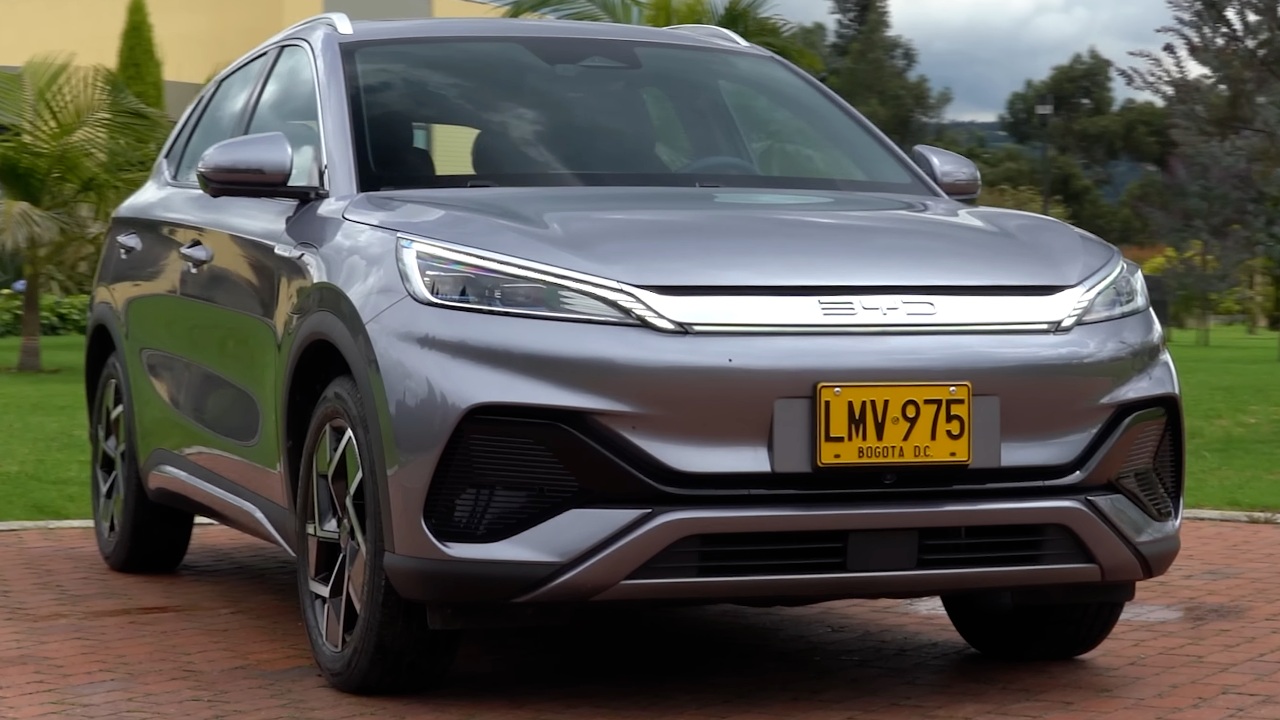
The most disruptive external force in this shakeup is the rapid advance of Chinese electric vehicle manufacturers into Europe’s home turf. These companies arrive with scale advantages in batteries, aggressive pricing and a willingness to accept lower margins to gain market share. I see their presence not just as another competitive threat, but as a benchmark that exposes how high Europe’s cost base has become in areas like labor, energy and regulatory compliance.
European brands that once dismissed Chinese cars as low-quality now find themselves benchmarking their own models against Chinese-built crossovers and compact EVs that undercut them on price while matching many features. The result is a painful cost reckoning: either local manufacturers find ways to strip out expense from their platforms and supply chains, or they risk ceding the entry-level and mid-range EV market entirely. Some have responded by exploring joint ventures, sourcing more components from Asia or shifting production of smaller models to lower-cost countries, but those moves carry political and social risks at home.
Trade defenses and industrial policy are reshaping the market
As competitive pressure mounts, European policymakers have moved to shield domestic manufacturers with a mix of tariffs, subsidies and local-content rules. I view these measures as a double-edged sword. On one hand, they buy time for legacy carmakers to adapt and help justify investments in local battery plants and charging networks. On the other, they risk provoking retaliation and could raise prices for consumers if they are not paired with genuine efficiency gains.
Industrial policy is increasingly steering where factories are built and which technologies receive support, from gigafactories in central Europe to incentives for software and semiconductor development tied to automotive applications. That intervention is already changing corporate strategies, encouraging some brands to keep higher-value production in the European Union while shifting lower-margin models elsewhere. Yet trade defenses cannot fully insulate the market from global competition, especially when Chinese and other foreign manufacturers can respond by building plants inside Europe to sidestep tariffs and tap local subsidies themselves.
Software, data and charging networks are the new battlegrounds
Under the surface of the hardware race, the real contest is moving to software, data and the infrastructure that keeps electric cars on the road. European manufacturers that excelled in mechanical engineering now find themselves racing to build operating systems, over-the-air update capabilities and driver-assistance features that match the best global players. I see this as a critical pivot, because whoever controls the software stack and customer data will capture a growing share of the value in mobility, from subscription services to insurance and energy management.
The same logic applies to charging networks and energy integration. Access to reliable, fast charging is becoming a core part of the product, not an afterthought, and carmakers are being pushed into partnerships with utilities, oil companies and tech firms to secure it. Some European brands are investing directly in charging consortia or bundling home chargers and energy tariffs with their vehicles, trying to lock in customers for the life of the car. Those that move slowly risk seeing third-party platforms capture the relationship with drivers, turning established manufacturers into hardware suppliers in a market where the real profits sit in software and services.
Jobs, suppliers and regional economies face a painful transition
Behind the strategic shifts and policy debates lies a more human story: the impact on workers, suppliers and the regions that depend on carmaking. Electric vehicles typically require fewer parts and less maintenance than combustion models, which means fewer hours of labor in both assembly plants and the wider supply chain. I expect that to translate into job losses in areas tied to engines, transmissions and exhaust systems, even if new roles emerge in battery production, electronics and software.
Many of Europe’s automotive clusters grew up around specific components or technologies that are now in structural decline, from diesel injection systems to manual gearboxes. Local suppliers that lack the capital or expertise to pivot into batteries, power electronics or digital services risk being left behind, with knock-on effects for regional tax bases and training systems. The challenge for governments and companies is to manage this transition in a way that retrains workers and attracts new investment before the old business dries up, rather than after factories have already closed and skills have dispersed.
More from Fast Lane Only: