Throughout naval history, aircraft carriers have played pivotal roles in shaping military strategies and outcomes. While some names like the USS Enterprise and HMS Ark Royal are well-remembered, many other carriers that had significant impacts have faded into obscurity. This exploration delves into the stories of these forgotten vessels that left lasting imprints on history.
The Rise of the Aircraft Carrier
vidarnm/Unsplash
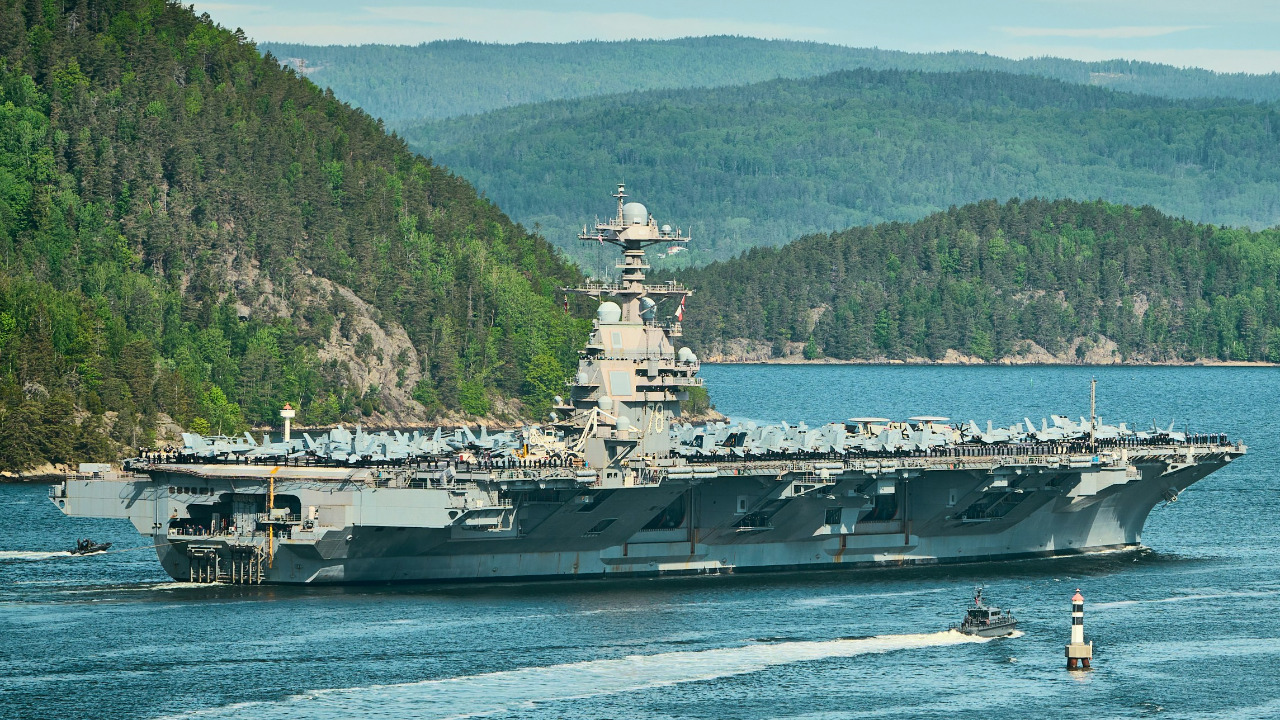
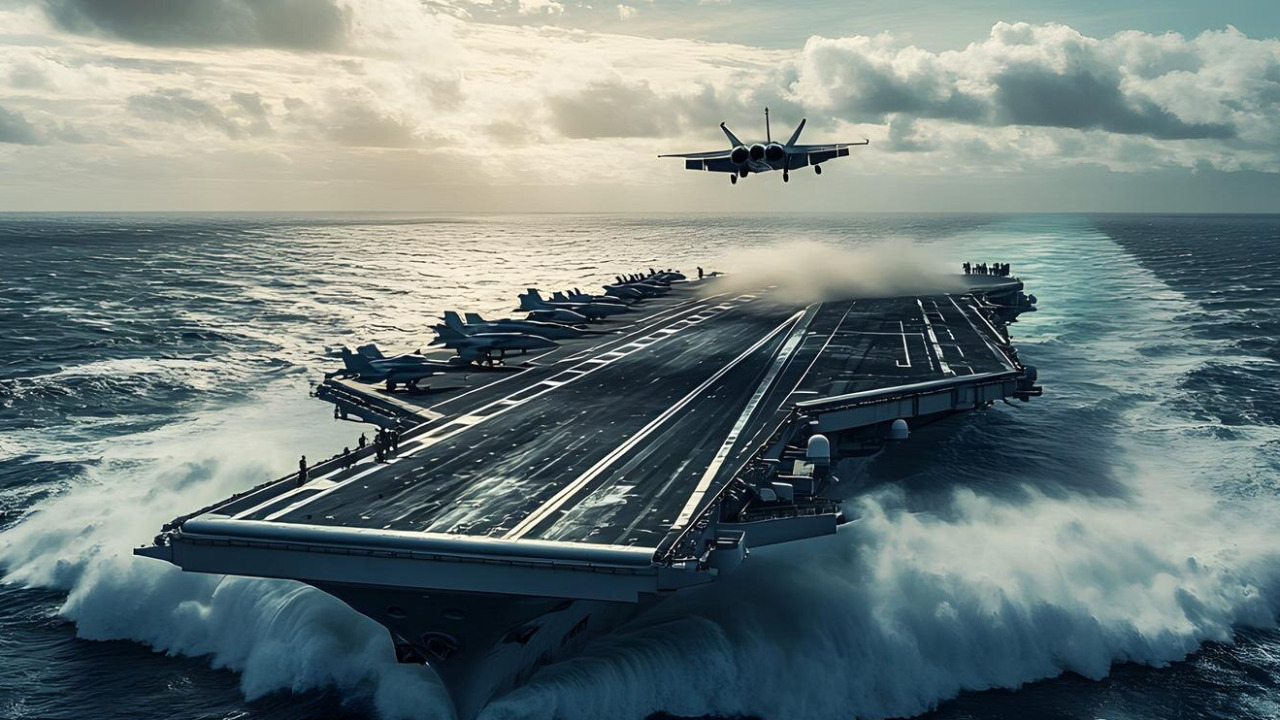
Aircraft carriers revolutionized naval warfare, marking a shift from traditional battleship-focused strategies to those centered around air power. As floating airbases, these vessels allowed for unprecedented mobility and reach, enabling navies to project power far beyond their home shores. This transition was particularly evident during World War II when carriers became the linchpin of naval operations in both the Atlantic and Pacific theaters.
The technological advancements that made aircraft carriers indispensable in modern warfare were numerous. Innovations such as angled flight decks, steam catapults, and arrestor wires enhanced their operational capabilities, allowing for a greater variety of aircraft to be launched and recovered. These developments not only increased the effectiveness of carriers but also underscored their strategic importance in controlling the seas.
Notable Forgotten Carriers
JR Bradbury/Pexels
The HMS Illustrious played a crucial role in pivotal World War II battles, yet its contributions are often overshadowed by more famous vessels. Engaging in operations such as the Battle of Taranto and the defense of Malta, the Illustrious demonstrated the strategic value of carrier-based air power. Its aircraft effectively disrupted enemy movements and provided critical support to Allied forces, showcasing the versatility and impact of these floating fortresses.
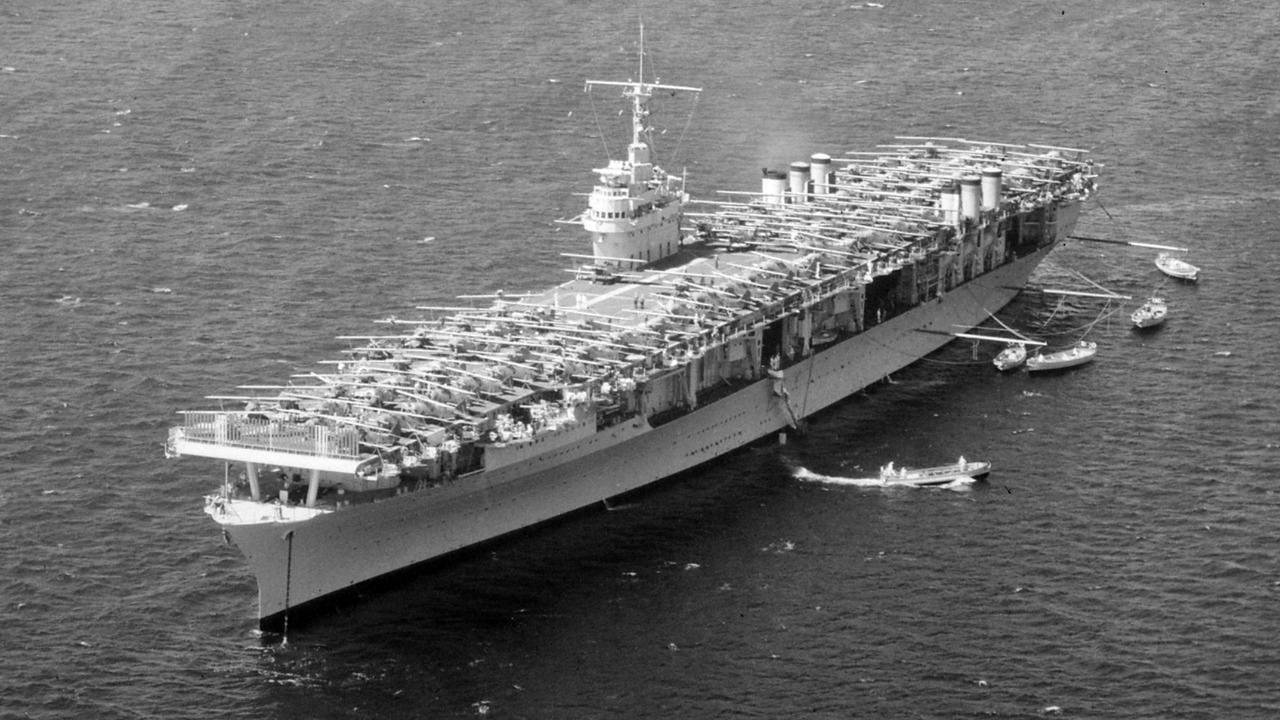
The USS Ranger (CV-4) is another carrier whose service is frequently overlooked. As the first US Navy vessel designed from the keel up as an aircraft carrier, the Ranger served with distinction in the Atlantic during World War II. Despite being overshadowed by larger and more modern carriers, the Ranger’s involvement in various campaigns proved vital. Its aircraft provided essential air cover and reconnaissance, contributing significantly to the success of Allied operations.
Heroic Missions and Operations
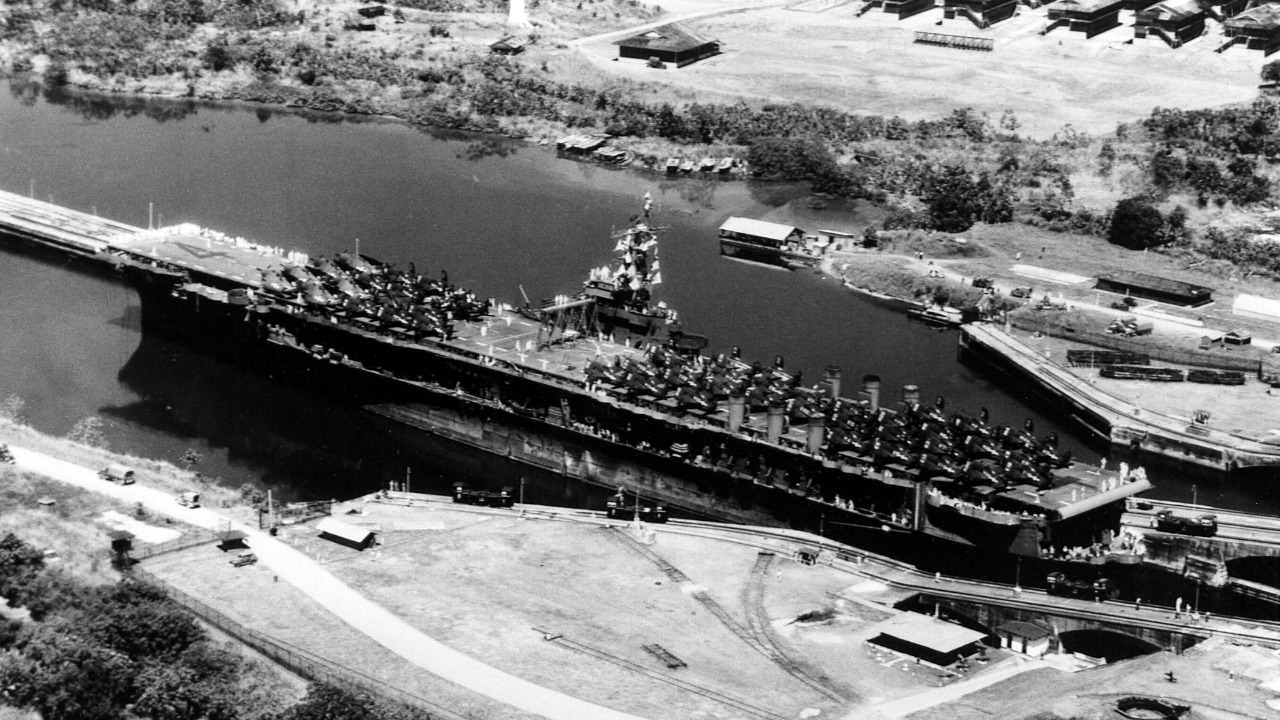
Image Credit: U.S. Navy photo 80-G-410061 – Public domain/Wiki CommonsOperation Torch is a prime example of lesser-known carriers playing a strategic role. During the North African campaign, these vessels provided crucial air support, ensuring the success of Allied landings. Despite being less celebrated than their Pacific counterparts, these carriers demonstrated the global reach and strategic flexibility of naval aviation.
In the Pacific Theater, carriers such as the USS Langley had a significant impact on major battles. As the first American aircraft carrier, the Langley played an instrumental role in early naval aviation developments. Its contributions to the Pacific campaign highlighted the importance of carriers in gaining and maintaining air superiority, which proved pivotal in the eventual Allied victory.
Post-War Neglect and Decommissioning
Image Credit: U.S. Navy – Public domain/Wiki Commons
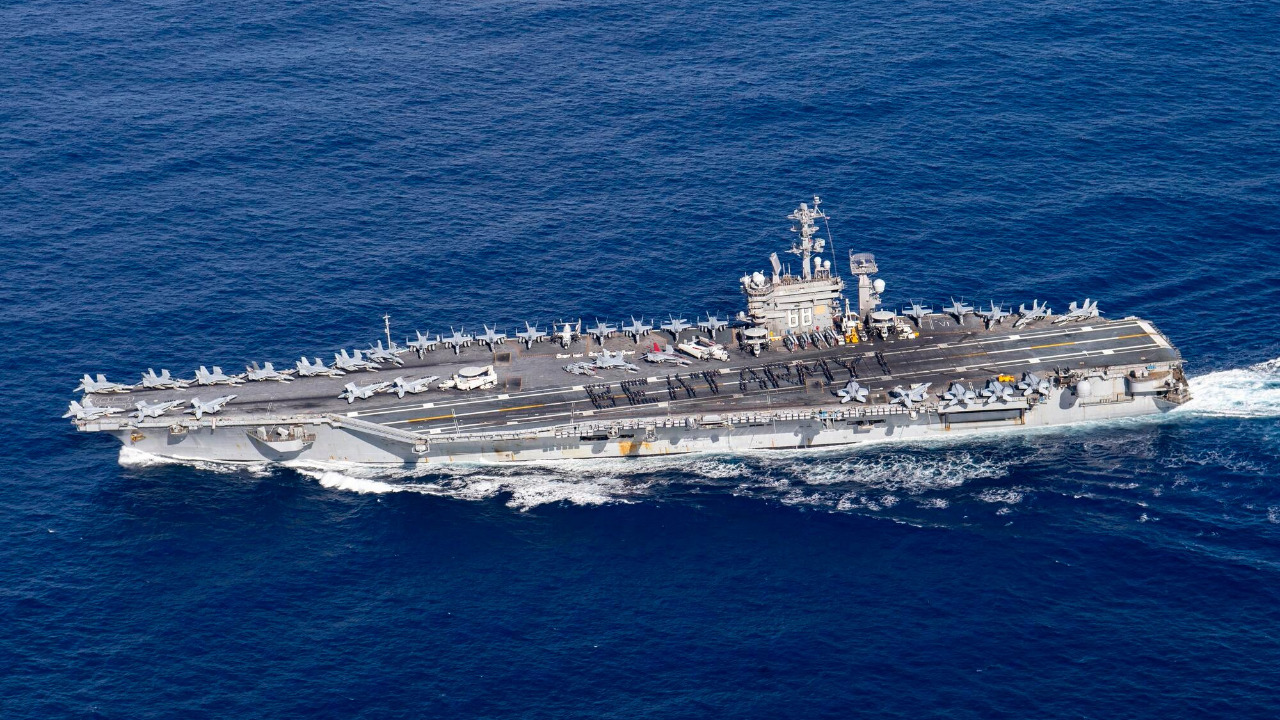
Following World War II, economic constraints led to the decommissioning and scrapping of many carriers. The rapid advancement of military technology and the high costs of maintaining aging vessels contributed to their decline. As navies transitioned to more modern, nuclear-powered carriers, older models were often left behind, their contributions forgotten in the annals of history.
This shift in focus also reflected a broader trend towards modernization. The development of larger and more capable carriers was driven by the need to accommodate advanced aircraft and enhance operational capabilities. This evolution ultimately rendered many older carriers obsolete, leading to their gradual retirement from active service.
Legacy and Lessons Learned
Image by Freepik
The strategic influence of these forgotten carriers continues to resonate with military strategists today. Lessons learned from their service have informed modern naval tactics, emphasizing the importance of flexibility, adaptability, and technological innovation. By studying these vessels, navies can better understand the evolving dynamics of maritime warfare and the critical role of air power.
Preserving the legacy of these carriers is crucial for future generations. Recognizing their contributions not only honors the men and women who served aboard them but also provides valuable insights into the history of naval warfare. As we continue to advance technologically, remembering the past can guide us in navigating the challenges of the future.
Welcome to Fast Lane Only—We are an independent automotive publication covering performance cars, automotive news, recalls, classic vehicles, industry trends, and enthusiast culture.
From the rarest collector’s cars to the high-performance machines turning heads today, we bring you stories, specs, and insider looks at the rides that matter. If it’s fast, legendary, or owned by someone famous, you’ll find it here. Buckle up and stay in the fast lane!