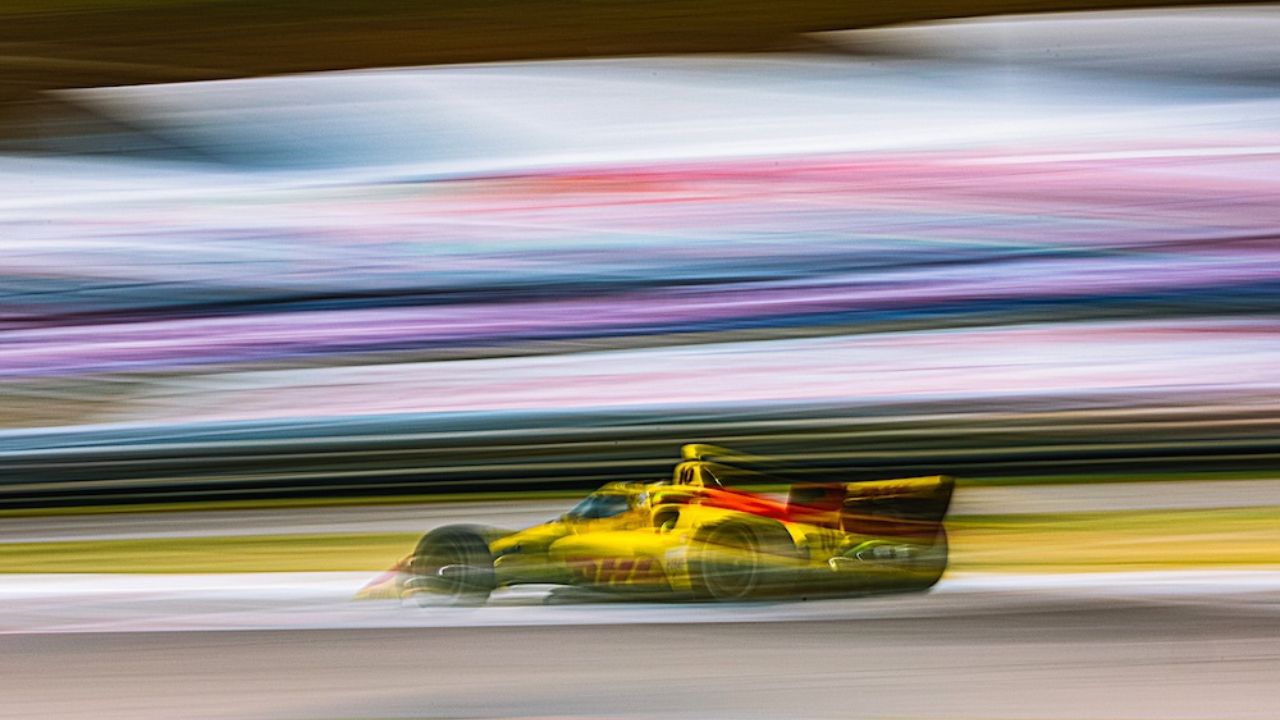
IndyCar is finally preparing to move on from the aging Dallara IR-12, with a new IR28 chassis being pushed onto an accelerated timeline and initial on-track tests expected over the summer. The shift ends years of incremental updates and signals a full-platform reset that will shape how the series looks, sounds, and races for the next decade.
The decision compresses what is usually a long development cycle into a tighter window, driven by safety concerns, performance goals, and the need to keep teams and manufacturers engaged in a fast-changing motorsport market.
What happened
IndyCar and Dallara have committed to a new IR28 chassis that is intended to replace the current IR-12 platform, which first entered service in 2012 and has now been in use for 14 seasons. The existing car has gone through several aerodynamic and safety iterations, but the underlying tub and architecture trace back to that original introduction.
Series leadership has decided to fast-track the IR28 program so that prototype testing can begin over the summer. According to IndyCar briefings, the goal is to move from design sign-off to track validation on a compressed schedule, with Dallara building early test cars that can run at a mix of ovals, road courses, and street circuits.
The current Dallara DW12, later rebranded as the IR-12, has been the backbone of the series since the end of the previous IR-03 generation. It arrived in the wake of the Dan Wheldon safety project and was designed around improved crash structures, wheel tethers, and energy absorption. Over time, IndyCar has layered on the manufacturer aero kits, then removed them, introduced the universal aero kit, and added the aeroscreen. Each change increased weight and complexity while retaining the same base chassis.
The IR28 is intended as a clean-sheet response to everything learned from that long run. The new car is expected to integrate the aeroscreen from the outset rather than as an add-on, package hybrid components more efficiently, and re-balance weight distribution and center of gravity. The summer test program is designed to validate those concepts in real-world conditions and gather feedback from drivers and teams before final specifications are locked.
Behind the scenes, the accelerated schedule has required Dallara to reallocate engineering resources and manufacturing capacity. The company must keep supplying and repairing IR-12 tubs while simultaneously tooling up for IR28 production. Teams, meanwhile, are planning around a transition that will affect spares inventories, setup databases, and simulator models, all under tighter time pressure than they initially expected.
Why it matters
The decision to rush a new chassis into testing is not just a styling exercise. It reflects a convergence of safety, performance, and commercial pressures that IndyCar can no longer manage with incremental updates to a 14-year-old platform.
On safety, the current IR-12 has done its job, particularly once the aeroscreen was added, but it was never designed around that device. The aeroscreen’s weight sits high and forward, which has affected cockpit ergonomics, weight distribution, and how the car behaves in certain types of impacts. A ground-up chassis that treats the aeroscreen as a primary structural element can redistribute mass, refine sightlines, and improve energy absorption in frontal and side crashes. That is especially significant on high-speed ovals, where crash angles and secondary impacts are hardest to manage.
Performance is just as central. Over a decade of add-ons has left the IR-12 heavier and more draggy than the original concept. Teams have adapted with setup work and more refined dampers, but there are limits to how far a legacy tub can be pushed. The IR28 gives IndyCar a chance to reset the aerodynamic map, reduce drag, and reclaim some of the agility that defined earlier generations. If the new chassis can generate similar downforce with less drag and weight, it should improve both single-lap speed and tire life over a stint.
The hybrid era is another driver of change. IndyCar has been preparing to introduce a hybrid assist system that recovers and deploys energy, and the current chassis has had to accommodate that hardware in spaces that were never designed for it. The IR28 can integrate hybrid units, batteries, and cooling from the start, which should improve reliability and serviceability. That integration also affects how teams package radiators, electronics, and wiring looms, all of which feed into cost and turnaround time between sessions.
Commercially, a new car refreshes the product for fans, manufacturers, and sponsors. The IR-12 has been on television for so long that even casual viewers recognize its silhouette. A new shape, especially one that can be marketed as lighter, greener, and faster, gives promoters and broadcasters fresh talking points. It also helps IndyCar in conversations with potential new engine partners or technical suppliers who want to be associated with a modern platform rather than a legacy design.
For teams, the stakes are financial and competitive. Buying into a new chassis cycle is a major capital outlay, particularly for smaller operations that run one or two cars. The accelerated timeline means they must budget for new tubs, spares, and updated equipment sooner than expected. At the same time, a clean-sheet car can compress competitive gaps. Organizations that have refined the IR-12 to a science may lose some of that advantage, while newer or smaller teams can benefit from a reset where everyone is learning from scratch.
Drivers will feel the shift most directly. The IR-12 has a known behavior profile on entry, mid-corner, and exit across different track types. Engineers have years of data on how it reacts to changes in ride height, spring rates, and dampers. The IR28 will wipe much of that institutional memory. Some drivers who thrive on a responsive rear end may love the new car if it rotates more freely. Others who prefer a planted, understeer-biased platform may face a steeper adaptation curve.
The move also affects how IndyCar positions itself relative to other series. Formula 1 regularly updates its technical regulations and car concepts, while categories like Formula E and the World Endurance Championship have introduced new generations of machinery with aggressive styling and advanced hybrid systems. By moving quickly to a new chassis, IndyCar signals that it intends to stay technologically relevant rather than relying indefinitely on a platform that predates many of its current drivers.
There is risk in compressing development. A shorter test window leaves less time to uncover structural issues, aerodynamic quirks, or unintended safety concerns. Any problem that surfaces after the car is homologated becomes more expensive and disruptive to fix. The series will need to manage that risk carefully, potentially by limiting early production numbers, staging the rollout, or keeping a contingency plan that allows the IR-12 to remain in service if the IR28 timeline slips.
Fan perception is another factor. Many long-time followers have grown attached to the look and racing style of the current car, particularly in its universal aero kit form. If the IR28 produces different drafting characteristics on ovals or alters how cars follow each other on road courses, the quality of racing could change. That might be positive, with closer packs and more passing, or it could introduce new complaints around turbulence and tire degradation. The summer tests will provide the first hints of which way that balance tilts.
What to watch next
The immediate focus will be on where and how the IR28 first turns a wheel. IndyCar and Dallara are expected to select a small group of experienced drivers, likely representing multiple teams and driving styles, to handle the initial development program. Their feedback on steering weight, braking feel, and balance through different corner types will shape the final aero and mechanical packages.
Observers should watch for a few key signals during those early runs:
- Top speed and drag: If the IR28 shows higher trap speeds on straights with similar or better stability in corners, that will validate the design goal of a more efficient aerodynamic platform.
- Behavior in traffic: How the new car handles wake turbulence will directly influence racing quality. Engineers will pay close attention to how close a following car can run without losing front grip.
- Tire usage: Feedback from drivers on how the car treats its tires over long runs will inform how aggressive teams can be with strategies and stint lengths.
- Hybrid integration: If the energy recovery and deployment systems operate smoothly without major reliability issues, that will reduce the risk of delays to the full rollout.
Teams will also be watching the homologation rules that IndyCar sets around the IR28. The series has to decide how much freedom to give in areas like dampers, suspension components, and aero tuning. A tightly controlled spec reduces costs and keeps performance close, but it limits technical differentiation. A more open rulebook encourages innovation but can widen the gap between the best-funded operations and the rest.
Another storyline will be how the new chassis interacts with existing engine programs. Engine manufacturers must adapt their mapping, cooling strategies, and reliability targets to the different loads and packaging of the IR28. Any change in weight or drag will affect fuel consumption and stint lengths, which in turn shapes race strategies. If the new car proves significantly faster, manufacturers may need to adjust durability assumptions for both internal combustion and hybrid components.
The transition plan from IR-12 to IR28 will matter just as much as the car itself. IndyCar has several options. It can introduce the new chassis across the entire field in a single season, which simplifies regulations but requires every team to invest at the same time. Alternatively, it could stage the rollout, for example by debuting the IR28 on road and street courses first while keeping the IR-12 on ovals for one more year. Each approach has trade-offs in cost, logistics, and competitive integrity.
Smaller teams will look for support mechanisms such as financing programs, phased payment schedules, or used chassis markets that soften the financial hit. If those measures are not in place, the risk is that some entries scale back or skip the early IR28 seasons, which would hurt grid size and diversity.
From a fan perspective, the first public test days will be closely scrutinized. On-track photos and timing sheets will circulate quickly, shaping early opinion about the car’s looks and speed. Any visible issues, such as instability under braking or awkward proportions, will fuel debate. Conversely, if the IR28 looks aggressive, produces strong lap times, and generates positive driver comments, it will build momentum ahead of its race debut.
Regulators will also monitor how the new chassis interacts with safety infrastructure. Changes in crash energy, angles, or debris patterns could require adjustments to SAFER barriers, catch fencing, or runoff areas at certain tracks. That process will involve collaboration between IndyCar, track operators, and safety experts, and it may influence which venues host the first races with the IR28.
More from Fast Lane Only