Throughout the history of automobile development, numerous safety experiments have been conducted, many of which have been forgotten over time. These innovative yet often overlooked efforts have paved the way for the advanced safety features in modern vehicles. Some of these forgotten safety experiments have significantly influenced car safety today.
The Early Days of Car Safety

Seatbelts and Their Evolution
The introduction of seatbelts marked a pivotal moment in automotive safety, yet their adoption faced significant resistance. Initially, many drivers viewed seatbelts as an unnecessary inconvenience, and it took considerable effort from early safety organizations to promote their use. Groups like the National Safety Council played a crucial role in advocating for seatbelt adoption, emphasizing their potential to save lives and reduce injuries.
Over time, the persistence of these organizations paid off, leading to widespread acceptance and integration of seatbelts in vehicles. The evolution of seatbelt technology, from simple lap belts to modern three-point harnesses, reflects the ongoing commitment to enhancing driver and passenger safety. These advancements have been instrumental in reducing fatalities and injuries in car accidents.
Impact-Absorbing Steering Columns
Impact-absorbing steering columns were another significant innovation in the early days of car safety. Designed to collapse upon impact, these columns aimed to reduce the risk of severe injuries to drivers during collisions. Early trials demonstrated their effectiveness, with case studies showing a marked decrease in driver fatalities in vehicles equipped with these columns.
Despite their proven benefits, the widespread adoption of impact-absorbing steering columns took time. Manufacturers were initially hesitant due to the added costs and complexity of implementation. However, as evidence of their life-saving potential grew, these columns became a standard feature in most vehicles, significantly enhancing driver safety.
Forgotten Technologies in Crash Testing

Soft Nose Concept
The “soft nose” concept was an innovative approach to vehicle design, aimed at reducing the severity of impacts during collisions. This design featured a deformable front end that absorbed energy upon impact, thereby minimizing damage to both the vehicle and its occupants. Despite its potential, the soft nose concept saw limited implementation in mainstream car designs.
Several factors contributed to the limited adoption of the soft nose design. Manufacturers were concerned about the aesthetic implications and the potential increase in production costs. Additionally, the technology required significant modifications to existing vehicle structures, which posed challenges for widespread integration. As a result, the soft nose concept remained largely experimental, despite its promising safety benefits.
Side-Impact Protection Systems
Early side-impact protection systems were designed to enhance passenger safety during lateral collisions. These systems included reinforced door structures and energy-absorbing materials intended to mitigate the force of side impacts. However, they were initially overlooked or deemed impractical by many manufacturers.
The reluctance to adopt side-impact protection systems stemmed from several factors, including cost concerns and the complexity of retrofitting existing vehicle designs. Despite these challenges, the importance of side-impact protection became increasingly apparent as crash testing methodologies evolved. Today, modern vehicles incorporate advanced side-impact protection features, drawing inspiration from these early experiments.
Unconventional Safety Features

Pop-Up Headlights for Pedestrian Safety
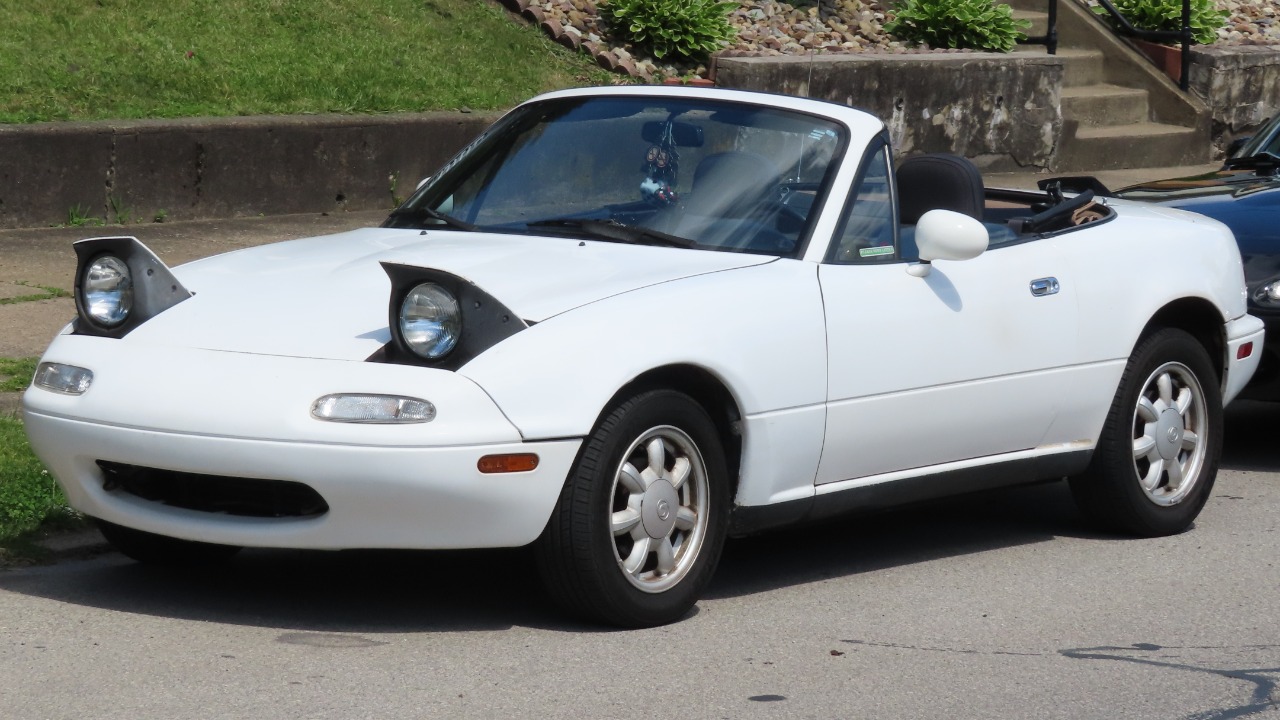
Pop-up headlights were not only a stylistic choice but also served a safety purpose by minimizing pedestrian injuries during collisions. The design allowed the headlights to retract, reducing the risk of severe injuries to pedestrians in the event of an accident. Despite their safety benefits, pop-up headlights were eventually phased out.
The decline of pop-up headlights can be attributed to several factors, including changes in vehicle design trends and advancements in lighting technology. As manufacturers shifted towards more streamlined and aerodynamic designs, pop-up headlights became less practical. Additionally, the development of new lighting technologies, such as LED and HID systems, offered improved performance and efficiency, further contributing to the decline of pop-up headlights.
Rotating Seats for Collision Safety
The concept of rotating seats was introduced as a means to reduce the impact of collisions on passengers. By allowing seats to rotate upon impact, the technology aimed to distribute collision forces more evenly, thereby minimizing injuries. However, the implementation of rotating seats faced numerous challenges.
One of the primary obstacles was the complexity of integrating rotating seats into existing vehicle designs. The technology required significant modifications to the vehicle’s interior layout, which posed practical and financial challenges for manufacturers. Additionally, concerns about the reliability and safety of the rotating mechanisms further hindered their adoption. As a result, rotating seats remained an experimental concept, despite their potential safety benefits.
The Role of Government and Regulation

Legislative Push for Safety Innovations
Government mandates have played a crucial role in driving safety innovations in the automotive industry. Historical legislation, such as the National Traffic and Motor Vehicle Safety Act of 1966, spurred a wave of safety experiments and advancements. This legislation established safety standards and required manufacturers to incorporate safety features into their vehicles.
The impact of early safety legislation on automotive design and manufacturing was profound. It prompted manufacturers to prioritize safety in their designs and invest in research and development of new safety technologies. As a result, many of the forgotten safety experiments laid the groundwork for the advanced safety features we see in modern vehicles today.
Safety Standards and Their Evolution
The evolution of safety standards over the decades has been shaped by both successful and forgotten experiments. As new technologies emerged, safety standards were updated to reflect the latest advancements and ensure the highest level of protection for vehicle occupants. These evolving standards have been instrumental in driving continuous improvements in automotive safety.
Forgotten experiments have also influenced current safety regulations, as lessons learned from past trials and errors have informed the development of modern safety technologies. For example, the integration of crumple zones and advanced restraint systems in today’s vehicles can be traced back to early safety experiments that highlighted the importance of energy absorption and occupant protection.
Legacy and Influence on Modern Vehicles
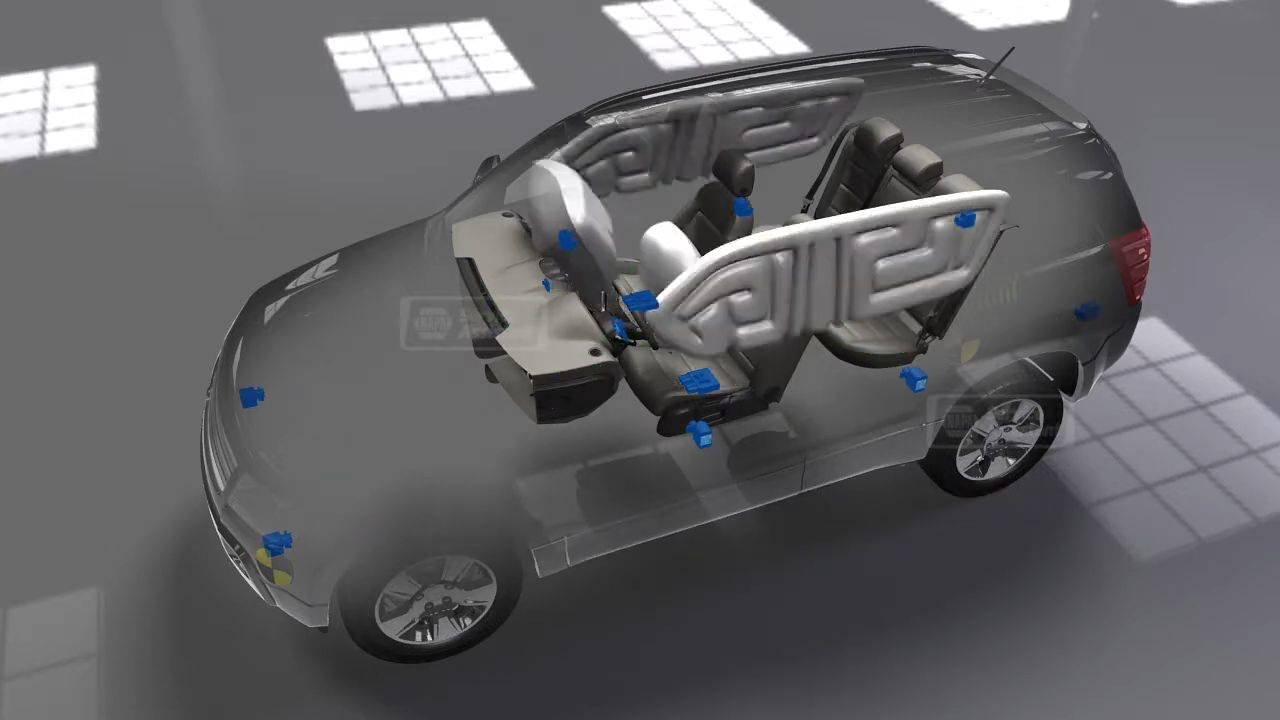
Lessons Learned from Past Safety Experiments
The lessons learned from past safety experiments have had a lasting impact on the development of modern safety technologies. By analyzing the successes and failures of these experiments, manufacturers have been able to refine and enhance safety features, leading to significant improvements in vehicle safety.
Examples of modern safety features that owe their existence to forgotten experiments include advanced airbag systems, electronic stability control, and adaptive cruise control. These technologies have been developed and refined based on insights gained from early safety trials, demonstrating the enduring influence of past experiments on contemporary automotive safety.
Revisiting Old Concepts with New Technology
Modern technology is revitalizing past safety ideas, offering new opportunities to reintroduce forgotten safety measures with contemporary improvements. Advances in materials science, electronics, and computer modeling have enabled manufacturers to revisit and enhance old concepts, making them more practical and effective.
For instance, the integration of advanced sensors and artificial intelligence in vehicles has opened up new possibilities for implementing safety features that were previously deemed impractical. As technology continues to evolve, there is potential for reintroducing forgotten safety measures, ensuring that the lessons of the past continue to inform the future of automotive safety.
Like Fast Lane Only’s content? Be sure to follow us.
Here’s more from us:
*Created with AI assistance and editor review.