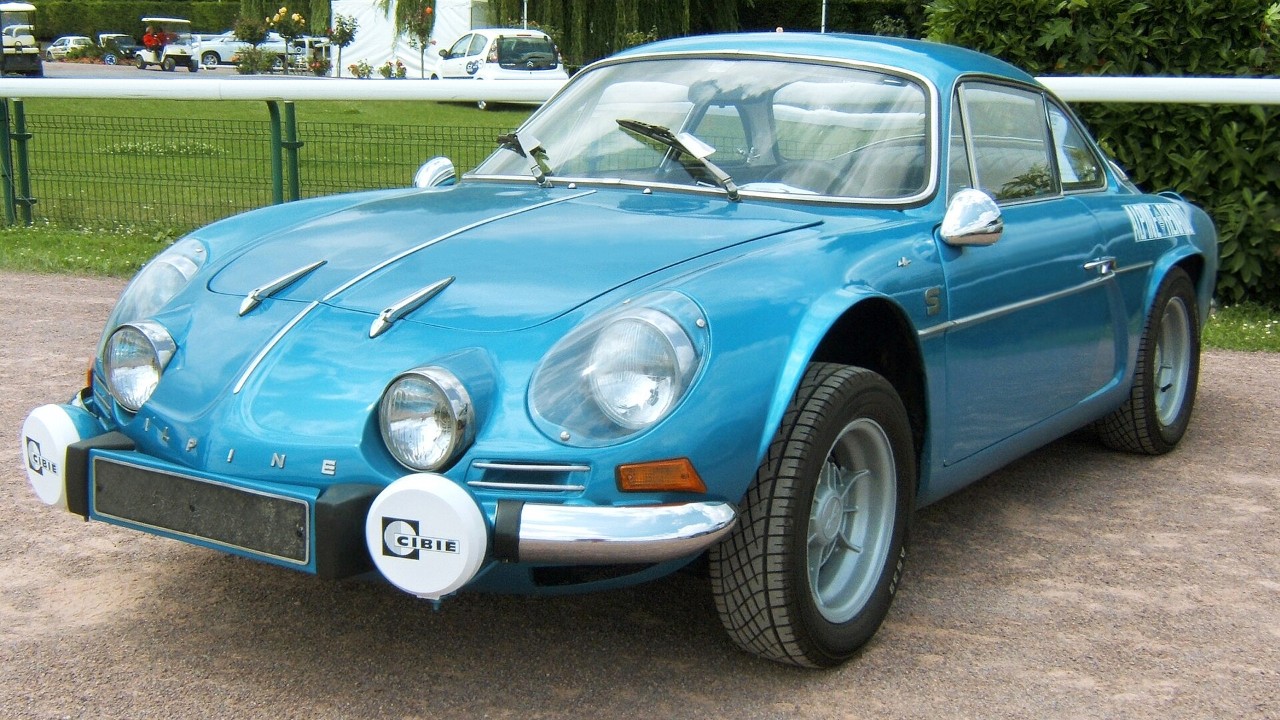
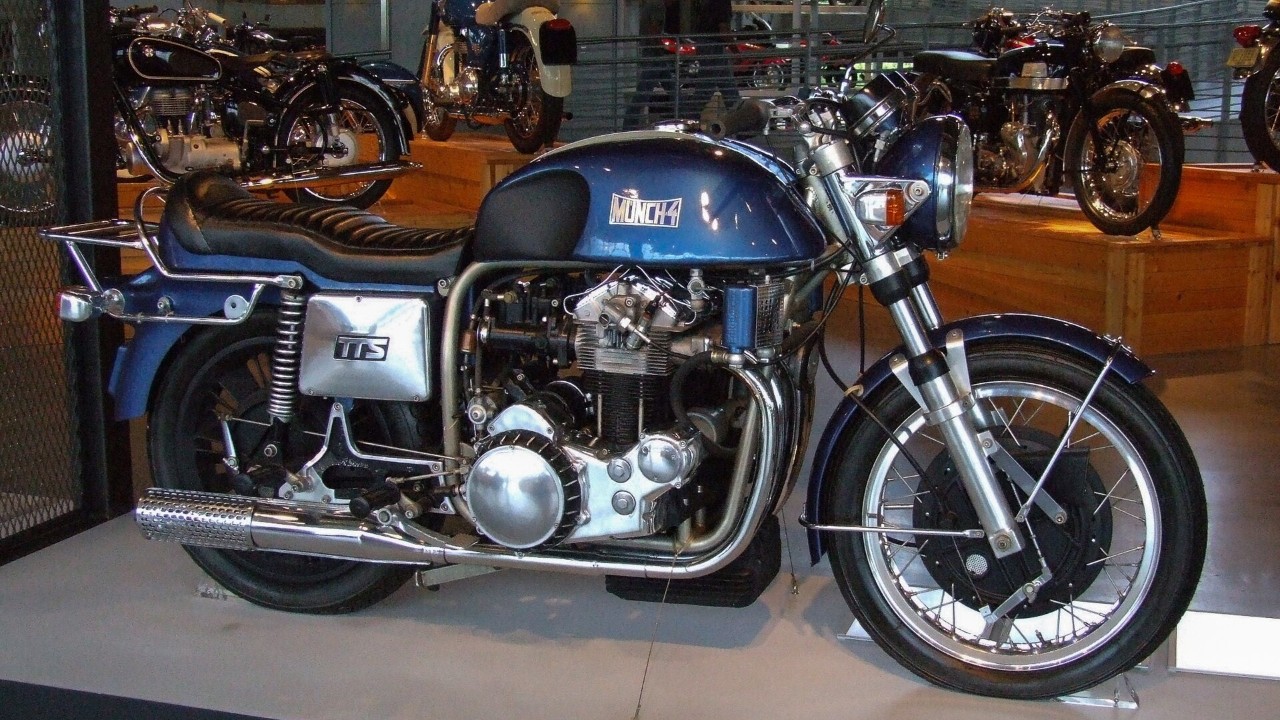
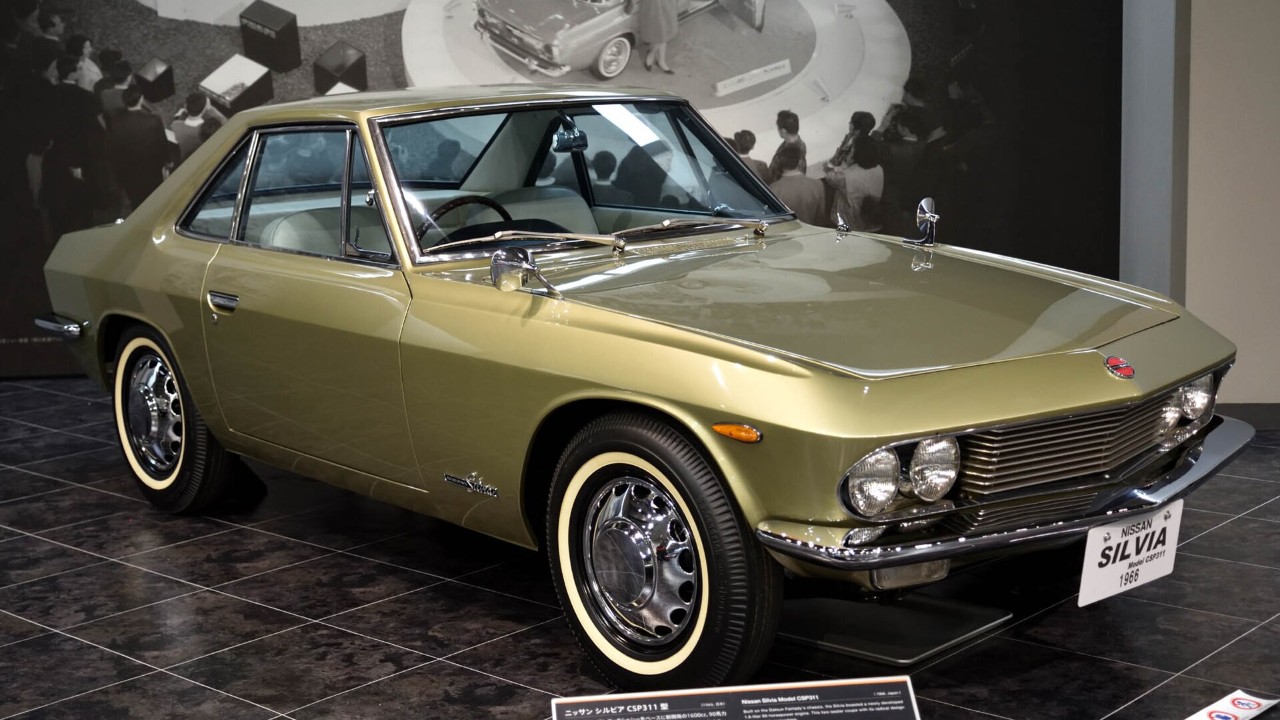
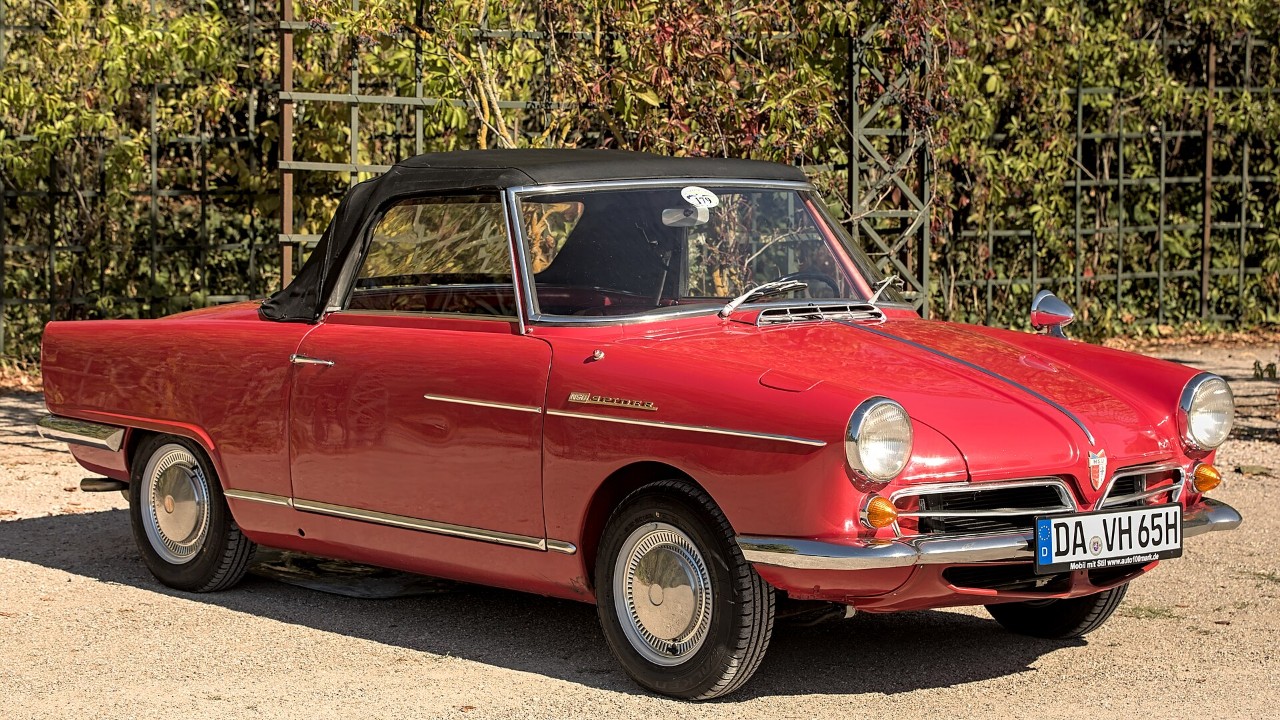
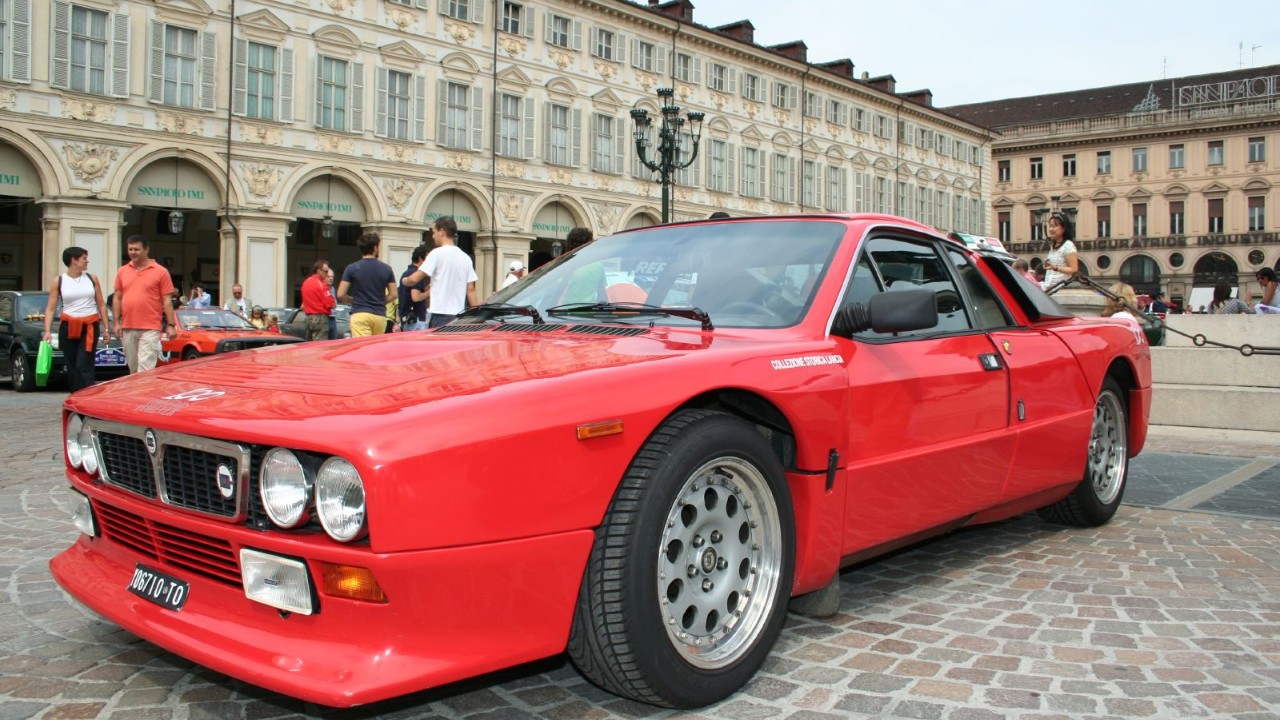
The world of automotive engineering is filled with innovation and experimentation, leading to some rather unusual engine designs that made it to production, albeit briefly. These engines often broke the mold of traditional engineering, offering unique solutions to automotive challenges. They represent a fascinating chapter in automotive history, marked by creativity and the pursuit of efficiency and performance.
Wankel Rotary Engine

The Wankel rotary engine stands out with its unique design, featuring a rotary mechanism that sets it apart from conventional piston engines. Unlike the traditional reciprocating motion of pistons, the Wankel engine employs a triangular rotor that orbits within an epitrochoidal chamber. This design allows for a smoother and more continuous power delivery, as the engine completes its four-stroke cycle in a single rotation of the rotor. The simplicity of having fewer moving parts compared to a piston engine was one of its most appealing aspects, promising less vibration and a compact size.
One of the most notable applications of the Wankel engine was in the Mazda RX series, including the RX-7 and RX-8 models. These vehicles capitalized on the engine’s ability to deliver high power output from a relatively small displacement, which contributed to their sporty performance and appeal. The smooth power delivery and high-revving nature of the Wankel engine made it a favorite among driving enthusiasts. However, despite its advantages, the Wankel engine faced significant challenges, particularly with sealing issues that led to poor fuel efficiency and higher emissions. These problems, combined with the increasing pressure to meet stringent environmental regulations, contributed to its decline in popularity and eventual discontinuation in mainstream production.
Turbine Engines in Cars

The Chrysler Turbine Car project in the 1960s was a bold attempt to bring turbine engine technology to the automotive world. The turbine engine, known for its use in aircraft, was adapted for automotive use with the promise of smooth operation and the ability to run on a variety of fuels, including diesel, kerosene, and even vegetable oil. The Chrysler Turbine Car featured a sleek design and was capable of impressive performance, with a top speed of over 120 mph. Public reaction to the car was mixed, with many intrigued by its futuristic technology and distinctive sound.
Despite the advantages of turbine engines, such as their multi-fuel capability and fewer moving parts, they faced significant limitations. The high cost of production, coupled with poor fuel efficiency and sluggish acceleration at low speeds, hindered their widespread adoption. Additionally, the complexity of the technology made it difficult to maintain and repair, further limiting its appeal. Although the Chrysler Turbine Car never went into full production, the experiments with turbine engines left a lasting legacy, influencing future automotive technologies and designs, particularly in the realm of hybrid and alternative fuel vehicles.
Stirling Engines in Automobiles

The Stirling engine, named after its inventor Robert Stirling, operates on the principle of external combustion, where heat is applied externally to a sealed cylinder containing a working gas. This design allows for a highly efficient thermal cycle, making it an attractive option for automotive applications. Historically, Stirling engines were used in industrial applications and small-scale power generation before being considered for automobiles.
In the automotive world, companies like Ford and General Motors experimented with Stirling engines in the 1970s and 1980s, exploring their potential for fuel efficiency and low emissions. These experimental models demonstrated the engine’s ability to run quietly and smoothly, with the added benefit of being able to use a variety of heat sources. However, the Stirling engine’s complexity, weight, and high production costs proved to be significant obstacles. The slow response time and difficulty in scaling the technology for mass production further limited its success in the automotive industry. Despite these challenges, the Stirling engine remains a topic of interest for its potential in niche applications and renewable energy systems.
Opposed-Piston Engines

The opposed-piston engine is a unique design where two pistons share a single cylinder, moving towards and away from each other to compress and ignite the fuel-air mixture. This configuration eliminates the need for a cylinder head and allows for a more compact and efficient engine design. The theoretical advantages of opposed-piston engines include improved thermal efficiency and reduced heat loss, making them an attractive option for various applications.
Historically, opposed-piston engines were used in military and industrial settings, valued for their durability and efficiency. In recent years, there have been attempts to revive this technology for automotive use, with companies like Achates Power developing modern versions of the opposed-piston engine. These efforts focus on leveraging advanced materials and manufacturing techniques to overcome previous limitations. The current status of opposed-piston engines in the automotive world is one of cautious optimism, with ongoing research and development aimed at addressing challenges such as emissions control and integration into modern vehicle platforms.
Radial Engines in Cars
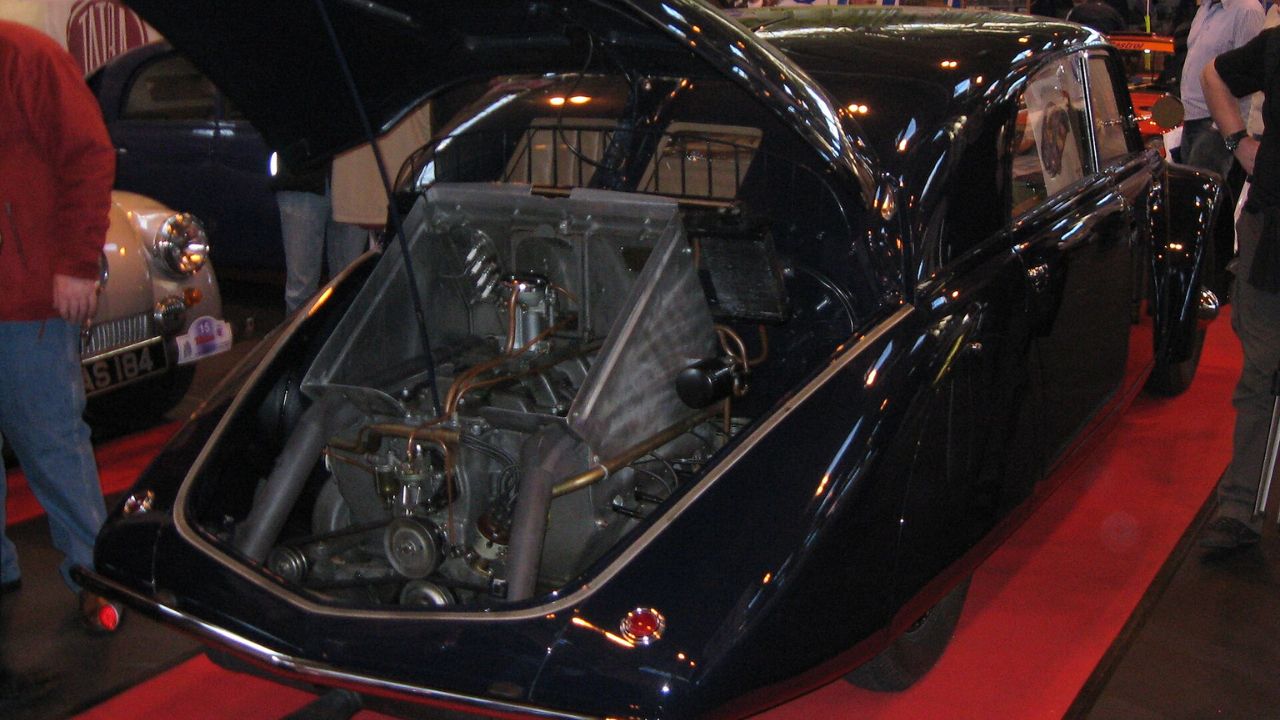
Radial engines, characterized by their star-shaped configuration with cylinders arranged around a central crankshaft, were primarily used in aircraft due to their power-to-weight ratio and reliability. However, there were attempts to adapt this technology for automotive use, driven by the desire to explore alternative engine designs. The concept of radial engines in cars was intriguing, offering a compact and powerful solution for automotive propulsion.
One notable example of a car utilizing a radial engine was the Tatra T77, a vehicle that showcased innovative design and engineering. The T77 featured a rear-mounted, air-cooled radial engine, which contributed to its streamlined body and advanced aerodynamics for its time. Despite these innovations, radial engines faced significant challenges in the automotive industry. The complexity of the design, coupled with space constraints and cooling issues, made them difficult to implement in conventional car layouts. As a result, radial engines did not become mainstream in the automotive world, but they remain a fascinating example of engineering creativity and experimentation.
Like Fast Lane Only’s content? Be sure to follow us.
Here’s more from us:
*Created with AI assistance and editor review.