You probably know Frank Sinatra as The Chairman of the Board, the voice that scored mid‑century America. Yet if you follow the long-running rivalry between Ferrari and Lamborghini, you also know him as the man whose garage quietly took sides. Trace what he actually ordered, drove, and cherished, and a clear allegiance emerges, one that turns a throwaway quip into a manifesto on status, taste, and what it really means to “be somebody.”
Rather than a neutral collection of exotics, Sinatra’s cars reveal where his heart lay in the Ferrari feud, and why that choice still shapes how people talk about Italian supercars today. His Lamborghini Miura was not just another celebrity toy; it was a rolling argument that prestige is something you bring to a badge, not something you borrow from it.
How you get from crooner to car oracle
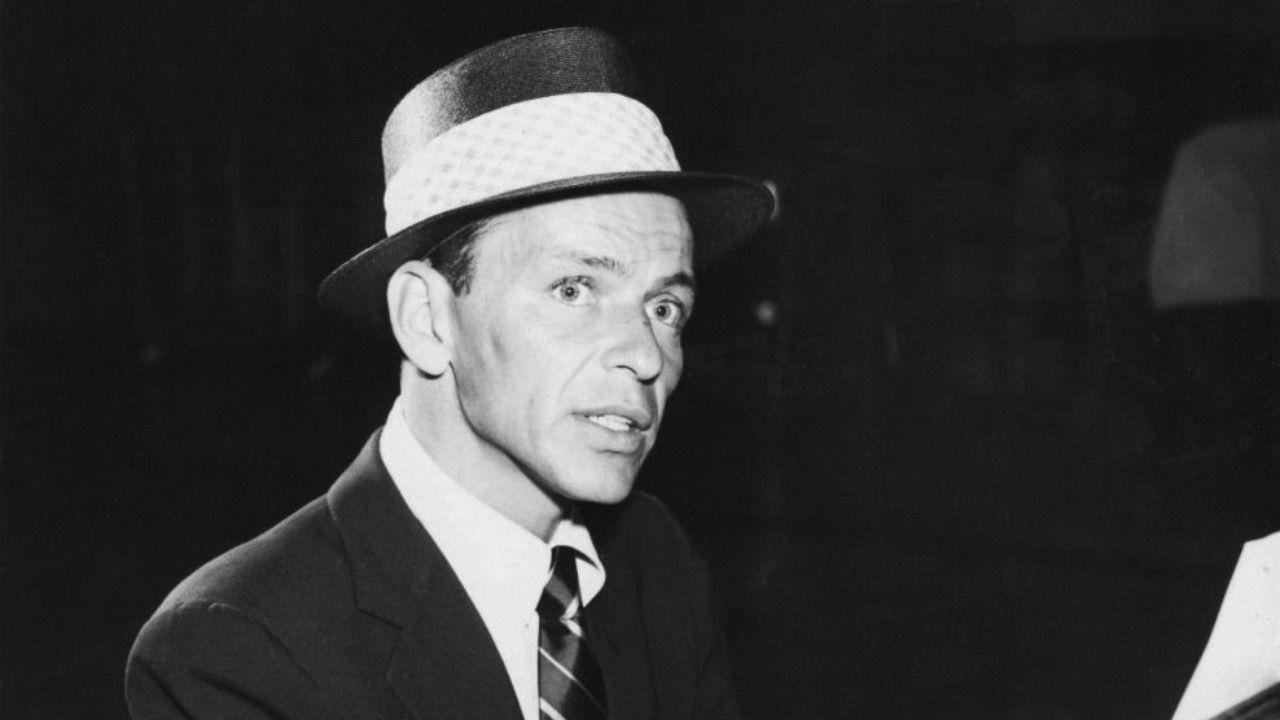
When you picture Frank Sinatra, you probably see the tux, the spotlight, and the Rat Pack, not a set of keys. By the late 1960s, though, his public persona had expanded into something closer to a lifestyle brand, a template for how you might imagine a successful man dressing, drinking, and driving. That is the context that turns a single line about supercars into something you still quote in comment threads and group chats.
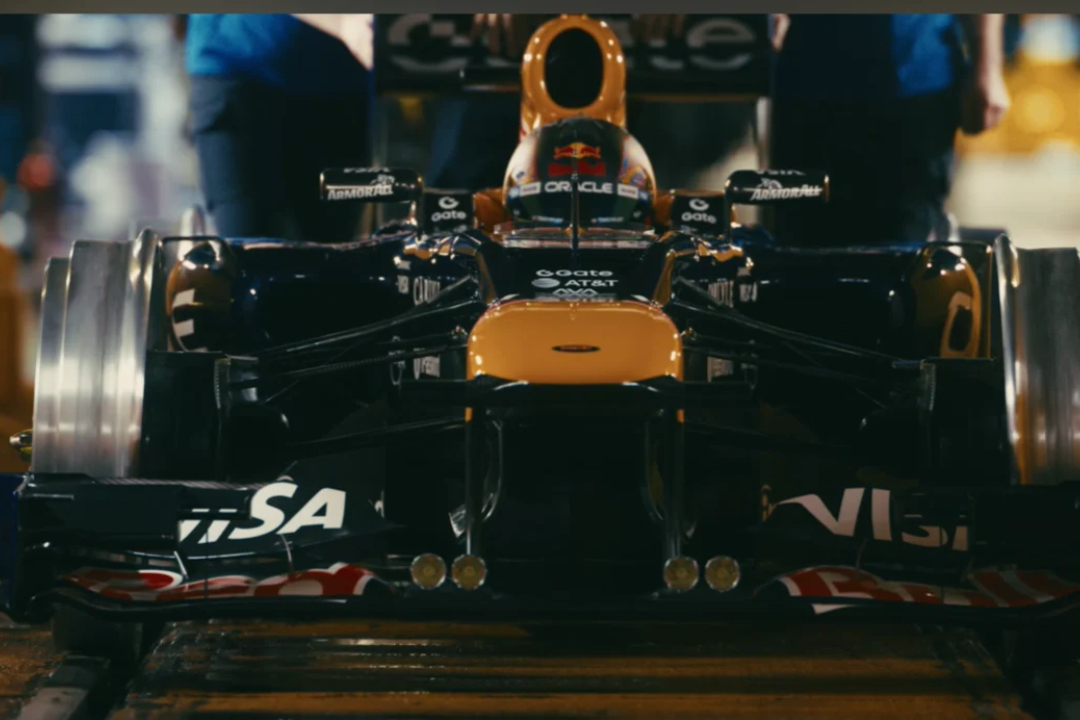
The line is simple and sharp. “You buy a Ferrari when you want to be somebody. You buy a Lambo when you are somebody!” In some tellings, the wording shifts slightly to “You buy a Ferrari when you want to be somebody. You buy a Lamborghini when you are somebody.” Either way, you are being handed a hierarchy of desire, where Ferrari stands for aspiration and Lamborghini stands for arrival. The quote appears again and again on enthusiast pages that credit Frank Sinatra directly, and it echoes again when fans talk through his taste in cars and the way it still shapes the Ferrari versus Lamborghini debate.
The Miura that turned his garage into a statement
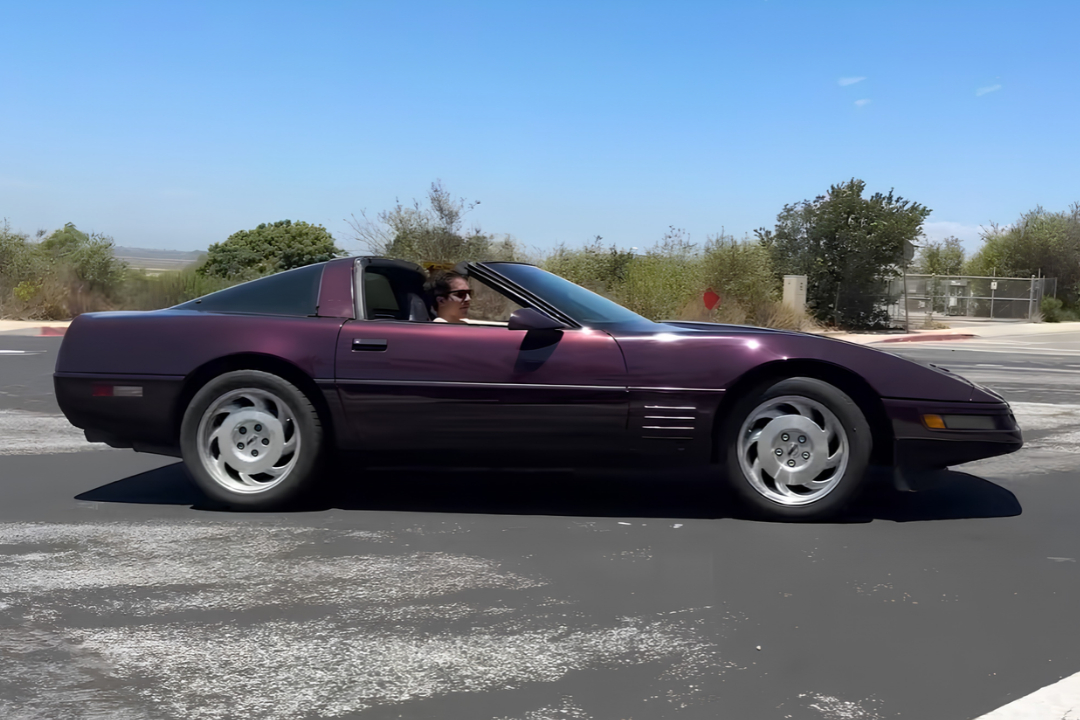
If you want to see where Sinatra really stood, you do not start with the quote, you start with the car he ordered. Enthusiast accounts describe how he personally went to Automobili Lamborghini in Sant Agata Bolognese to commission a Miura for his 54th birthday, treating the specification as a kind of self-portrait. The car was finished in his favorite orange with boar skin leather, a choice that signaled he wanted something more theatrical and personal than a standard red status symbol.
Archival material from the factory and auction catalogs backs up that picture. The Miura on offer at one sale, identified as chassis 4407, carried production order 475 in the Lamborghini records, and the register simply listed the customer as “Sinatra.” Another detailed account notes that the dispatch date for the car was recorded as 12/12/69, which was Sinatra’s 54th birthday, and that the build sheet again said only “Sinatra” rather than a full name or dealer tag. Add in descriptions of the Biposto Coupe configuration, the orange shag trim, and the V12 layout cited in enthusiast write-ups, and you see a car that turned his garage into a showroom for Lamborghini’s most daring work rather than a shrine to Ferrari.
Why the Ferrari jab still hits a nerve
The reason you still hear that Ferrari line is that it compresses an entire cultural argument into a single sentence. When Sinatra says, “You buy a Ferrari when you want to be somebody. You buy a Lamborghini when you are somebody,” he is not just teasing one brand, he is telling you that some cars function like business cards and others like signatures. Commenters in one Discussion thread unpack that idea by arguing over whether Ferrari buyers are chasing recognition while Lamborghini buyers are flaunting it, and you can see how easily the quote slots into modern status anxiety.
Writers who revisit his garage point out that you can question the literal fairness of the jab at Ferrari, especially now that both companies build technological masterpieces that have become treasured collectibles. Those same analyses, however, concede that you cannot really question Frank Sinatra’s taste in cars, because the Miura he chose has aged into one of the most admired designs of its era. When you see that car described as one of the most expensive sports cars of its time, parked in the garage of The Chairman of the Board alongside significant financial investments, you understand why Lamborghini loyalists still repeat his words as a kind of blessing.
How film, fandom, and memory keep the feud alive
You are not encountering the Sinatra quote in a vacuum. You are seeing it revived in trailers, streaming descriptions, and fan posts that use his line as shorthand for the whole Ferrari versus Lamborghini story. A promotional clip for a biographical film about Ferruccio Lamborghini, for example, leans on the phrase “You buy a Ferrari when you want to be somebody. You buy a Lamborghini when you are somebody” and attributes it to Frank Sinatra, turning a throwaway quip into a marketing hook.
Coverage of the same film notes how Lamborghini loyalists in TORONTO and beyond have etched the quote into their standard repertoire of Ferrari jabs, treating it as proof that a certain kind of success gravitates toward Sant Agata rather than Maranello. The wording appears again in a separate post that celebrates how Lamborghini loyalists have made the line part of their identity, and again in a birthday-focused caption that reminds you Sinatra ordered his Miura for his 54th bday. Scroll through those posts and you are not just reading about a car, you are watching a piece of dialogue turn into folklore.
What Sinatra’s garage teaches you about picking a side
Once you connect the quote to the hardware, the lesson for your own choices becomes clearer. Sinatra did not simply repeat an existing rivalry; he backed it up with a specific order at Sant Agata Bolognese, a V12 Miura painted orange with boar skin leather that he treated as an extension of his stage persona. Descriptions of his car as a rare Lamborghini Miura, one of the most expensive sports cars of its time, reinforce that he was not simply dabbling. He was aligning his image with Ferruccio Lamborghin’s rebellion against Enzo Ferrari, a story retold in long-form essays about how Lamborghini started where others came from and unveiled its first car at the Geneva Motor Show.
For you, the takeaway is not that one badge automatically makes you “somebody.” It is that the car you choose broadcasts the story you want to tell about yourself, just as clearly as Sinatra’s garage did. When you quote him, you are really deciding whether you see yourself in the polished aspiration that Ferrari has come to represent or in the more extroverted defiance that clings to Lamborghini. If you remember that his Miura was specified down to the color and upholstery to match his taste, you might feel nudged to treat your own choices the same way, as an expression of who you are rather than a shortcut to who you hope to be.
More from Fast Lane Only