

The 1960s Mustang is an iconic piece of American automotive history, beloved by collectors and enthusiasts alike. Restoring one can not only bring joy but also significantly increase its value. I want to provide essential tips for restoring a classic Mustang, ensuring that your hard work translates into a worthy investment.
Assessing the Condition of Your Mustang
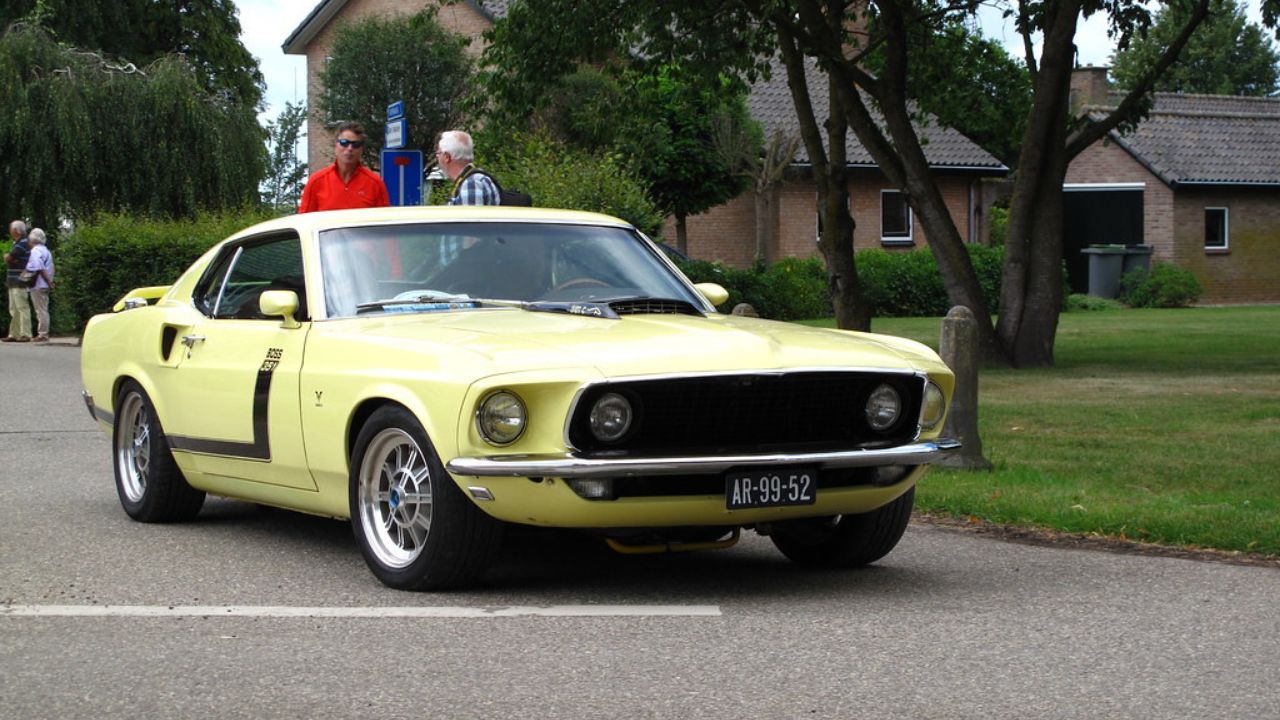
Before diving into any restoration project, it’s crucial to assess the overall condition of your Mustang. Start by inspecting the body for rust, dents, and previous repairs. Look closely at the fenders, floor pans, and trunk areas, as these are common spots for rust to develop. If the car has been repainted, check for signs of poor bodywork or mismatched paint, which can indicate previous repairs that may not have been done correctly. Hidden issues like bondo or poorly repaired panels can impact your restoration costs and efforts significantly.
Next, evaluate the mechanical components, including the engine, transmission, and brakes. Check for leaks, listen for unusual sounds, and assess the overall functionality of these systems. A thorough evaluation will help you prioritize what needs immediate attention and what can wait. Don’t forget to examine the suspension and exhaust system, as these components also play a vital role in the car’s performance and safety. Documenting existing features and modifications is important too; note down original parts versus aftermarket upgrades. This record will help maintain the vehicle’s authenticity and value throughout the restoration process.
Choosing the Right Restoration Approach
When it comes to restoring a classic Mustang, you’ll need to decide between a full restoration or a partial one. A full restoration involves bringing every detail back to its original state, which can be time-consuming and costly. While this approach can yield a higher resale value, it may not be feasible for everyone. On the other hand, a partial restoration focuses on critical areas, allowing you to save time and money while still enhancing the car’s appeal. It’s essential to weigh the benefits and drawbacks of each approach according to your budget and goals.
Another factor to consider is the balance between originality and customization. Maintaining original specifications can be crucial for preserving the car’s value, especially among collectors who seek authenticity. However, adding personalized touches can make your Mustang stand out and appeal to a broader audience. Think about which elements you’re willing to modify and which ones you want to keep original. Finally, setting a budget is vital. Estimate costs for parts, labor, and unexpected expenses to avoid overspending. Prioritize your spending based on the most critical needs, and keep track of your expenditures throughout the restoration.
Finding Quality Parts and Resources
Sourcing quality parts is one of the most critical aspects of a successful restoration. For original components, check resources like CJ Pony Parts or National Parts Depot, which specialize in classic Ford parts and can help ensure authenticity. These companies often offer a range of products, from body panels to engine components, allowing you to restore your Mustang to its original glory.
If you can’t find the original parts, consider utilizing reputable aftermarket options. Brands like Late Model Restoration provide high-quality parts that fit well and perform reliably. Engaging with the Mustang community can also yield valuable resources. Online forums, local clubs, and social media groups are excellent platforms for advice and support. Fellow enthusiasts can share tips on sourcing parts and may even have leads on where to find hard-to-get items.
Restoration Tips to Enhance Value
One of the most impactful ways to enhance your Mustang’s value is by prioritizing paint and bodywork. A professional finish can dramatically increase the car’s appeal. Consider investing in high-quality paint that matches the original color or a popular upgrade. A well-done paint job not only protects the vehicle from rust but also attracts buyers who appreciate aesthetics. Additionally, don’t skimp on bodywork; getting the body panels straight and properly aligned is essential for a factory-finished look.
Upgrading interior features can also add significant value without compromising authenticity. Restoring the seats, dashboard, and other interior components can breathe new life into your Mustang. Consider options like custom seat covers or new carpeting that maintain the vintage look while improving comfort. Documenting the restoration process is equally important. Keeping thorough records of all work done, including receipts for parts and labor, can significantly boost resale value. Buyers appreciate transparency, and a well-documented restoration history can provide them with peace of mind.
Understanding Market Trends and Value Appreciation
Staying informed about current market trends is essential for any classic car enthusiast. Research recent sales and valuations to understand what buyers are looking for. Websites like Hemmings or Kelley Blue Book can provide valuable insights into market trends, helping you gauge the potential value of your restored Mustang. Pay attention to what specific models and features are fetching higher prices, as this knowledge can guide your restoration priorities.
Additionally, evaluate the impact of upgrades on your Mustang’s overall value. Certain modifications, such as performance enhancements or upgraded technology, can attract a different demographic of buyers. However, be cautious; while some upgrades may boost value, others could detract from the car’s classic appeal. Finally, timing your sale is crucial. Consider seasonal trends and collector interest when deciding when to sell your restored Mustang. Spring and summer are typically the best times, as more enthusiasts are looking to buy classic cars during these warmer months.



Leave a Reply