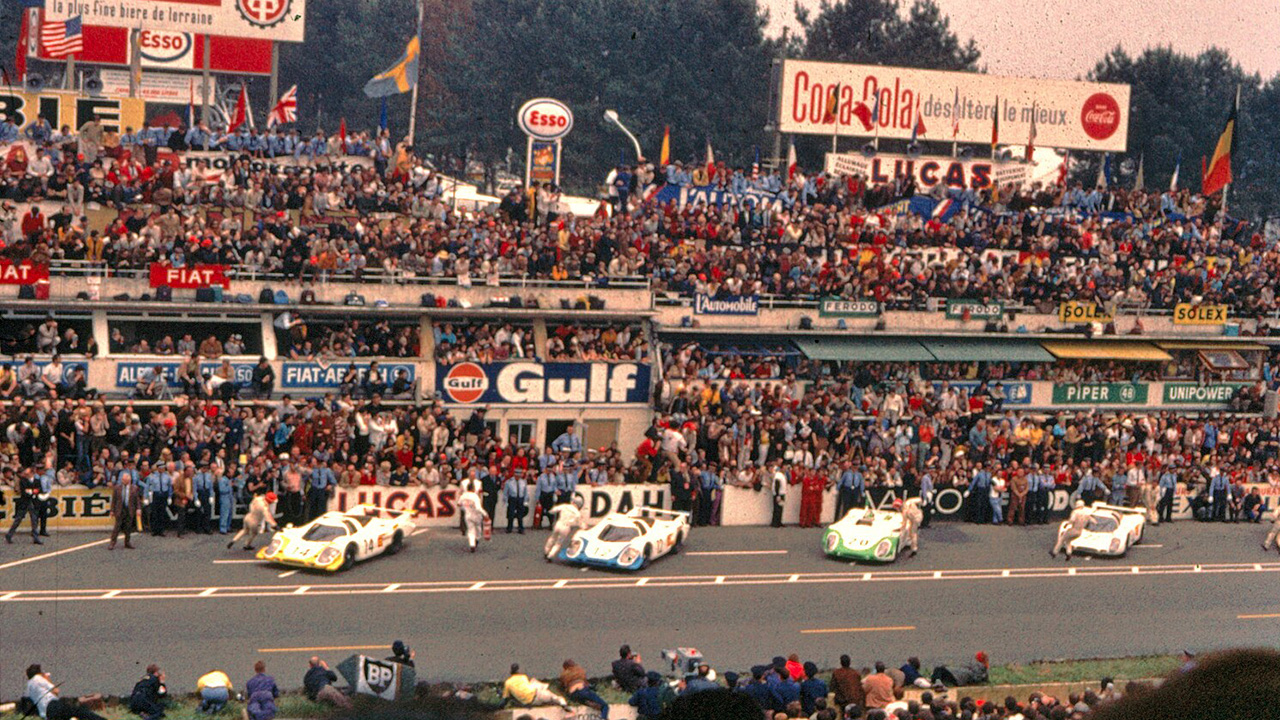
The 24 Hours of Le Mans is one of the most prestigious endurance races in the world, known for its grueling test of speed, strategy, and stamina. Over the years, it has delivered some of the most thrilling and memorable finishes in motorsport history. This article delves into a selection of the most famous Le Mans conclusions that have left indelible marks on the racing world.
The Infamous 1966 Ford vs. Ferrari Showdown
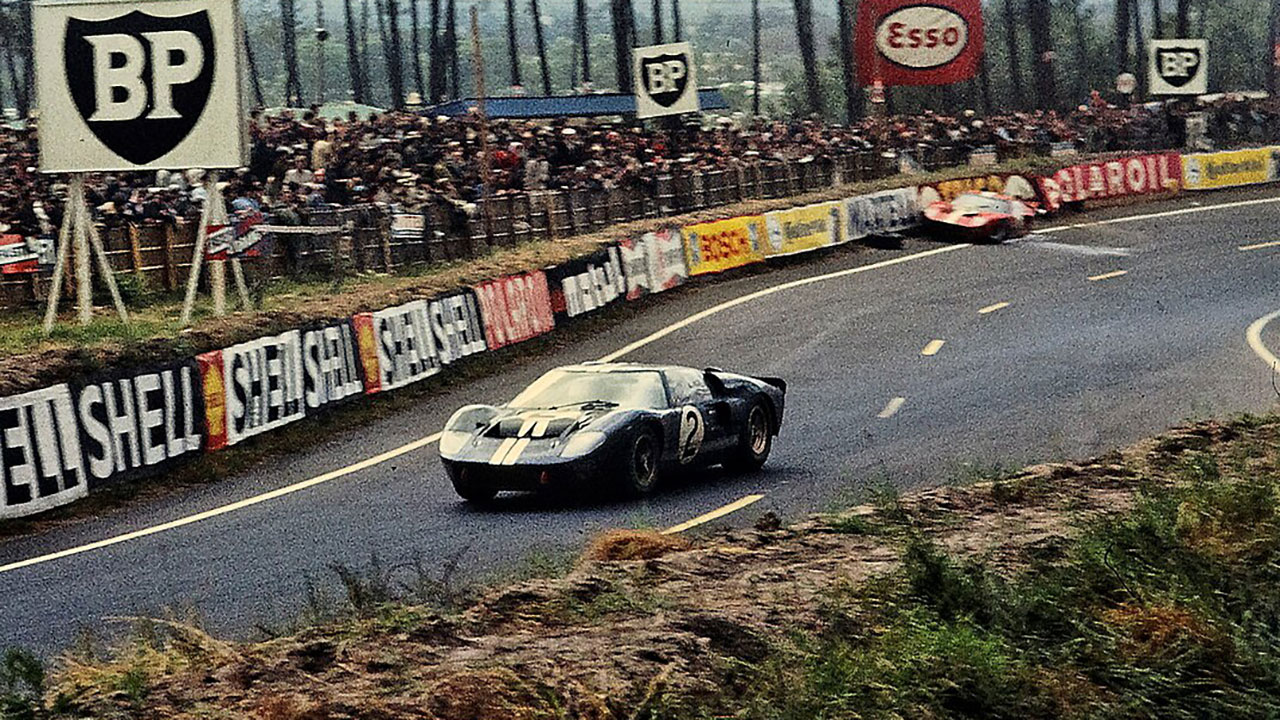
The 1966 Le Mans race is etched in history as a pivotal moment in the fierce rivalry between Ford and Ferrari. This competition was fueled by Ford’s desire to dethrone Ferrari, who had dominated the race throughout the early 1960s. Ford’s determination to win led to the development of the GT40, a car specifically designed to challenge Ferrari’s supremacy.
The race concluded with a controversial “dead heat” finish, where Ford’s decision to stage a photo finish led to confusion. Although Ford cars finished first, second, and third, the victory was awarded to Bruce McLaren and Chris Amon, whose car started further back on the grid. This decision sparked debates and left a lasting impact on the race’s outcome.
The 1966 finish significantly influenced both companies and the Le Mans race itself. Ford’s victory marked the beginning of a new era in endurance racing, while Ferrari’s loss prompted a reevaluation of their racing strategies. This showdown remains a defining moment in the history of Le Mans, symbolizing the intense competition and strategic maneuvering that characterize the race.
The Heartbreaking Loss of Toyota in 2016
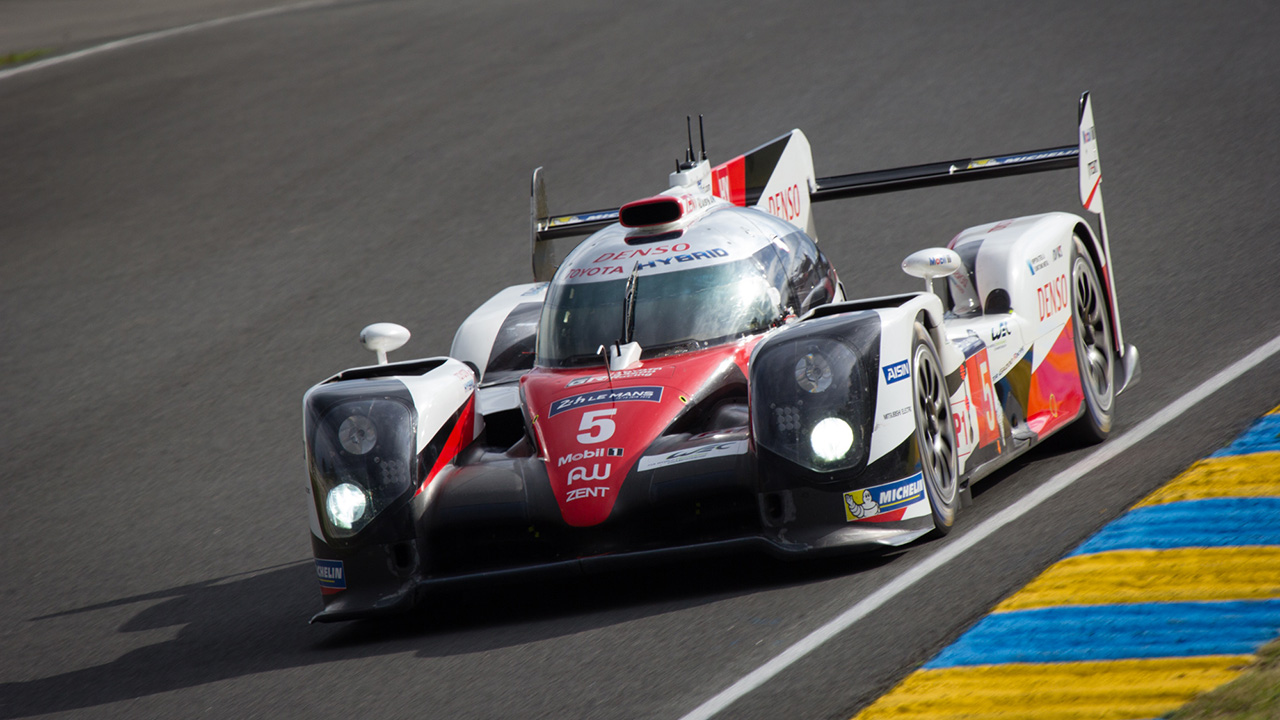
The 2016 Le Mans race was a testament to Toyota’s dominance, as they led for most of the 24-hour event. Their car, the Toyota TS050 Hybrid, showcased remarkable performance and reliability, positioning them as the favorites to win. However, the race took a dramatic turn in the final minutes.
With just three minutes remaining, the leading Toyota car suffered a catastrophic technical failure, causing it to lose power on the final lap. This unexpected turn of events allowed Porsche to overtake and claim victory, leaving Toyota and its fans devastated.
The emotional impact of this loss was profound, as Toyota had come so close to achieving a historic win. The team learned valuable lessons from this experience, which influenced their future strategies and developments in endurance racing. The 2016 race is remembered for its dramatic conclusion and the resilience of the Toyota team.
The Epic Battle of 1969
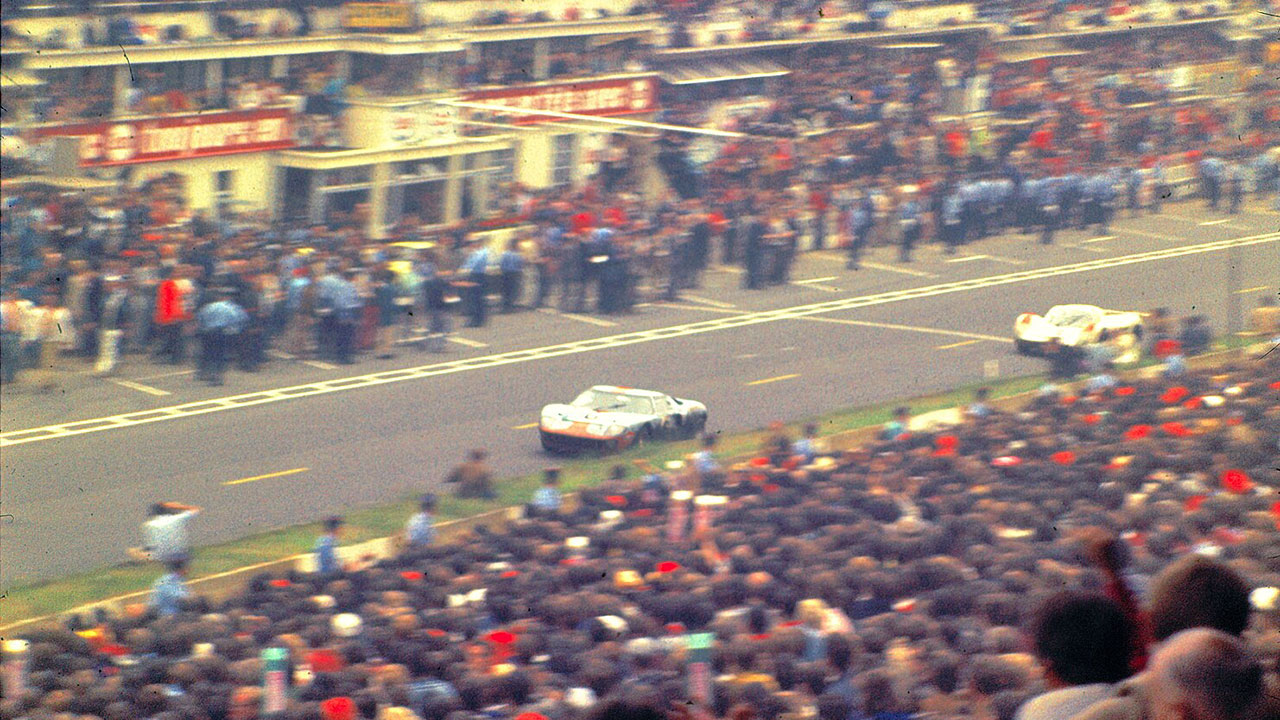
The 1969 Le Mans race featured an intense duel between Jacky Ickx’s Ford GT40 and Hans Herrmann’s Porsche 908. This competition was marked by strategic brilliance and relentless determination from both drivers, who pushed their cars to the limits.
The final laps of the race were a nail-biting showdown, with Ickx and Herrmann exchanging the lead multiple times. In a display of tactical acumen, Ickx managed to outmaneuver Herrmann on the last lap, securing a victory for Ford by a mere 120 meters.
This race is celebrated for its sportsmanship and the endurance displayed by both teams. The 1969 finish is a testament to the spirit of Le Mans, where strategy and perseverance often determine the outcome. It remains one of the most memorable races in the event’s storied history.
The Triumph of Innovation: Audi’s 2000 Victory
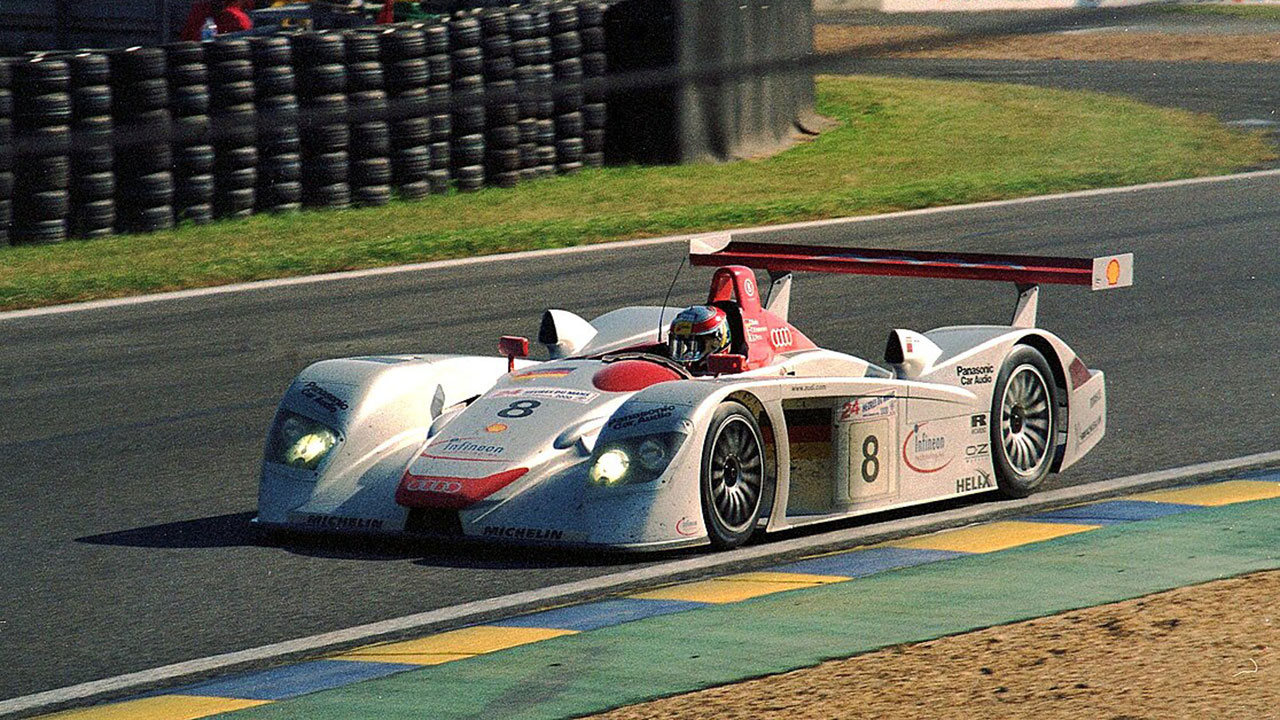
The year 2000 marked a turning point in Le Mans history with Audi’s introduction of the R8, a car that featured groundbreaking technology. Audi’s innovative approach included the use of a lightweight chassis and a powerful turbocharged engine, which provided a significant competitive edge.
Audi’s team executed a flawless race strategy, maintaining a consistent pace and minimizing errors. Their dominance was evident as they secured a commanding victory, marking the beginning of a new era in endurance racing.
This victory set the stage for Audi’s future success and technological advancements in motorsport. The R8’s triumph demonstrated the importance of innovation and precision in endurance racing, influencing the strategies of competing teams in subsequent years.
The Unforgettable 1955 Disaster
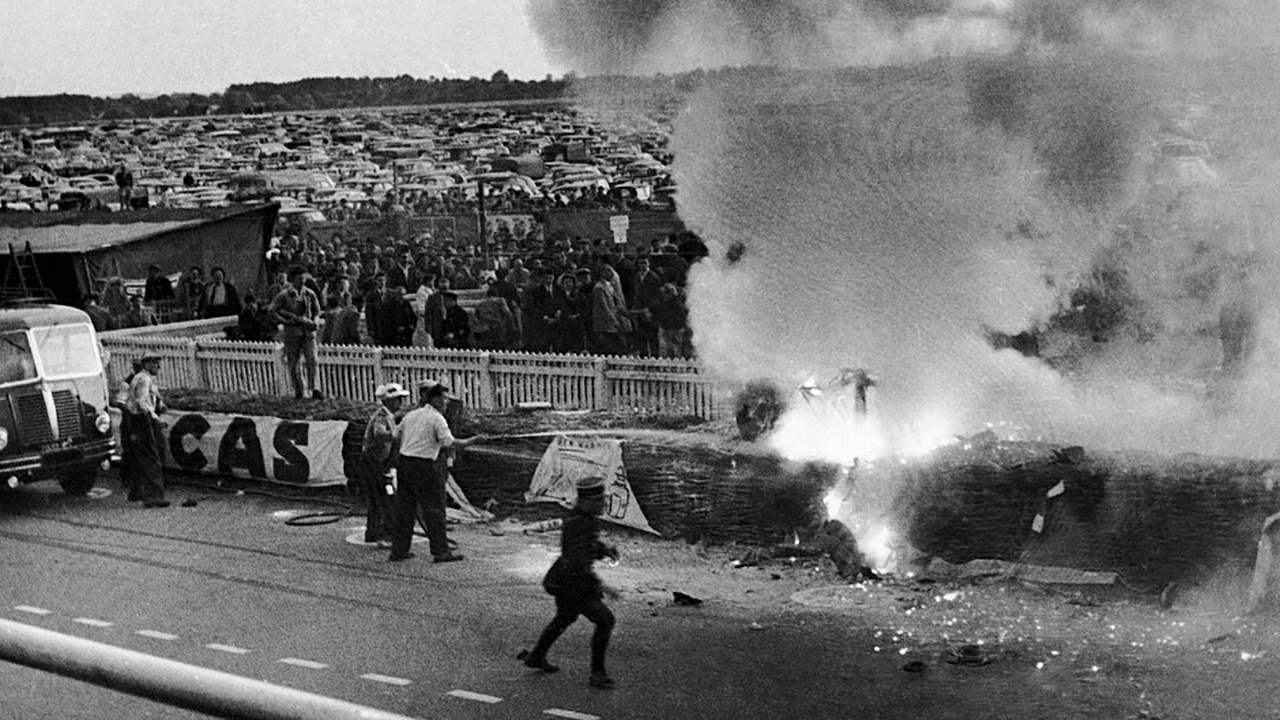
The 1955 Le Mans race is remembered for one of the most tragic accidents in motorsport history. A horrific crash involving Pierre Levegh’s Mercedes-Benz 300 SLR resulted in the deaths of over 80 spectators and the driver himself, casting a shadow over the event.
Despite the catastrophe, the race continued, a decision that sparked controversy and debate. The organizers faced criticism for prioritizing the race over the safety and well-being of those affected by the disaster.
This tragedy prompted significant changes in racing safety regulations and measures. The 1955 disaster served as a catalyst for improving safety standards, ensuring that such a calamity would not occur again. It remains a somber reminder of the risks inherent in motorsport and the importance of prioritizing safety.
Like Fast Lane Only’s content? Be sure to follow us.
Here’s more from us:
*Created with AI assistance and editor review.