Google Maps has recently rolled out an AI update that significantly enhances its navigational capabilities, making it more intuitive and responsive than ever before. These advancements are not just minor improvements; they may actually surpass the traditional functionalities of a human co-pilot in both everyday navigation and complex driving scenarios.
Understanding the AI Update
The latest update to Google Maps introduces several cutting-edge features that leverage artificial intelligence to improve user experience. Among the most notable enhancements are smarter routing algorithms, personalized recommendations, and advanced real-time traffic analysis. With machine learning at its core, the AI can analyze vast amounts of data—from historical traffic patterns to current road conditions—to deliver optimal routes tailored to individual users.
This update marks a significant leap from previous versions. For instance, older iterations of Google Maps primarily relied on basic GPS functionalities and real-time user device data. The AI update, however, processes real-time information, allowing for dynamic route adjustments. This transition to a more intelligent system signifies a paradigm shift in how we think about navigation technology.
Enhanced Navigation Capabilities
One of the standout features of the new Google Maps AI is its ability to provide real-time traffic updates and predictive routing. By leveraging AI analytics, the app can forecast traffic conditions and suggest alternative routes before users encounter delays. For example, if you’re driving in Los Angeles and a major freeway is suddenly congested due to an accident, Google Maps can reroute you to side streets that may be less affected, ensuring a smoother journey.
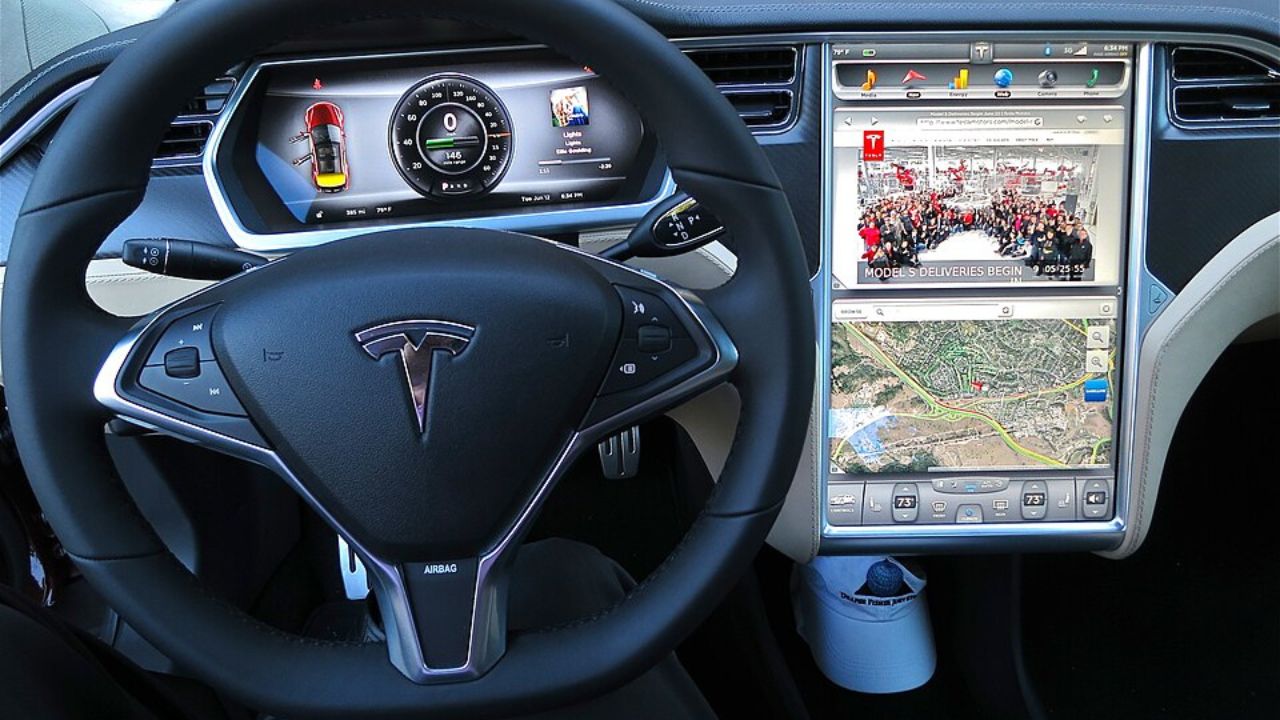
Furthermore, the AI optimizes routes not just for speed but also for fuel efficiency. In the case of electric vehicles like the Tesla Model 3, this can mean calculating routes that include charging station stops, thus enhancing the driving experience. The ability of Google Maps to adapt to changing conditions—such as road closures or accidents—more quickly than a human co-pilot is a game changer. Unlike a co-pilot, who may need to assess a situation before making a suggestion, Google Maps can instantly reroute based on a multitude of data points, making the user’s experience more seamless.
User Experience and Personalization
The AI update also enhances user experience through personalization. Google Maps now has the ability to learn user preferences over time, allowing it to provide tailored suggestions that align with individual driving habits. For instance, if you frequently visit certain restaurants or parks, Google Maps can prioritize those locations in future searches, making navigation not just more efficient but also more intuitive.
Moreover, the integration with other Google services, such as Google Assistant, further enhances the overall navigation experience. Imagine asking your Google Assistant for directions while on a road trip; the AI can suggest stops based on your previous visits or popular attractions along your route. Feedback mechanisms also allow users to rate the AI’s suggestions, continuously improving its performance and accuracy. This level of personalization is something a human co-pilot might struggle to maintain consistently over time.
Safety Features and Emergency Response
The AI update enhances safety through features like hazard detection and emergency alerts. For instance, if there’s a sudden hazard on the road, such as a fallen tree or debris, the AI can alert you in real-time, allowing you to take necessary precautions. This proactive approach to safety is crucial, especially for long-distance drivers or those navigating unfamiliar territories.
Additionally, the AI’s ability to provide real-time support during unexpected situations is noteworthy. If your vehicle malfunctions or you find yourself in an accident, Google Maps can quickly connect you to emergency services or suggest the nearest repair shop. This level of responsiveness often outpaces human co-pilots, who might take longer to assess the situation and provide assistance. The AI’s efficiency in emergencies can be a life-saver, potentially reducing response times and improving outcomes.
The Future of Navigation and Co-Piloting
As we look to the future, the advancements in AI navigation technology hint at a transformative shift in both the automotive industry and daily driving experiences. With ongoing developments in artificial intelligence and autonomous vehicles, we might soon see cars that not only navigate themselves but also communicate with surrounding infrastructure, optimizing travel in ways we haven’t yet imagined.
The implications for human co-pilots are significant. As navigation systems like Google Maps become increasingly capable, the role of a human co-pilot may evolve. Rather than merely providing directions, they might take on more of a supervisory role, focusing on strategic decision-making rather than routine navigation tasks. This shift could lead to a redefinition of what it means to drive, prioritizing safety and efficiency over traditional skills.
In summary, Google Maps’ new AI update may very well be smarter than a human co-pilot, showcasing how technology is reshaping the navigation landscape. As these advancements continue to unfold, the way we interact with our vehicles and navigate our world is bound to change dramatically.