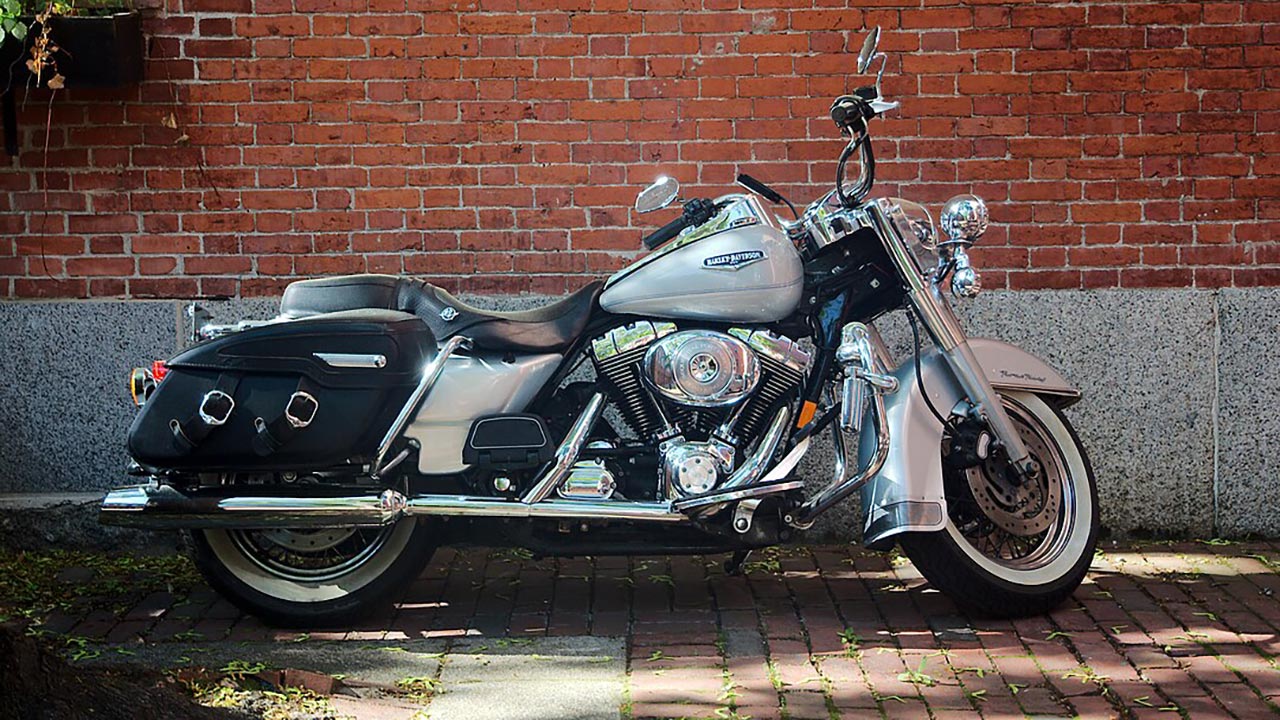
A used Harley-Davidson can carry a problem the seller never mentions, from an open Harley-Davidson recall to an engine flaw the factory fixed years later. Some of these bikes are fine once the repair is done, and a few eras earned a reputation that no single recall can fix.
Each of the nine below rests on a documented issue: a federal recall filing, a Harley service bulletin, a production halt or the period record. Before buying any of them, check the VIN against NHTSA’s recall lookup and ask for proof of the work.
1. 1999–2006 Harley-Davidson Twin Cam 88 models
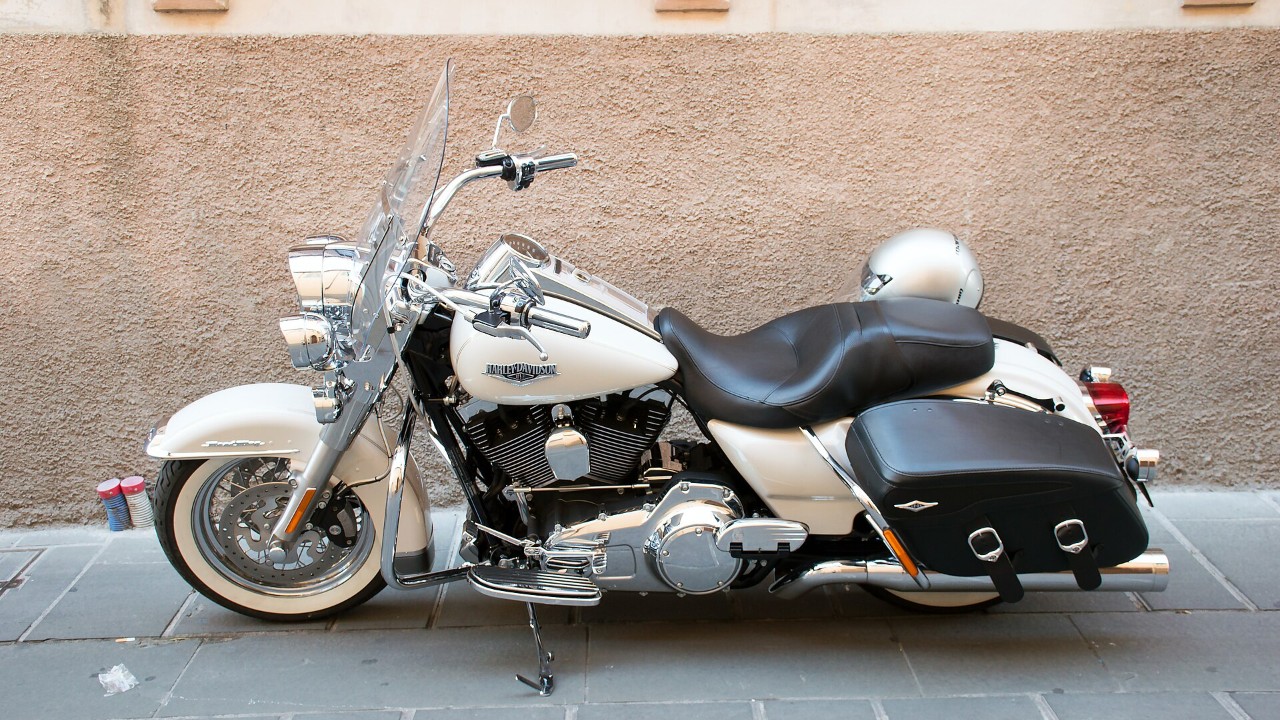
The 88-cubic-inch Twin Cam debuted on several 1999 models, and its first years caused trouble. The weak part was small. Harley used plastic shoes on the cam chain tensioners, and they could wear out early under normal heat and friction.
The consequences were large, though. According to the S&S Cycle buyer’s guide, worn tensioners could send plastic shavings into the oil pump, which could lead to “catastrophic engine failure” with no warning. As a result, S&S tells buyers to research the maintenance history of any 1999–2006 Twin Cam 88. It also lists oil leaks, false neutrals and stator failure among the model’s other issues.
2. 2008–2011 Harley-Davidson Road Glide with ABS
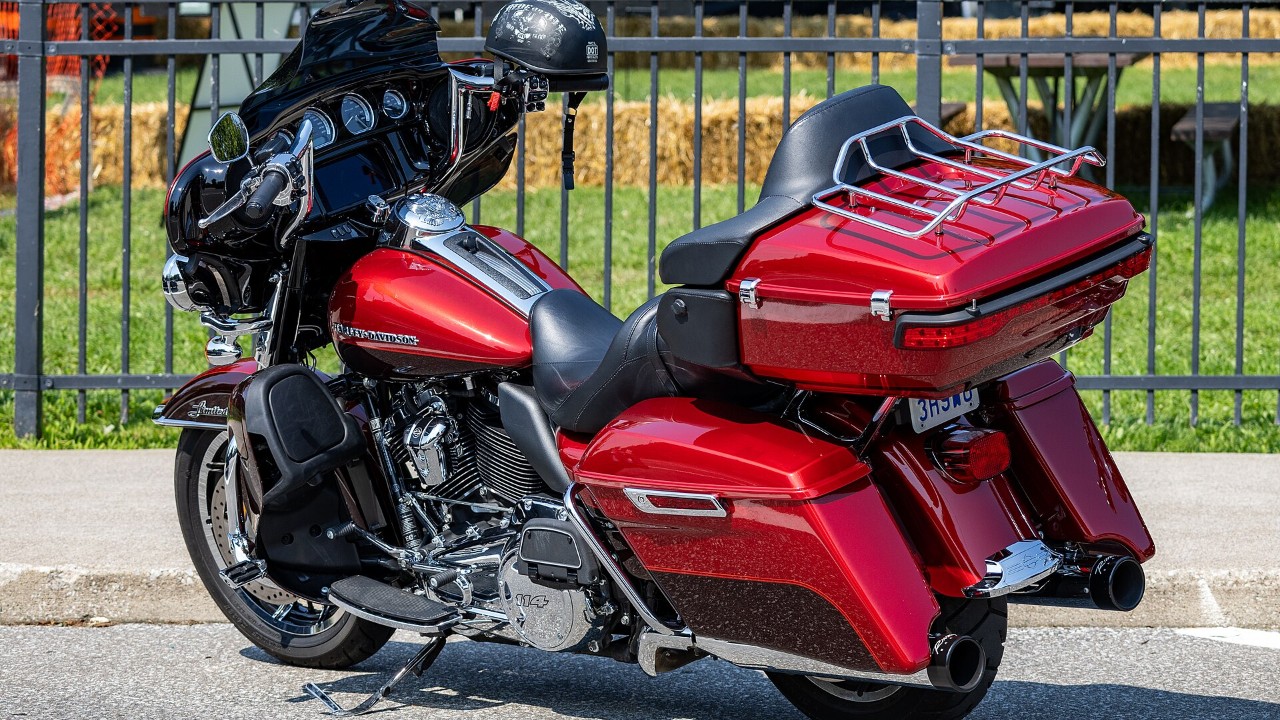
Harley’s ABS touring bikes from 2008 to 2011 had a brake problem that started with skipped maintenance. If owners left the DOT 4 brake fluid in past the two-year change interval, deposits could form inside the system. Those deposits could make a valve in the ABS hydraulic control unit stick, which reduces braking.
The fix came as a 2018 Harley-Davidson recall, NHTSA campaign 18V076000. Consumer Reports lists the 2008–2009 Road Glide and the 2010–2011 Road Glide Custom among the covered models, along with Road Kings, Electra Glides, V-Rods and CVO bikes. Dealers flush the whole brake system with fresh fluid at no cost, and the campaign began on February 12, 2018.
3. 2014 Harley-Davidson Street Glide clutch recall
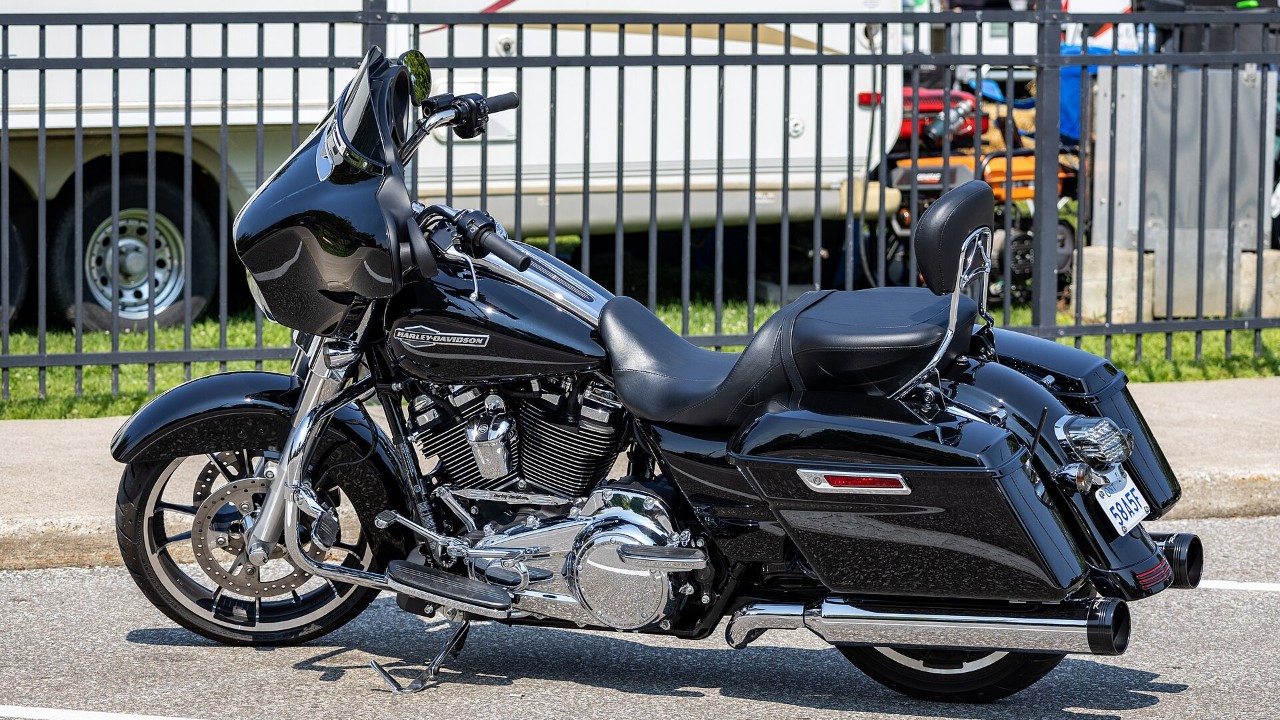
The 2014 touring line used a hydraulic clutch, and it went wrong on a big scale. Harley recalled 126,978 2014 Touring, CVO Touring and CVO Softail motorcycles and Trikes, and the Street Glide is on that list. The hydraulic clutch system could develop a tear.
That tear could leave the bike “potentially pushing the bike forward while stopped, causing a low-speed tip over,” a 2014 recall report said. Harley cited 19 separate crashes by customers and during testing. However, the report notes no injuries, and Harley rebuilt the clutches free of charge.
4. 2015 Harley-Davidson Street 750

Early Street 750 cruisers had a fuel delivery flaw. NHTSA campaign 15V474000 covers 10,580 model-year 2015 Street 500 and Street 750 bikes. The Street 750 units in it came off the line between May 12, 2014, and June 24, 2015.
A poor seal at the fuel pump inlet could interrupt fuel flow. Then power could stop briefly and return suddenly, which the filing says “can lead to loss of control,” according to Autoblog. Under that Harley-Davidson recall, dealers replace the fuel pump assembly at no charge. Separately, that same report covered a smaller recall of 1,384 Street models for leaking fuel tanks.
5. 2019 Harley-Davidson LiveWire
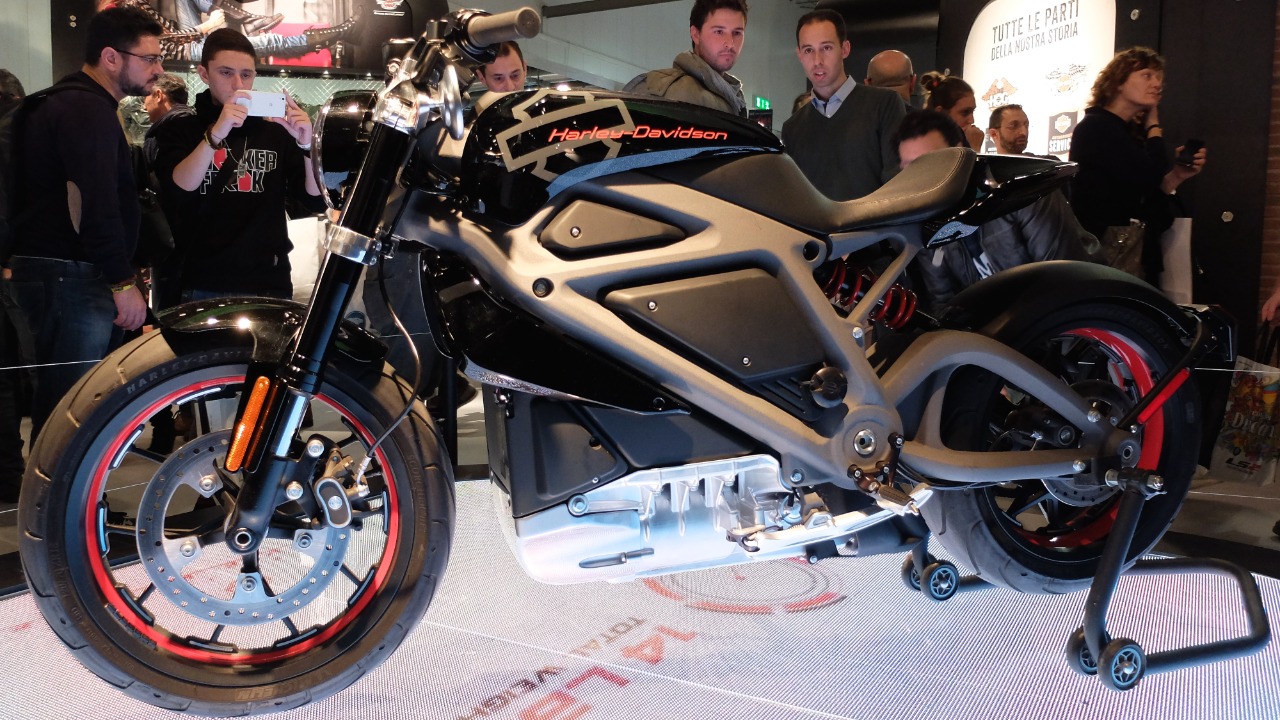
Harley’s electric LiveWire went into production in 2019, and dealer deliveries had begun only weeks before the company stopped. In October 2019, Harley halted production and deliveries after it “discovered a non-standard condition during a final quality check.” The problem involved charging.
To be fair, Harley told owners they could keep riding, and it did not recall bikes already on the road, Carscoops reported. Instead, it asked owners to charge at dealer stations rather than home outlets. Those stations take about an hour, compared with up to 10 hours on a standard outlet. So a buyer of an early bike should ask a dealer what work it has had.
6. 1970–1981 AMF-era Harley-Davidson Shovelhead
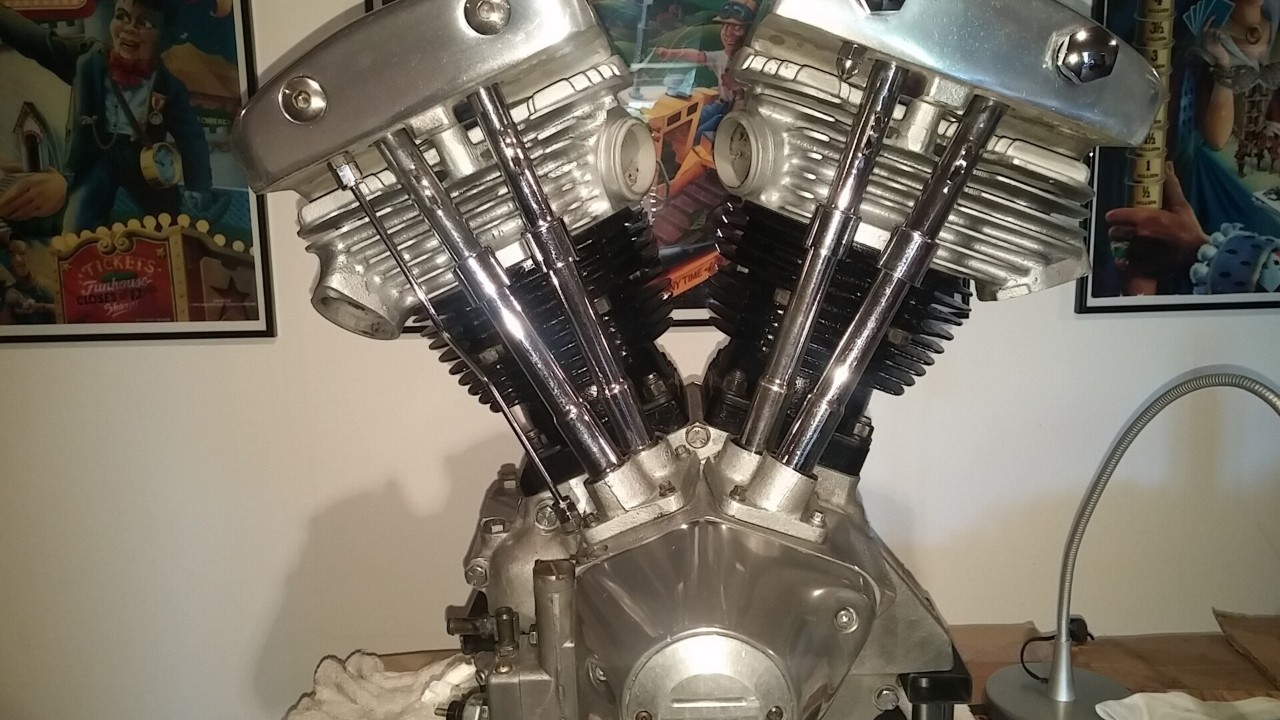
American Machine and Foundry took control of Harley-Davidson in 1969, and the years that followed brought the quality complaints that dog the era. According to SlashGear, bikes left the line with missing parts, and dealers had to repair new machines before selling them. The engines vibrated and leaked oil and transmission fluid, while AMF cut the workforce and doubled output.
SlashGear also quotes a 1988 New York Times interview with Vaughn L. Beals, who said, “Finally, we realized the problem was us, not them.” The same report cites biker complaints of Shovelhead overheating, with only 10 cooling fins per cylinder, and of oil settling in the crankcase.
7. 1980–1985 Harley-Davidson Sportster 1000 Ironhead
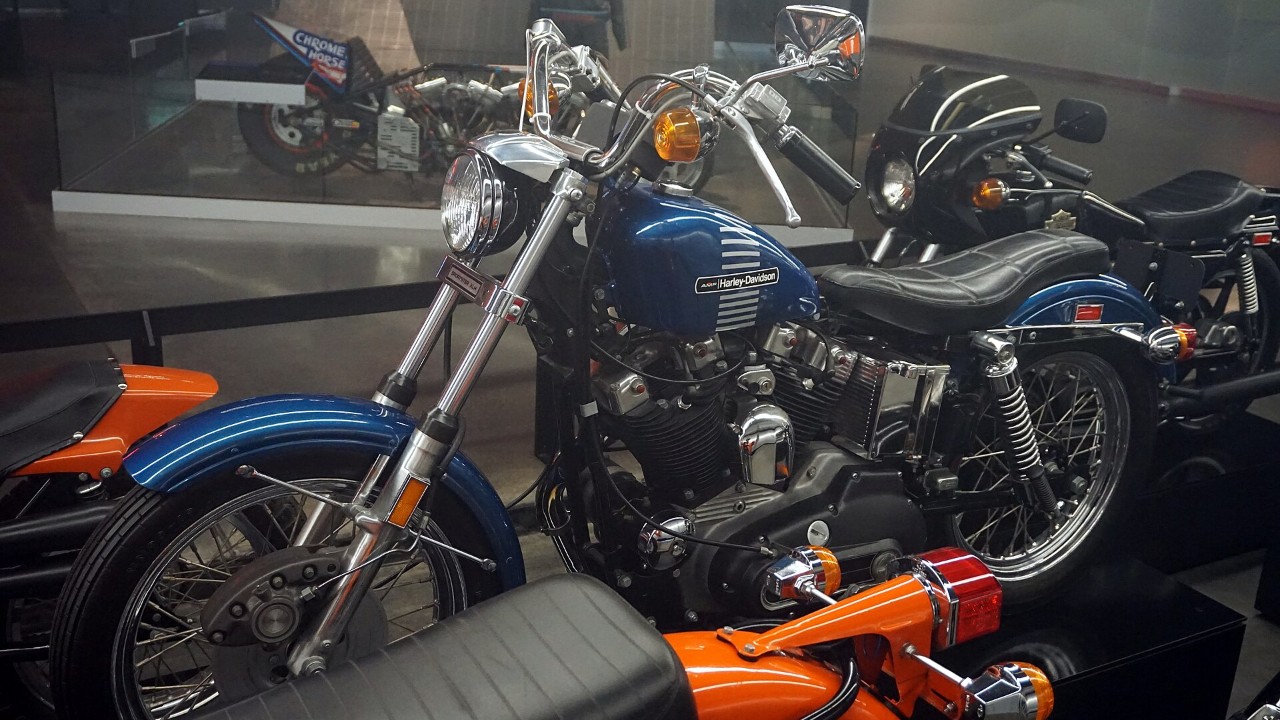
The last AMF-era Sportsters used the 997cc Ironhead engine. Despite that displacement, the 1980 and 1981 versions made only 55 horsepower, according to SlashGear.
Power was not the only issue. Harley bolted the engine solidly to the frame, so riders got excessive vibration, and the bikes also had electrical problems. SlashGear adds that earlier models, especially the 1979 bikes, had already built a reputation for oil leaks.
8. 2017–2019 Harley-Davidson Touring models with the Milwaukee-Eight
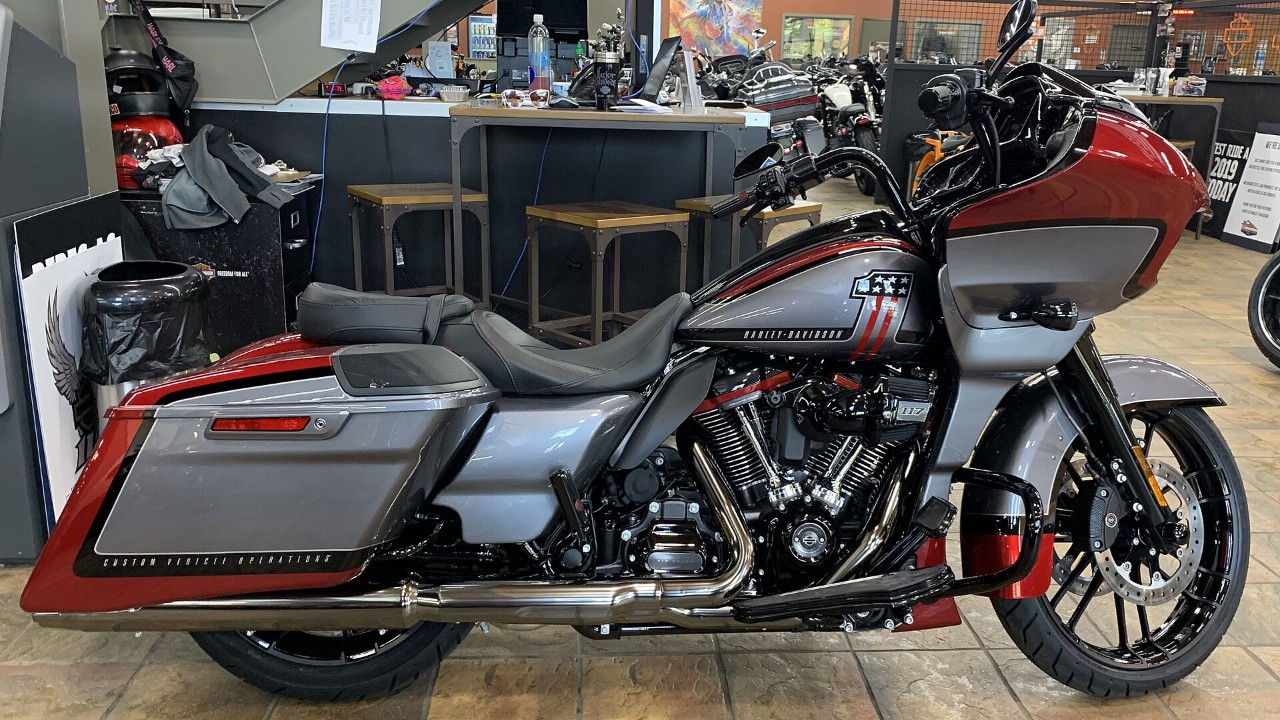
The Milwaukee-Eight engine had a lubrication problem that Harley addressed with a service bulletin rather than a recall. Bulletin M1450, dated August 20, 2019, covers 2017–2019 Touring, CVO, Trike and Touring Police models plus 2018–2019 Softails. During long stretches at high rpm or heavy load, these engines can suffer “sumping,” when oil collects in the crankcase.
Riders feel it as a loss of power or heavy engine braking. In the bulletin filed with NHTSA, dealers drain oil from the crank position sensor hole. If more than 6 fluid ounces come out, the problem is likely sumping. The remedy is a new oil pump and pump cover, so ask for the paperwork.
9. 2021 Harley-Davidson Pan America 1250
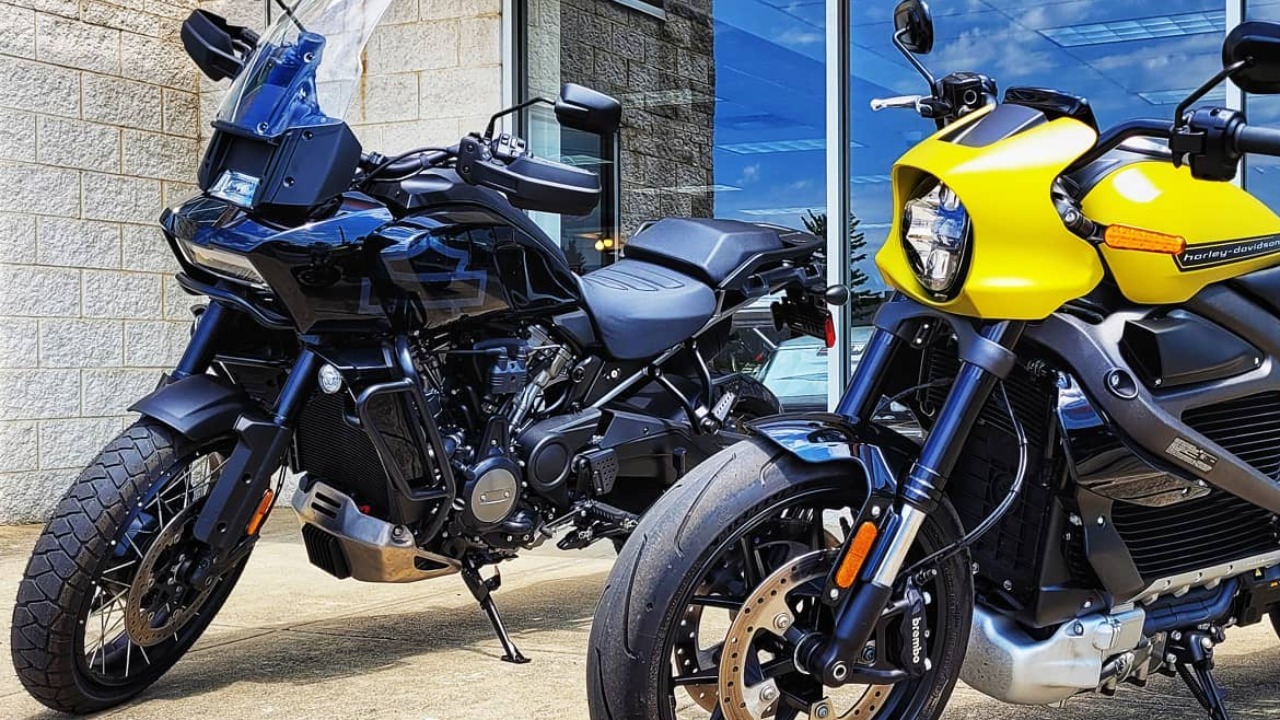
The Pan America collected two recalls within months. NHTSA campaign 21V-924 covers 2,689 bikes built between March 8 and October 13, 2021. Their seat bases could lose threaded insert retention, most often when riders used the grab rail to lift the bike onto its center stand, RideApart reported.
Then, in February 2022, Harley recalled 3,917 Pan America 1250 and Sportster S bikes for software. Below 32 degrees Fahrenheit, the TFT cluster might not show the speedometer and neutral light at startup, according to webBikeWorld. Dealers replace the seat bases and update the software free of charge.
More from Fast Lane Only