

Harley-Davidson launched the Electra Glide in 1965, and it was the company’s first Big Twin with an electric starter. Since then the name has carried five engine families, from the Panhead to the Milwaukee-Eight. That’s a long run, and not every year aged well.
These nine are our picks of the big Harley tourers we’d steer clear of, and the verdict is our own opinion. Some are fine bikes for a collector. However, each one asks more of an owner than its price suggests.
1. 1966 Harley-Davidson FLH Electra Glide

The 1966 bike was the first FLH with the Shovelhead engine, which replaced the Panhead and added about 10% more power. First years come with first-year problems, though. Over its life, the Shovelhead earned a reputation for oil leaks, overheating and heavy oil use, with some owners losing about a quart every 500 miles.
This one sits in the Top Mountain Motorcycle Museum in Hochgurgl, which is where we’d leave it. If the engine names confuse you, our guide to Harley-Davidson engine nicknames explains where “Shovelhead” came from.
2. 1968 Harley-Davidson FLHFB Electra Glide
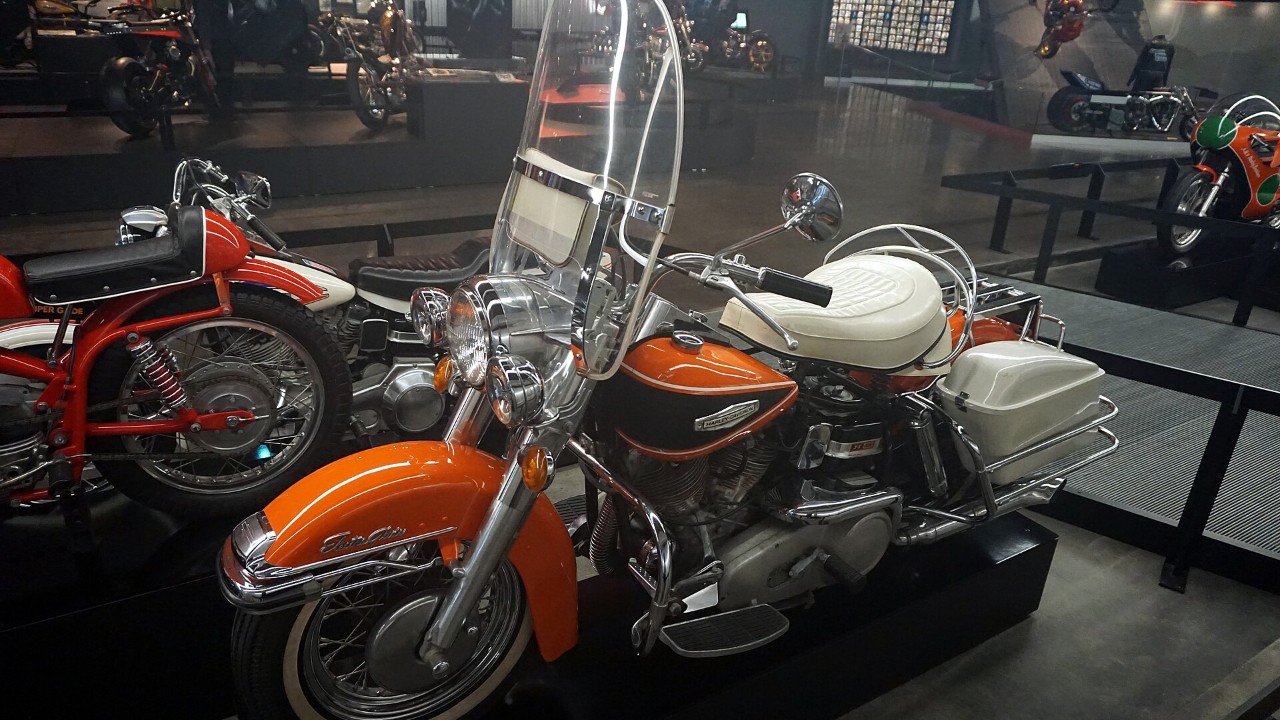
Our reason here is simple: stopping. Harley didn’t offer a front hydraulic disc brake on its touring bikes until 1972, so a 1968 dresser hauls its bulk down with drums. That’s charming on a museum floor, and this one lives in the Harley-Davidson Museum in Milwaukee. On a busy highway, we’d want more brake. Add the early Shovelhead’s thirst for oil, and this is a bike to admire rather than ride daily.
3. 1972 Harley-Davidson Electra Glide Police

By 1972, Harley belonged to American Machine and Foundry, which bought the company in 1969. AMF streamlined production and cut the workforce, and the cost-cutting led to a strike and lower-quality bikes. On the plus side, 1972 brought the front hydraulic disc brake. Even so, we’d pass on an AMF-era police bike, because we’d assume a service machine worked hard for a living. Unless the records are complete, it’s a gamble.
4. 1973 Harley-Davidson FLH Electra Glide 1200

The 1973 bike finally got a rear disc to match the front, so braking isn’t the worry. Instead, timing is. After the 1973 oil crisis, fuel quality dropped, and Shovelheads suffered engine knock, blown gaskets and damaged head bolts. Later, in 1976, AMF pushed production up despite the engine’s problems, which hurt build quality further. In our view, a 1970s FLH needs a sorted engine and an owner who enjoys wrenching.
5. 2006 Harley-Davidson Electra Glide Ultra

A 2006 Ultra is one of the last touring Harleys with the Twin Cam 88, which Harley dropped after that year. For 2007, the touring line moved to the Twin Cam 96 and a new six-speed Cruise Drive gearbox. Meanwhile, the Twin Cam’s chain-driven cams relied on tensioners that wear. That’s why many owners fitted gear-driven cam drives instead. We’d rather spend the money on a 2007 or later bike.
6. 2007 Harley-Davidson Screamin’ Eagle Electra Glide

Screamin’ Eagle was Harley’s factory-custom badge before the line became CVO, and those bikes used the bigger Twin Cam 110. That sounds tempting. However, a factory custom carries its own paint, trim and a bigger engine than a standard bike. As a result, we’d worry about replacing any of them after a tip-over. For our money, a standard bike with a good engine is the easier keeper.
7. Harley-Davidson FLHTK Electra Glide Ultra Limited

Harley introduced the Ultra Limited in 2010, and it was the first bike to get the Twin Cam 103. It also rode on the touring frame Harley redesigned for 2009. In short, it was the most loaded touring Harley of its day. Our issue is just that: more equipment means more to fix as the miles pile up. If you want a simple tourer, this isn’t it.
8. Any Harley-Davidson Electra Glide without service records

This is our catch-all, and it covers every generation. The family has used Panhead, Shovelhead, Evolution, Twin Cam and Milwaukee-Eight engines, and each one has its own needs. A Shovelhead can drink oil, for example, and a Twin Cam’s cam tensioners wear with time. Without receipts, you’re guessing which problems the last owner fixed. In our view, a cheap dresser with no history often turns into the most expensive one.
9. Harley-Davidson FLHT Electra Glide
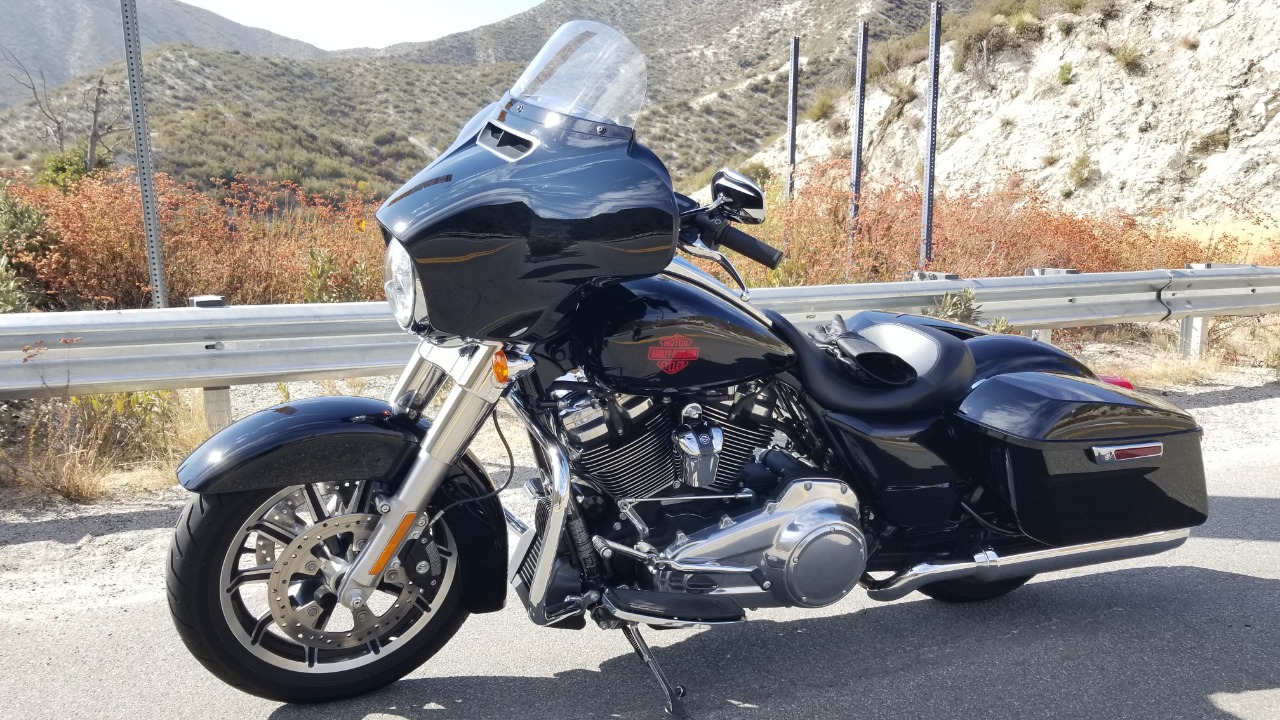
The FLHT code goes back to 1983, when Harley set its big tourer on the FLT frame with the batwing fairing. Later, the FLHT became the Electra Glide Standard. The 2007 version, for example, came with the Twin Cam 96, a six-speed, nylon saddlebags and triple disc brakes, and Harley pitched it as a clean canvas for customizing. That’s our hesitation. On a used one, you inherit the last owner’s taste, and undoing it costs money.
More from Fast Lane Only


