The second-generation Camaro arrived in the 1970s just as aerodynamics shifted from racing jargon to showroom selling point, and its sheet metal became a test bed for how airflow could reshape a muscle car’s identity. Subtle changes to noses, spoilers, and bumpers did more than trim drag, they signaled a move from raw, upright aggression to a sleeker, more modern performance image that still defines how enthusiasts picture the Camaro today.
By tracing those exterior tweaks across the decade, it becomes clear that the Camaro’s look did not simply follow fashion, it evolved in response to wind, regulation, and track experience, with each revision nudging the car from brute-force pony car toward a more disciplined, aero-aware machine.
From first-gen boxiness to a sleeker 1970 profile
The leap from the first-generation Camaro to the 1970 redesign marked the moment when airflow started to sculpt the car’s personality. The earlier cars leaned on upright grilles and relatively flat body sides that read as classic pony car, but they also pushed a lot of air. The 1970 model introduced a longer nose, a more tapered front end, and a lower, wider stance that visually cut through the wind instead of punching it. Period analysis of the early second-gen cars notes how the new body smoothed the transition from hood to windshield and roof, a basic but important step toward reducing turbulence compared with the more squared-off first generation, as detailed in coverage of the 1970–1973 evolution.
That sleeker profile did more than help at high speed, it reframed what a Camaro looked like in the public imagination. The longer hood and fastback-style roofline gave the car a European flavor that contrasted sharply with the upright lines of many domestic rivals, and it set the stage for later aerodynamic add-ons to feel integrated rather than tacked on. When enthusiasts debate whether the 1970 Camaro Z28 is the greatest of its line, they often point to how its proportions and airflow-friendly shape made it feel more like a road-racing weapon than a straight-line bruiser, a perception reinforced by deep dives into the 1970 Camaro Z28 that highlight how its design still resonates with track-focused fans.
Spoilers, bumpers, and the rear-end wake
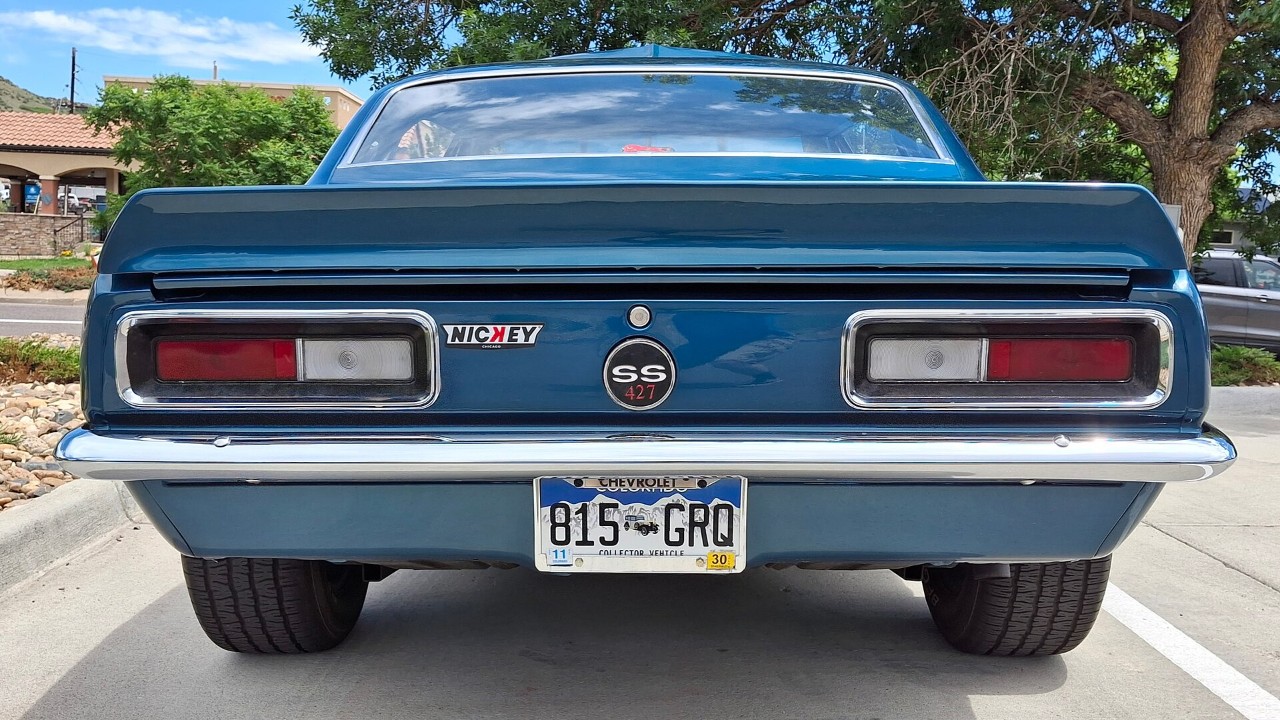
If the basic body set the tone, the details at the back of the car showed how seriously Chevrolet was starting to think about the air that followed the Camaro. Early second-gen models experimented with rear spoilers that were more than styling flourishes, they were attempts to manage lift and stability at speed. Reporting on the 1970 to 1973 cars points out that one of the last noticeable features is at the very back, where the spoiler and bumper evolved together, with later versions integrating the spoiler more cleanly into the decklid and refining the bumper shape so the airflow separated more predictably off the tail, as seen in analysis of the rear spoiler and bumper.
Those changes mattered for how the Camaro felt on the road and how it was perceived in showrooms. A well-shaped rear spoiler could help plant the car at highway speeds and on road courses, but it also visually lowered and widened the tail, making the car look more purposeful even when parked. The move from chunkier, chrome-heavy bumpers to tighter, body-hugging pieces reduced visual bulk and hinted at better aero, a connection that modern builders still lean on when they update early second-gen cars. Contemporary restomod projects that rework the rear of a 1971 Camaro, such as Matt Everett’s “Lethal Camaro” build, often refine the spoiler and bumper relationship even further, blending classic lines with smoother transitions that echo the intent of the original tweaks while pushing the airflow management closer to modern standards, a philosophy Everett showcases in his 1971 Camaro Resto Mod.
Track lessons and the Z28’s aero attitude

Racing pressure in the early 1970s turned the Camaro from a stylish coupe into a rolling experiment in how much aero you could bake into a street car without scaring off buyers. The Z28 package in particular became a showcase for spoilers, front air dams, and carefully chosen ride heights that balanced cooling needs with drag and lift concerns. Enthusiast breakdowns of the 1970 Camaro Z28 emphasize how its front-end treatment, including a lower valance and grille opening tuned for both airflow and engine breathing, helped the car feel more stable at speed and more precise in turn-in, traits that fed directly into its reputation as a road-race oriented muscle car, as explored in coverage of the Camaro Z28.
Those track-bred tweaks also reshaped the Camaro’s image in the broader market. Instead of being seen purely as a straight-line drag machine, the Z28 and its aero add-ons signaled a car that took corners seriously, a message reinforced by the way its spoilers and stance echoed the look of contemporary Trans-Am racers. That connection between visual cues and performance expectations still drives how fans talk about the car today. When builders like Matt Everett revisit a 1971 Camaro as a modernized track-capable street car, they often retain or reinterpret those Z28-style aero pieces, using deeper front splitters, revised rear spoilers, and smoothed bodywork to update the original intent. Everett’s “Lethal Camaro” Resto Mod, for example, layers contemporary suspension and power over a body that still reads instantly as early second-gen, yet its refined aero details show how the 1970s template can be sharpened for today’s performance standards, a balance he highlights in his Camaro Resto Mod walkaround.
How later generations proved the aero instincts right
The aerodynamic instincts that started shaping the Camaro in the 1970s did not stop with chrome bumpers and ducktail spoilers, they laid the groundwork for the radically smoother cars that followed. By the time the fourth generation arrived, the Camaro had become a low-slung, wind-cheating coupe that leaned heavily on rounded noses, flush glass, and integrated spoilers to cut drag. That focus on performance, however, came with trade-offs. Reporting on the 4th-Gen Camaro notes that it had become too much of a pony car and not enough of a daily driver, especially compared with its archrival Mustang, a critique that underscores how far the design had tilted toward aero efficiency and high-speed stability at the expense of everyday practicality, as detailed in analysis of the Gen Camaro.
That same arc is even clearer when looking at the Camaro Iroc-Z, which arrived later with a drag coefficient of just 0.27, a figure that would be impressive for a modern sports coupe, let alone a 1980s muscle car. The Iroc-Z’s slippery shape, with its integrated ground effects, laid-back windshield, and carefully managed underbody airflow, can be seen as the logical extension of the 1970s experiments with spoilers and smoother bodywork. The fact that a Camaro could reach a drag coefficient of 0.27 shows how deeply the brand had embraced aero thinking, and it validates the direction set by the second-generation cars that first tried to reconcile muscle car attitude with cleaner airflow, a connection highlighted in technical breakdowns of the Camaro Iroc-Z.
The 1970s legacy in today’s Camaro culture
The aerodynamic tweaks of the 1970s did more than influence factory design, they created a visual language that modern Camaro culture still speaks fluently. When builders and restorers approach an early second-gen car today, they rarely strip away the spoilers or revert to boxier bumpers. Instead, they refine those elements, shaving seams, tightening panel gaps, and sometimes extending lips and wings to improve both looks and airflow. Matt Everett’s “Lethal Camaro” project is a clear example, a 1971 Camaro Resto Mod that keeps the core silhouette of the era but updates the aero details so the car can handle modern power and track use, a philosophy he outlines in his Lethal Camaro presentation.
That continuity shows how the 1970s reshaped the Camaro’s identity from a simple pony car into a platform where aerodynamics and style are inseparable. The long hood, fastback roof, and purposeful spoilers that first appeared in that decade still define what many enthusiasts picture when they hear the name Camaro, even as later generations pushed drag coefficients down to 0.27 and beyond. Looking back, the decade’s incremental tweaks to noses, bumpers, and tails were not just cosmetic updates, they were the first steps in a long-running conversation between wind tunnel logic and street presence that continues to guide how the Camaro is designed, modified, and celebrated today, a story that threads from early second-gen evolution through the Z28, the Iroc-Z, and into every modern restomod that treats airflow as part of the car’s character rather than an afterthought.
More from Fast Lane Only: