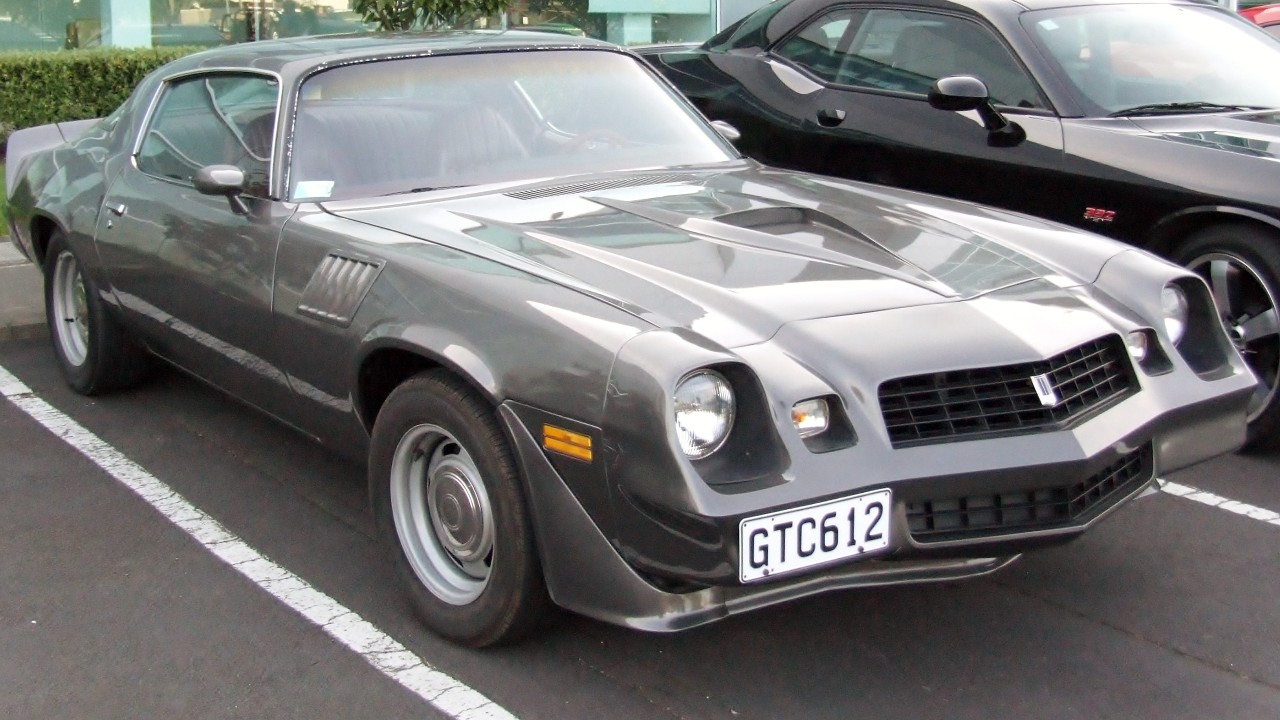
The 1978 Camaro arrived at a moment when performance was supposed to be over, yet it managed to turn tightening regulations and shifting tastes into an advantage. Rather than chasing raw horsepower numbers from the muscle era, Chevy used the late 1970s to refine its pony car into a sharper, more livable machine that still felt quick and desirable.
By the time that model year hit showrooms, the Camaro had become one of the most balanced performance cars of its time, pairing style and handling with the kind of comfort buyers increasingly expected. That mix of attitude and usability is what, in my view, allowed the 1978 car to define how late‑1970s performance really looked and felt.
From muscle bruiser to sophisticated street car
The Camaro that enthusiasts remember from the late 1960s was a raw, relatively simple muscle coupe, but by the mid to late 1970s Chevy had steered it toward a more sophisticated role. Instead of trying to recreate the big‑block excess of the previous decade, the company leaned into a blend of comfort, style, and everyday drivability that still delivered a satisfying punch when the road opened up. Reporting on the 1973 to 1978 Camaro Type LT notes that Chevy’s read on its customers was accurate, with sales hitting record levels for several years as buyers embraced a car that felt more grown up without losing its edge, a shift that set the stage for the 1978 model’s identity as a refined performance coupe supported by strong sales momentum.
That evolution mattered because the broader market was moving away from stripped‑out hot rods and toward cars that could handle commuting, long trips, and rising fuel costs without feeling like a compromise. The Type LT trim, which ran through the 1973 to 1978 span, embodied this pivot with more upscale appointments and a driving experience that felt closer to a personal luxury coupe while still rooted in the Camaro’s sporty chassis. The fact that this formula allowed the car to easily outpace the compact Mustang II in the sales race shows how effectively Chevy redefined performance for the era, prioritizing a complete package over single‑minded straight‑line speed and paving the way for the 1978 car’s reputation as a well‑rounded performer backed by that earlier customer insight.
How Chevy read the late‑’70s buyer perfectly
Performance in the late 1970s was as much about image and feel as it was about raw numbers, and Chevy understood that its customers wanted a car that looked fast, felt special, and still worked as a daily driver. The company’s strategy with the second‑generation Camaro, especially in the years leading up to 1978, was to deliver a car that could cruise comfortably yet still satisfy drivers who cared about handling and acceleration. Evidence from period coverage of the 1973 to 1978 Camaro Type LT underscores that Chevy’s foresight into what its buyers wanted was “right on the money,” with the car posting record sales and sitting near the top of its segment, a sign that the brand had correctly gauged the balance between comfort and performance that late‑decade shoppers demanded, as reflected in those strong sales results.
That same reporting highlights how decisively the Camaro outperformed the Mustang II in the marketplace, which is crucial context for understanding why the 1978 car became such a touchstone. While Ford downsized and softened its pony car into a compact that struggled to project real performance credibility, Chevy kept the Camaro’s proportions and stance aggressive, then layered in the comfort and refinement buyers were starting to expect. The result was a coupe that could sit in the front row of American performance while still appealing to drivers who needed a practical, stylish car, a positioning that the 1978 model inherited and refined as the late‑’70s benchmark for this more nuanced idea of speed, supported by the Camaro’s ability to “easily trounce” its compact rival in the showroom.
Why the 1978 Camaro still feels so right to drive
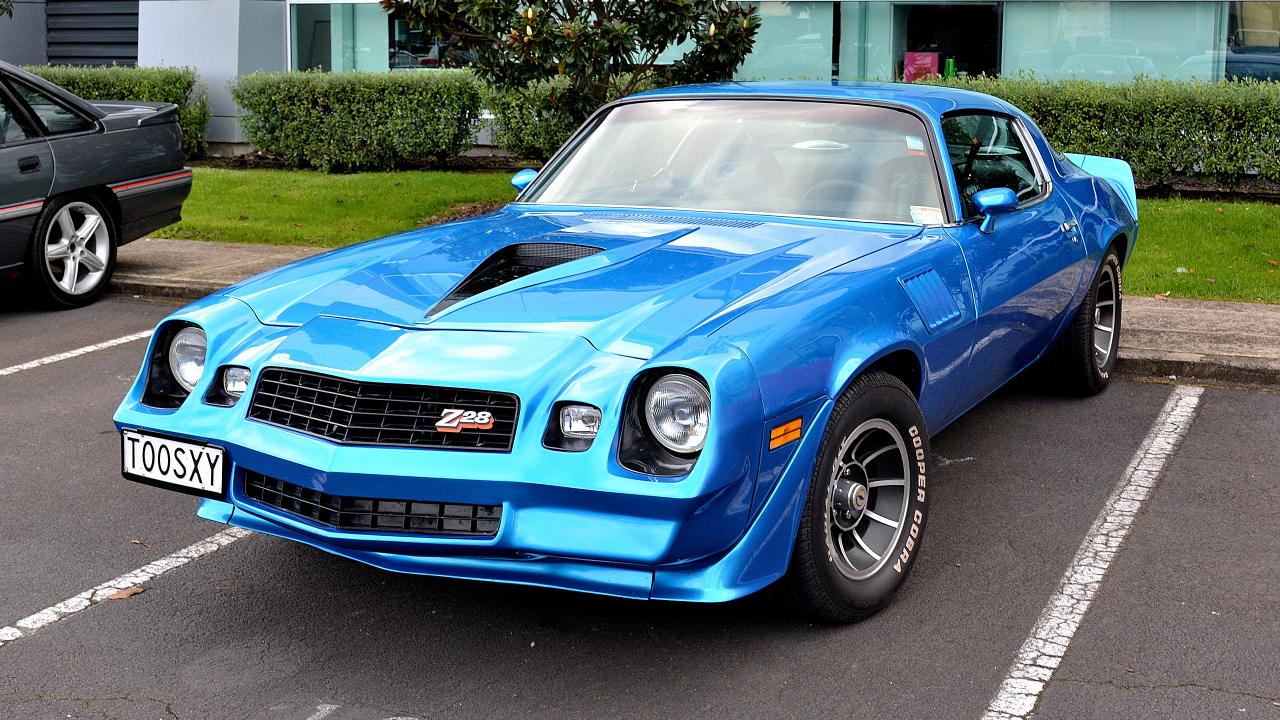
What ultimately cements the 1978 Camaro’s status in the performance conversation is how well it still works as a driver’s car. Contemporary descriptions of well‑preserved examples emphasize that it is “meant to be driven and enjoyed,” a phrase that captures how the chassis, steering, and powertrain come together in a way that encourages real use rather than museum storage. One detailed look at a 1978 Camaro notes that the car blends originality with tasteful enhancements, presenting a machine that feels authentic to its era yet capable of standing up to modern traffic, a balance that reinforces its reputation as one of the best‑sorted pony cars of its time, as seen in the way that particular example is described.
That same account underscores how the 1978 Camaro’s appeal lies in its usability, not just its looks or nostalgia value. The car is portrayed as a rare treat precisely because it maintains its original character while incorporating upgrades that make it more enjoyable on the road, a combination that mirrors what late‑1970s buyers were seeking when new. In other words, the qualities that made the 1978 model a standout in its own time, from its comfortable cabin to its responsive driving dynamics, are the same traits that make it so satisfying to drive today, a continuity that helps explain why enthusiasts still regard this year as a high point in the Camaro’s evolution, supported by the way that specific 1978 car is celebrated.
The late‑’70s sweet spot of originality and upgrade potential
Part of what defines the 1978 Camaro’s legacy is how naturally it lends itself to subtle improvement without losing its period charm. Enthusiast coverage of surviving cars often highlights builds that retain factory styling cues and core mechanical layout while incorporating better suspension components, refreshed interiors, or mild engine work. In the case of one documented 1978 Camaro, the car is praised for blending originality with upgrades in a way that feels cohesive rather than overdone, a reminder that the underlying platform was strong enough that modest enhancements could unlock more capability while preserving the late‑’70s character that makes it special, as seen in that carefully updated example.
That balance between authenticity and tunability is central to why I see the 1978 model year as a defining point for late‑decade performance. The car arrived with a look and feel that were unmistakably of their time, yet the chassis and layout left room for owners to personalize without erasing what made it a Camaro. When a car can be lightly modernized and still be recognized instantly as a product of its era, it speaks to a design that captured the essence of its moment while remaining flexible, a quality that continues to draw enthusiasts toward 1978 cars that, like the one described as a “rare treat,” manage to be both historically correct and genuinely enjoyable to drive thanks to thoughtful enhancements.
How the 1978 Camaro reset expectations for American performance
Looking back, the 1978 Camaro did not win its reputation by posting outrageous power figures or dominating racetracks, but by proving that an American performance car could be aspirational and practical at the same time. Chevy’s decision earlier in the decade to steer the Camaro toward a more refined, Monte Carlo‑influenced direction, especially in trims like the Type LT, laid the groundwork for a car that could thrive in an era of fuel concerns and insurance pressures without surrendering its sporty identity. The fact that this strategy produced record sales and allowed the Camaro to sit comfortably ahead of the Mustang II shows that the market was ready for a new definition of performance, one that the 1978 model embodied as a stylish, capable coupe rooted in the lessons of the 1973 to 1978 Type LT era.
At the same time, the way enthusiasts and dealers describe surviving 1978 cars today, as machines meant to be driven and enjoyed rather than parked and polished, underlines how successfully that formula has aged. A well‑kept 1978 Camaro that mixes original components with tasteful upgrades captures the same spirit that made the car a hit when new, offering a driving experience that feels special without being fragile or temperamental. In that sense, the 1978 model did more than survive a difficult decade for performance, it set a template for what American sporty cars would need to be in the years ahead, a template still visible in the way modern owners celebrate the blend of usability, style, and character that defined the late‑’70s Camaro.
More from Fast Lane Only: