The 1978 Camaro marked the moment Chevrolet’s pony car finally settled into the shape most enthusiasts still picture today, trading its early 1970s curves for a sharper, more modern face. After nearly a decade on the same basic platform, the car’s second major refresh did more than tidy up details, it locked in a visual identity that would carry the model through the end of the second generation and into pop‑culture memory.
By tightening the bodywork, revising the bumpers, and rethinking the trim hierarchy, Chevrolet turned a familiar silhouette into something that looked new without being unrecognizable. I see that pivot year as the point when the Camaro stopped chasing its original muscle‑era rivals and instead leaned into a sleeker, late‑1970s performance persona that still defines how the car is remembered.
The long road to a “new” second generation
When the Camaro entered the late 1970s, it was carrying a body introduced for 1970 that had already been tweaked once yet was starting to feel dated. The company responded with a second major update for 1978 that, according to a detailed retrospective, was explicitly framed as a way to lend “new life” to a rapidly aging design. Rather than invest in an all‑new platform, Chevrolet chose to restyle the existing car, a strategy that would prove unusually effective at reshaping public perception without changing the underlying bones.
The 1978 update arrived at a time when performance cars were under pressure from emissions rules and shifting buyer tastes, so styling had to carry more of the load. The same retrospective notes that the 1978 Chevy Camaro was “refreshed for the second time,” underscoring how much was riding on this mid‑cycle rethink. I read that as Chevrolet acknowledging that the car’s appeal now depended as much on how it looked in the driveway as how it ran at the drag strip, setting the stage for a redesign that would prioritize visual drama and perceived sophistication.
The styling shift that defined the late‑’70s Camaro
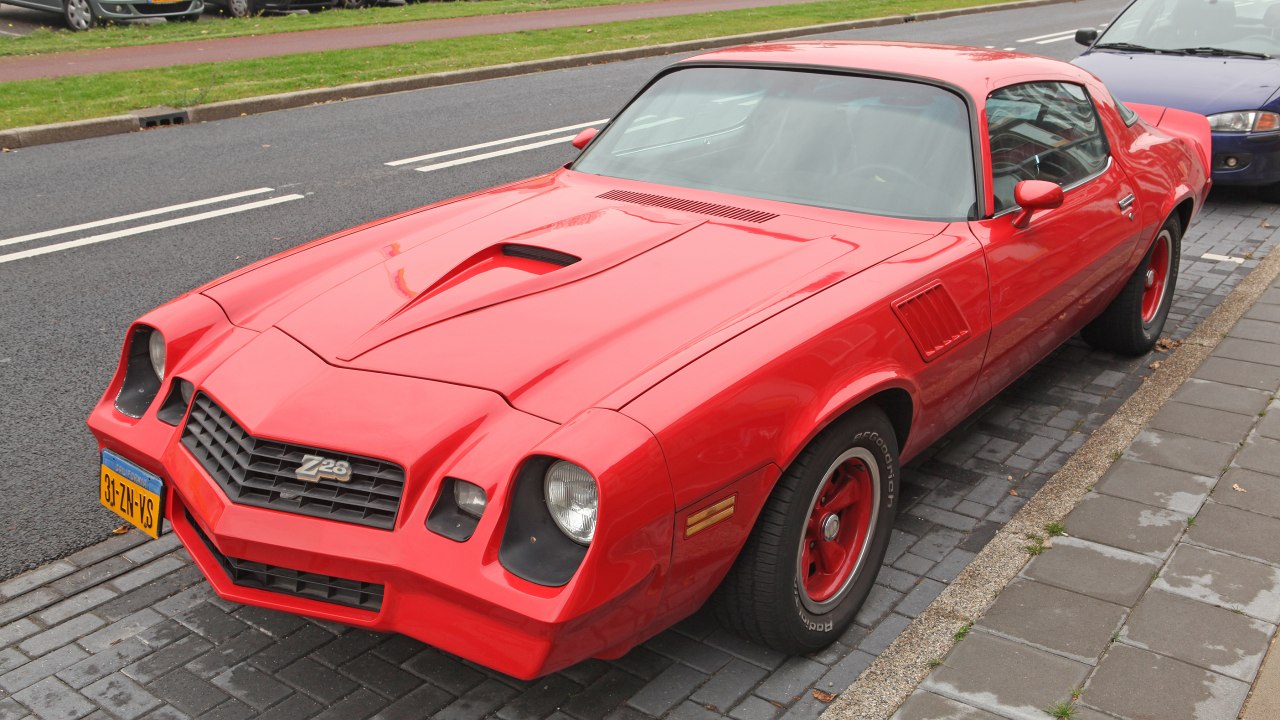
The core of the 1978 transformation was a new approach to the front and rear ends that finally broke from the chrome‑heavy look of earlier years. Reporting on the second generation confirms that the 1978 Camaro adopted body colored urethane front and rear bumpers, a change that visually integrated the impact structures into the sheetmetal instead of leaving them as bright metal bars hanging off each end. The same source notes that the car also gained amber taillight turn signals, a small but telling detail that nudged the design toward a more contemporary, European‑influenced lighting signature.
Those bumpers did more than clean up the profile. By painting them to match the body and molding them into the nose and tail, Chevrolet effectively gave the Camaro a new face while preserving the basic fenders and roofline. The result, as period coverage of the 1978 model makes clear, was a car that looked smoother and more cohesive than its predecessors, with the lighting and bumper treatment working together to create a shape that still reads as “classic Camaro” decades later.
How the 1978 Z28 sharpened the car’s performance image
If the basic 1978 Camaro established the new look, the Z28 version turned it into a performance statement. One owner’s account of a 1978 Chevrolet Camaro Z28, framed as “My Second First Car,” points out that while the Z28 nameplate had been reintroduced in 1977, it was not until 1978 that the package really came into its own again. That narrative emphasizes that the 1978 Z28 benefited from the broader restyle, combining the fresh bodywork with a more assertive stance and graphics that made the car stand out even in a crowded late‑1970s parking lot.
The same account notes that “while the” Z28 had technically returned earlier, the 1978 model is the one that enthusiasts often single out as a turning point. A separate deep dive into a 1978 Chevrolet Camaro Z‑28 describes the car as an example of one of the most effective mid‑cycle refreshes ever accomplished, highlighting how the updated styling and performance cues worked together. In that piece, the author boils down the appeal of this Camaro to a mix of visual aggression and everyday usability, a balance that helped cement the Z28’s role as the halo for the entire lineup and reinforced the broader 1978 design as the definitive late‑second‑generation look.
A full lineup built around the new face
The 1978 restyle was not limited to a single trim, it was rolled out across a complete family of Camaros that all shared the same basic visual language. A period promotional film, later resurfaced online, invites viewers to “meet” the freshly restyled 1978 Camaros, listing the Sport Coupe, Rally Sport, Type LT, and Z28 as distinct flavors built on the same core shape. That video presentation underscores how Chevrolet treated the new styling as a unifying theme, using the common nose, tail, and bumper treatment to tie together models that ranged from relatively basic transportation to full‑bore performance.
Another period clip focused specifically on the 1978 Chevrolet Camaro reinforces that message by stressing that “style is only the beginning of what Camaro is all about,” before pivoting to talk about added sportiness and available features. The language in that promotional material makes clear that Chevrolet saw the restyle as a gateway, something that would draw buyers in visually and then encourage them to move up the ladder from a Sport Coupe to a Rally Sport or Z28. By giving every version of the car the same modernized face, the company ensured that even the entry‑level models benefited from the halo of the more expensive trims, which in turn helped fix the 1978 look in the public imagination.
Why enthusiasts still point to 1978 as the iconic year
Looking back from today, I find that enthusiasts often treat the 1978 update as the moment when the second‑generation Camaro finally clicked aesthetically. The combination of body colored urethane bumpers, revised lighting, and carefully tuned trim packages created a car that looked cohesive in a way earlier versions did not. Contemporary and retrospective coverage alike, from the broad history of the model to focused pieces on individual Z28s, consistently highlight 1978 as a high point for mid‑cycle design work, not just for Chevrolet but for Detroit performance cars in general.
That reputation rests on more than nostalgia. The 1978 Camaro managed to reconcile regulatory realities with enthusiast expectations, using styling to project speed and sophistication at a time when raw horsepower was constrained. Owner stories like the “My Second First Car” account of a 1978 Chevrolet Camaro Z28, along with analytical pieces that describe the 1978 Z‑28 as a particularly successful refresh, show how the car’s updated appearance helped it stay relevant in a changing market. Taken together, those perspectives support the idea that 1978 is when the Camaro adopted the look that still defines it in the minds of many fans, a look born from necessity but refined into something enduring.
More from Fast Lane Only: