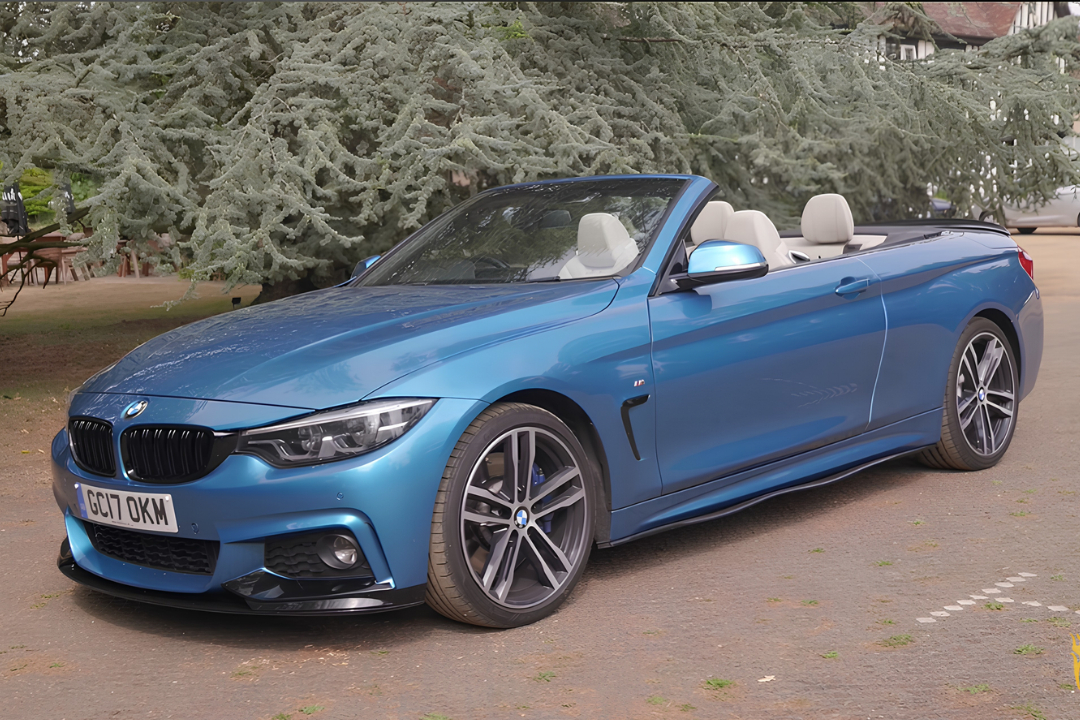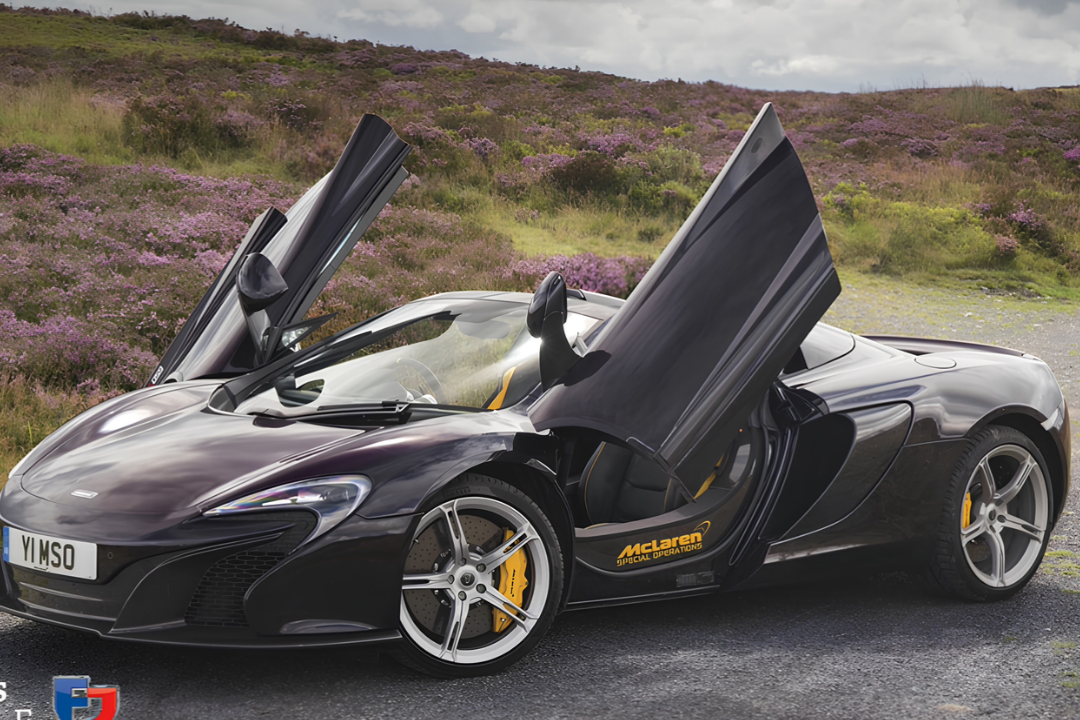
The 1980s marked a transformative period in automotive design, driven largely by advancements in aerodynamics. The decade saw car manufacturers shift from boxy, angular shapes to sleeker, more streamlined forms, enhancing both performance and fuel efficiency. How aerodynamics reshaped car styling in the 1980s is a story of innovation and adaptation, reflecting broader trends in technology and consumer preferences.
The Rise of Aerodynamic Awareness
Fuel Efficiency Concerns

The oil crisis of the 1970s had a profound impact on the automotive industry, prompting an urgent reevaluation of how cars were designed and built. With fuel prices soaring, both consumers and manufacturers became acutely aware of the need for more fuel-efficient vehicles. This shift led to a deeper exploration of aerodynamics as a means to reduce drag and improve fuel efficiency. Automakers recognized that even minor reductions in aerodynamic drag could lead to significant improvements in fuel economy, thus setting the stage for a new era of car design.
As the understanding of aerodynamics evolved, so did the design priorities of car manufacturers. The focus shifted from producing vehicles with powerful engines capable of overcoming drag to creating sleek, streamlined forms that naturally sliced through the air with minimal resistance. This aerodynamic approach not only improved fuel efficiency but also enhanced vehicle performance, offering a win-win scenario for both manufacturers and consumers.
Wind Tunnel Testing
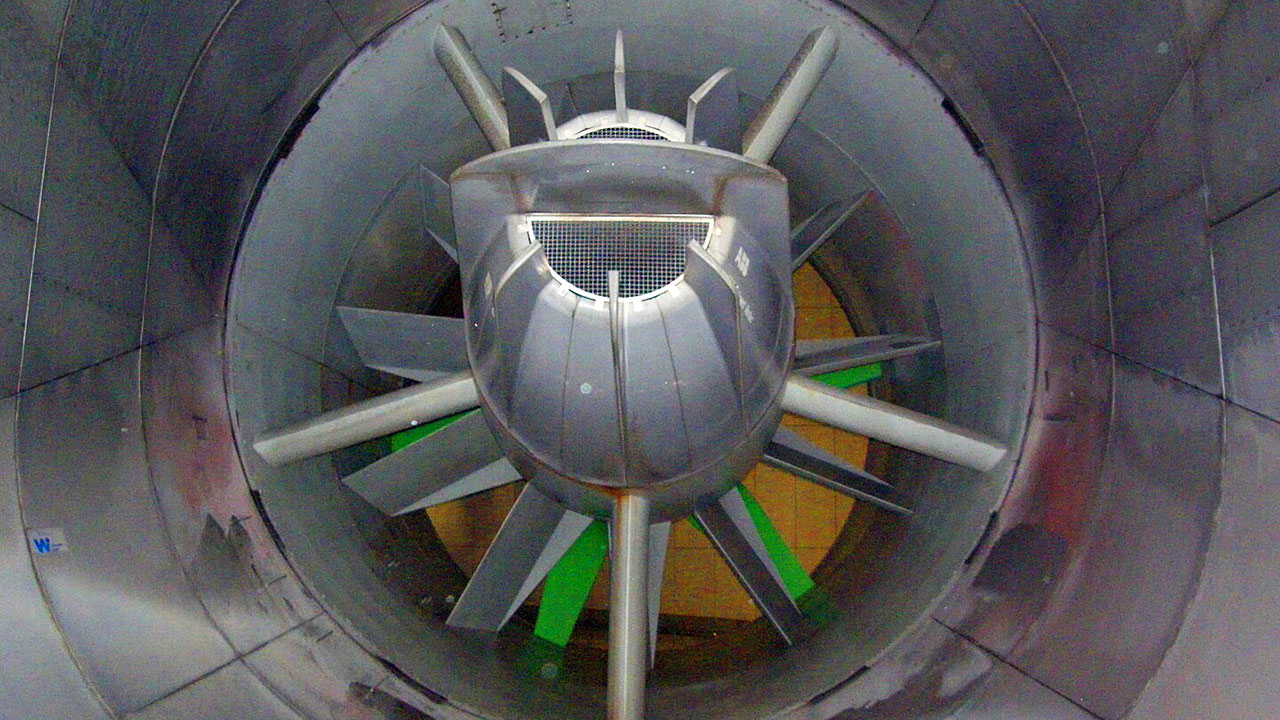
Wind tunnel testing emerged as a crucial tool in the quest for aerodynamic efficiency. By allowing engineers to simulate real-world conditions in a controlled environment, wind tunnels provided invaluable insights into how air flowed over and around a vehicle. This technology enabled precise measurements and refinements, allowing designers to experiment with different shapes and configurations to find the most aerodynamically efficient solutions.
Manufacturers invested heavily in wind tunnel facilities during the 1980s, recognizing their potential to revolutionize car design. Companies like General Motors and Ford constructed state-of-the-art wind tunnels, enabling them to test new designs under a variety of conditions. These investments paid off, as the data gathered from wind tunnel testing led to more informed and effective design decisions, ultimately resulting in vehicles that were both more aerodynamic and more appealing to consumers.
Iconic Aerodynamic Designs of the 1980s
The Audi 100/5000
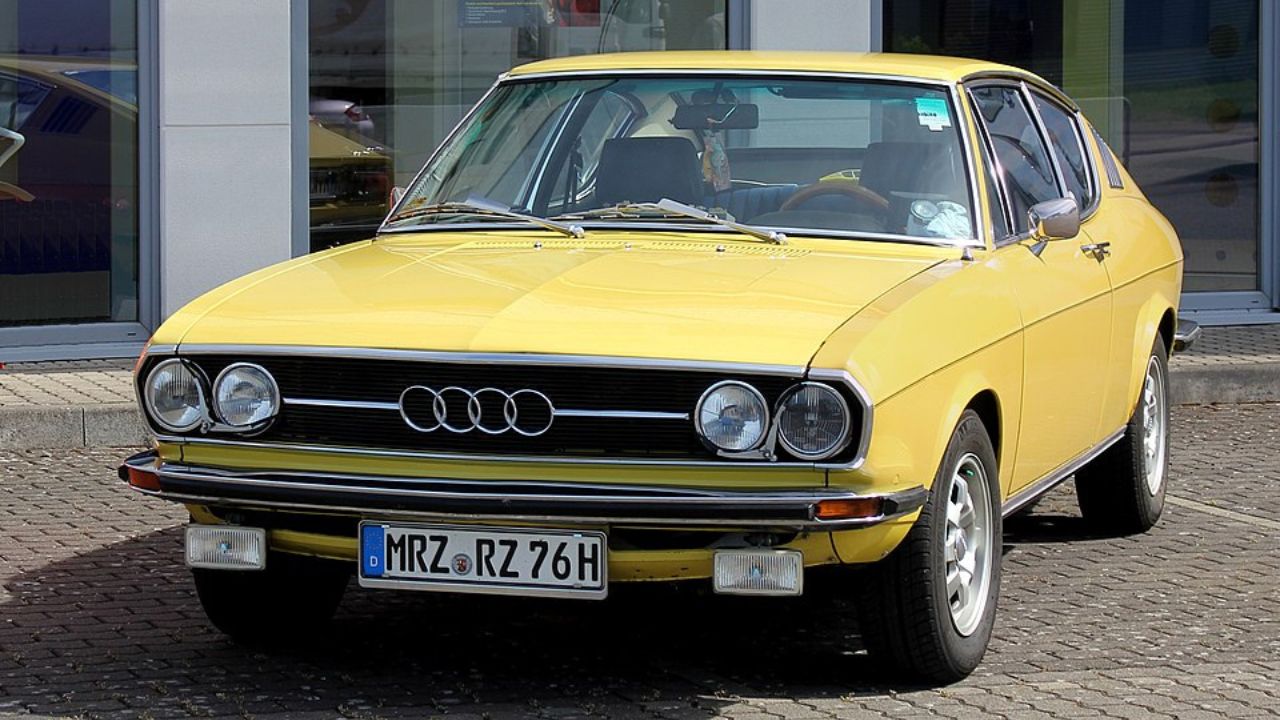
The Audi 100, known in the United States as the Audi 5000, was a groundbreaking vehicle that set new standards for aerodynamic design in the 1980s. Introduced in 1982, the Audi 100 boasted a remarkably low drag coefficient of 0.30, a figure that was virtually unheard of at the time. This achievement was made possible through a combination of innovative design features, including flush-mounted windows, integrated bumpers, and smooth, flowing lines that reduced air resistance.
The impact of the Audi 100’s aerodynamic design extended far beyond the vehicle itself. It influenced a generation of car designs across various brands, as manufacturers sought to emulate its success. The vehicle’s sleek appearance and impressive fuel efficiency made it a popular choice among consumers, proving that aerodynamic design could coexist with aesthetic appeal and practical performance.
The Ford Sierra

The Ford Sierra, introduced in 1982, represented a bold departure from the boxy designs of the past. Its “jellymould” shape was initially met with skepticism, as it challenged the traditional notions of what a car should look like. However, the Sierra’s design quickly gained acceptance, becoming a symbol of the aerodynamic revolution that was sweeping through the automotive industry.
The Sierra’s success was not merely a result of its distinctive appearance; it also delivered tangible benefits in terms of performance and efficiency. The vehicle’s aerodynamic shape contributed to improved fuel economy and reduced wind noise, enhancing the overall driving experience. As consumers embraced the Sierra, it became clear that aerodynamic design was not just a passing trend but a fundamental shift in automotive styling.
Technological Innovations and Materials
Computer-Aided Design (CAD)
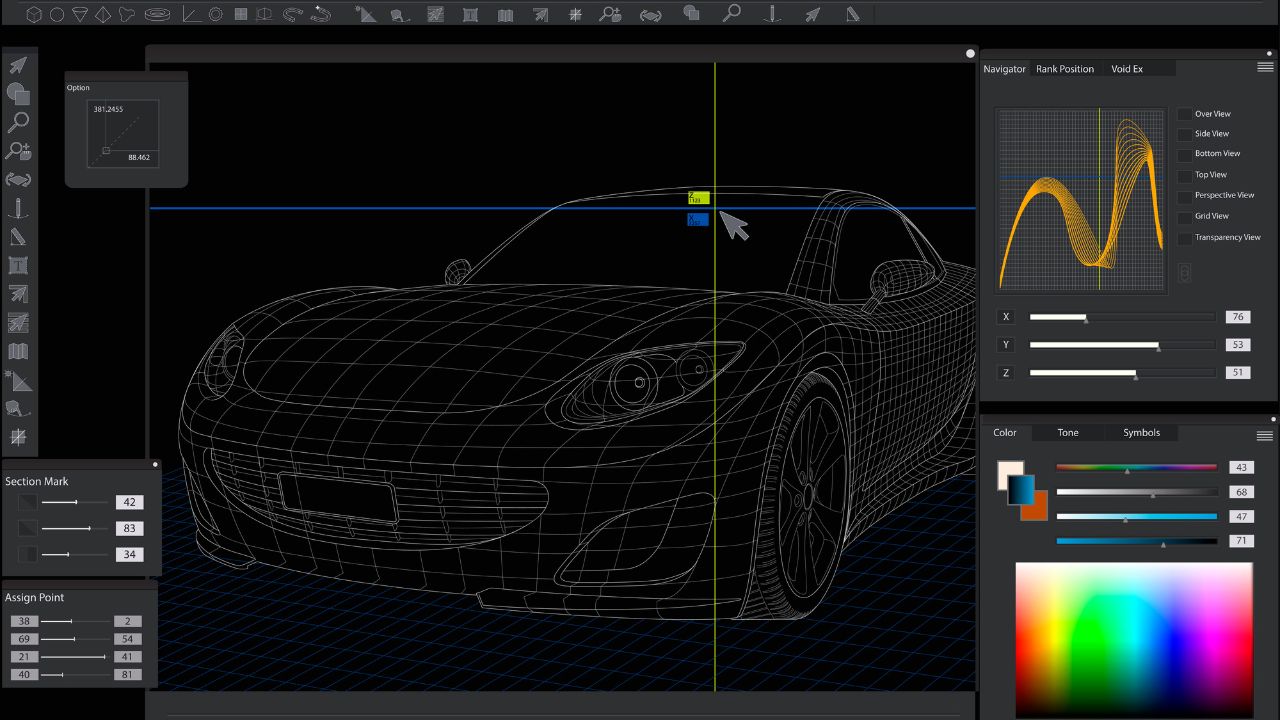
The advent of computer-aided design (CAD) technology in the 1980s revolutionized the way cars were designed. CAD allowed designers to create and manipulate complex shapes with unprecedented precision, enabling them to optimize their designs for aerodynamic performance. By simulating airflow over digital models, designers could identify areas of high drag and make adjustments before physical prototypes were built.
This technology not only accelerated the design process but also improved the accuracy of aerodynamic predictions. As a result, manufacturers could confidently pursue innovative designs that pushed the boundaries of traditional styling, knowing that their aerodynamic performance had been thoroughly vetted through CAD simulations.
New Materials and Construction Techniques
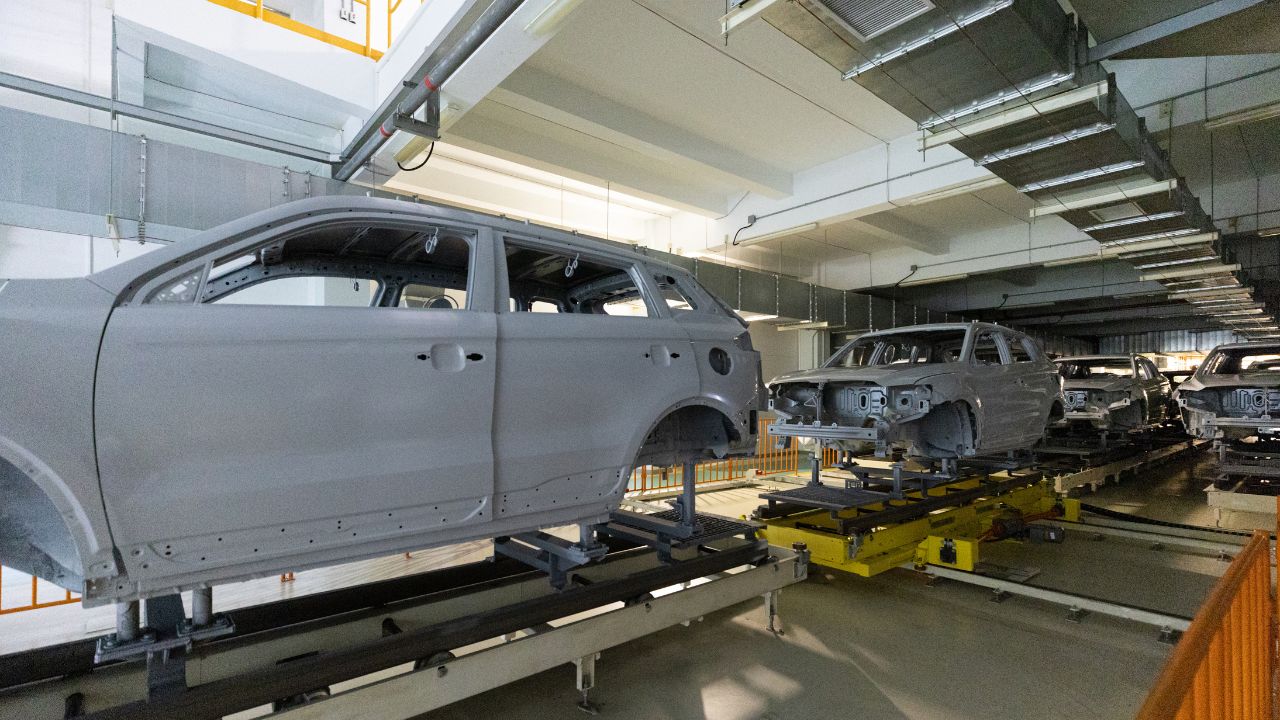
In addition to advancements in design technology, the 1980s saw the introduction of new materials and construction techniques that complemented the pursuit of aerodynamic efficiency. Lightweight materials such as plastics and aluminum became increasingly popular, as they allowed for the creation of streamlined shapes without adding unnecessary weight.
Unibody construction, which integrated the vehicle’s body and frame into a single cohesive unit, also played a significant role in the aerodynamic revolution. This approach enabled designers to create smoother, more cohesive shapes that reduced drag and improved structural integrity. Together, these innovations contributed to the development of vehicles that were not only more aerodynamic but also more efficient and environmentally friendly.
Cultural and Market Impact
Consumer Perceptions and Preferences

The aerodynamic styling of the 1980s had a profound impact on consumer perceptions and preferences, as sleek, streamlined designs became synonymous with modernity and performance. Marketing campaigns emphasized the benefits of aerodynamic features, highlighting their contributions to speed, fuel savings, and overall driving experience. As a result, consumers began to associate aerodynamic styling with cutting-edge technology and innovation.
Manufacturers capitalized on this shift in consumer attitudes, promoting their aerodynamic designs as a key selling point. Vehicles like the Audi 100 and Ford Sierra were marketed not only for their performance and efficiency but also for their forward-thinking design, appealing to consumers who valued both style and substance.
Competitive Edge in Global Markets
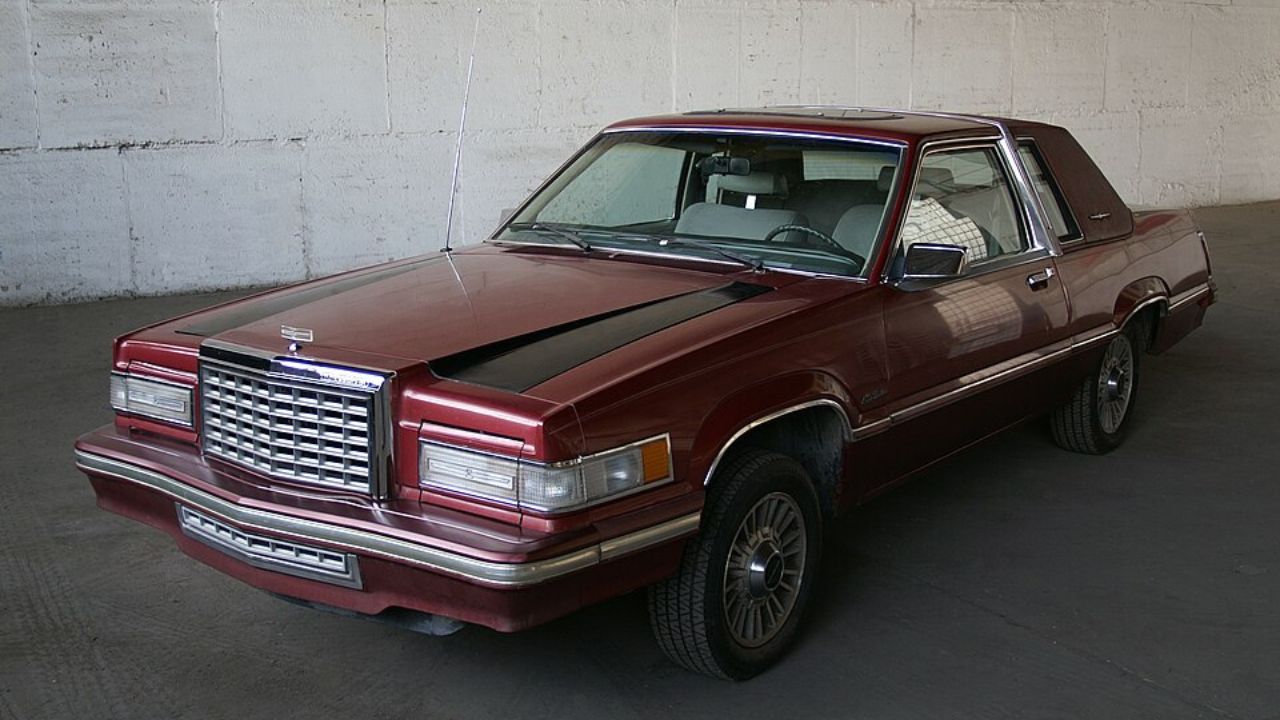
The embrace of aerodynamic design provided manufacturers with a competitive edge in global markets, particularly in regions with strict fuel economy regulations. By demonstrating their commitment to innovation and efficiency, companies positioned themselves as leaders in the automotive industry, attracting consumers who prioritized environmental considerations and cost savings.
This trend towards aerodynamics helped brands establish themselves as technologically advanced and forward-thinking, setting the stage for future developments in automotive design. As the industry continued to evolve, the lessons learned from the aerodynamic revolution of the 1980s remained a guiding influence, shaping the way vehicles were designed and built in the decades that followed.
Legacy and Influence on Modern Car Design
Lasting Design Principles

The aerodynamic advancements of the 1980s laid the groundwork for future automotive design, establishing principles that continue to influence modern vehicles. The focus on reducing drag and improving efficiency has remained a central consideration in car design, as manufacturers seek to balance performance with environmental impact.
Many of the design elements pioneered in the 1980s, such as integrated bumpers and flush-mounted windows, are still in use today. These features have become standard practice in the industry, reflecting the enduring legacy of the aerodynamic revolution.
Continued Evolution in the 1990s and Beyond

The momentum generated by the aerodynamic advancements of the 1980s carried into the 1990s and beyond, as manufacturers continued to refine their designs and explore new technologies. The pursuit of aerodynamic efficiency remains a key factor in the development of electric and autonomous vehicles, as these technologies demand innovative solutions to maximize range and performance.
As the automotive industry continues to evolve, the lessons of the 1980s serve as a reminder of the power of innovation and the importance of adapting to changing circumstances. The aerodynamic revolution not only reshaped car styling but also set the stage for a future in which efficiency and sustainability are paramount.
Like Fast Lane Only’s content? Be sure to follow us.
Here’s more from us:
*Created with AI assistance and editor review.