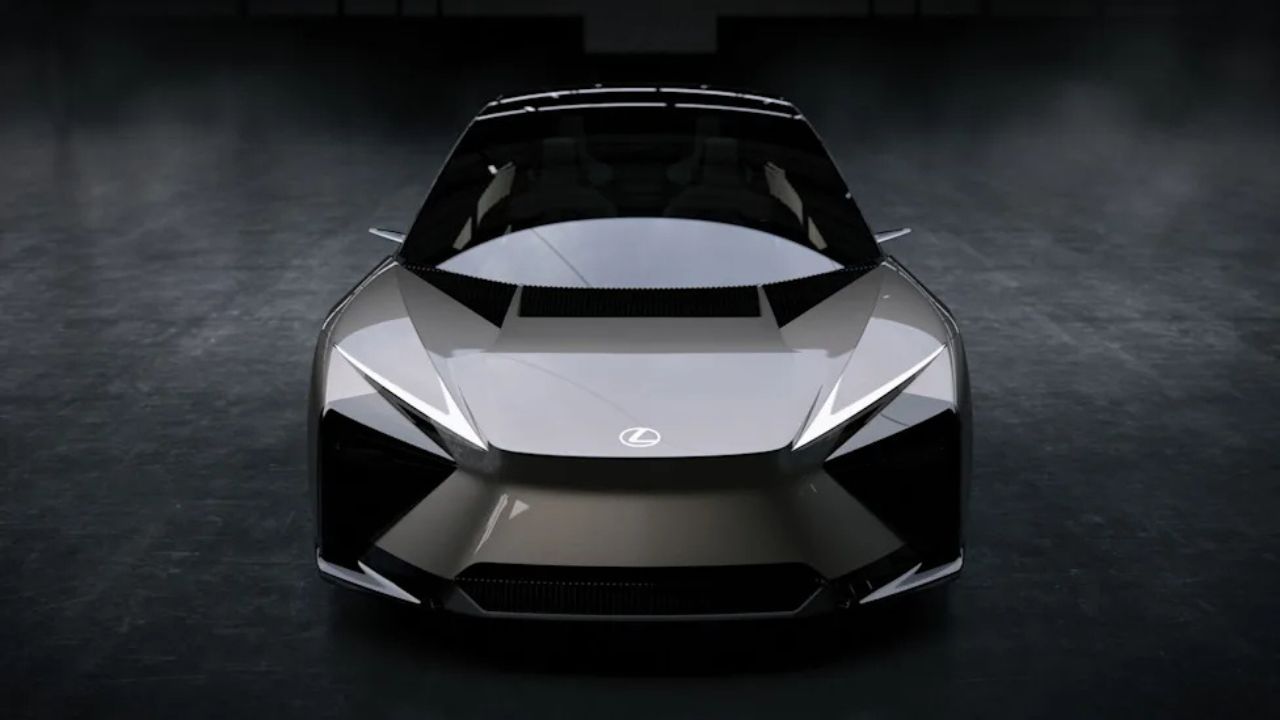
Lexus is reportedly moving away from plans to bring the futuristic LF-ZC electric sedan concept to production in its originally envisioned form, choosing instead to focus on electric vehicles built around existing and evolving platform architectures. The reported shift reflects the changing realities of the EV market, where automakers are increasingly prioritizing flexibility, cost control, and profitability over ambitious clean-sheet projects.
The decision suggests that Lexus is refining its electrification strategy as demand growth for electric vehicles becomes more uneven across global markets.
How the LF-ZC became a centerpiece of Lexus’ EV vision
When Lexus unveiled the Lexus LF-ZC, the concept was presented as a preview of the brand’s next generation of electric vehicles. It featured dramatic styling, advanced digital interfaces, steer-by-wire technology, and a highly aerodynamic design intended to showcase the future direction of the luxury automaker.
The LF-ZC was also expected to introduce a new generation of EV-focused engineering, with Lexus highlighting improvements in efficiency, battery technology, and vehicle packaging compared with current electric offerings.
At the time, the concept represented one of the most ambitious glimpses into Lexus’ long-term electrification plans and was widely viewed as a potential flagship EV sedan for the brand.
Why Lexus may be changing course
According to reports, Lexus is now placing greater emphasis on vehicle architectures that can support multiple powertrain types and adapt more easily to changing market conditions. Rather than committing to an entirely new production program centered on the LF-ZC concept, the company appears to be focusing on platforms that offer greater flexibility and lower development risk.
The shift comes as automakers across the industry reassess EV timelines and investment strategies. While electrification remains a major priority, many manufacturers are adjusting plans to account for varying consumer demand, infrastructure challenges, and evolving regulatory requirements.
For Lexus, leveraging existing platforms could reduce development costs while allowing the company to bring new products to market more efficiently.
Why the move matters
The reported decision highlights a broader trend within the automotive industry. Several manufacturers that previously announced aggressive EV expansion plans have recently revised product schedules, delayed projects, or prioritized multi-energy platforms capable of supporting gasoline, hybrid, and electric powertrains.
For Lexus, platform flexibility may be particularly valuable given the brand’s strong presence in hybrid vehicles and the continued demand for multiple powertrain options across different regions.
The move also reflects the challenge of balancing innovation with profitability. Advanced concept vehicles often showcase future technologies, but translating those ideas into production can be expensive and difficult when market conditions change.
By focusing on proven architectures, Lexus may gain the ability to respond more quickly to shifts in customer preferences while maintaining its long-term electrification goals.
What it means for Lexus’ electric future
The reported change does not indicate that Lexus is abandoning electric vehicles. Instead, it suggests the company is taking a more measured approach to how future EVs are developed and launched.
Lexus continues to invest in battery technology, software integration, and next-generation vehicle design. Many of the innovations previewed by the LF-ZC concept could still appear in future production models, even if the concept itself never reaches showrooms in its original form.
The strategy aligns with Toyota’s broader approach of offering a mix of hybrid, plug-in hybrid, hydrogen, and battery-electric technologies rather than relying on a single pathway toward lower emissions.
The bigger picture
The reported cancellation of the LF-ZC production plan underscores how rapidly the automotive landscape continues to evolve. Concepts that once appeared destined for production are increasingly being reevaluated as manufacturers adapt to changing market realities.
For Lexus, the priority now appears to be balancing innovation with flexibility. While the LF-ZC may no longer serve as the direct blueprint for a future production sedan, its technologies and design ideas are likely to influence upcoming models as the brand continues its transition toward electrification.
In that sense, the concept may still shape Lexus’ future—even if it never reaches the road exactly as originally envisioned.
More from Fast Lane Only
- Unboxing the WWII Jeep in a Crate
- 15 rare Chevys collectors are quietly buying
- 10 underrated V8s still worth hunting down
- Police notice this before you even roll window down
*Research for this article included AI assistance, with all final content reviewed by human editors