Chevrolet has built V8s that defined entire eras, yet one of its most influential engines did not arrive with big-block fanfare or race-bred mythology. It slipped into trucks and sedans, quietly accumulated a record for durability and power potential, then became the default answer for builders who wanted modern performance without exotic complexity. That journey from workhorse to hero reshaped how enthusiasts think about engine swaps and project-car planning.
The rise of this once-overlooked V8 reflects a broader shift in the performance world: tuners now prize packaging, electronics, and aftermarket support as much as displacement or cylinder count. The engine that checked those boxes most completely did more than win dyno contests; it changed the economics of going fast.
From truck duty to swap staple
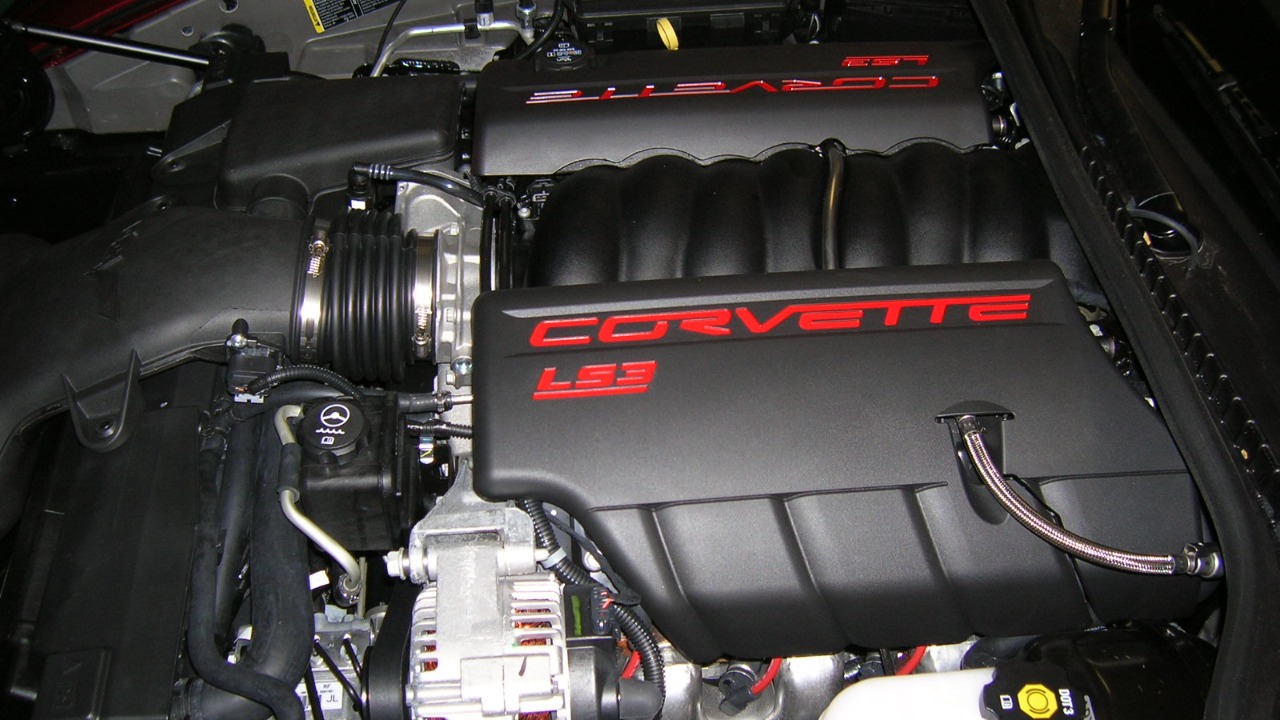
The turning point came when Chevrolet’s LS-family small-block, originally designed for mainstream production cars and trucks, began appearing in everything from classic Camaros to drift-ready Nissan 240SX builds. Early on, many enthusiasts still favored traditional small-block Chevys or big-blocks for their simplicity. With its coil-on-plug ignition and composite intake, the LS looked more like an appliance than a hot rod icon.
Evidence eventually shifted that perception. Builders discovered that even iron-block truck variants could tolerate significant boost and high rpm without constant failures. Junkyard engines that had hauled half-ton pickups for years suddenly became the foundation for 600 horsepower street cars. As more projects documented reliable results, the LS family moved from curiosity to proven formula.
Packaging played a major role. The LS kept compact external dimensions and relatively low weight, which meant it fit into older chassis with less cutting than many overhead-cam rivals. Once swap kits standardized motor mounts, headers, and oil pans, the path from donor truck to running project car became shorter and less intimidating.
Meanwhile, the aftermarket embraced the platform. Camshaft grinds, intake manifolds, cylinder heads, and plug-and-play wiring harnesses turned what began as a parts-bin experiment into a highly structured upgrade path. That ecosystem helped the LS become, as one analysis of performance swaps put it, the default choice for builders who wanted predictable results.
Why this “underrated” V8 fits modern projects
Calling the LS underrated may sound strange to anyone who has watched auction listings or dyno videos over the past decade. Yet when it launched, the engine did not carry the halo of a Corvette-exclusive powerplant or a limited-production homologation special. It arrived as a pragmatic evolution of the small-block idea, built in large volumes and tuned for emissions and fuel economy as much as performance.
That origin story turned into a strength. Mass production meant abundant cores, interchangeable parts, and a deep pool of real-world data on what failed and what survived. Builders could buy a complete engine with accessories, wiring, and ECU, then rely on a community of tuners who had already solved the hardest problems. Compared with more exotic V8s, the LS offered a rare combination of affordability, reliability, and tuning headroom.
The architecture also suited contemporary goals. Aluminum-block variants helped keep front-end weight in check, which improved handling in older muscle cars and lighter imports. Cathedral-port heads on early versions responded well to simple bolt-ons, while later rectangular-port designs supported serious airflow for boosted builds. Factory fuel-injection systems, once seen as a barrier, became an advantage as standalone controllers and reflashing tools matured.
For many enthusiasts, the LS represented a bridge between eras. It retained the pushrod simplicity that made traditional small-blocks easy to package, yet delivered the drivability and efficiency that owners expected from modern vehicles. That balance helped it win over skeptics who had dismissed electronic controls and coil packs as unnecessary complications.
How perception shifted among hardcore enthusiasts
The cultural shift around the LS did not happen overnight. Purists initially criticized swaps into classic Chevrolets and especially into non-GM platforms, arguing that the engine lacked character compared with carbureted small-blocks or big-blocks. Online forums filled with debates about sound, aesthetics, and brand loyalty.
Track results and real-world reliability gradually changed the tone. Grassroots racers found that LS-powered cars could run entire seasons on modest budgets, with parts available at local stores rather than specialty catalogs. Drifters appreciated the torque curve and throttle response, which made balancing the car easier than with peaky turbo fours. Time-attack and road-race teams saw that the engines could handle sustained high-load use without constant rebuilds.
At the same time, the variety within the LS family gave builders a menu of options. Iron-block truck engines appealed to budget-conscious tuners who planned to add turbochargers or superchargers. Aluminum-block performance variants, often pulled from wrecked sports cars, became the go-to for lighter builds where every kilogram mattered. That flexibility reinforced the idea that there was an LS for almost any project, from budget drag car to high-end restomod.
As more high-profile shops and YouTube channels showcased successful LS projects, the engine’s image shifted from compromise choice to aspirational standard. What began as an underrated workhorse became a badge of seriousness, a signal that a builder cared about results as much as nostalgia.
Why the LS phenomenon matters right now
The LS story matters because it illustrates how performance culture adapts to new constraints. Modern fuels, emissions expectations, and the cost of custom fabrication have pushed builders toward platforms that deliver power without constant drama. The LS family, with its blend of factory engineering and aftermarket support, fits that reality better than many older or more exotic designs.
It also highlights how information flow shapes hardware choices. Social media, forums, and video documentation allowed thousands of individual experiments to accumulate into a shared knowledge base. When a particular camshaft grind or turbo combination repeatedly produced reliable power, that pattern spread quickly. The LS became the consensus answer not through marketing campaigns, but through publicly visible results.
For the broader industry, the engine’s rise has influenced how companies design swap kits, crate motors, and standalone electronics. Manufacturers now assume that a significant share of their enthusiast customers will either own an LS-powered vehicle or consider an LS swap. That assumption affects everything from header design to fuel-system components, which in turn reinforces the platform’s dominance.
There is a financial dimension as well. The availability of relatively affordable, high-power LS builds has raised expectations for what a street car or track toy should deliver. Where 400 horsepower once felt like an aspirational target, many LS projects casually exceed that figure on pump gas. That shift pressures other engine families to match the value proposition, whether they come from domestic brands or overseas manufacturers.
What comes after the LS era
The success of Chevrolet’s modern small-block has sparked a natural question among builders: what comes next. As emissions rules tighten and electrification expands, the idea of swapping a large-displacement V8 into everything faces new challenges. Yet the same factors that elevated the LS, such as modular design, strong aftermarket backing, and abundant donor vehicles, will likely define the next go-to choice.
Within Chevrolet’s own lineup, newer generations of small-block V8s bring direct injection, refined combustion, and even higher efficiency. Some builders already experiment with these engines in older chassis, although the complexity of high-pressure fuel systems and integrated electronics raises the barrier to entry. Over time, as more vehicles with these engines reach salvage yards, their potential as swap candidates will grow.
Parallel to that evolution, electric crate packages and hybrid conversions are beginning to appear in restomod circles. These options promise instant torque and zero local emissions, but they currently lack the parts interchange, tuning culture, and low entry cost that helped the LS flourish. For many enthusiasts, the soundtrack and mechanical engagement of a V8 remain central to the appeal of a project car.
In the near term, the most likely scenario is coexistence. LS swaps will continue to anchor the middle of the market, especially for builders who want proven recipes and predictable budgets. Newer V8s will attract early adopters who enjoy solving complex integration puzzles. Electric and hybrid solutions will grow at the edges, particularly in regions where regulations or incentives favor them.
More from Fast Lane Only
- Unboxing the WWII Jeep in a Crate
- 15 rare Chevys collectors are quietly buying
- 10 underrated V8s still worth hunting down
- Police notice this before you even roll window down
*Research for this article included AI assistance, with all final content reviewed by human editors