Dealership markups have emerged as a significant challenge for car buyers, influencing the affordability and accessibility of vehicles. These markups not only increase the cost of purchasing a car but also impact broader financial planning efforts and consumer trust in the automotive market. Understanding how dealership markups work and their implications can help buyers navigate this complex landscape.
Understanding Dealership Markups
Dealership markups can take various forms, primarily influencing the difference between a vehicle’s Manufacturer’s Suggested Retail Price (MSRP) and the final price paid by the consumer. Typically, the dealer invoice price is lower than the MSRP, providing a margin for dealerships to apply markups for profit. These markups can include adjusted market value fees, dealer-added options, or administrative costs.
Dealerships often justify these markups by pointing to market demand and limited inventory. In times of high demand or when a particular model is scarce, dealerships may increase prices to maximize profits. Recent supply chain disruptions have exacerbated inventory shortages, allowing dealerships to exercise greater pricing power. The interplay of supply and demand thus plays a pivotal role in shaping dealership pricing strategies.
Financial Impact on Consumers
The financial implications of dealership markups are significant for consumers. When markups are applied, buyers often face higher monthly car payments that extend over longer loan terms. For instance, a markup of $2,000 on a popular model like the Toyota RAV4 can increase monthly payments substantially over the life of a loan, especially when interest is factored in. This additional financial burden can also lead to potential overextension of credit, affecting consumers’ credit scores.
Furthermore, the financial strain imposed by markups can have long-term consequences. Allocating more resources to vehicle payments may hinder other financial goals, such as saving for retirement or purchasing a home. Consumers may find themselves reallocating funds meant for savings or investments, thus delaying their financial milestones.
Consumer Behavior and Market Trends
Awareness of dealership markups has influenced consumer behavior and perceptions. Many buyers are becoming more skeptical of traditional dealership practices, affecting trust and reputation. Transparency in pricing has become a critical factor for consumers, leading to a shift in how buyers approach vehicle purchases.
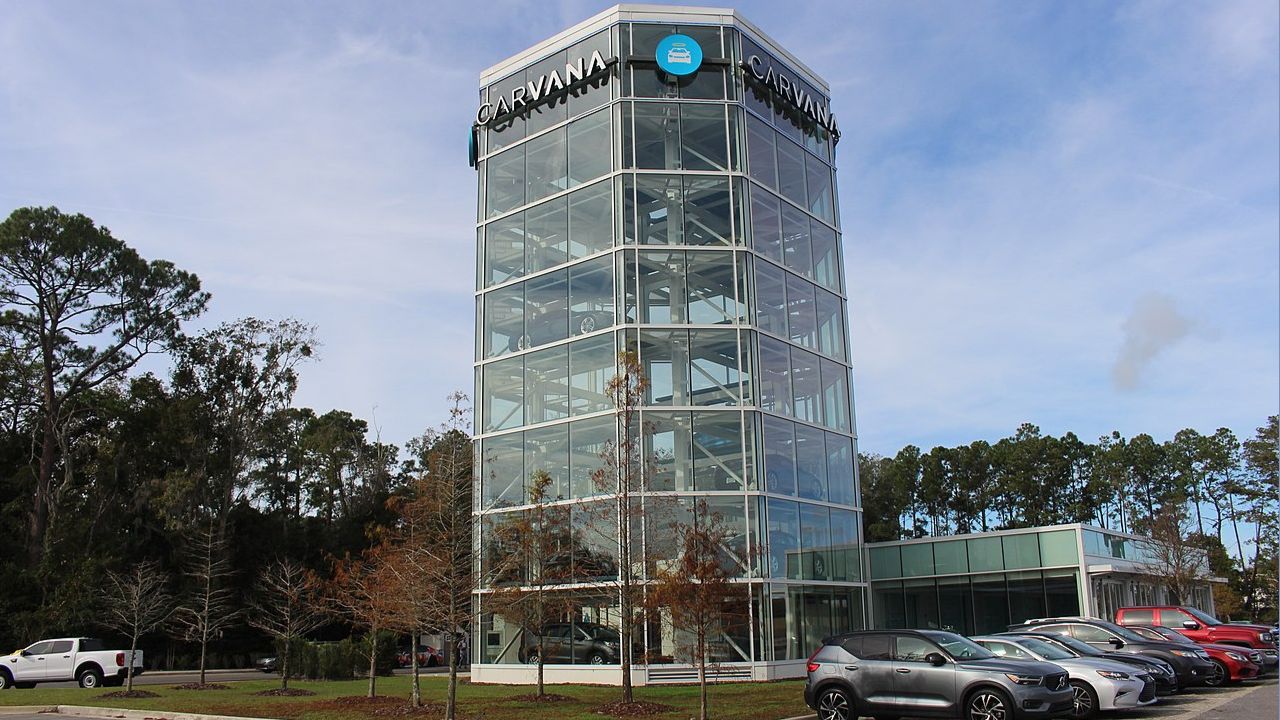
The rise of alternative purchasing methods highlights this shift. Online car buying platforms offer consumers the ability to purchase vehicles directly without the traditional dealership markup. Similarly, direct-to-consumer sales models, exemplified by Tesla, provide a transparent, no-haggle pricing approach that appeals to buyers frustrated by dealership markups. These trends suggest a change in consumer preferences, where value and transparency are prioritized.
Strategies for Navigating Markups
Despite the challenges posed by dealership markups, consumers can adopt several strategies to mitigate their impact. Effective research and negotiation are key. Utilizing resources like Kelley Blue Book or Edmunds can help buyers understand a fair market price for a vehicle. Armed with this information, consumers can negotiate more effectively with dealerships.
Exploring various financing options is equally important. By comparing loan offers from banks, credit unions, and online lenders, consumers can secure financing that minimizes the overall cost of a vehicle purchase. Additionally, timing purchases strategically, such as buying at the end of the month or during holiday sales events, can allow buyers to take advantage of dealer incentives and discounts.
The Future of Dealership Pricing
The landscape of dealership pricing may undergo significant changes in the future. Regulatory considerations aimed at curbing excessive markups could be introduced to protect consumers. Some states have already begun exploring measures to enhance transparency and ensure fair pricing practices within the industry.
Technological advancements also promise to reshape dealership pricing models. AI-driven pricing tools, for example, could lead to more competitive and transparent pricing strategies. These technologies can analyze vast amounts of data, providing insights into optimal pricing based on market trends and consumer behavior.
Moreover, the traditional dealership model may need to evolve to remain relevant. As consumer dissatisfaction with markups grows, dealerships might adopt new business models that focus on customer experience and value. This evolution could include embracing digital sales platforms and enhancing transparency to rebuild consumer trust.
Like Fast Lane Only’s content? Be sure to follow us.
Here’s more from us:
*Created with AI assistance and editor review.