Throughout automotive history, Detroit has been known for its powerful engines and muscle cars. However, there was a period when American manufacturers found ingenious ways to fit big engines into smaller car frames, blending performance with practicality. This unique chapter in Detroit’s automotive saga marked innovative strategies and key moments.
The Birth of the Muscle Car Era

The 1960s and 1970s marked a golden era for car enthusiasts as the demand for high-performance vehicles soared. Consumers craved speed and power, leading to the birth of the muscle car era. This period saw American automakers pushing the boundaries of engineering to create cars that not only satisfied the need for speed but also captured the imagination of the public.
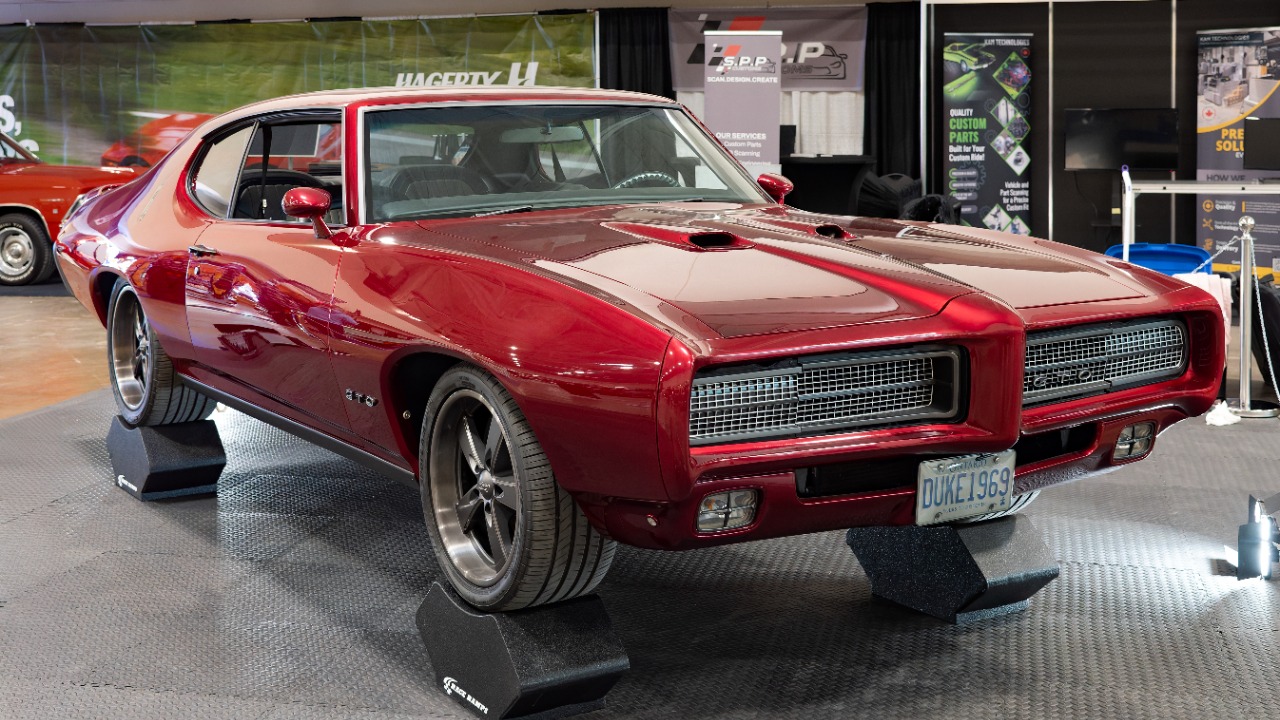
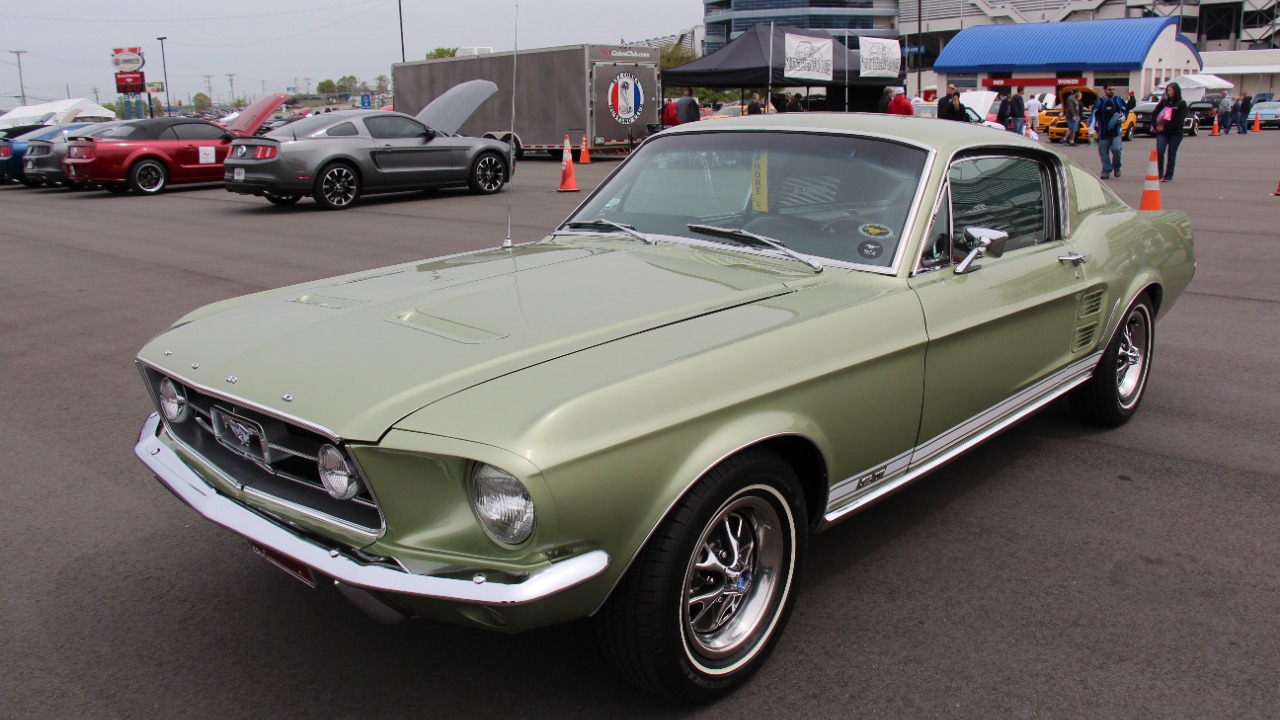
To fit larger engines into relatively compact car bodies, manufacturers had to innovate. They modified engine mounts, redesigned cooling systems, and employed advanced materials to ensure that the cars could handle the increased power. Iconic models like the Pontiac GTO and the Ford Mustang emerged during this time, becoming symbols of American ingenuity and engineering prowess. These cars not only performed well on the road but also became cultural icons, representing the freedom and spirit of the American automotive industry.
The Role of Import Engines
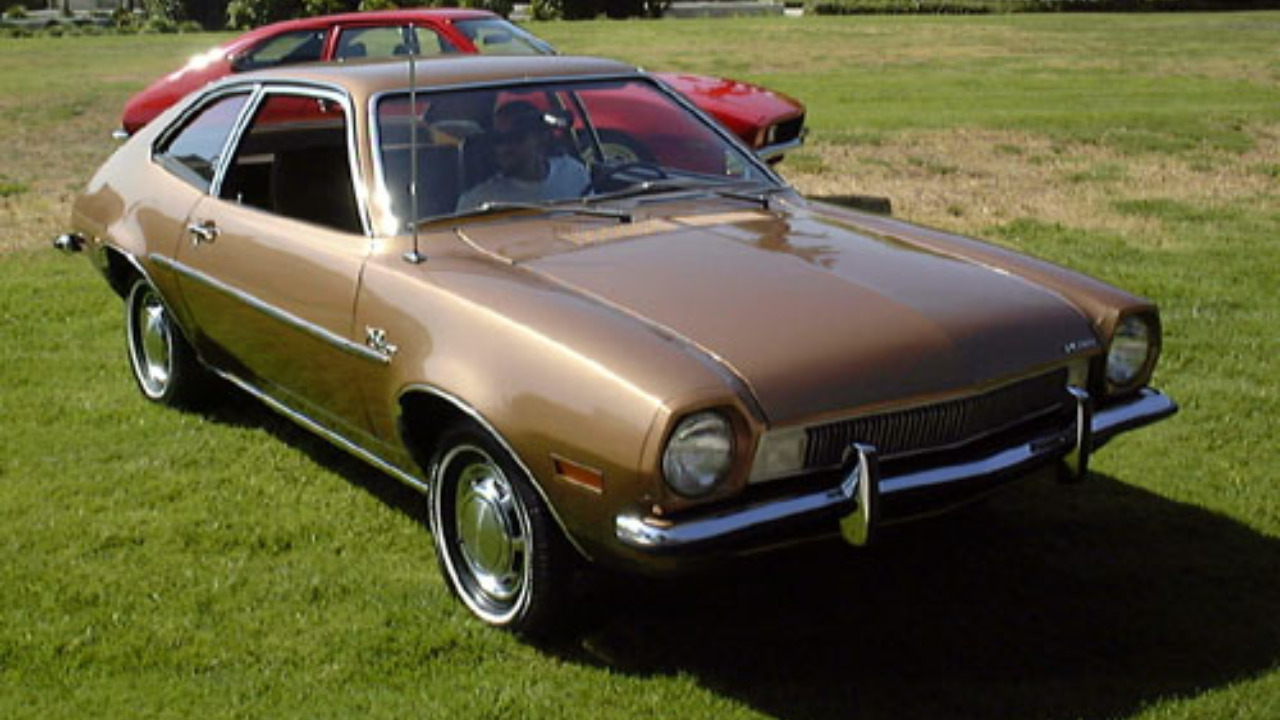
As the quest for power and efficiency continued, Detroit automakers began to incorporate foreign technologies into their lineups. They looked to Japanese and German engines to strike a balance between power and fuel efficiency. This blend of domestic and import technologies allowed American cars to maintain their performance edge while adapting to changing market demands.
Notable examples of this cross-cultural exchange include the Ford Pinto, which utilized a German-engineered engine. Such collaborations were not only successful but also helped reshape consumer perceptions of American cars, which began to be seen as more reliable and efficient. A deeper dive into these integrations reveals how they played a pivotal role in enhancing the performance metrics of vehicles during this transformative period.
Small But Mighty: Detroit’s Compact V8’s
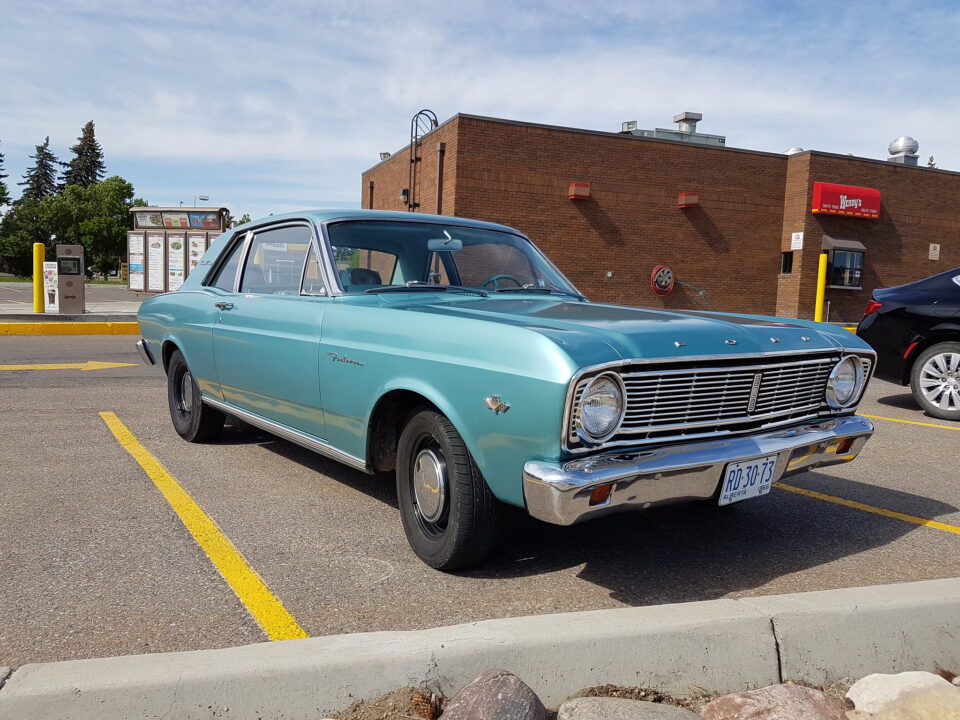
In their pursuit of blending power with practicality, Detroit automakers developed smaller V8 engines that packed a punch without compromising on performance. Engines like the Chevrolet Small Block and Ford’s 289 V8 became staples in compact, high-performance vehicles. These engines were not only powerful but also featured innovations in materials and design that made them compact and efficient.
The technical features of these engines, such as lightweight components and optimized combustion processes, contributed to their impressive performance. The market responded enthusiastically to these compact V8s, as consumers appreciated the blend of power and economy. This enthusiasm translated into strong sales and helped shape the automotive culture of the era.
Legacy and Influence in Modern Automotive Design
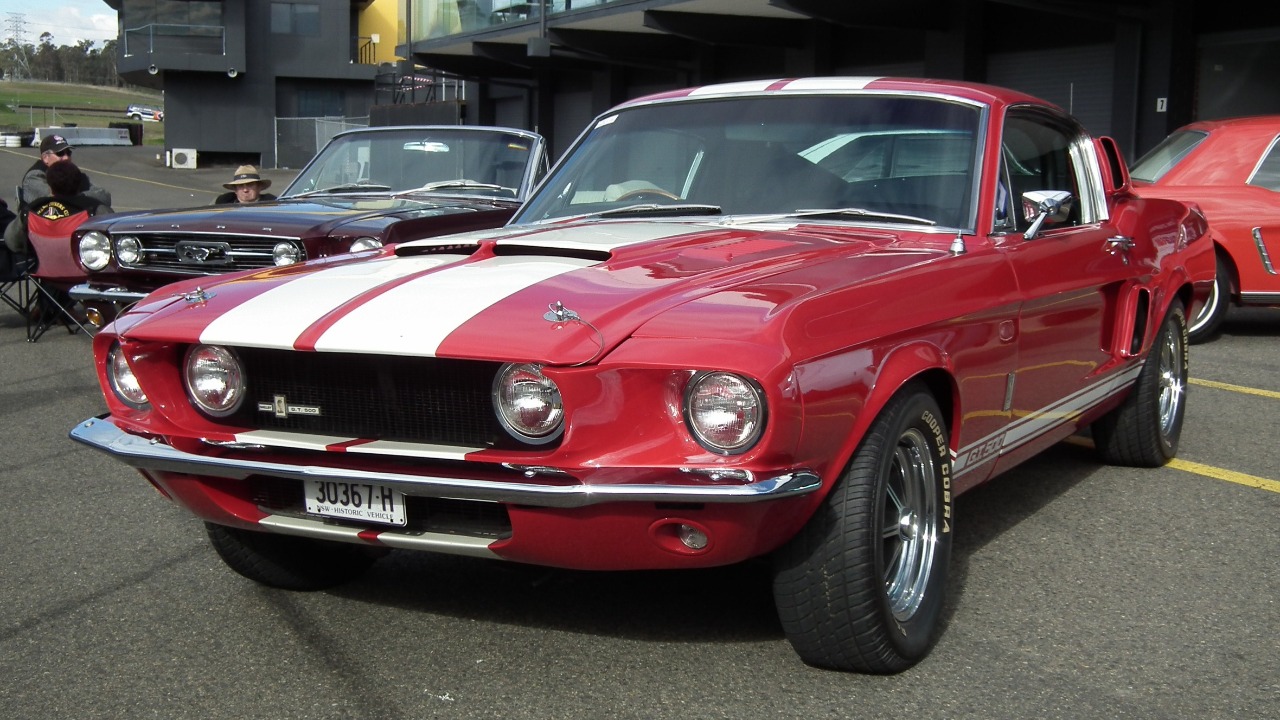
The practice of fitting big engines into small cars has left a lasting impact on modern automotive design. This trend has influenced the development of contemporary performance compacts and sports cars, which continue to prioritize a balance of speed and efficiency. The evolution of engineering techniques from the muscle car era to today’s vehicles reflects significant advancements in turbocharging and hybrid technologies.
The cultural impact of this era can still be felt, inspiring a new generation of automotive engineers and designers. Car enthusiasts continue to celebrate this period for its bold innovation and creativity. The legacy of Detroit’s muscle cars is a testament to the power of engineering ingenuity, and its influence is evident in today’s automotive landscape, as seen in the ongoing passion shared in communities like car enthusiast groups and forums.
Like Fast Lane Only’s content? Be sure to follow us.
Here’s more from us:
*Created with AI assistance and editor review.